


Vintage Overmantle Mirror
A vintage overmantle mirror anchors a reception room with scale and presence, designed to sit directly above the hearth.
Vintage Overmantle Mirror
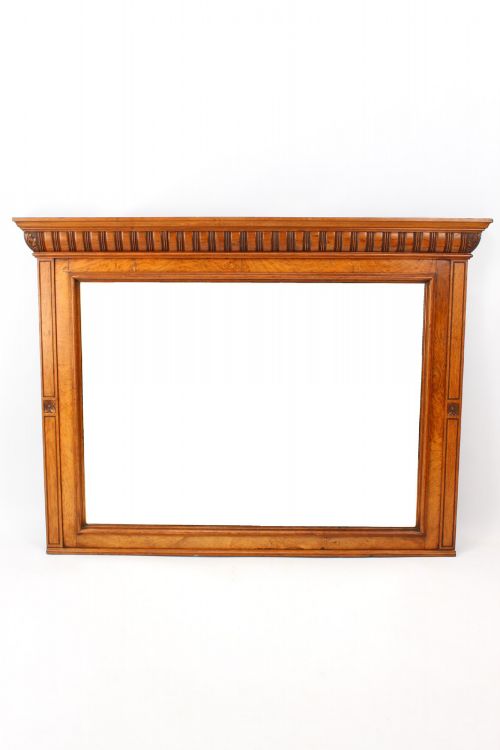
A vintage overmantle mirror is a substantial architectural glass piece intended to command the chimney breast of a principal room. These large glasses reflect light deep into the interior and were traditionally proportioned to fill the vertical expanse between the mantelpiece and the cornice.
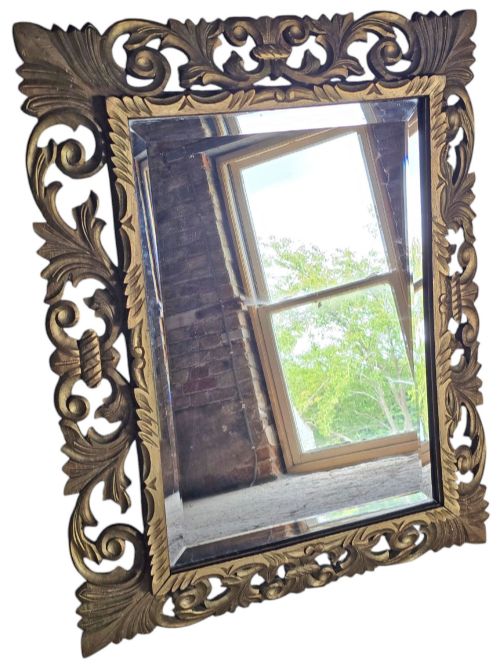
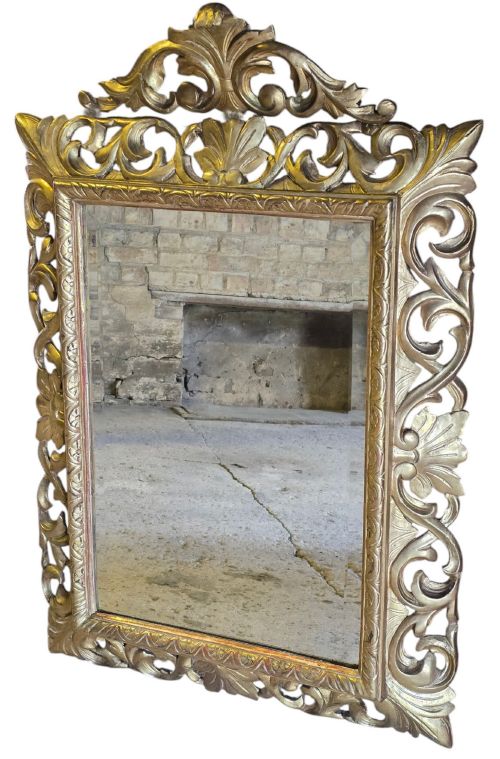
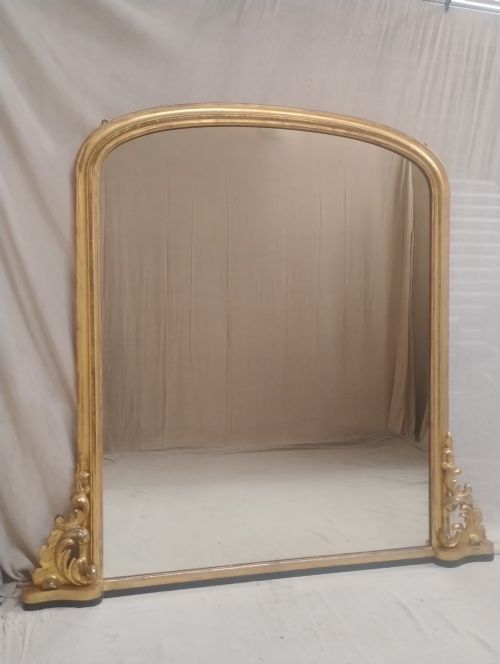
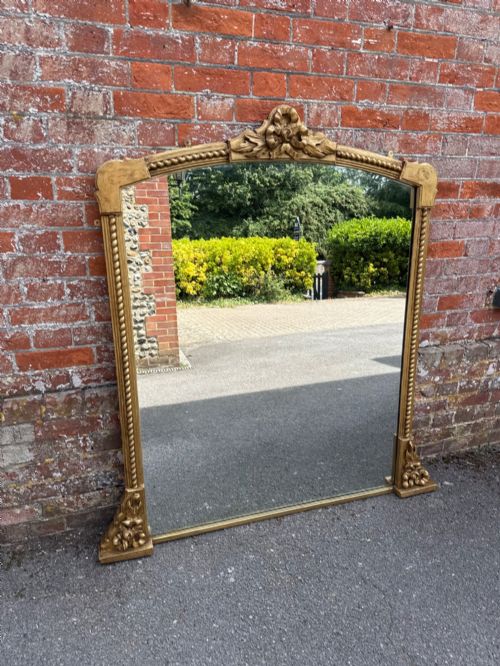
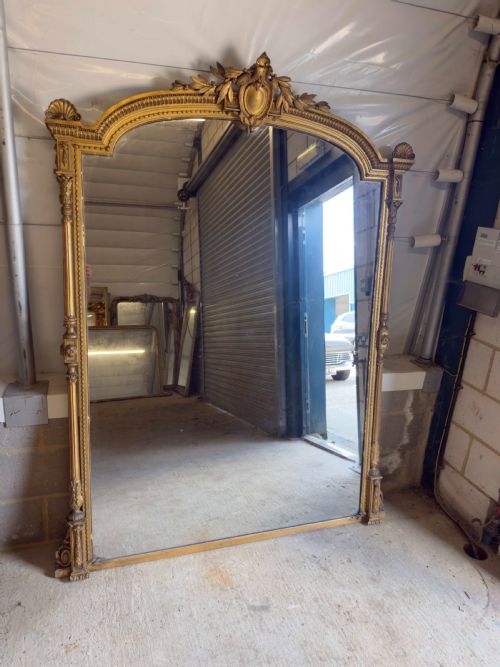
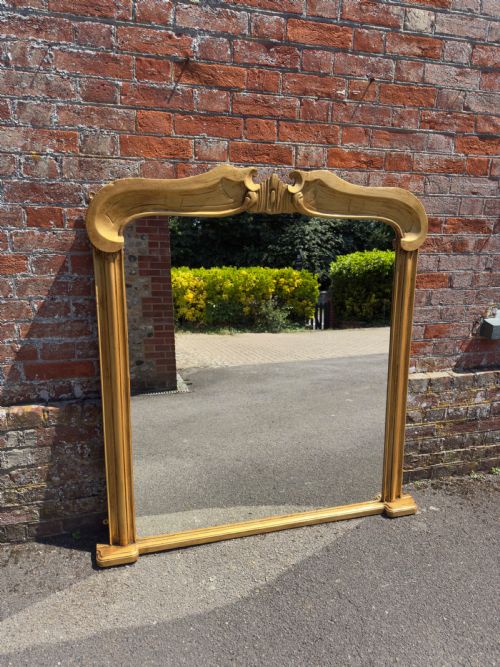
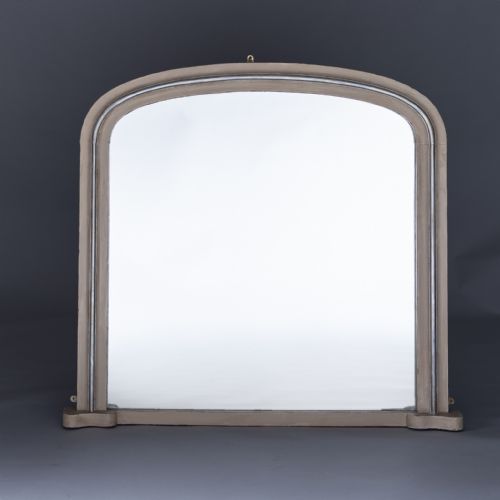
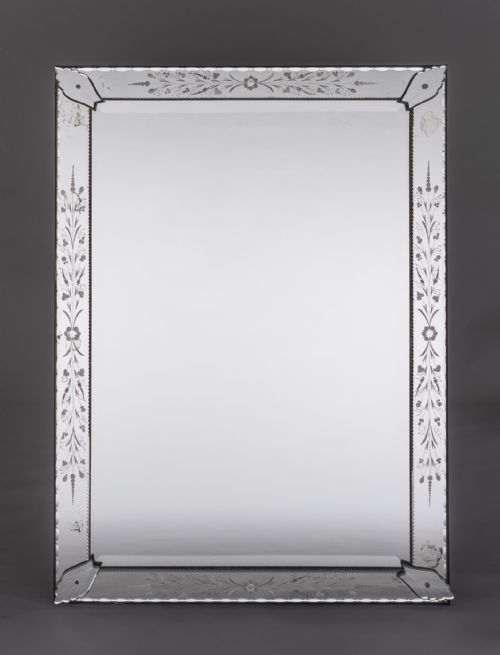
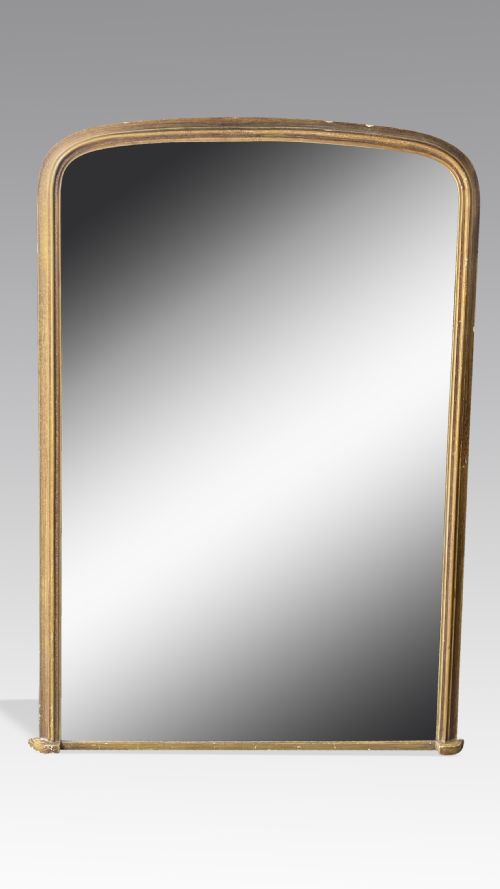
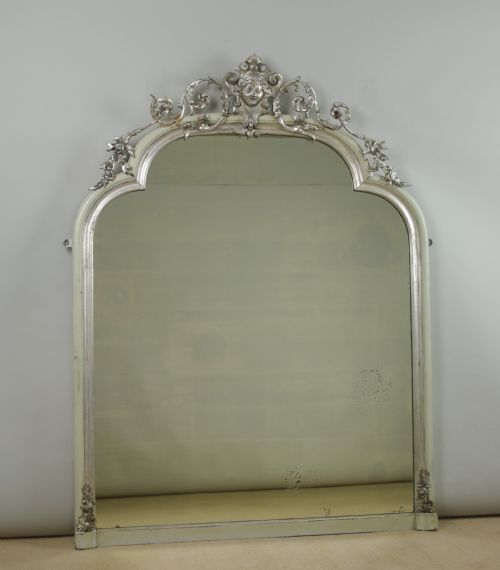
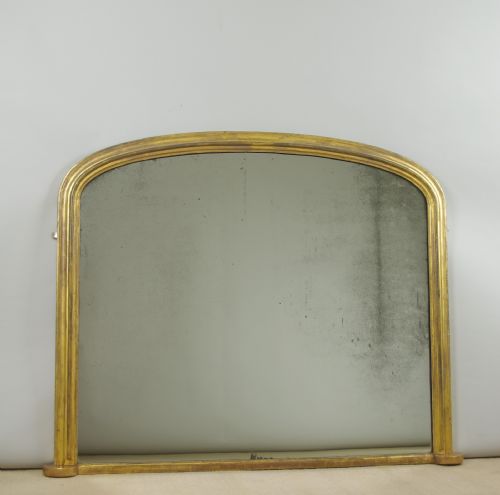
The selections encountered here stretch from the grand Victorian era through to the early decades of the twentieth century. Examples span various regional idioms, encompassing ornate giltwood Florentine carvings, shaped top English painted frames, and substantial arched Victorian designs.
Makers and craftsmen of the nineteenth and early twentieth centuries produced these items to serve as the visual focal point of domestic interiors. Surviving pieces retain the characteristic proportions required to balance large fireplaces and high ceilings.
Materials and Construction
Carved wood and gesso form the foundational structure for many traditional frames, providing the pliable surface necessary for intricate relief ornamentation. Artisans applied layers of composition moulding or gold leaf directly onto this prepared ground to achieve a brilliant metallic sheen.
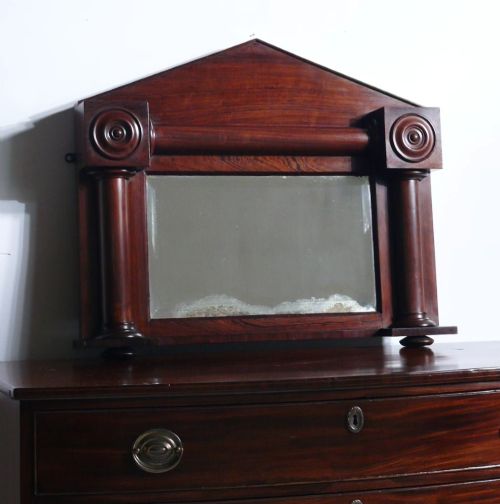
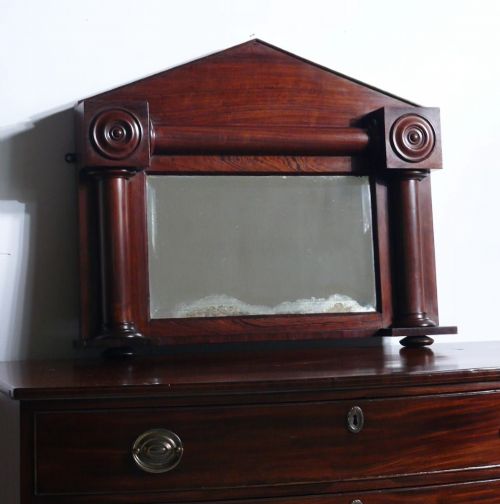
Alternative finishes include painted surfaces, parcel-silvering, and rosewood or mahogany veneers applied over robust timber carcasses. Heavy mirror glass is secured within the rebate, often backed by older pine boarding that reveals the passage of time.
Vintage Overmantle Mirror Retail Price Guide 2026
Typical asking prices for vintage overmantle mirror among the pieces listed under this phrase on Sellingantiques today, from the lower quarter to the upper quarter. They describe what is for sale here now, not the wider market.
Some frames still possess the faint ghost of nineteenth-century coal smoke lodged deep within their elaborate gilt scrolls.
Assessing Quality and Execution
The depth and crispness of the carved ornamentation distinguish superior examples from simpler production. Carved wood and gesso retain sharper definition in the acanthus leaves and scrolling motifs when modelled by skilled hands rather than cast quickly in composition.
The integrity of the original mercury or silvered mirror glass contributes significantly to the character of the piece. Uniformity in the gilding, the retention of original backing boards, and the harmonious balance of the architectural proportions separate distinguished room focal points from standard alternatives.
The Vintage Overmantle Mirror Glossary
- Overmantle
- A mirror specifically designed to hang above a mantelpiece or fireplace. This form dominates the architectural mirrors found in traditional reception rooms.
- Gesso
- A plaster mixture applied to wood frames to create a smooth surface for gilding or painting. It accepts deep relief carving and moulding with high definition.
- Giltwood
- Timber that has been coated with gold leaf or metal leaf. This finish provides the bright reflective quality seen on formal nineteenth-century frames.
- Archtop
- A mirror frame featuring an arched or curved upper edge. This shape softens the vertical lines of tall chimney breasts.
- Florentine
- A decorative style originating in Italy characterised by ornate pierced scrollwork and rich gilding. These frames offer exceptional visual density.
Vintage Overmantle Mirror: Frequently Asked Questions
How do I hang a heavy overmantle mirror safely?
These substantial frames require heavy-duty fixings anchored directly into the masonry or studs of the chimney breast. Professional installation is strongly advised due to the combined weight of the timber, gesso, and thick glass.
Ensure the weight distribution is supported evenly across multiple load-bearing points rather than relying on a single central hook. The frame must sit flush against the wall to prevent forward tipping.
What periods do these mirrors represent?
The pieces originate primarily from the nineteenth century through to the nineteen-thirties, encompassing Victorian, Edwardian, and later vintage revivals. Victorian examples frequently feature large arched tops and heavy gesso ornamentation.
Later twentieth-century iterations introduce peach-coloured glass and simpler painted surfaces while maintaining the traditional grand scale. Each era brings distinct stylistic nuances to the basic chimney breast format.
Where should an overmantle mirror be placed?
Traditionally positioned directly above a fireplace, these mirrors work equally well mounted over low sideboards or console tables in grand hallways. Their primary function remains the reflection of natural light and the amplification of room volume.
Consider the sightlines from seating areas to ensure the glass reflects an attractive view or a well-lit corner of the interior.
How do I clean the glass and frame?
Dust the carved gesso and giltwood gently with a soft, dry brush to prevent accumulation in the recesses. Avoid harsh chemical cleaners that might strip delicate gold leaf or vintage patination.
Use a minimal amount of glass cleaner applied to a cloth rather than directly onto the mirror surface, protecting older silvering from moisture seepage at the edges.