




Distressed White Mirror
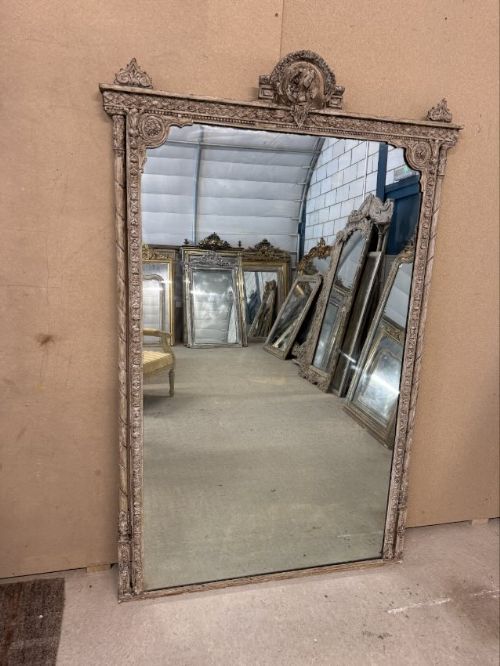
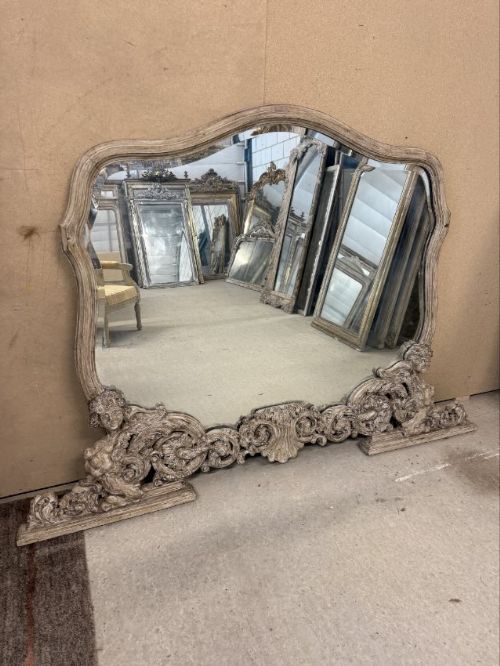
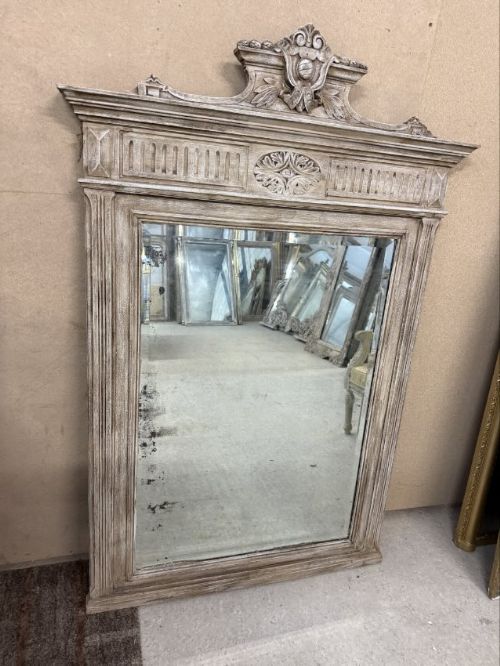
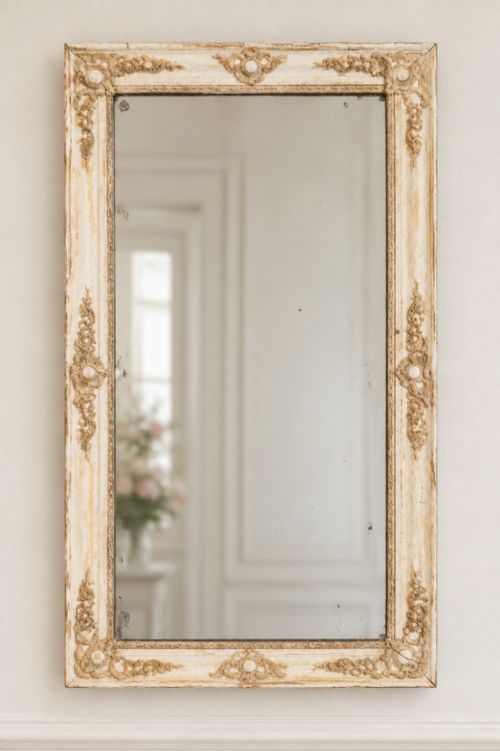
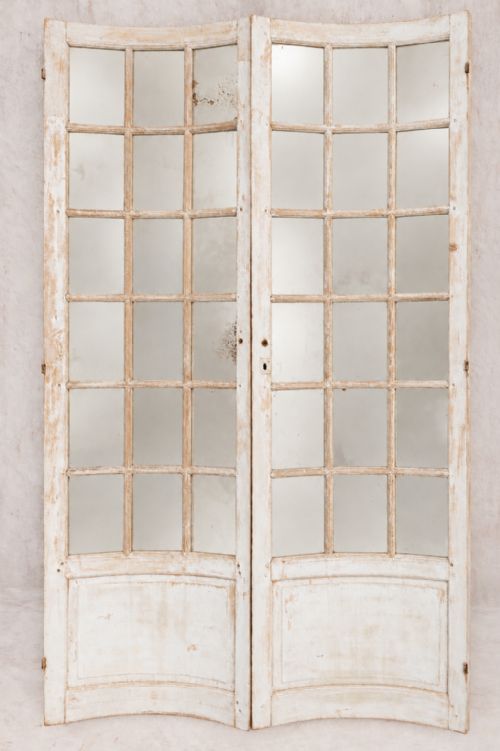
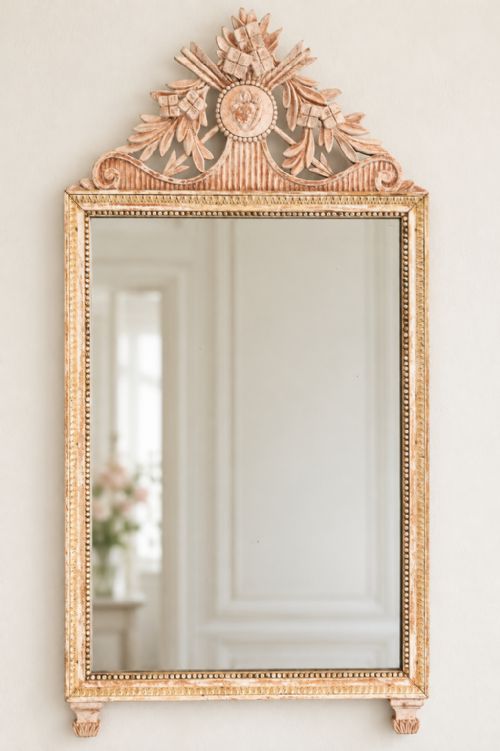
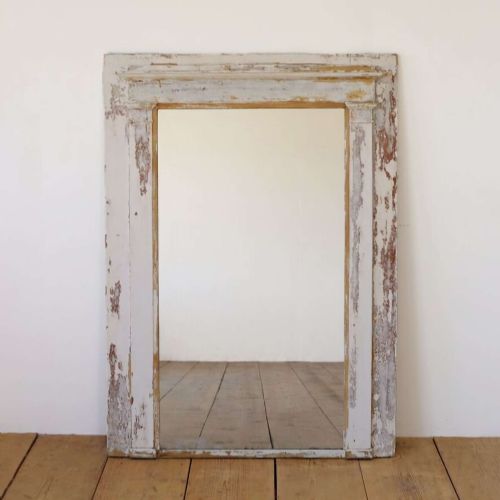
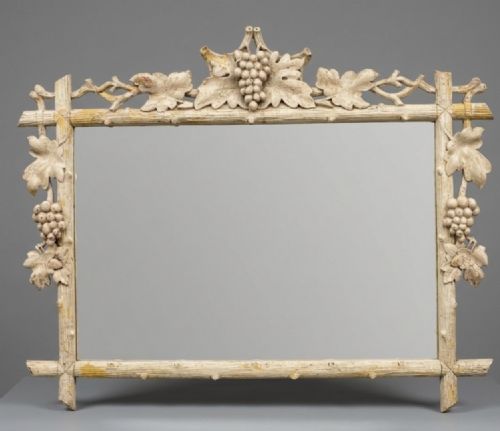
When you search for a distressed white mirror, you are looking at substantial antique wall and overmantel looking glasses shaped by decades of wear.

Distressed White Mirror
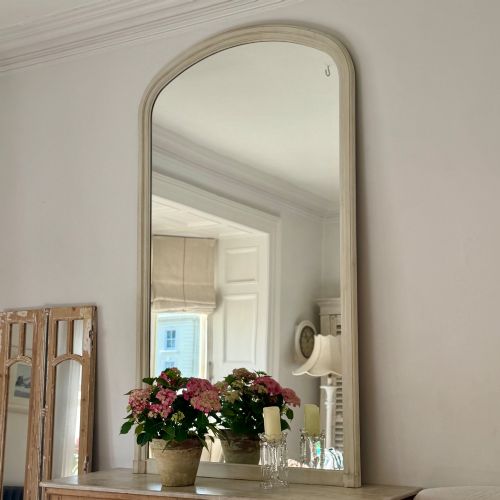
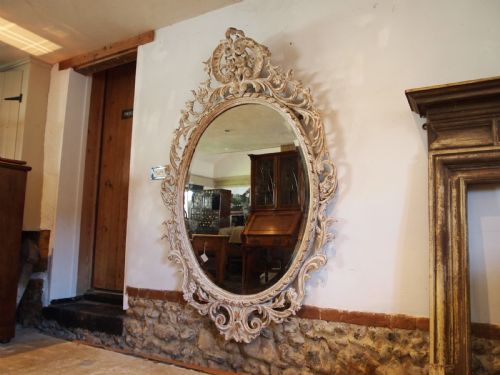
A distressed white mirror brings together antique wall and overmantel forms from French and English traditions, spanning the eighteenth century through to the early twentieth century. These looking glasses frequently appear as large architectural pieces designed to hang above mantelpieces or anchor a room as statement wall hangings.
The selection on this page leans heavily toward nineteenth-century examples, including French chateau and provincial styles alongside English overmantles. Formats range from arched and shaped tops to rectangular frames, often incorporating carved wood and gesso under weathered white or cream paint layers.
How they were made
Craftsmen shaped these frames from carved wood, applying layers of gesso to build up intricate relief details before painting the surfaces. Gold leafing was frequently applied beneath or alongside the white paint, allowing traces of gilt to emerge through the aged finish.
Mirror glass was set into these substantial wooden frames, with many pieces retaining original plates that show natural oxidation and foxing over time. The combination of carved wood, gesso, and layered paint created durable structures designed to anchor formal interiors.
Distressed White Mirror Retail Price Guide 2026
Typical asking prices for distressed white mirror among the pieces listed under this phrase on Sellingantiques today, from the lower quarter to the upper quarter. They describe what is for sale here now, not the wider market.
Object forms recorded here include wall mirrors, overmantels, dressing mirrors, and trumeaux, with painted wood and gold leaf serving as primary finishes.
What varies in quality
Depth and precision of the wood carving set finer examples apart from simpler productions, particularly in the crispness of foliate scrolls and architectural mouldings. The integrity of the underlying gesso layers also dictates the refinement of the frame's relief work.
The character of the surface finish plays a central role, distinguishing pieces with original layered paintwork from later surface treatments. Original glass plates that retain their depth and historical blemishes add distinct weight to an antique looking glass.
The Distressed White Mirror Glossary
- Gesso
- A plaster-like mixture applied to wood frames to create a smooth surface for carving and painting. It allows intricate decorative details to be moulded onto the timber before finishing.
- Overmantel
- A large mirror specifically proportioned to hang directly above a fireplace mantel. These pieces often feature architectural framing designed to draw the eye upward in a principal room.
- Trumeau
- A decorative wall mirror incorporating a painted panel or artwork within the upper section of the frame. Originating in French interiors, these tall glasses integrate architectural wall panelling.
- Louis Philippe
- A mid-nineteenth century French style characterised by simple, elegant arched tops and restrained classical moulding. These mirrors balance decorative presence with clean architectural lines.
- Marginal mirror
- A looking glass design featuring a central plate surrounded by smaller, bevelled mirror panels held within the border. This technique adds depth and complexity to the reflected light.
Distressed White Mirror: Frequently Asked Questions
How do I hang a heavy overmantel mirror safely?
Substantial antique overmantels require secure wall fixings anchored directly into masonry or heavy wall studs to support their considerable weight. Professional installation is strongly recommended for large framed glasses.
Position the mirror at a height that reflects natural light from windows, enhancing the sense of space within the room while ensuring the hanging wire or brackets bear the load evenly.
How do I clean an antique white painted frame?
Dust the carved wooden and gesso surfaces gently with a soft, dry brush to prevent dirt accumulation in the recessed details of the distressed paint. Avoid harsh chemical cleaners that might strip the historic finish.
Use a mild, damp cloth only where necessary, taking care not to let moisture seep into vulnerable areas of the gesso or exposed wooden substrate.
Are these mirrors fitted with original glass?
Many nineteenth-century examples retain their original mirror plates, which often display characteristic foxing, minor dark spots, and gentle surface distortion. These natural signs of age confirm the glass has witnessed generations of history.
Replacement plates do appear on the market, usually chosen to restore clarity while keeping the historic carved frame intact.
How do I distinguish French styles from English ones?
French mirrors from this selection frequently showcase Rococo Revival curves, arched Louis Philippe tops, and chateau or provincial details executed in carved wood and gesso. Their painted finishes often layer white over cream and gilt.
English overmantels tend toward robust architectural formats, including column frames and structured rectangular or arched top profiles designed for nineteenth-century domestic hearths.