




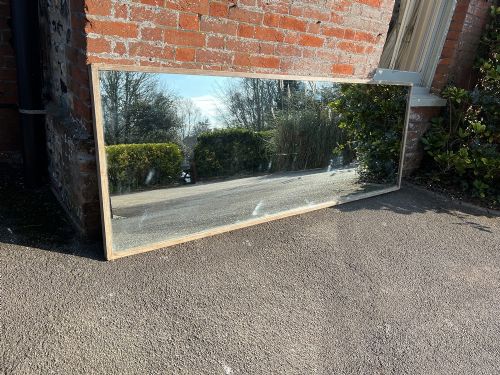
Painted Timber Mirror
These painted timber mirror pieces bring character and reflective light to a room through period craftsmanship.
Painted Timber Mirror
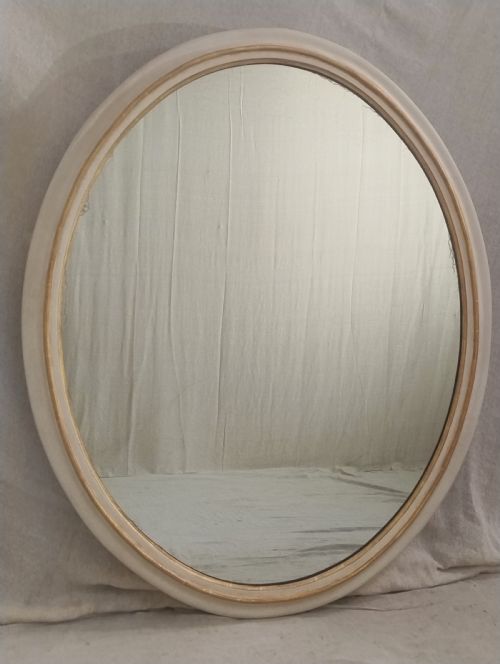
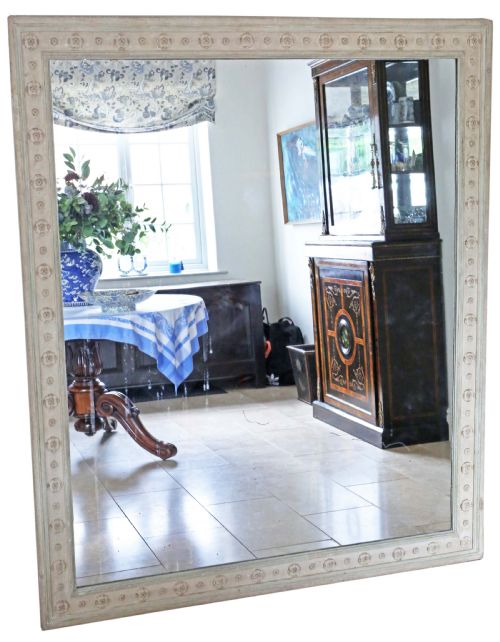
A painted timber mirror is a wall-mounted or overmantel looking glass set within a decorated wooden frame, spanning periods from the mid-nineteenth century into the early twentieth century. These furnishings range from simple domestic dressing glass to large architectural overmantels designed to anchor a room.
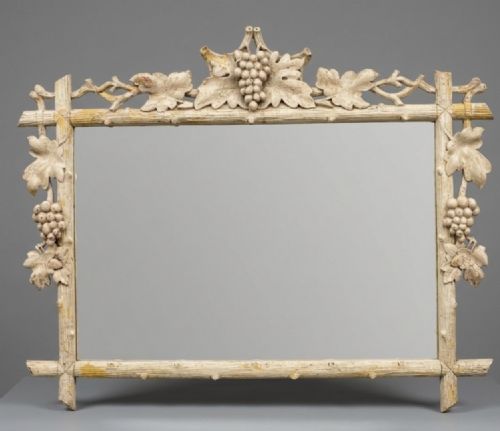
The most common examples encountered here are French provincial and English nineteenth century wall mirrors featuring carved wood frames. Pieces span regional styles including French chateau, Victorian rustic, and fairground art, often displaying substantial scale and shaped tops.
Materials and construction
Frames are built from carved wood or timber, frequently enhanced with applied gesso to build up decorative moulding and surface detail. Artisans then applied paint finishes, sometimes incorporating parcel gilt or gold leaf highlights to accentuate the carved elements.
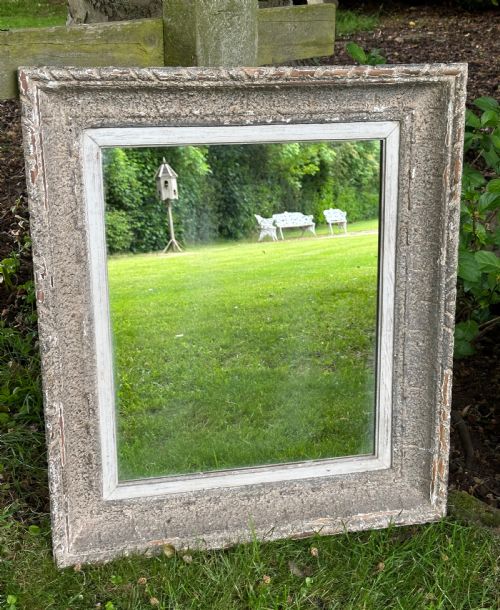
The mirrored glass is set within these heavy timber structures, which rely on traditional joinery to support the substantial weight of large wall and overmantel plates. Distressed surfaces and weathered paint layers reflect decades of domestic or commercial use.
Painted Timber Mirror Retail Price Guide 2026
Typical asking prices for painted timber mirror among the pieces listed under this phrase on Sellingantiques today, from the lower quarter to the upper quarter. They describe what is for sale here now, not the wider market.
Distinctions in craftsmanship
Quality rests in the depth and execution of the carved timber work, where crisp foliage and architectural mouldings indicate superior artisan skill. The integration of gesso ornamentation provides a finer canvas for the painted finish than plain timber alone.
Proportion and scale dictate the visual impact of each piece, with exceptional items maintaining balanced frames across large formats such as overmantels. The integrity of the original paint layer and the character of the glass plate further separate standard domestic items from more ambitious decorative works.
The Painted Timber Mirror Glossary
- Overmantel mirror
- A large mirror specifically proportioned to hang above a fireplace mantelpiece. These pieces often feature architectural framing designed to draw the eye upward in a principal room.
- Gesso
- A plaster-like material applied to wooden frames as a smooth base for paint or gilding. It allows craftsmen to sculpt sharp relief details before finishing.
- Parcel gilt
- A decorative technique where selected areas of a frame are partially covered in gold leaf. This contrasts sharply with the surrounding painted timber surface.
- Fairground art
- Painted boards and decorative elements produced for amusement parks and attractions. These items use bold pigments and robust timber construction.
Painted Timber Mirror: Frequently Asked Questions
Where should I hang an overmantel mirror?
These large mirrors are traditionally positioned directly above a fireplace mantelpiece to reflect light and anchor the hearth within the room.
Their substantial proportions also suit placement along principal walls in high-ceilinged reception spaces where they can expand the visual sense of depth.
How do I care for painted wooden frames?
Dust the carved timber and gesso surfaces regularly with a soft, dry cloth to prevent particulate buildup in the recessed mouldings.
Avoid liquid cleaners and damp cloths, which can damage aged paint layers and delicate parcel gilt highlights.
Are these mirrors heavy to hang?
Many nineteenth century wall and overmantel mirrors possess considerable weight due to their dense timber construction and thick glass plates.
Secure installation requires professional wall fixings and mounting directly into structural studs or masonry rather than standard drywall anchors.
What defines a French provincial style?
French provincial pieces reflect regional craftsmanship from rural France, combining practical domestic utility with softer, organic carved motifs.
These designs often feature distressed painted surfaces and arched or shaped tops that offer a less formal appearance than Parisian neoclassical work.