


Beaded Frame Wall Mirror
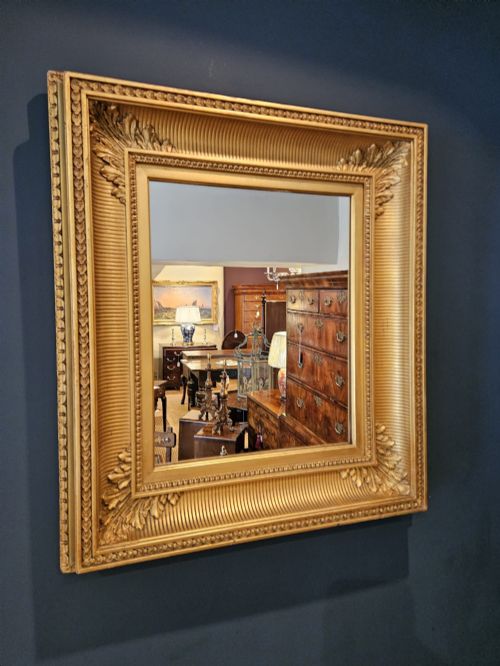
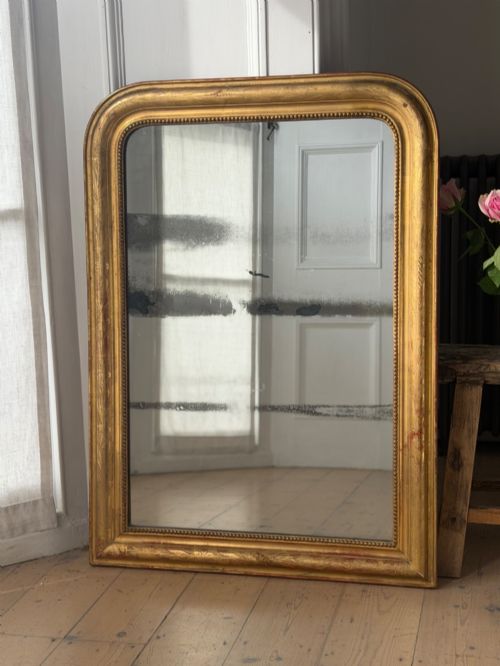
A beaded frame wall mirror brings subtle texture and reflected light into a room, offering the structured elegance that collectors seek in antique mirrors.
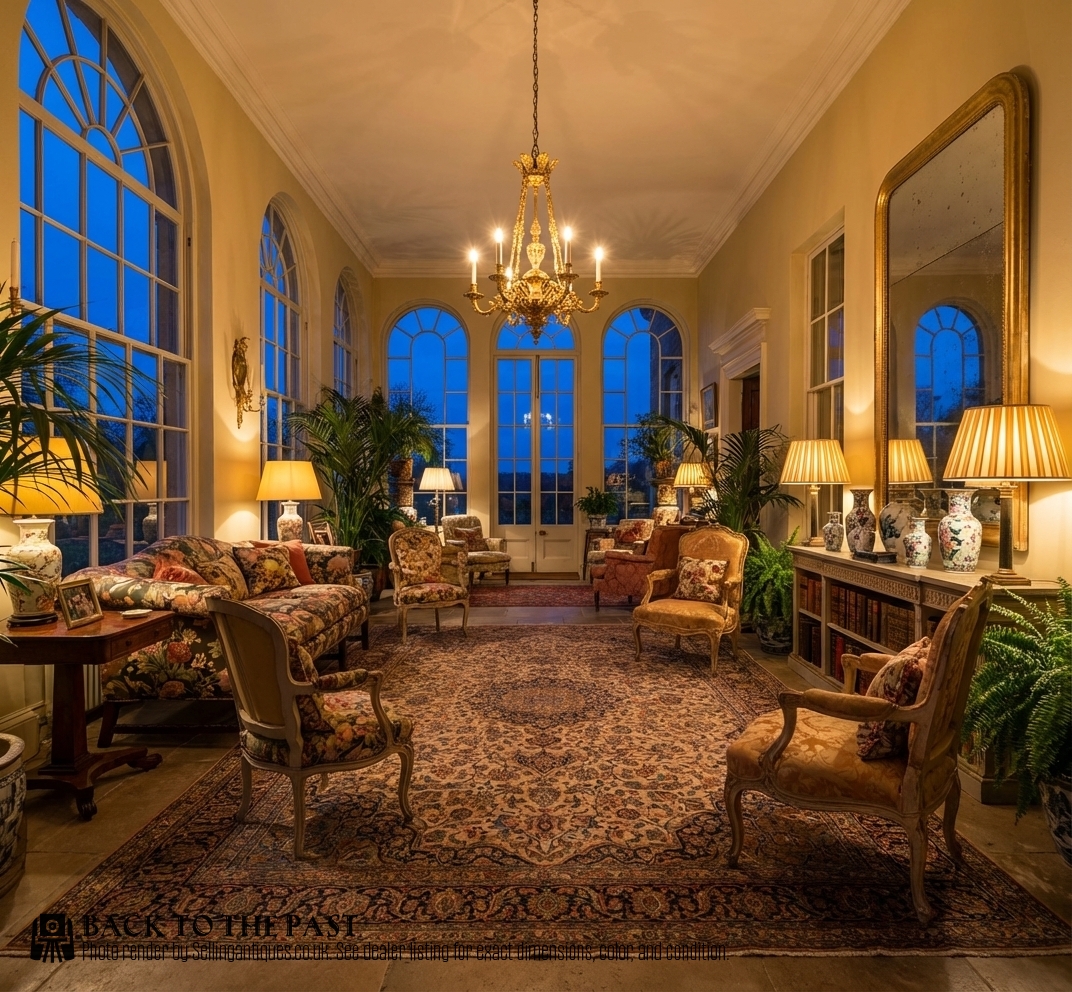
What these pieces are
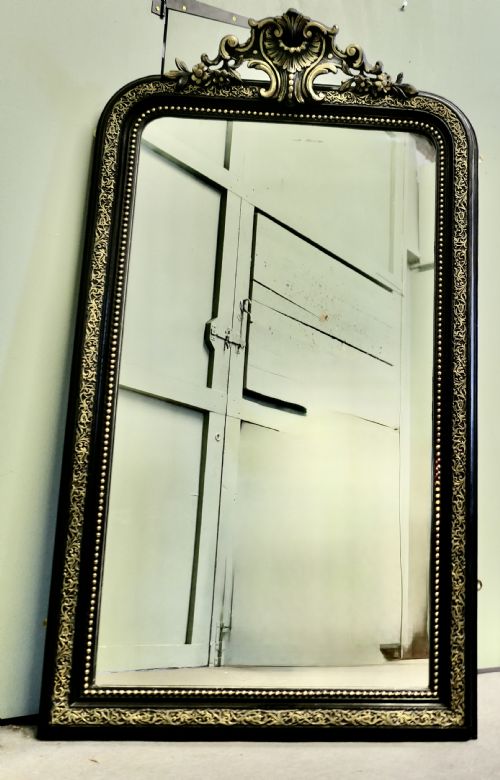
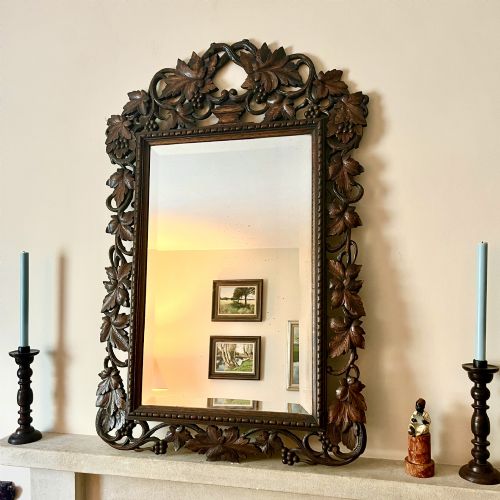
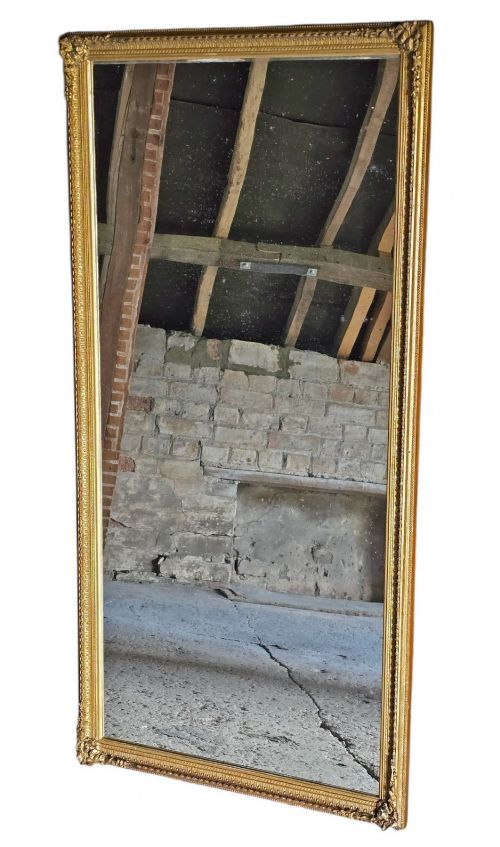
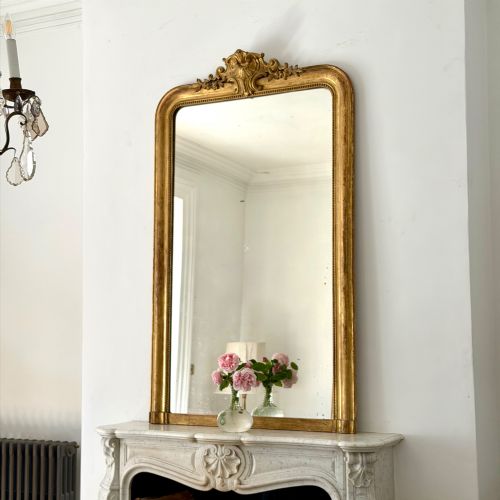
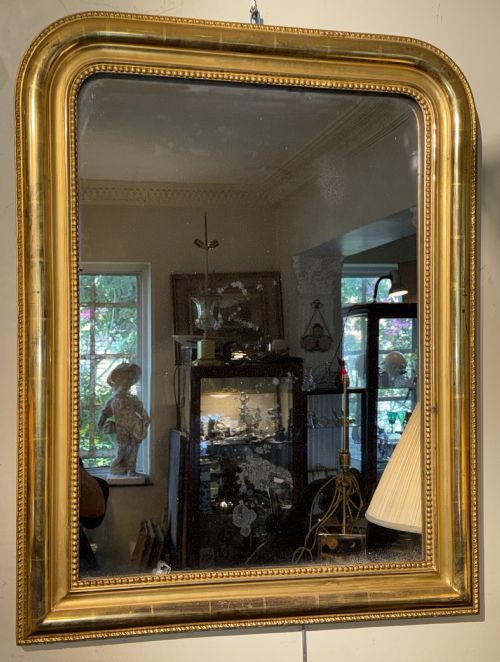
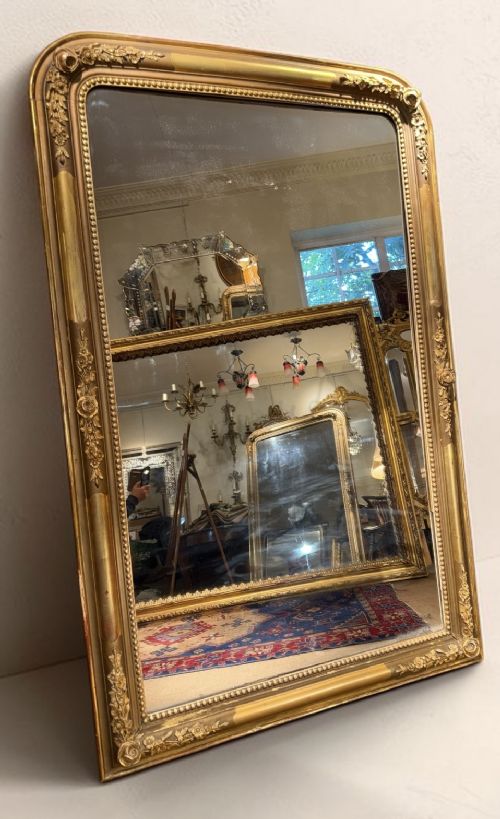
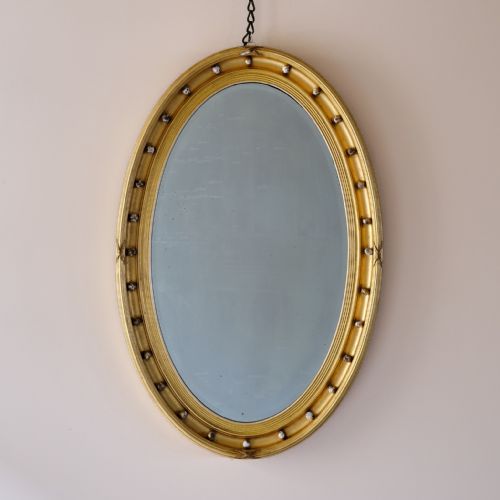
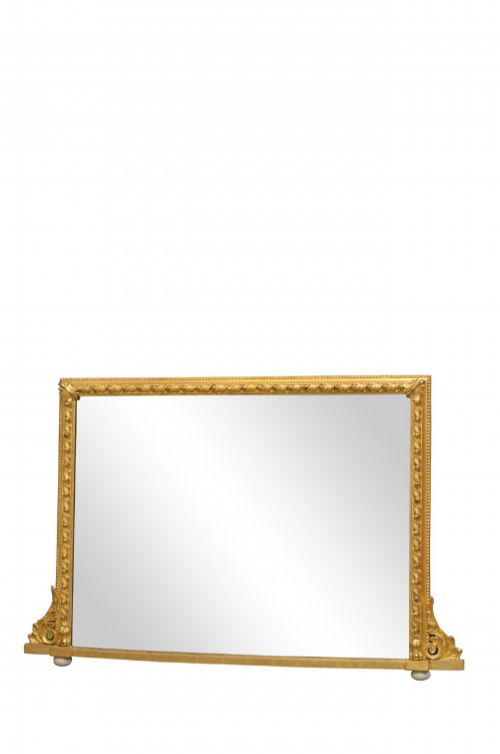
When you search for a beaded frame wall mirror, you encounter pieces originating from the nineteenth century, including Victorian examples and specific French periods such as Napoleon III, Louis Philippe, and Louis XVI. These wall mirrors appear in varied formats, from tall pier mirrors and crested designs to large arched top variations and early nineteenth-century gilt oval mirrors.
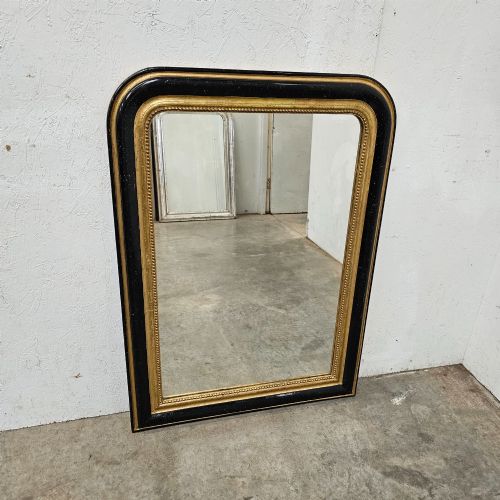
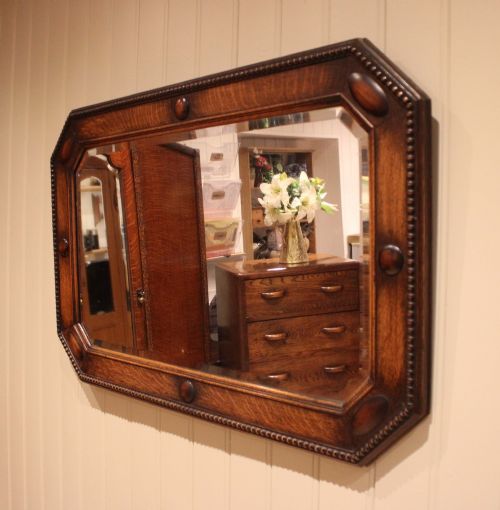
The evidence shows that these mirrors take diverse structural forms, including octagonal frames alongside traditional upright formats. Oak and ebonised wood underpin some variants, while others rely on carved wood and gesso frameworks designed to hang securely upon interior walls.
French nineteenth-century and British Victorian workshops produced the majority of these pieces. Buyers frequently meet giltwood and painted finishes among current listings, while archival examples demonstrate simpler oak constructions with bevelled edges.
How they were made
Maker construction combines timber substrates such as oak or alternative woods with applied gesso to form relief decoration and the characteristic beaded detailing. Craftsmen shaped these wooden foundations before applying surface treatments.
Gilding techniques utilised gold leaf and silver leaf applied over prepared grounds, while other pieces received black paint or ebonised finishes. Glass plates were fitted into these frames, sometimes paired with carved wooden crests and arched top profiles.
Retail Price Guide 2026
Typical UK retail prices for beaded frame wall mirror, calculated from the Sellingantiques database of over a million retail prices indexed since 2003. This retail price guide relies exclusively on Sellingantiques data; no external sources or auction records are used, so the figures do not describe the wider market.
Some nineteenth-century makers took the time to individually sculpt every single bead on a frame by hand, ensuring no two spheres matched.
What varies in quality
Quality reveals itself in the crispness of the carved wood and gesso work, where sharper detailing on beads and crests marks out superior workmanship. The depth and handling of the gilding, whether gold leaf or silver leaf, also distinguishes finer examples from simpler painted or ebonised versions.
The integrity of the frame construction and the preservation of original glass plates determine the overall standard of a piece. Finer mirrors maintain balanced proportions and harmonious integration between the frame style, such as Napoleon III or Regency, and the decorative beaded borders.
The Beaded Frame Wall Mirror Glossary
- Gesso
- A plaster-like material applied to wood frames to create a smooth surface for gilding or painting. It allows craftsmen to mould intricate details like beaded borders.
- Giltwood
- Timber coated with gold leaf or gold paint to give a luxurious metallic finish. This material defines many nineteenth-century French and English frames.
- Pier mirror
- A tall wall mirror traditionally hung on the narrow wall space between windows. These pieces often feature grand proportions and elaborate crests.
- Ebonised wood
- Timber treated to imitate ebony, providing a dark and polished appearance. This finish is frequently seen on Napoleon III examples.
- Bevelled edge
- Glass cut with an angled slope around the perimeter to catch light. It adds depth and a finished aesthetic to the mirror plate.
Frequently Asked Questions
How do I hang a heavy antique mirror?
These large wall mirrors require secure fixings anchored directly into wall studs or masonry using heavy-duty brackets suited to the weight of the timber and gesso frame.
Ensure the hanging wire or D-rings on the back match the load capacity to protect the original structure.
Where should I place a wall mirror?
Position the piece opposite a window to maximise natural light and create a sense of expanded space within the room.
Keep them away from direct moisture sources to preserve the giltwood, paint, and original glass plates.
How do I date a beaded mirror?
Examine the materials and framing styles, as nineteenth-century examples often combine gesso, carved wood, and specific period motifs like Napoleon III or Louis Philippe.
Archival pieces show distinct construction methods, such as oak frames paired with bevelled edges characteristic of the period.
How do I clean an antique frame?
Dust the beaded frame gently with a soft, dry brush to remove particles without disturbing delicate gesso or leaf finishes.
Avoid liquid cleaners entirely on antique giltwood and painted surfaces to prevent stripping the historic finishes.