


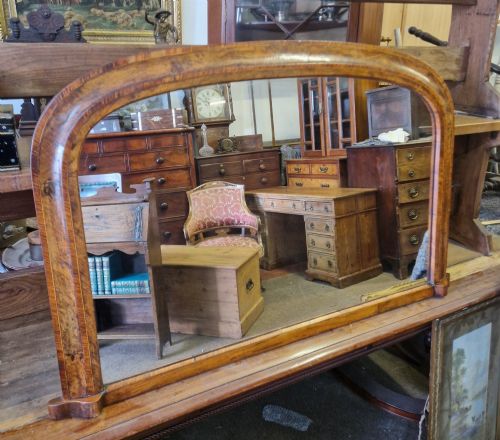
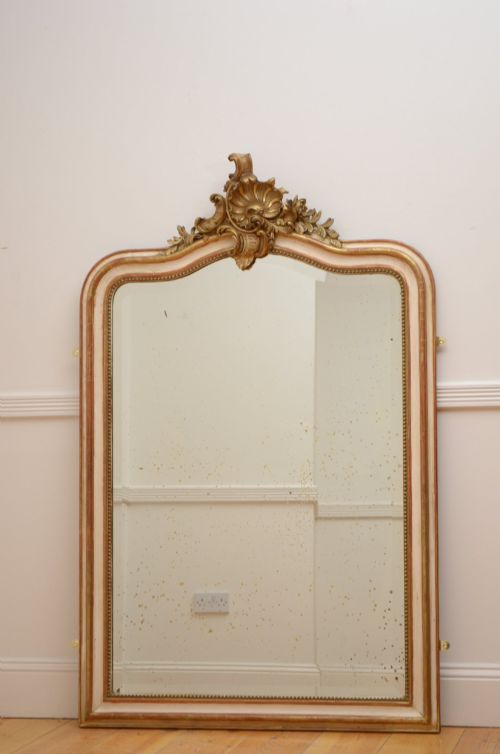
19th Century Mantel Mirror
A 19th century mantel mirror brings historic scale and reflected light directly to a fireplace wall.

What a 19th century mantel mirror is
A 19th century mantel mirror is typically a large horizontal wall glass designed to sit above a fireplace hearth. These pieces anchor room proportions by filling the wide wall space traditionally left empty above a chimney breast.
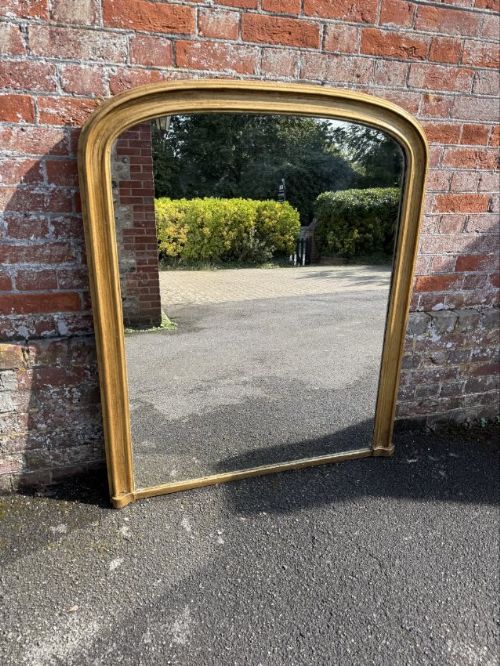
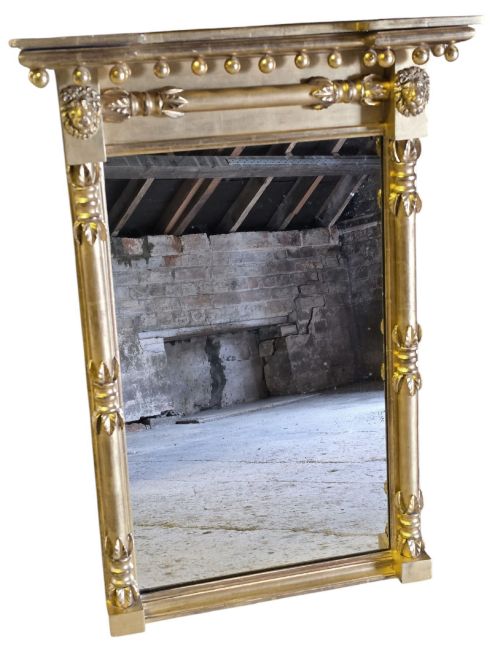
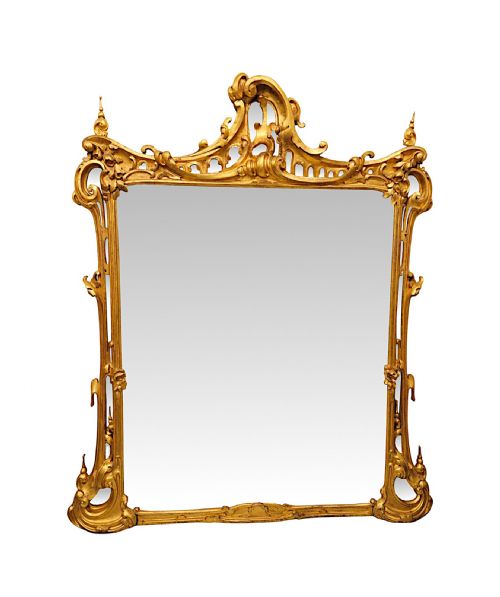
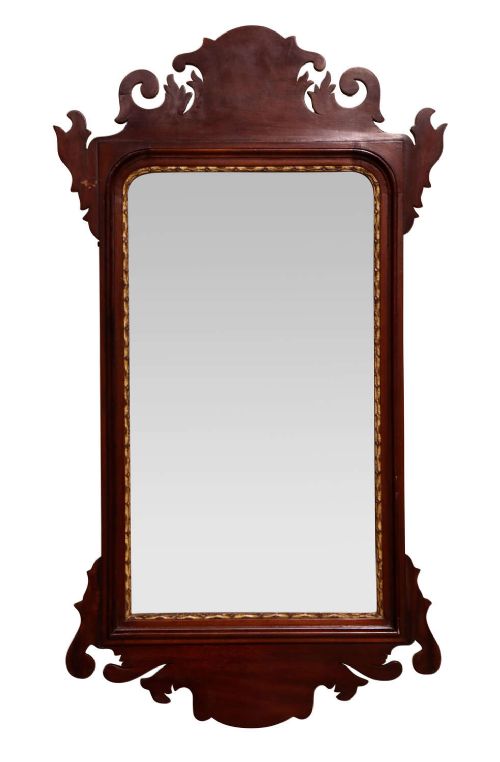
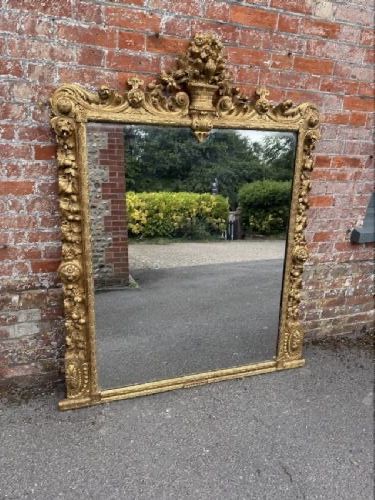
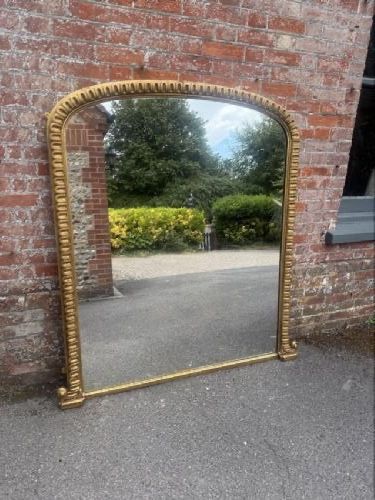
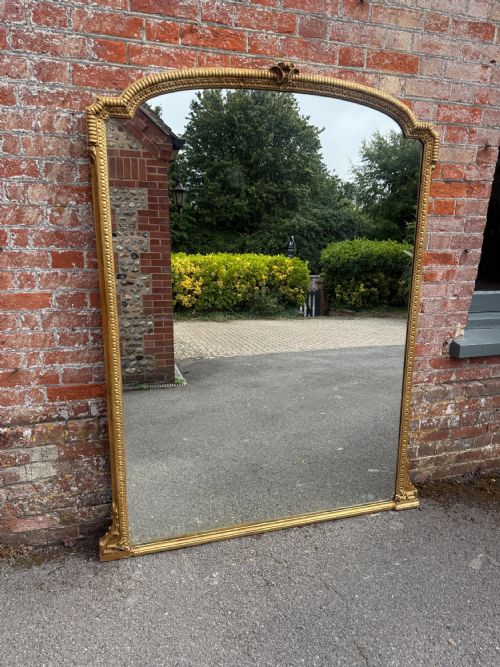
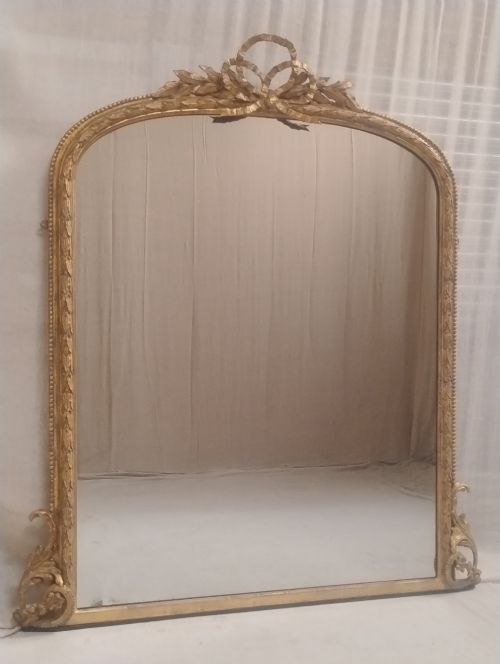
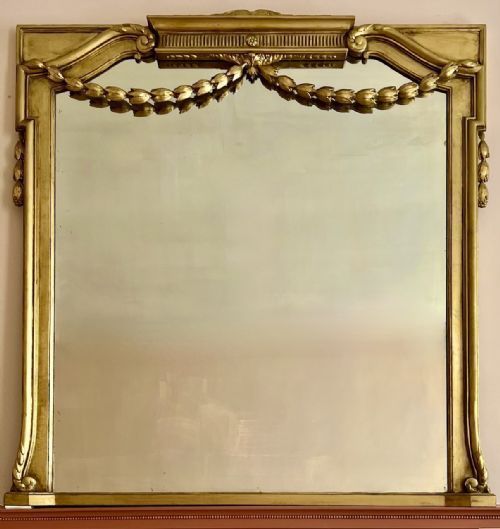
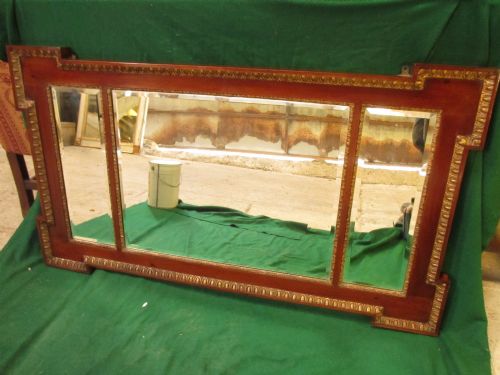
The versions most frequently found here include large arched top overmantels finished in gilt, alongside rectangular painted timber frames and sectional triptych formats. Regional variants span English, French, and Italian workshops across the Regency, Victorian, and Arts and Crafts periods.
Materials and construction
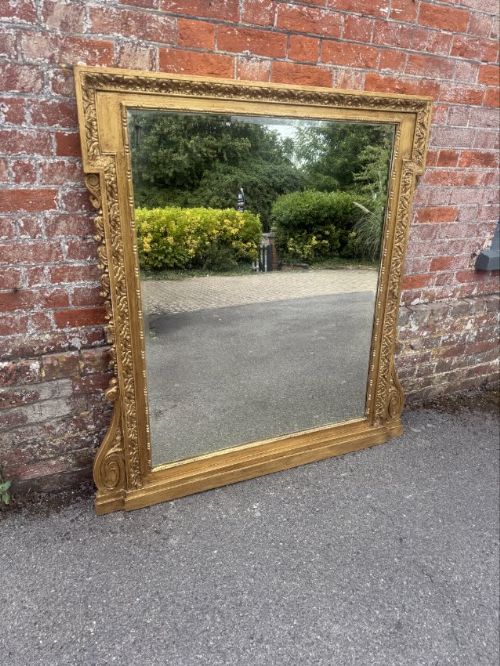
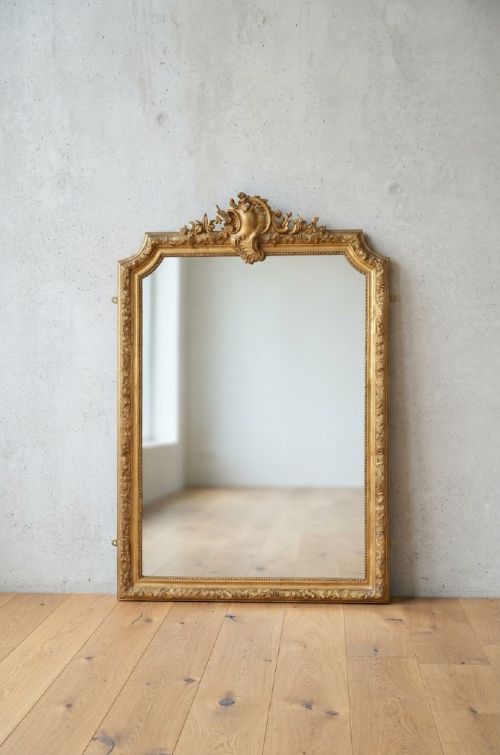
Makers constructed these frames using carved timber, gesso, composition ornament, and occasionally burl wood or mahogany. Giltwood surfaces combine applied gold leaf over prepared chalk grounds on carved wooden bases.
Glazing relies on heavy mirror glass, with archive examples noting mercury glass and sections divided by reeded mouldings. Frames range from simple painted timber structures to deeply carved, ornate giltwood surrounds with floral and architectural motifs.
Retail Price Guide 2026
Typical UK retail prices for 19th century mantel mirror, calculated from the Sellingantiques database of over a million retail prices indexed since 2003. This retail price guide relies exclusively on Sellingantiques data; no external sources or auction records are used, so the figures do not describe the wider market.
Several mirrors retain the subtle foxing spots in their glass that reflect two centuries of domestic life.
Distinctions in quality
Quality rests upon the depth and crispness of the carved detail versus moulded composition ornament applied to plain timber. Hand-carved wooden foliage and balanced proportions separate finer cabinet work from standard decorative framing.
The preservation of original gilding and the clarity of the underlying mirror glass also define the upper tier of pieces. Integrated elements like birds-eye maple veneers and crisp reeded framing distinguish specialised workshop production.
The 19th Century Mantel Mirror Glossary
- Overmantel mirror
- A large wall glass specifically proportioned to hang above a mantelpiece or fireplace. These frames are wider than they are tall.
- Giltwood
- Timber coated with gold leaf applied over a prepared gesso ground. This technique creates a luminous metallic finish characteristic of formal period frames.
- Gesso
- A plaster-like mixture of gypsum and size applied to wood frames to create a smooth surface for gilding or direct moulding. It allows intricate relief decoration.
- Triptych
- A mirror divided into three distinct vertical sections within a single frame. This format was utilised to broaden the reflective surface across wide chimney breasts.
- Mercury glass
- An early form of double-walled glass silvered with a mercury amalgam, creating a characteristic mottled reflective depth. It appears in specific period examples.
Frequently Asked Questions
How do I hang a heavy 19th century mantel mirror?
These large mirrors require secure anchoring directly into structural wall studs or masonry using heavy-duty brackets. Weight distribution must be calculated carefully across the primary frame structure.
Professional installation is recommended due to the substantial combined weight of timber, gesso, and thick glass plates.
How do I clean a period mirror glass?
Use a soft, dry microfibre cloth to gently remove dust from the glass surface and fragile gilt edges. Avoid spraying liquids directly onto the glass, as moisture can seep behind the silvering.
Apply mild cleaning solutions sparingly to the cloth rather than the mirror itself to protect aged frames.
How do I identify Regency versus Victorian mirrors?
Regency pieces often feature restrained architectural lines, reeded columns, and classical motifs reflecting early nineteenth-century neoclassical tastes. Victorian examples tend towards heavier, more ornate carved decoration, floral gesso work, and arched top profiles.
Materials and framing techniques help date individual pieces when stylistic overlaps occur.