


Acanthus Leaf Mirror
An acanthus leaf mirror brings carved classical foliage into a room, most often seen on gilded wooden frames from the eighteenth and nineteenth centuries.
Acanthus Leaf Mirror
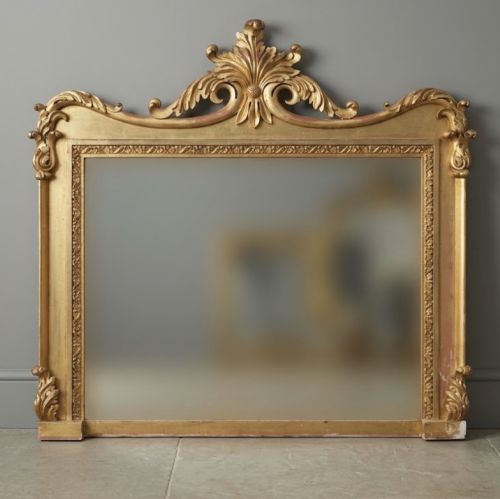
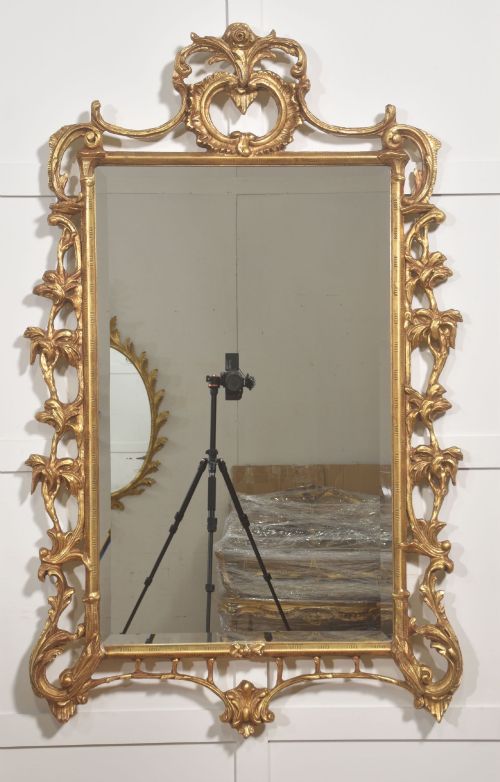
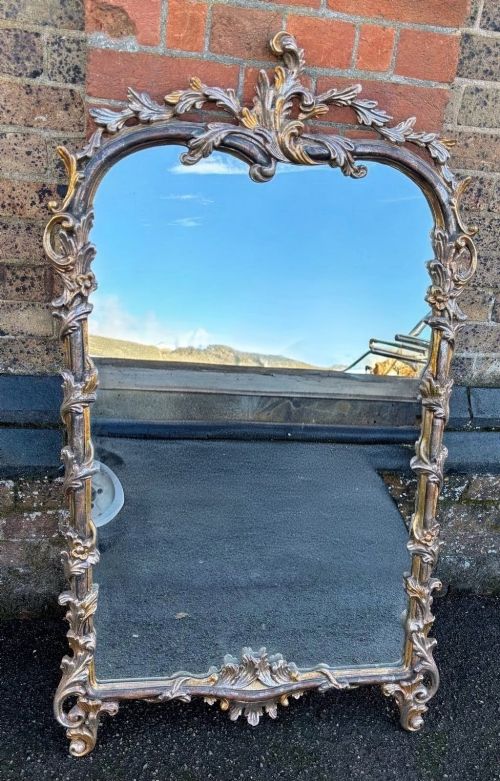
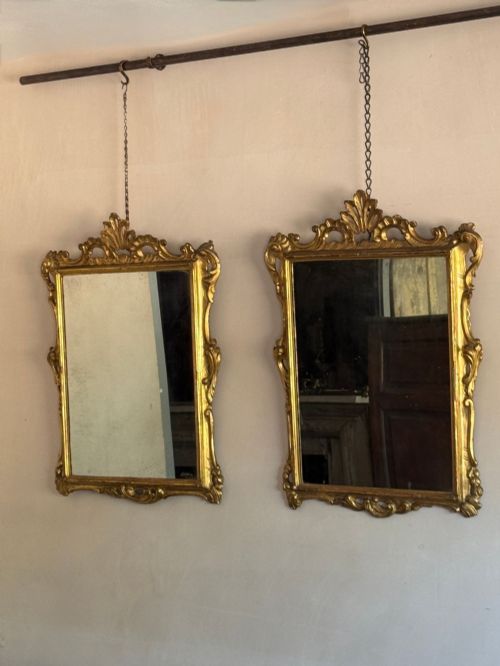
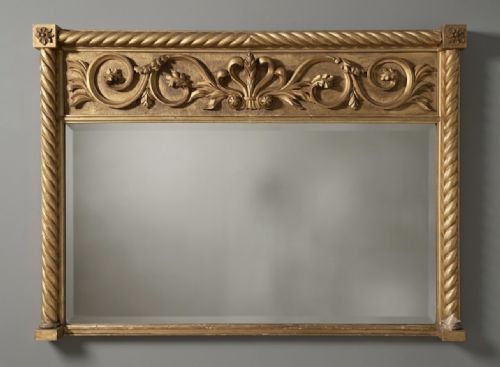
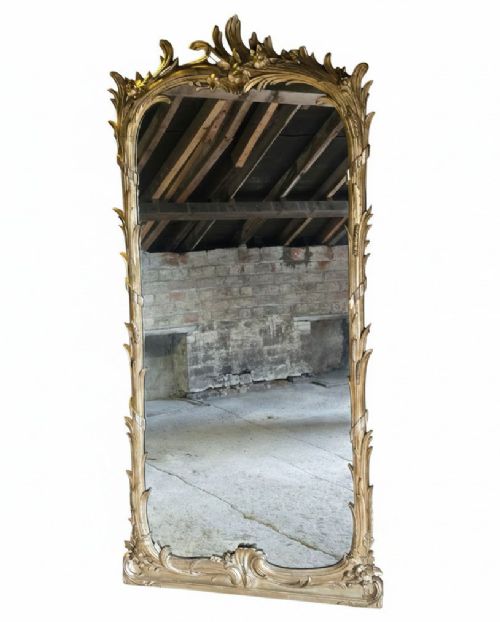
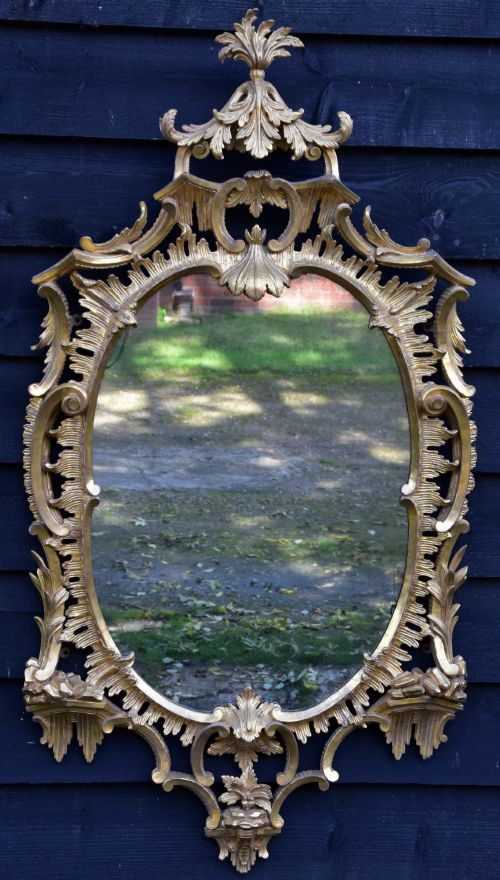
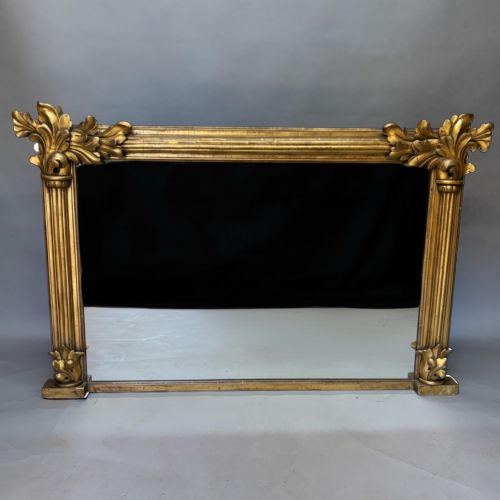
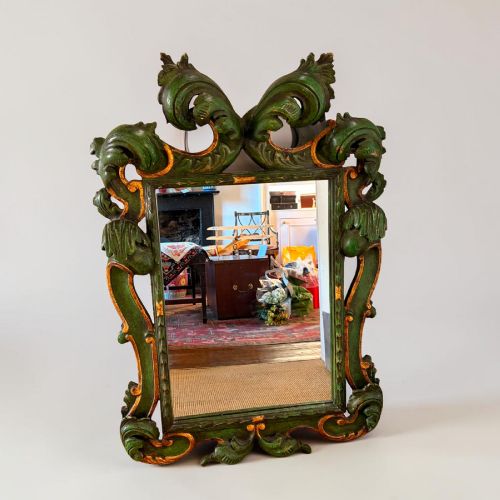
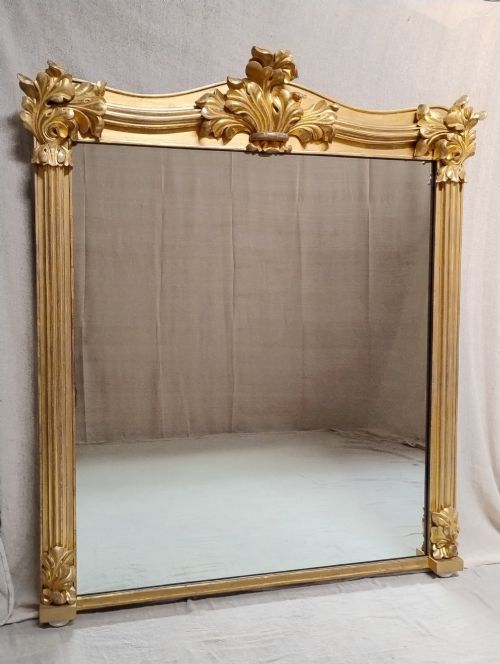
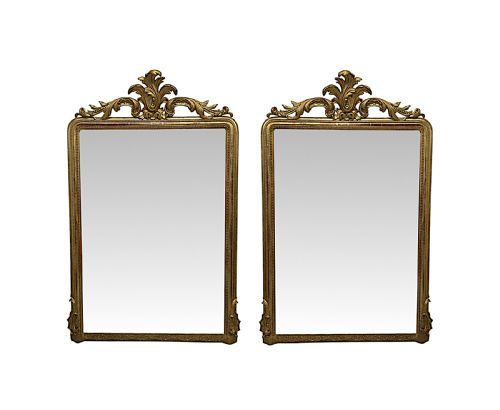
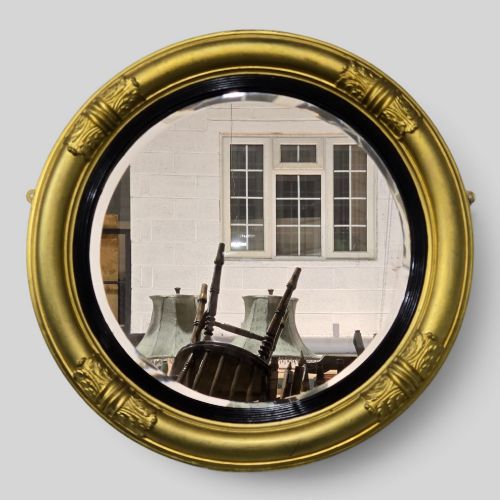
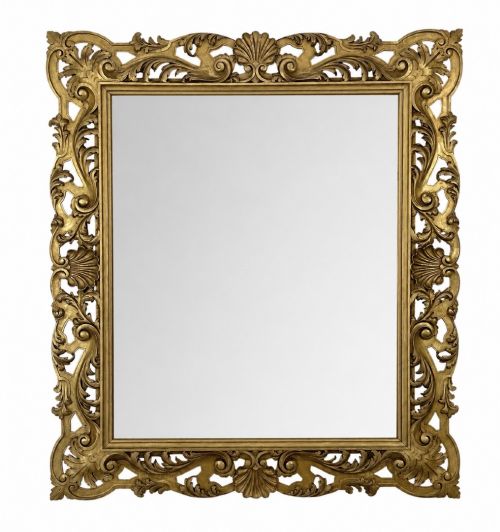
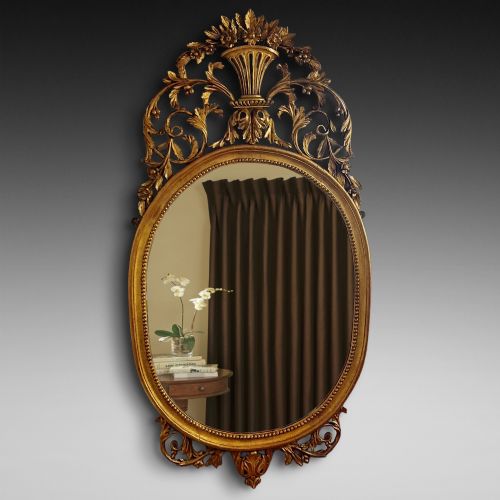
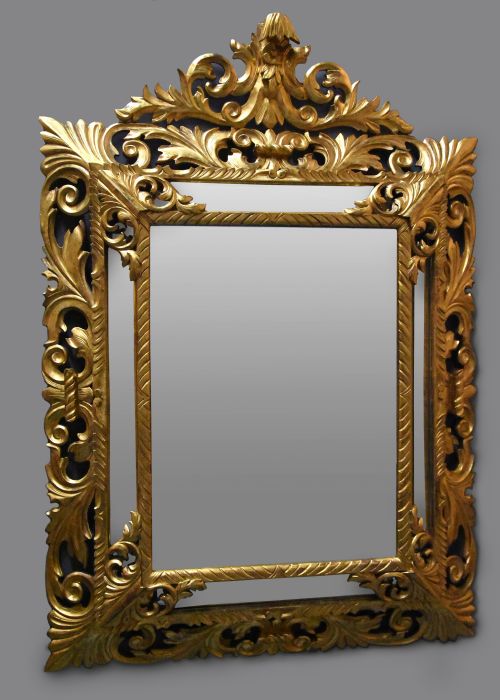
An acanthus leaf mirror takes many forms across the inventory, ranging from large nineteenth century overmantels and architectural pier mirrors to smaller oval wall fixtures. The most frequent iteration on this page is the nineteenth century giltwood wall glass, heavily decorated with carved scrollwork and foliage in the Rococo or Florentine taste.
Buyers encounter regional variations spanning English Regency and Georgian designs alongside Italian Florentine and French styles. These pieces function primarily as decorative focal points above mantelpieces or within formal reception rooms, reflecting light while displaying elaborate wooden carving.
The construction typically involves carved timber frames finished with reflective glass plates, sometimes retaining their original mercury-backed or early float mirror plates. Dating stretches from eighteenth century Georgian origins through Victorian revivals and late nineteenth century Continental interpretations.
How they were made
Makers shaped these frames from woods such as limewood, oak or pine, employing hand-carving techniques to define the deep curls of the foliage. Carvers worked directly into the timber or built up relief details using gesso and composition material applied over a wooden base.
Surfaces received layers of gold leaf or silver leaf, occasionally combined with paint or parcel gilt treatments to catch the light. Gilding methods involved laying thin metal leaf over bole, which allowed artisans to burnish specific areas to a bright metallic shine while leaving recessed channels matte.
Acanthus Leaf Mirror Retail Price Guide 2026
Typical asking prices for acanthus leaf mirror among the pieces listed under this phrase on Sellingantiques today, from the lower quarter to the upper quarter. They describe what is for sale here now, not the wider market.
One determined carver evidently viewed foliage as a competitive sport, packing enough overlapping fronds onto a single frame to swallow the glass entirely.
What varies in quality
The depth and crispness of the wood carving separate standard decorative frames from superior examples. Master carvers undercut the acanthus leaves to create genuine three-dimensional shadow and movement, whereas lesser pieces rely on heavy composition moulding that lacks organic variation.
The integrity of the original gilt surface and the character of the mirror plate dictate the standing of a piece. Original fire-gilt or gold leaf surfaces show subtle tonal ageing rather than flat repainting, and period glass often retains gentle distortion and foxing that indicate age.
The Acanthus Leaf Mirror Glossary
- Giltwood
- Wood that has been coated with gold leaf or gold paint. This finish defines the majority of classical decorative mirrors.
- Gesso
- A plaster-like mixture applied to wooden frames to provide a smooth surface for gilding. Carvers also modelled low-relief details directly into this compound.
- Overmantel mirror
- A wide mirror designed specifically to hang above a fireplace mantel. These large formats often feature triptych glass or architectural columns.
- Pier mirror
- A tall, narrow mirror made to hang on the wall space between two windows. They frequently incorporate lower consoles or matching shelf brackets.
- Rococo
- An ornate design style characterised by asymmetrical scrolls, shell motifs and naturalistic plant forms. Acanthus foliage forms a central element of this aesthetic.
Acanthus Leaf Mirror: Frequently Asked Questions
How do I date an antique mirror?
Dating relies on examining the construction of the wooden frame, the backing boards, and the characteristics of the glass plate itself. Older pieces exhibit hand-beveled edges, tool marks from timber preparation, and traditional joinery methods unique to Georgian or Victorian workshops.
Secondary indicators include the formulation of the gilding and the presence of historical hardware or paper labels on the reverse. Comparing the stylistic motifs, such as specific interpretations of acanthus scrolls, against known period patterns helps narrow the decade of manufacture.
Where should I hang an overmantel mirror?
An overmantel mirror traditionally anchors the space directly above a fireplace opening, creating a visual vertical axis in the room. Ensuring secure wall fixings is essential due to the substantial weight of carved timber and glass.
Positioning the glass to reflect a window or architectural feature maximises natural light diffusion across the interior. The lower edge typically sits a few inches above the mantel shelf depending on ceiling height.
What is Florentine style carving?
Florentine mirrors originate from artisan traditions in Italy, featuring dense networks of carved leaves, scrolls, and pierced wooden openwork. These frames are frequently finished in bright gold leaf and showcase intense textural relief.
Unlike restrained English Georgian designs, Florentine pieces embrace exuberant surface decoration that emphasises the naturalistic flow of foliage. Cushion frames and deep profile mouldings are common characteristics of this regional group.
How do I clean a gilded frame?
Cleaning requires extreme caution to avoid disturbing fragile gold leaf or historical gesso layers. Dusting should be performed gently using a soft, dry artist brush rather than cloths that might catch on carved details.
Moisture and modern chemical cleaners must be avoided entirely, as they strip water-gilt surfaces and dissolve historical finishes. Professional conservation assessment is recommended for frames showing active flaking or structural instability.