
Vintage Carved Mirror
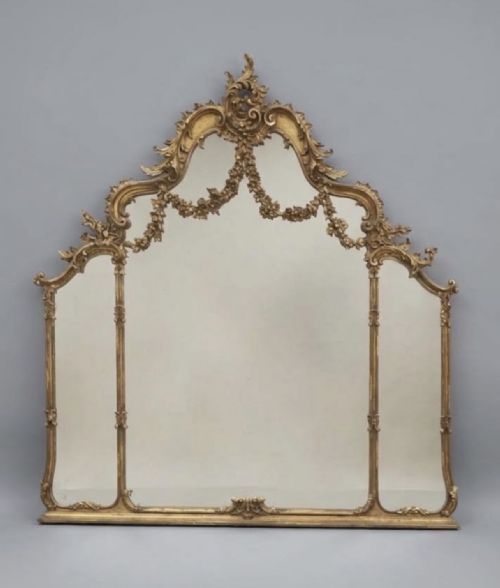
A vintage carved mirror brings depth and historic craftsmanship to a room, ranging from grand French giltwood overmantels to smaller oak country pieces.
Vintage Carved Mirror
When you search for a vintage carved mirror, you encounter a wide array of wall-hanging, overmantel, and cheval designs spanning multiple centuries. The selection draws heavily from nineteenth-century Victorian and Edwardian periods, alongside earlier eighteenth-century examples and twentieth-century revivals.
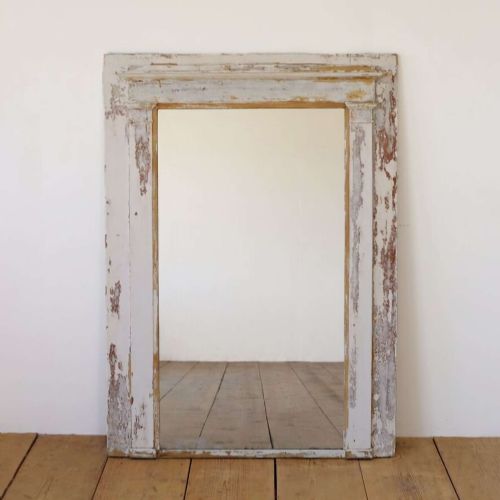
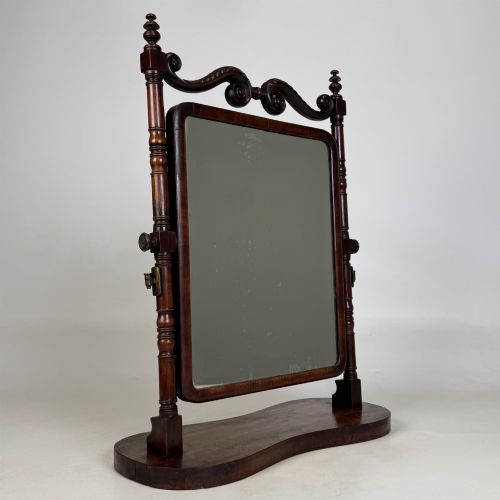
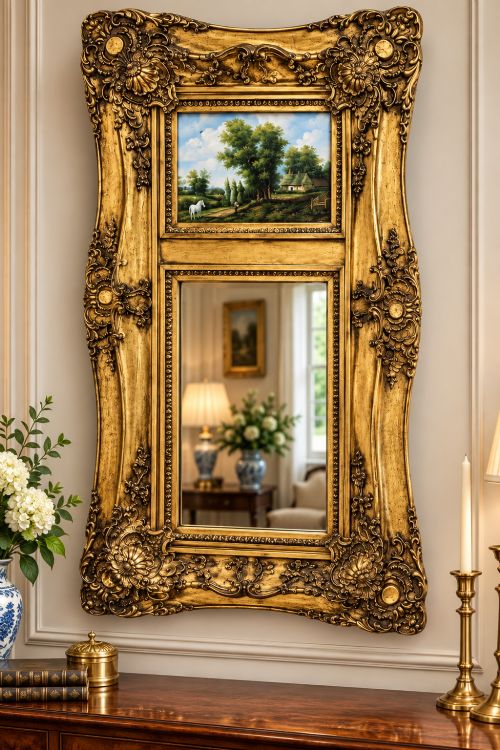
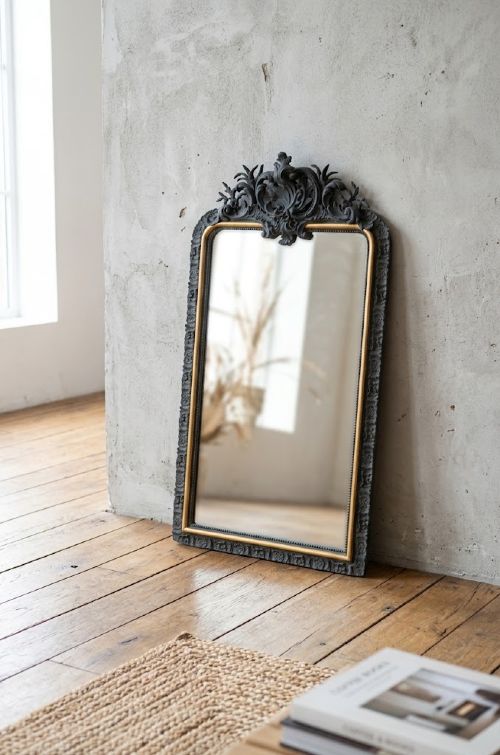
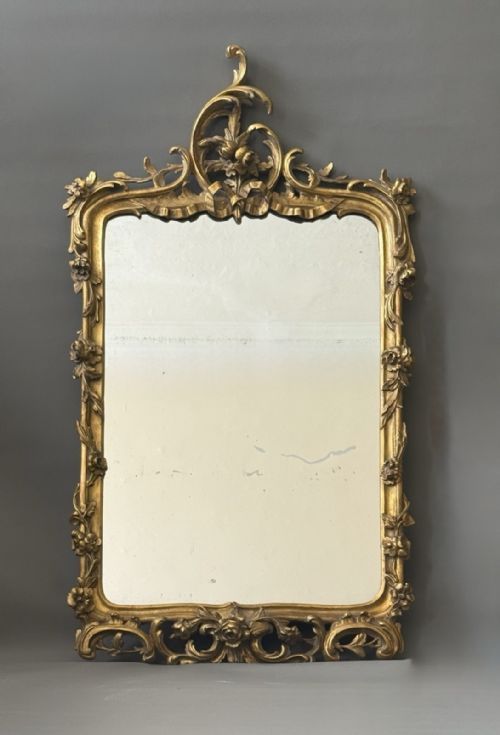
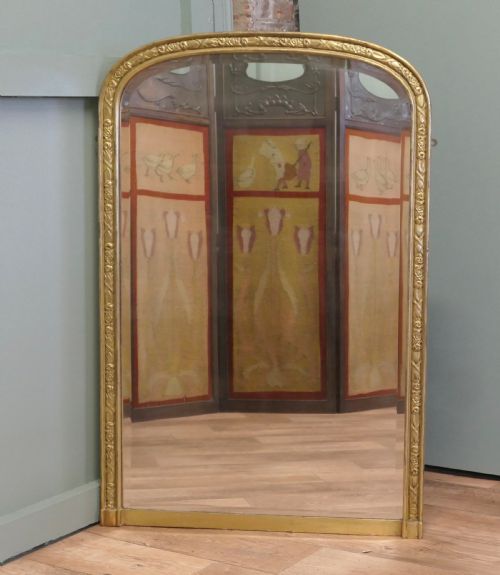
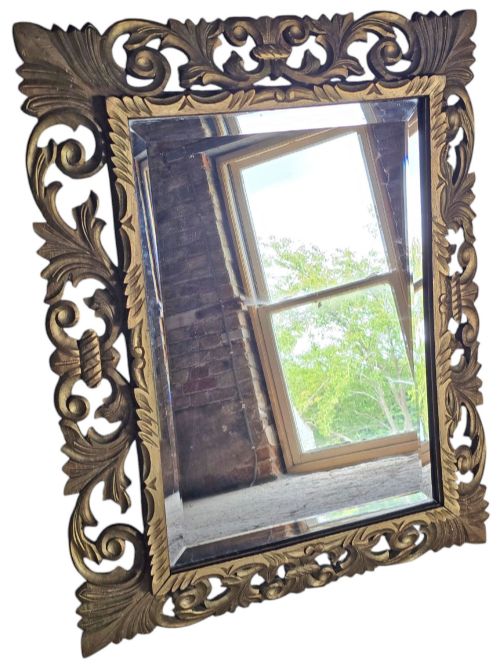
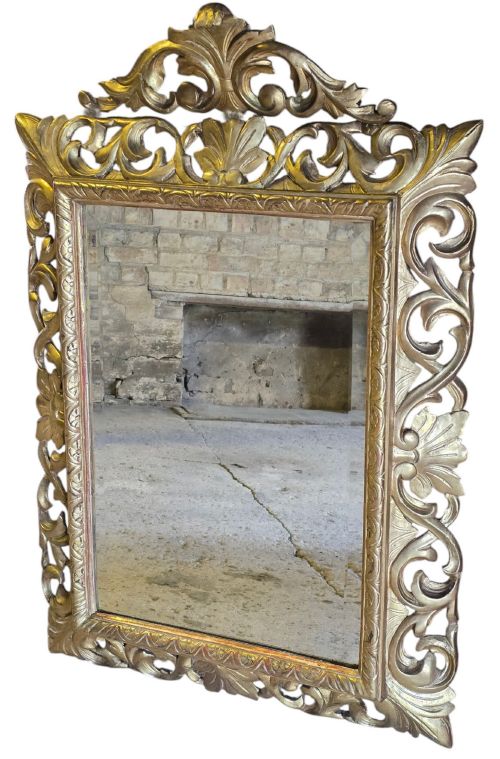
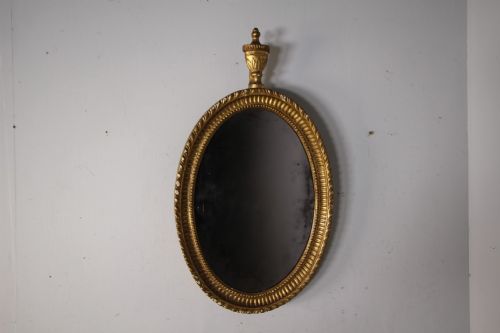
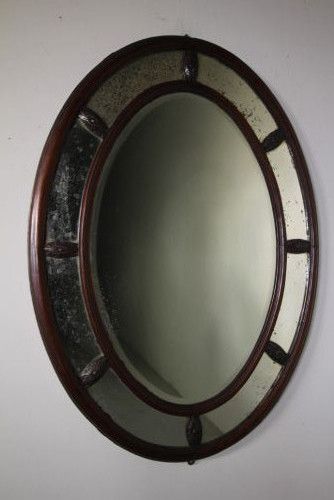
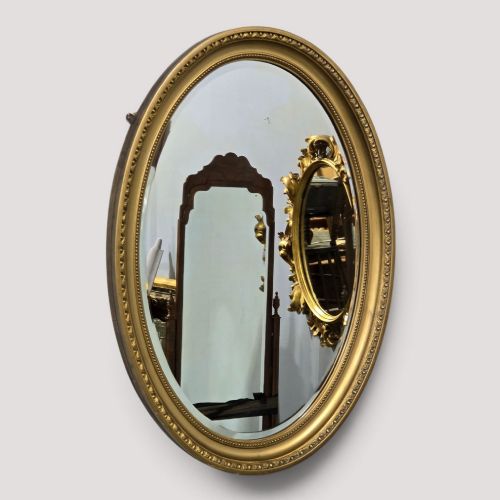
The most common forms on this page include large giltwood wall mirrors, ornate overmantels intended for placement above fireplaces, and sturdy mahogany or oak frames designed for halls and bedrooms. Makers utilised diverse regional aesthetics, from Florentine gilt carvings to French Rococo Revival curves.
Pieces range from simple carved timber country frames to monumental architectural statements featuring intricate crests and bevelled plates. Buyers often select these items to anchor a room, reflecting light while introducing period character.
How they were made
Carvers shaped timber substrates from mahogany, oak, walnut, and yew before applying decorative elements. Many nineteenth-century and earlier frames relied on gesso applied over carved wood to build up intricate relief details prior to gilding.
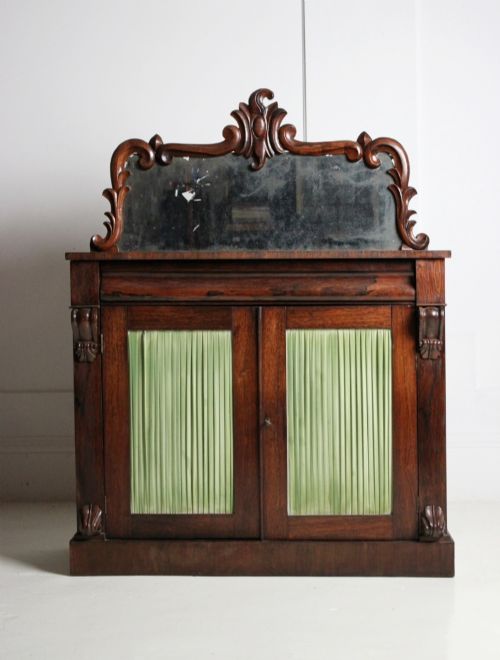
Giltwood and gold leaf finishes required meticulous application by hand, creating the reflective surfaces seen on Florentine and French Rococo pieces. Glass plates varied from antique mercury mirrors with natural foxing to later bevelled and standard reflective glass.
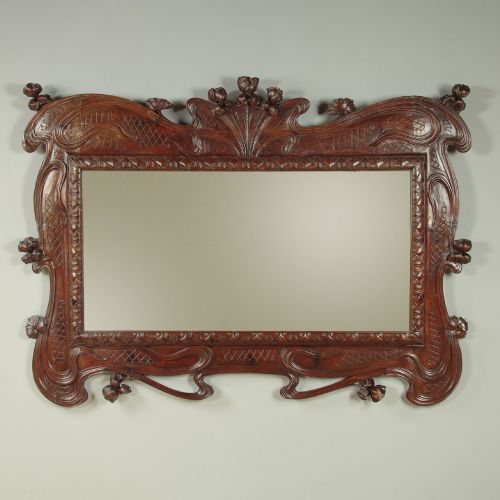
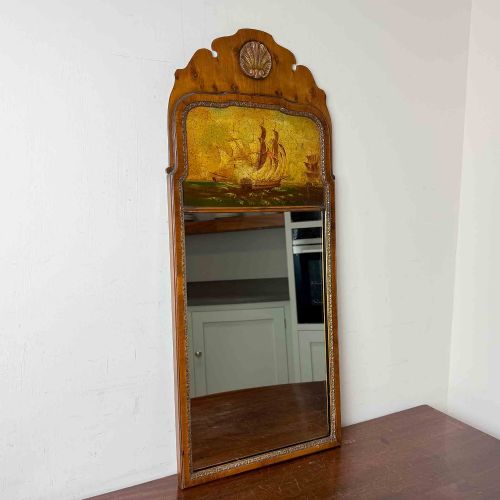
Listings span multiple centuries, uniting eighteenth-century walnut, nineteenth-century giltwood, and early twentieth-century Arts and Crafts oak.
What varies in quality
Depth and crispness of the carving distinguish finer examples from standard production, separating hand-chiseled relief work from softer moulded compositions. The integrity of the original giltwood or painted surface dictates the visual impact of the piece.
The survival of original glass plates, whether featuring period foxing or clear bevelled edges, alters the authenticity and character of the mirror. Structural soundness in the timber frame and backboards ensures the heavy piece hangs securely.
The Vintage Carved Mirror Glossary
- Giltwood
- Wood that has been coated with gold leaf or gold paint. This finish creates a bright metallic surface commonly found on French and Florentine frames.
- Gesso
- A plaster-like mixture applied to wood frames to create a smooth base for carving or gilding. It allows for intricate relief ornamentation.
- Overmantel
- A large mirror specifically designed to hang above a fireplace mantel. These pieces often feature wide horizontal proportions and ornate crests.
- Cheval mirror
- A freestanding full-length mirror suspended in a frame that allows it to tilt. They typically appear in dressing rooms and bedrooms.
- Foxed glass
- Mirror glass that has developed spots and discolouration due to age and chemical breakdown of the backing. Collectors often prize this aged appearance for its authenticity.
Vintage Carved Mirror: Frequently Asked Questions
How do I hang a heavy giltwood mirror safely?
Heavy frames require secure wall anchors fixed directly into masonry or wooden studs using appropriate brackets. Due to the substantial weight of nineteenth-century timber and gesso, professional installation is strongly recommended.
Ensure the hanging wire or integrated D-rings on the reverse are rated to support the specific load of the mirror. Weight distribution across multiple fixing points prevents strain on the original antique frame.
What is the difference between an overmantel and a wall mirror?
Overmantel mirrors are specifically proportioned to sit horizontally above a fireplace, often featuring architectural details suited to that placement. Standard wall mirrors are versatile and can hang in hallways, bedrooms, or living spaces.
While both serve decorative and reflective functions, overmantels tend to be heavier and wider. Their design usually reflects the focal point of a traditional nineteenth-century reception room.
How should I clean an antique mirror frame?
Dust the carved wooden or gilt surface gently with a soft, dry brush to remove particles without disturbing the finish. Avoid commercial chemical cleaners that can strip original gilding or painted details.
For the glass plate, apply a mild glass cleaner to a cloth rather than spraying directly onto the glass. This prevents liquid from seeping behind the antique plate and damaging the backing or frame.
How can I tell the period of a carved mirror?
Examine the style of the carving, such as Rococo Revival curves, Arts and Crafts linear forms, or Regency mahogany details. Secondary woods on the reverse and the method of construction also offer clues to the date.
Inspect the mirror plate itself for characteristics like bevelling, thickness, or foxing. Older glass often exhibits subtle imperfections and variations that modern manufacturing techniques do not replicate.