




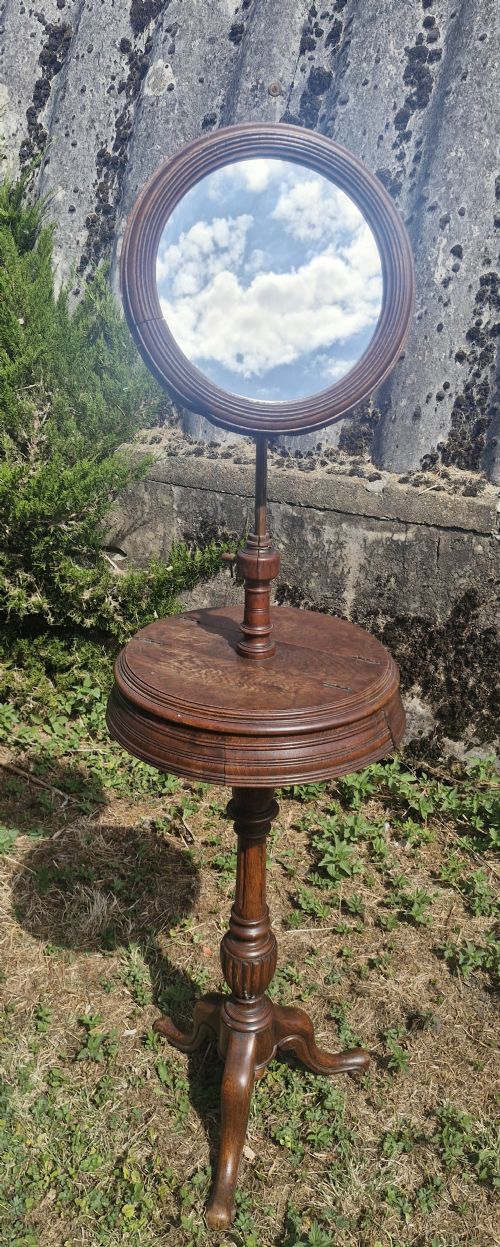
Edwardian Carved Oak Mirror
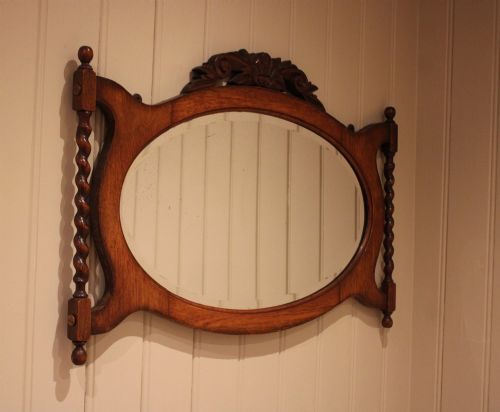
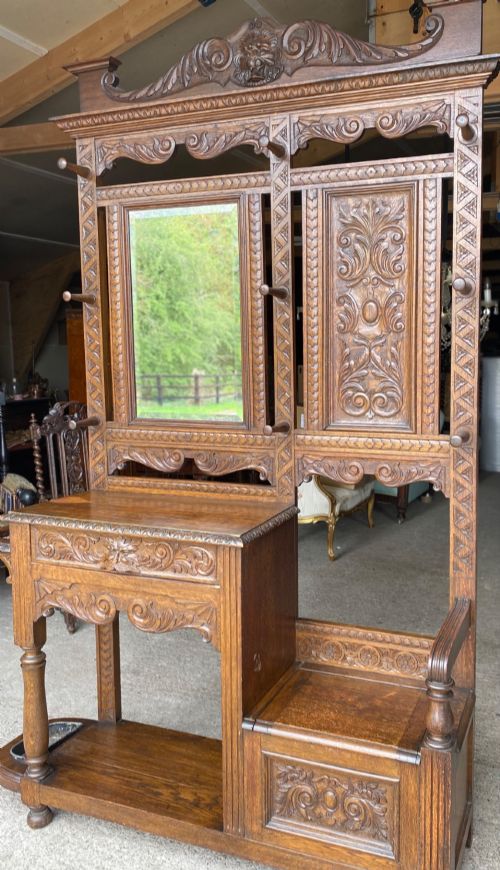
An edwardian carved oak mirror brings tactile warmth and carved detail into an interior, offering practical reflection through robust timber frames.
Edwardian Carved Oak Mirror
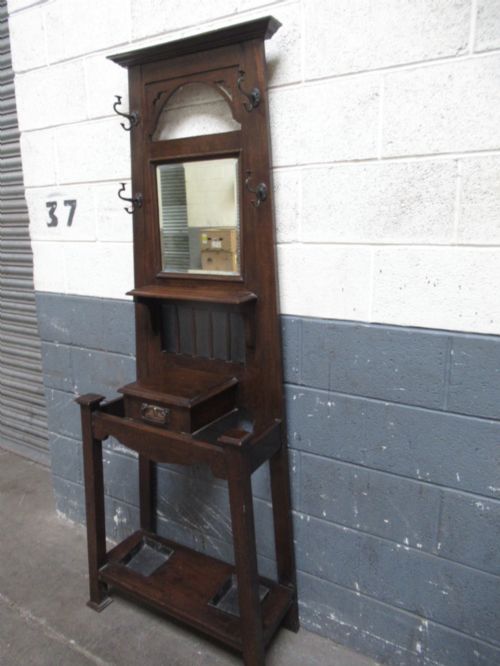
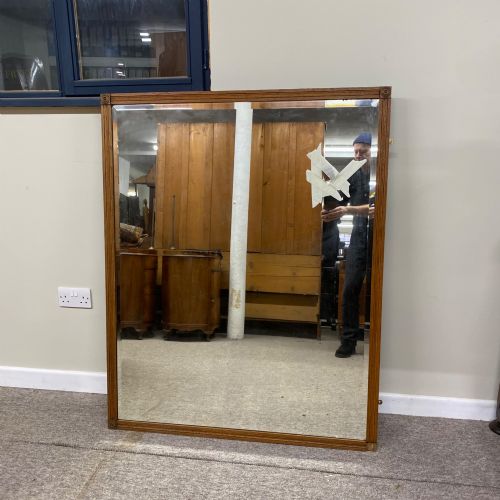
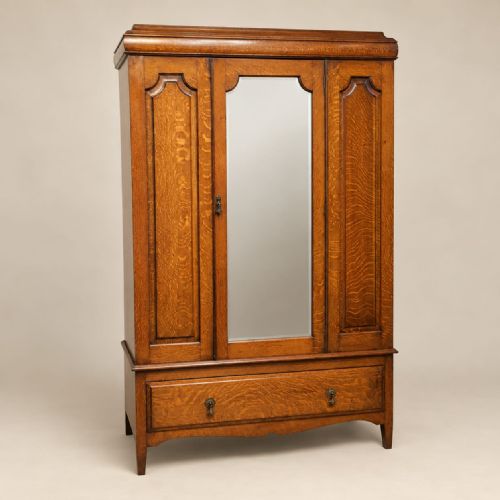
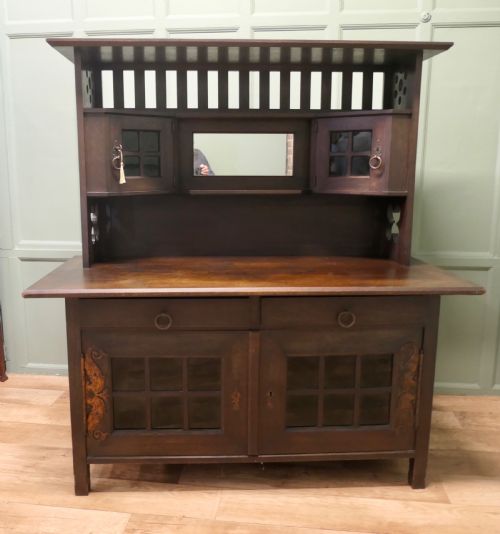
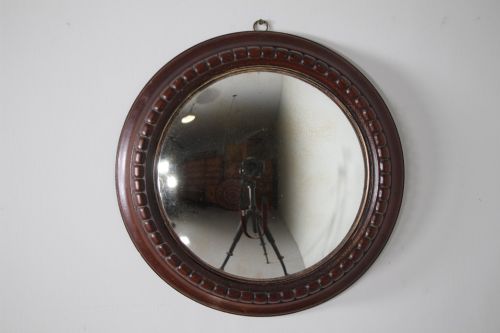
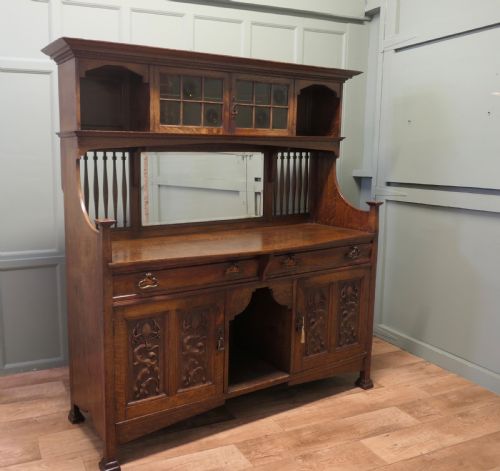
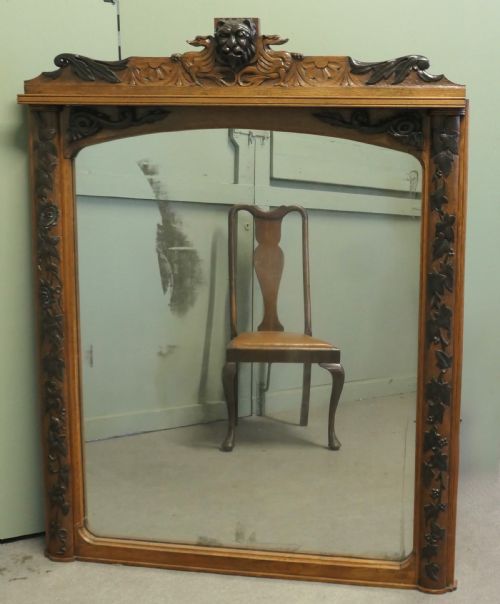
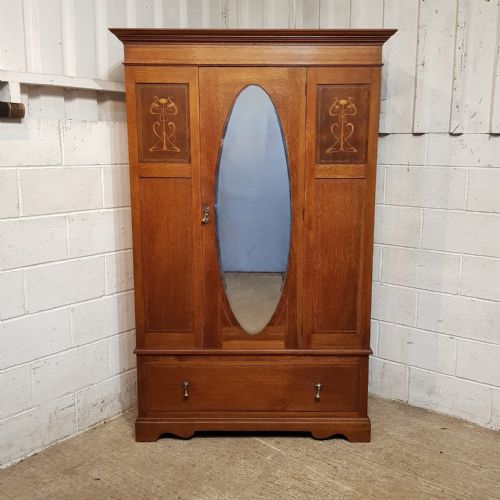
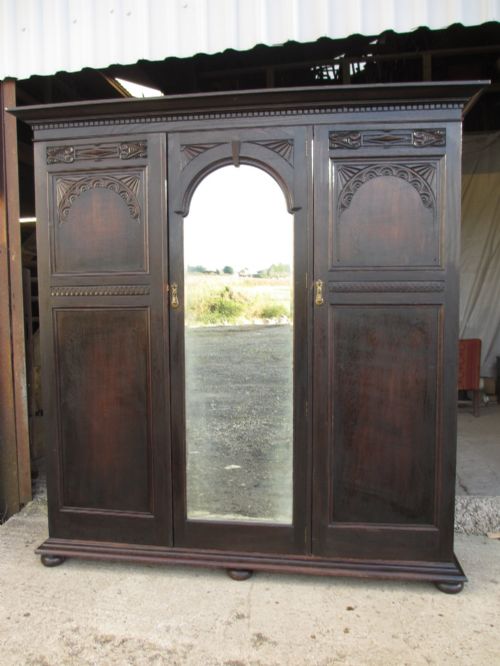
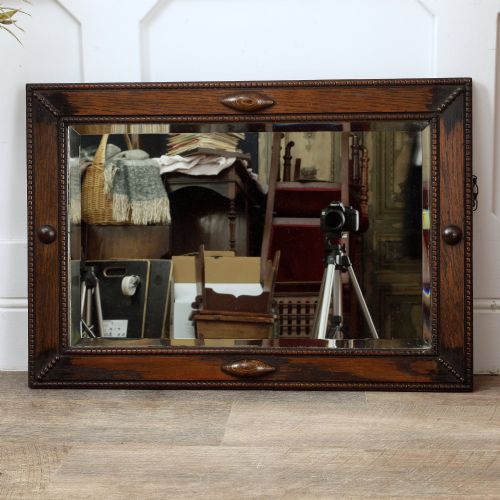
When searching for an edwardian carved oak mirror, one encounters a selection of wall mirrors, dressing mirrors, shaving stands, overmantel mirrors, and mirror-back sideboards spanning the Edwardian period, Victorian era, nineteen hundred, and nineteen thirty. These pieces emerge in styles including Edwardian, Victorian, Arts and Crafts, and Art Deco, reflecting domestic utility and decorative ambition.
The most common versions met on this page are wall mirrors and mirror-back sideboards originating from the Edwardian period and nineteen hundred, often exhibiting carved decoration upon solid timber frames. Alongside these, buyers find occasional Victorian adjustable shaving stands and later Art Deco rectangular forms.
Materials and construction
Makers built these pieces primarily using oak timber combined with glass mirror plates, frequently integrating brass and other metal hardware for adjustable elements or hanging hooks.
Woodworking techniques relied on solid oak construction capable of supporting heavy bevelled or flat glass, with hand-carved ornamentation defining the aesthetic across different styles from Arts and Crafts to Art Deco.
Edwardian Carved Oak Mirror Retail Price Guide 2026
Typical asking prices for edwardian carved oak mirror among the pieces listed under this phrase on Sellingantiques today, from the lower quarter to the upper quarter. They describe what is for sale here now, not the wider market.
Some Edwardian mirrors include gypsy-style painted finishes, bringing a bohemian flourish to heavy oak.
Judging quality in oak mirrors
Distinction across the range rests on the depth and crispness of the carving, where hand-executed detail in Arts and Crafts examples outpaces simpler commercial production.
The integration of the mirror glass within the oak frame, alongside the quality of auxiliary brass fittings and secondary metals, separates standard utility items from more substantial overmantel and sideboard forms.
The Edwardian Carved Oak Mirror Glossary
- Overmantel mirror
- A large mirror designed to hang above a fireplace mantelpiece. These pieces often feature wide oak frames and substantial proportions.
- Shaving stand
- A specialist piece of furniture incorporating an adjustable mirror and supports for personal grooming. Victorian examples frequently utilise brass mechanisms.
- Mirror-back sideboard
- A large dining room base fitted with an upright superstructure containing a carved oak frame and mirror plate. They combine storage with reflective display.
- Arts and Crafts
- A design movement prioritising traditional craftsmanship and visible construction. Pieces in this style often display stylised carved oak motifs.
Edwardian Carved Oak Mirror: Frequently Asked Questions
Where did people hang overmantel mirrors?
These large mirrors hung directly above the living room fireplace, reflecting light and the room's interior.
They anchored the chimney breast as a primary focal point in Edwardian and Victorian homes.
How do shaving stands work?
Adjustable shaving stands allowed users to alter the height and angle of the mirror plate for grooming.
They stood independently on the floor, often combining brass fittings with oak woodwork.
What defines Arts and Crafts oak mirrors?
Arts and Crafts pieces showcase hand-carved floral or geometric motifs on solid oak timber.
Their design emphasises honest construction over excessive factory ornamentation.
Are mirror-back sideboards heavy?
Mirror-back sideboards combine a heavy timber base with a substantial upright oak frame and mirror.
Positioned in dining rooms, they required solid wall support or floor placement.