

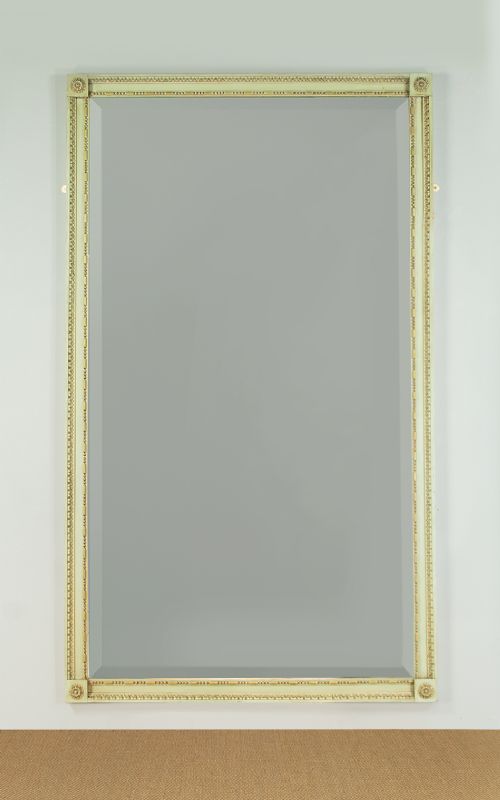
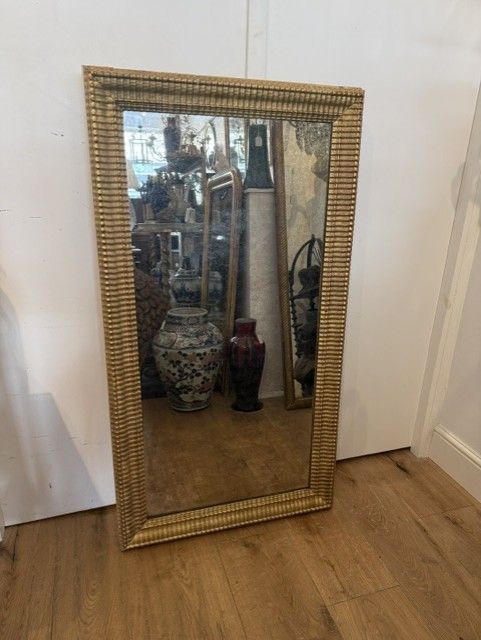
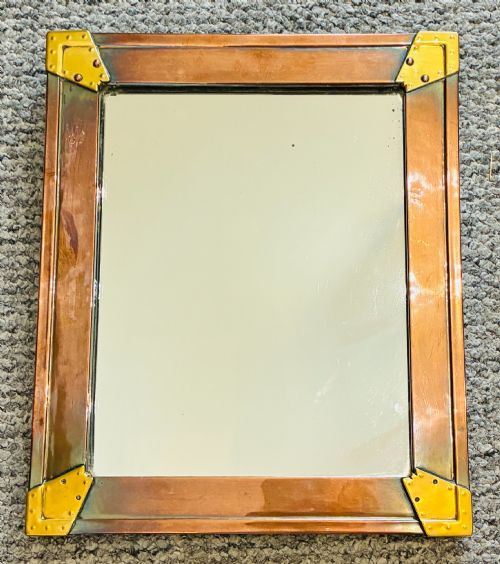
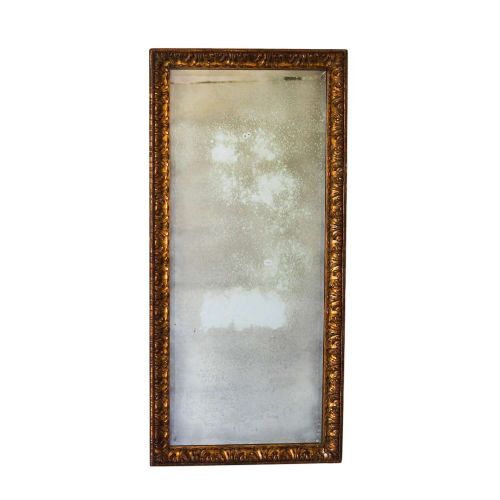
Vintage Rectangular Wall Mirror
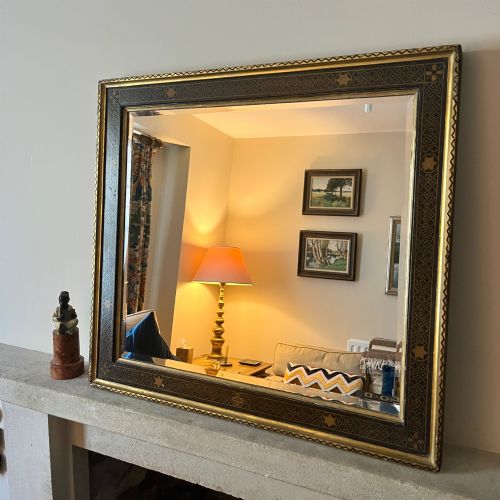
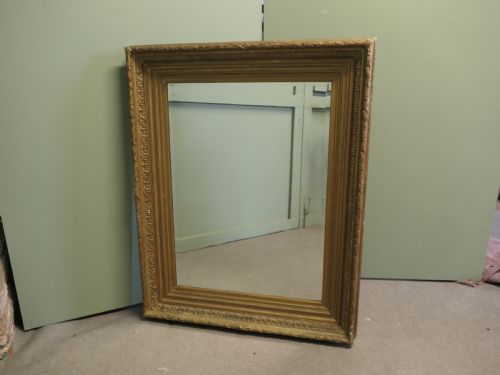
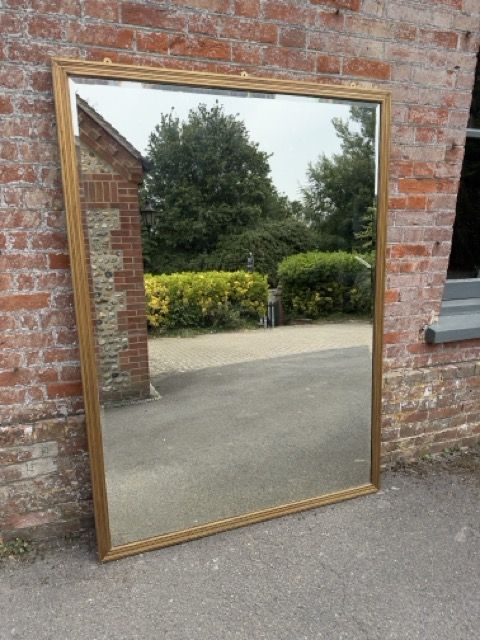
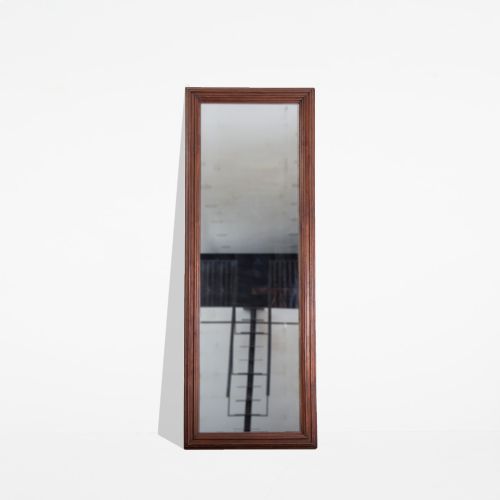
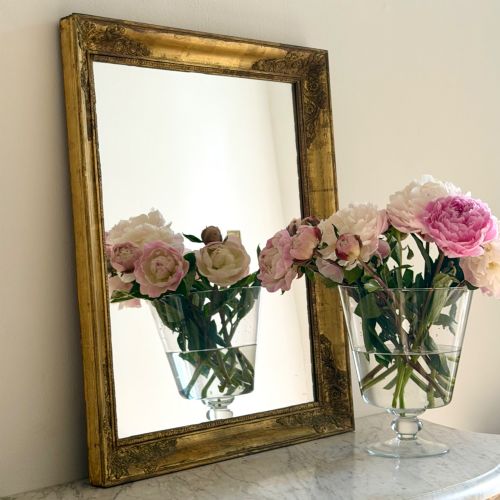
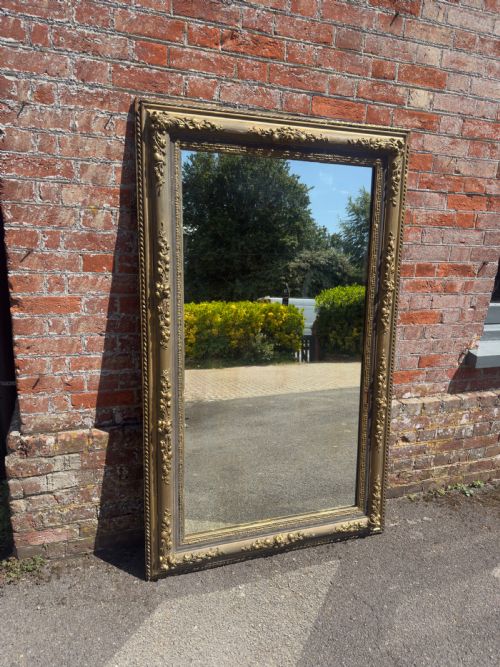
A vintage rectangular wall mirror brings light and depth to a room through frames of carved wood, giltwood, and hammered metal.
Vintage Rectangular Wall Mirror
A vintage rectangular wall mirror serves as a functional room feature and a decorative focal point, appearing in styles from the Victorian period through the early twentieth century. These objects include overmantel mirrors, pier mirrors, and simpler wooden frames designed to hang horizontally or vertically.
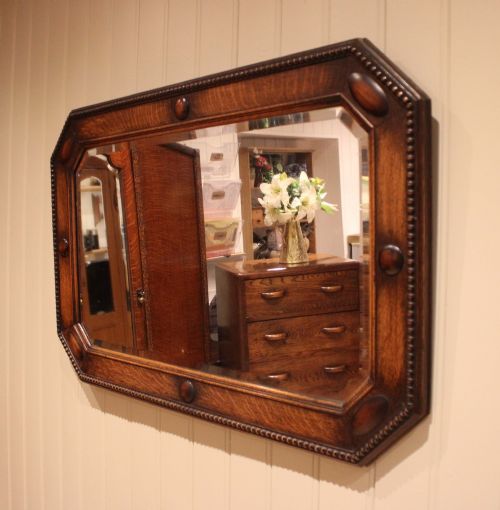
The selections span French chateau designs, Arts and Crafts metalwork, Venetian glass panels, and English oak frames. Buyers meet everything from large leaner mirrors to compact dressing mirrors across these listings.
How they were made
Carpenters constructed the primary frames from oak, walnut, maple, and mahogany, frequently applying gesso and gold leaf to create ornate giltwood surfaces. Craftsmen also utilised brass, copper, and bronze, shaping the metal through repoussé and hammering techniques.
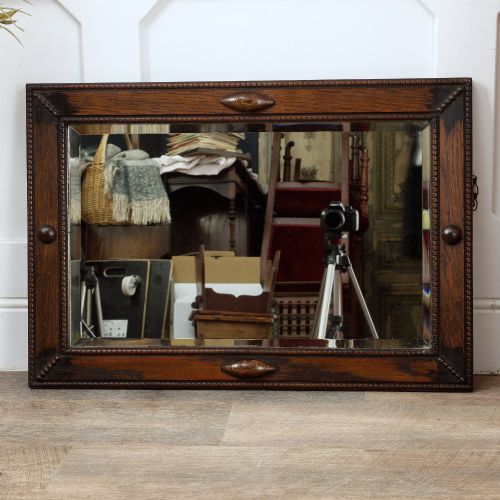
Makers finished wood surfaces with paint, ebonisation, or faux tortoiseshell effects, while glass plates were hand-silvered and fitted into rebated frames. Carved details incorporated floral motifs, mythological carvings, and ripple moulding.
Materials across the listings include oak, walnut, maple, giltwood, copper, brass, gesso, and Venetian glass.
What varies in quality
The standard of craftsmanship shows in the depth and sharpness of the woodcarving, the crispness of repoussé metalwork, and the integrity of the original gilt layers. Superior pieces retain their authentic surface patination and deep relief ornament without crude restoration.
Frame construction methods indicate quality, particularly the stability of corner joints and the weight of the timber used. The clarity and preservation of the glass plate, whether original or replaced, also influence the piece.
The Vintage Rectangular Wall Mirror Glossary
- Giltwood
- Wood that has been coated with gold leaf or metal leaf over a prepared gesso ground. This finish provides a bright reflective surface that catches interior candlelight or daylight.
- Repoussé
- A metalworking technique where the artisan hammers the metal from the reverse side to form a raised design in relief on the front. It appears frequently on Arts and Crafts copper and brass frames.
- Overmantel mirror
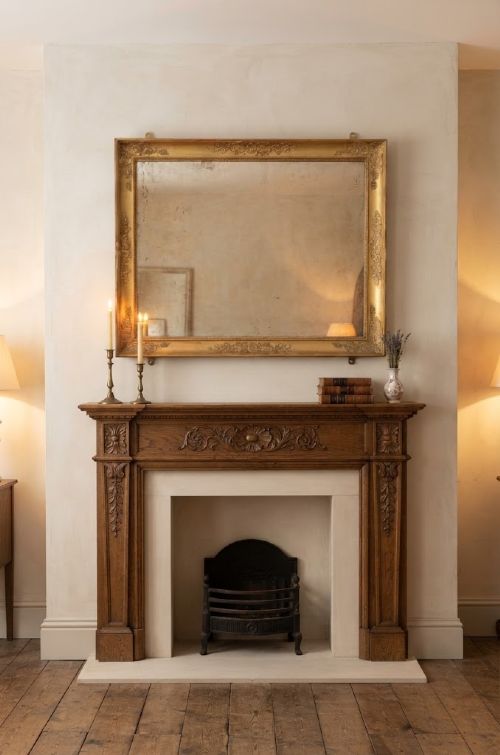
- A large mirror specifically designed to hang above a fireplace mantelpiece. These pieces often feature horizontal proportions to match the width of the hearth below.
- Trumeau
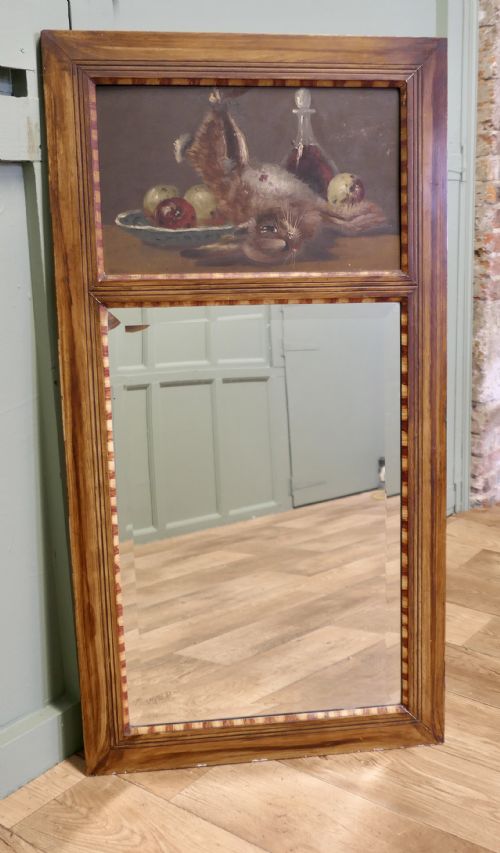
- A decorative wall mirror or panel set into wood panelling or placed above a mantel, often incorporating painted scenes or carvings above the glass. French examples frequently display this formal arrangement.
- Ripple frame
- A frame featuring concentric undulating wave-like mouldings carved into the timber. This intricate woodworking style gained popularity during the nineteenth century.
Vintage Rectangular Wall Mirror: Frequently Asked Questions
How do I hang a heavy vintage mirror?
Heavy framed mirrors require secure wall fixings distributed across sturdy structural studs or solid masonry walls. Using appropriate weight-rated mirror brackets ensures the piece hangs safely.
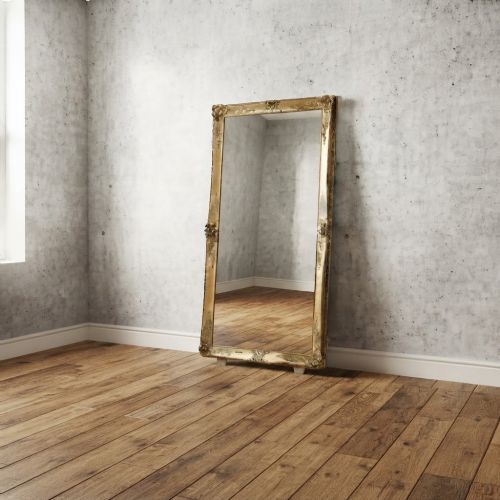
Professional installation is recommended for very large giltwood or oak leaner mirrors to prevent accidental detachment.
Are the mirror plates original?
Many nineteenth and early twentieth-century mirrors retain their original glass plates, which often display light foxing, minor speckling, and gentle age-related distortion. These characteristics indicate authenticity and historical depth.
Some pieces feature new or replacement glass fitted by later owners to provide a clearer reflection.
How do I clean an antique gilt frame?
Giltwood and gesso surfaces require delicate dusting with a dry, soft-bristled brush to remove surface debris. Moisture and chemical cleaning agents must be avoided as they lift fragile gold leaf.
Professional conservators should handle any deeper cleaning or restoration of damaged gilding.
What is a pier mirror?
A pier mirror is a tall, narrow glass designed to fit the wall space or pier between two windows. These pieces traditionally maximised natural light in nineteenth-century reception rooms.
They frequently paired with console tables placed directly underneath them.