

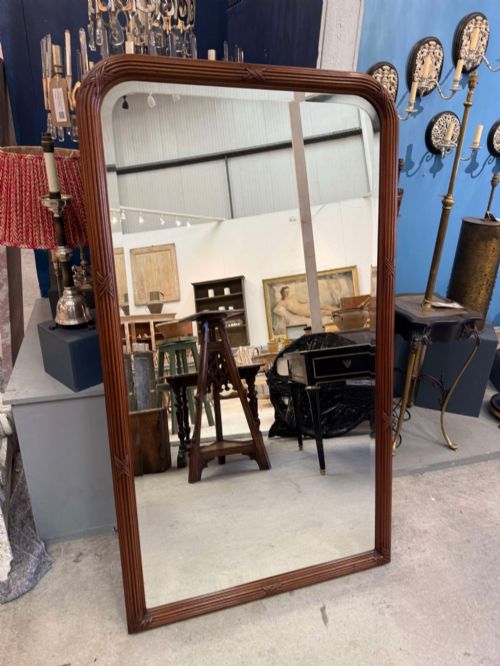
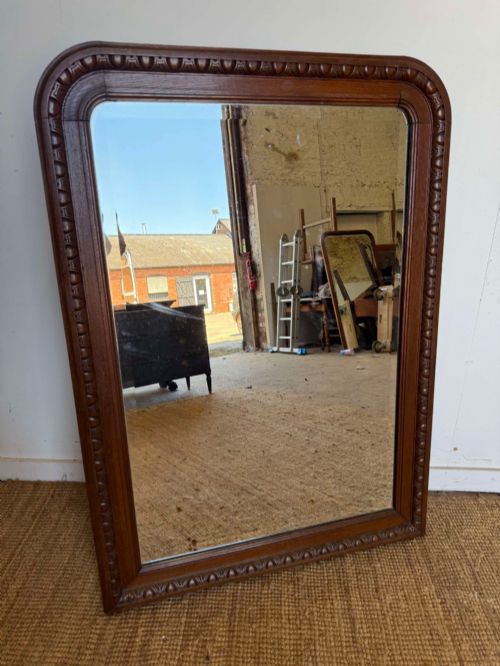
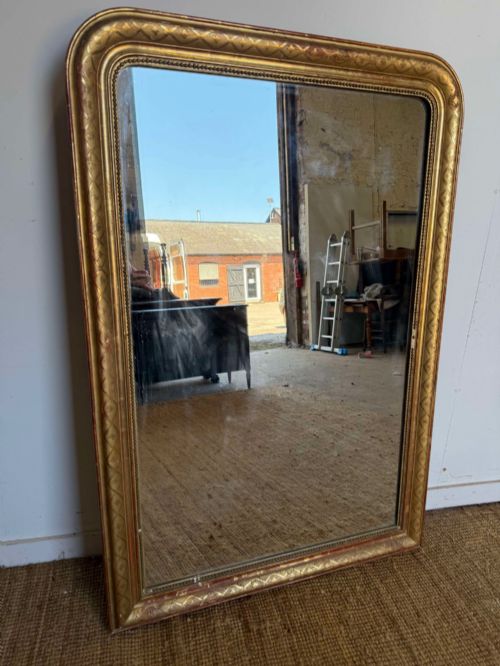
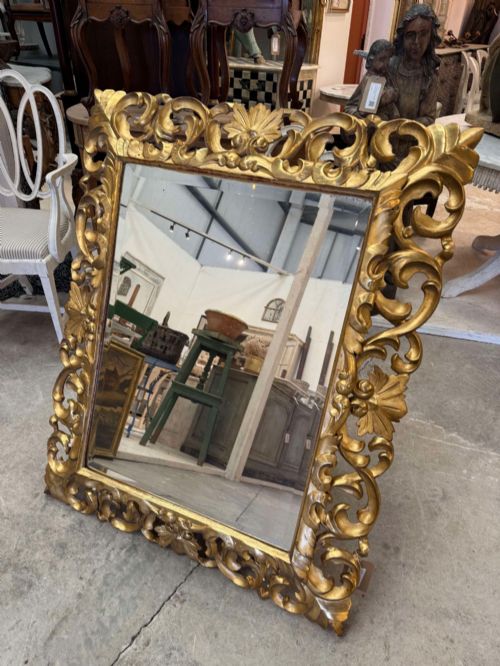
Antique Wooden Mirror Frame
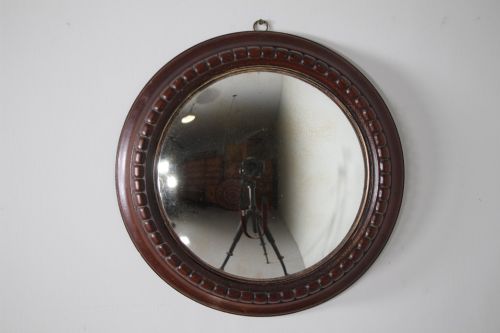
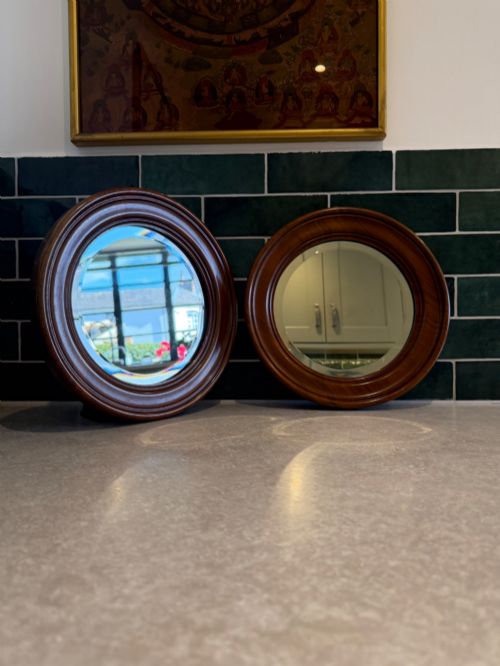
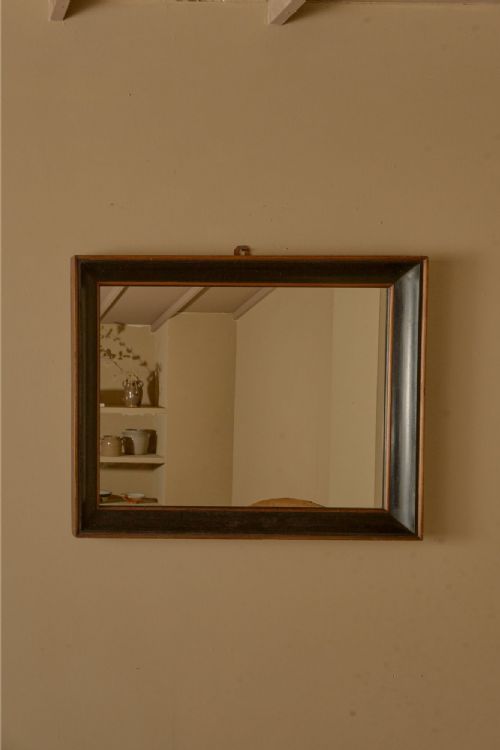
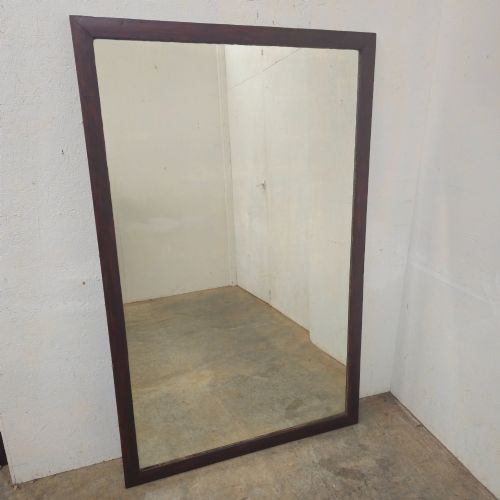
An antique wooden mirror frame brings warmth and distinct period character to a room, offering a tactile focal point that mass-produced alternatives simply cannot match.
Antique Wooden Mirror Frame
When you search for an antique wooden mirror frame, you encounter a diverse selection of wall mirrors and overmantel mirrors spanning the nineteenth and early twentieth centuries. These pieces reflect the prevailing aesthetic movements of their respective eras, ranging from restrained domestic designs to more ambitious architectural proportions.
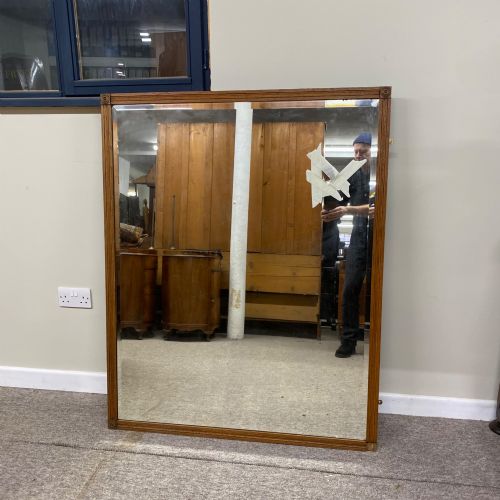
The pieces listed on this page are predominantly nineteenth-century works alongside examples from 1900 and the 1920s, capturing styles such as Victorian, Regency, Art Nouveau, and Arts and Crafts. Overmantel mirrors and wall-hung formats appear frequently, often retaining their original glass and timber surfaces.
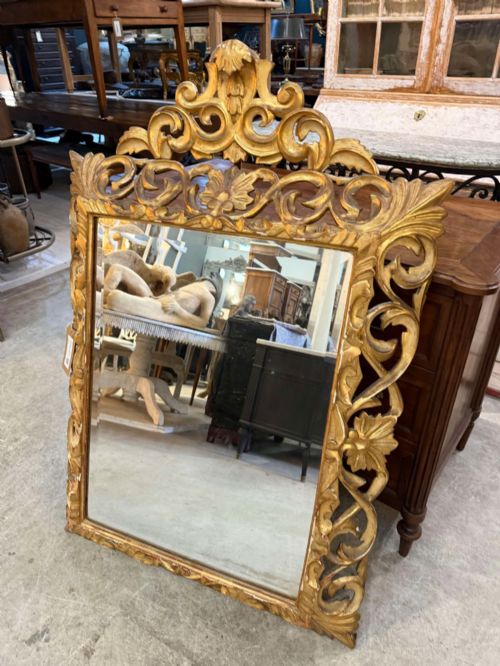
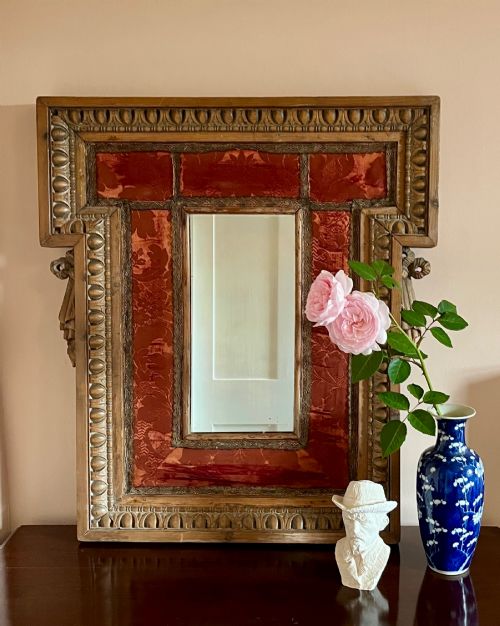
Buyers are most likely to meet timber constructions shaped by hand or turned with care, frequently incorporating carved details or contrasting veneers. Whether selecting an Italian limewood carving or a rosewood overmantel, each piece demonstrates the material preferences of its period.
Materials and construction methods
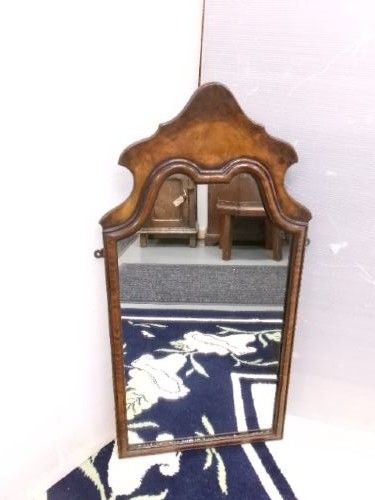
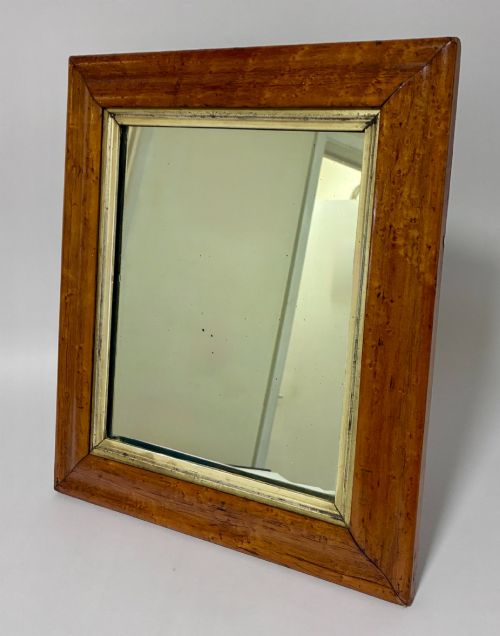
Craftsmen utilised a variety of native and exotic timbers, including rosewood, walnut, limewood, birds eye maple, and mahogany. These woods were selected for their grain patterns and stability, then shaped using traditional hand-carving and joinery techniques.
Surface enhancement played a central role in construction, with makers employing giltwood highlights, silver-gilt elements, and marquetry inlay. Brass detailing and bevelled glass plates were frequently integrated to add reflective depth and structural contrast.
Antique Wooden Mirror Frame Retail Price Guide 2026
Typical asking prices for wooden mirror frame among the pieces listed under this phrase on Sellingantiques today, from the lower quarter to the upper quarter. They describe what is for sale here now, not the wider market.
Listings feature woods such as walnut, rosewood, limewood, and birds eye maple alongside giltwood and brass detailing.
Judging quality and execution
The upper tier of pieces is distinguished by the ambition and depth of the hand-carving, particularly in limewood and giltwood examples where sculptural fluency defines the form. Superior execution is also evident in the selection of figured timbers like birds eye maple and rosewood, matched with precision.
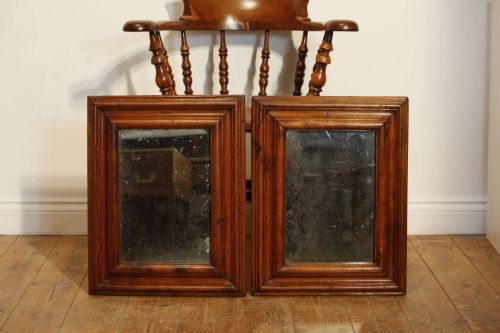
At the more modest end of the spectrum, frames rely on simpler mouldings and standard machine-sawn construction rather than bespoke joinery. The sophistication of subsidiary materials, such as specialist brass detailing or marquetry panels, marks the difference between standard production and master craftsmanship.
A.J Rowley
The Antique Wooden Mirror Frame Glossary
- Overmantel mirror
- A large mirror specifically designed to hang or rest upon the mantelpiece above a fireplace. These pieces often feature wide horizontal proportions to command the wall space.
- Giltwood
- Timber that has been coated with fine gold leaf or gilt preparation. This technique created a brilliant reflective surface popular in formal nineteenth-century interiors.
- Birds Eye Maple
- A decorative maple veneer displaying small circular figures resembling birds' eyes. It was prized for luxury cabinet work and decorative frames.
- Marquetry
- The art of applying small pieces of veneer to a structure to form decorative patterns or pictorial scenes. It requires considerable skill in cutting and fitting different timbers.
- Silver-gilt
- Silver that has been coated with a thin layer of gold. This finish offered a softer, more subtle alternative to bright yellow gold leaf.
Antique Wooden Mirror Frame: Frequently Asked Questions
How do I hang a heavy overmantel mirror?
Heavy overmantel mirrors require secure wall fixings distributed evenly across the primary timber frame rather than relying solely on the hanging wire. Professional mirror plates screwed into substantial studs or masonry provide the necessary support for safe suspension.
Alternatively, many overmantel mirrors were originally designed to rest directly on a mantelpiece while being anchored to the wall at the top for stability. Consulting a professional installer ensures the weight of the timber and glass is managed correctly.
What is the difference between an overmantel and a wall mirror?
Overmantel mirrors are traditionally wider than they are tall, proportioned specifically to sit above a fireplace hearth and reflect the room below. Their frames often incorporate architectural motifs designed to complement nineteenth-century mantelpieces.
Standard wall mirrors, by contrast, are proportioned for general hanging on any vertical surface in a hallway, bedroom, or reception room. They appear in diverse shapes including round, square, and vertical formats.
How should I clean antique wood and glass?
Antique wooden frames benefit from gentle dusting with a dry, soft cloth to remove surface particles without disturbing the underlying patina. Avoid modern liquid polishes containing silicones, which can build up and soften historic finishes over time.
Glass plates should be cleaned sparingly using a cloth slightly dampened with water or a mild glass cleaner, taking care not to let moisture seep behind the mirror plate where silvering might be vulnerable.
How do I identify Art Nouveau frames?
Art Nouveau mirror frames are characterised by organic, flowing lines inspired by natural forms such as plant stems, flowers, and undulating waves. You will rarely find rigid symmetry in these pieces, as makers favoured asymmetrical, lyrical compositions.
Carvings on these frames appear softer and more fluid than the strict geometric or classical revival styles of the earlier Victorian period, often dating around 1900.