



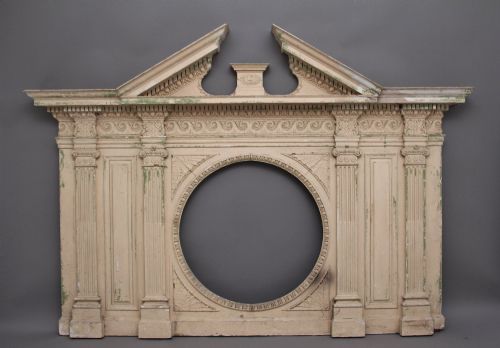

Pediment Wall Mirror
A pediment wall mirror brings architectural proportion and reflective depth to a room, carrying the weight of centuries in carved wood and gilt.
Pediment Wall Mirror
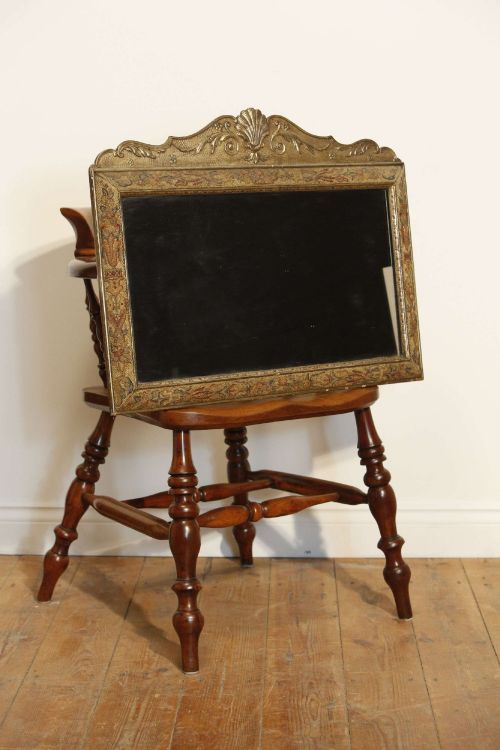
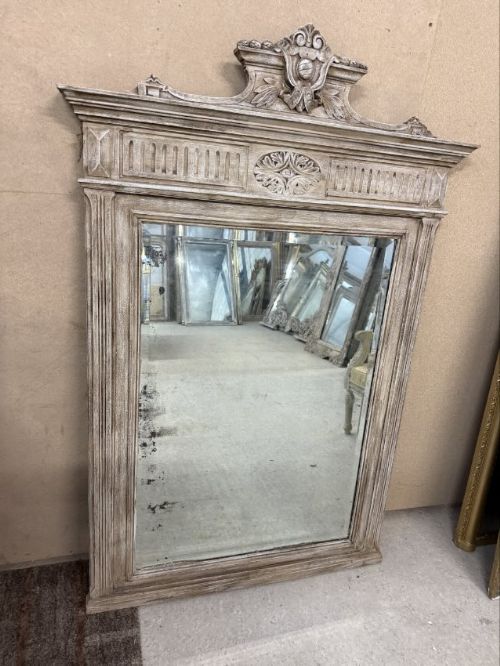
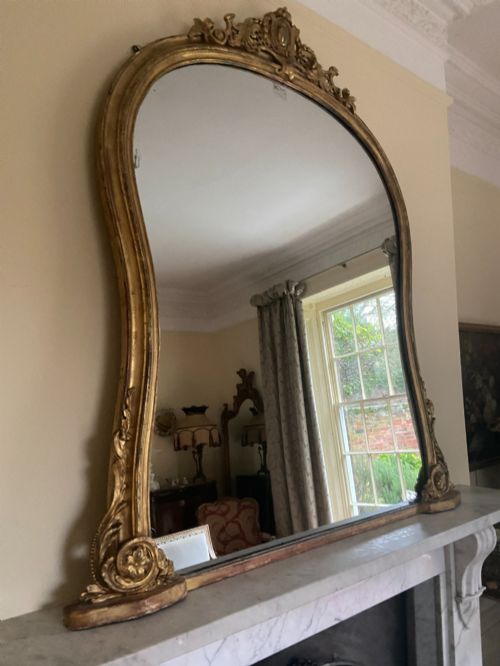
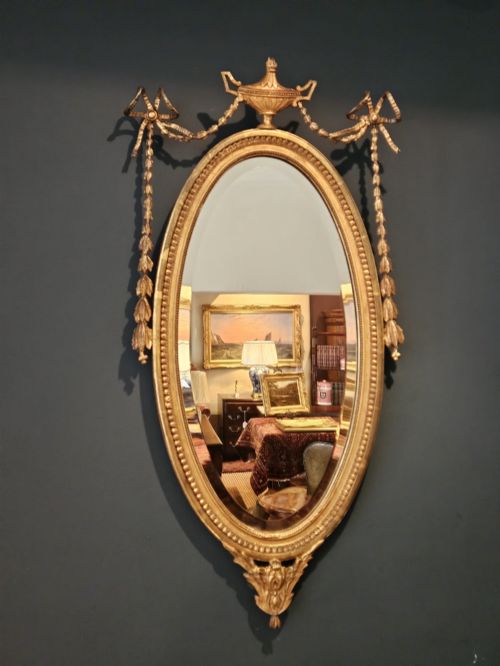
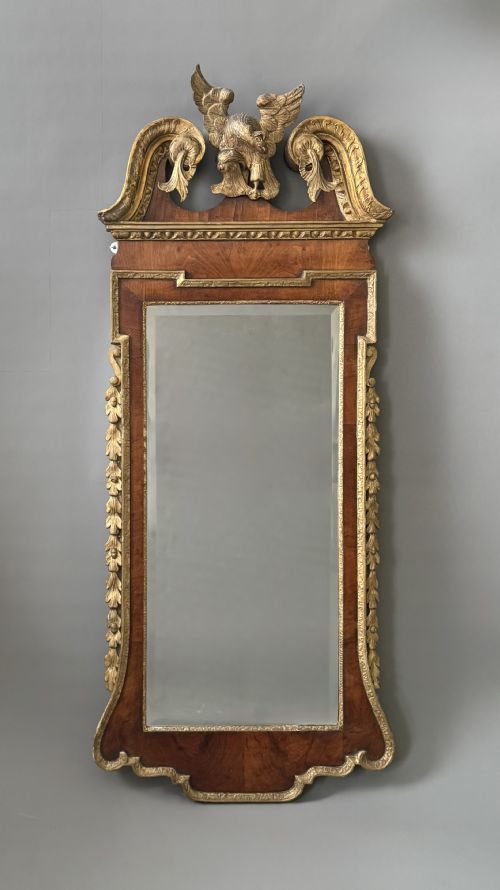
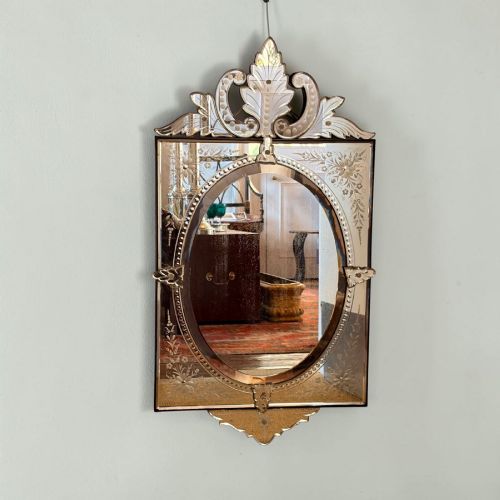
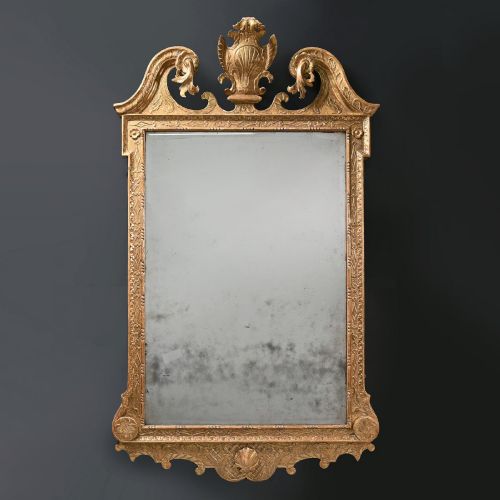
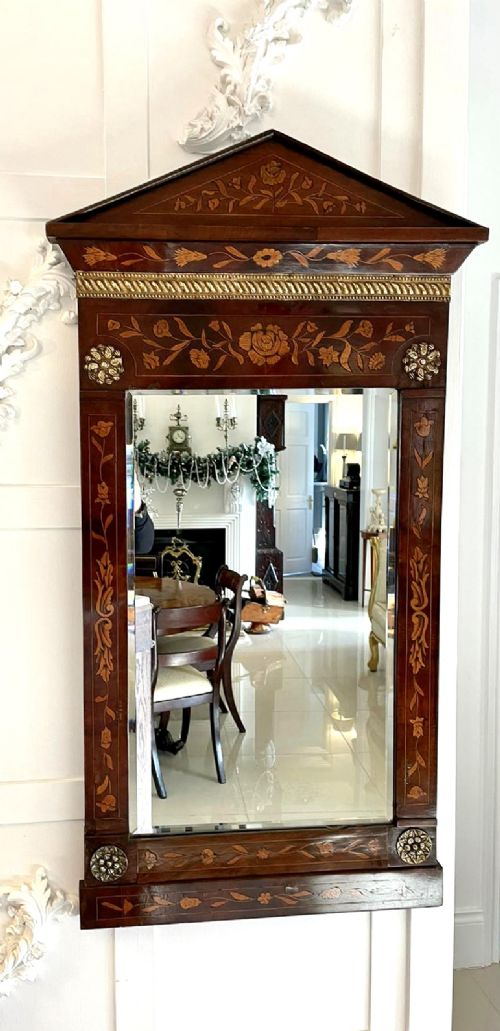
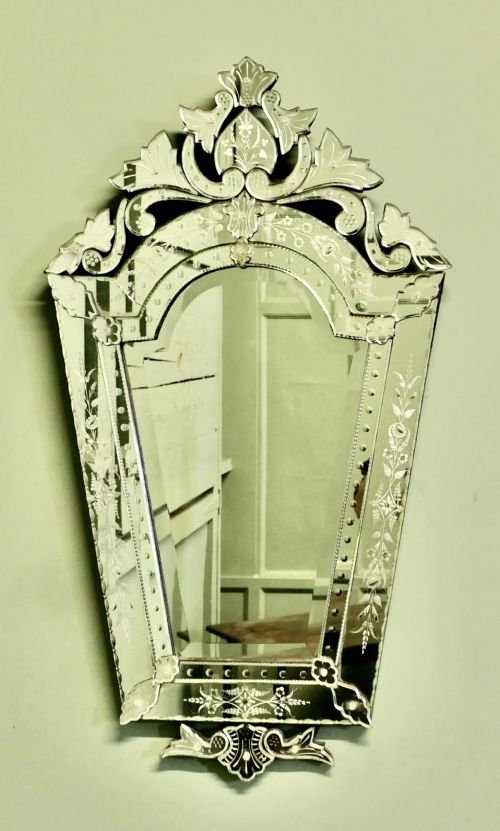
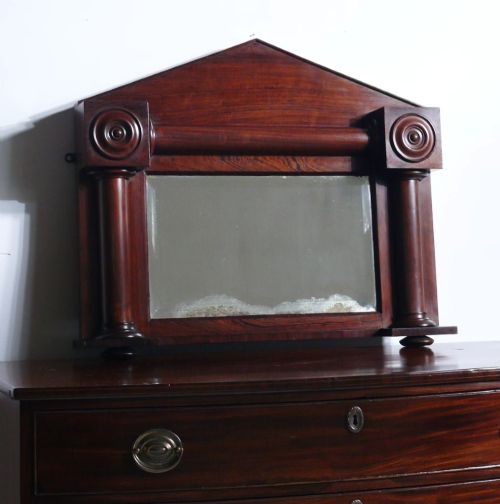
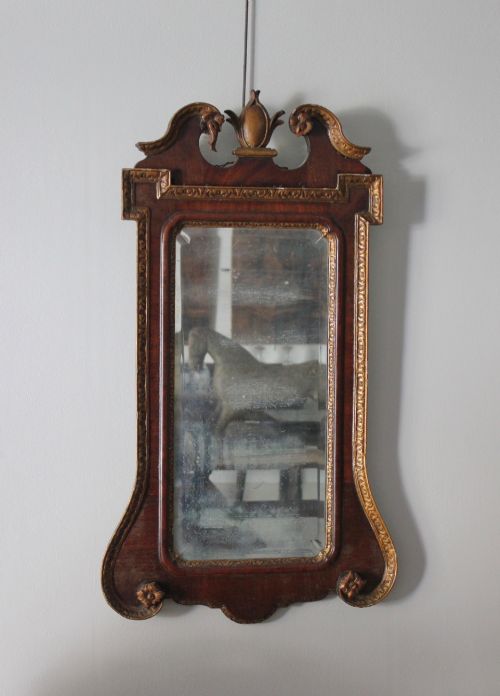
A pediment wall mirror is a framed reflective glass piece topped with a defined architectural crown, frequently taking the form of a swan neck, broken arch, or classical triangular pediment. When buyers search for a pediment wall mirror, they encounter forms ranging from compact Georgian pier glasses to large Victorian overmantels.
The selection spans walnut, mahogany, and rosewood timbers alongside heavily giltwood and gesso surfaces, reaching from the eighteenth century through the Edwardian era. Eighteenth-century examples often display parcel gilt details on rich walnut or mahogany grounds, while nineteenth-century pieces lean into revival styles.
Overmantels and large wall mirrors dominate the configurations, alongside tall pier mirrors designed for placement between windows. These pieces functioned traditionally to bounce natural daylight around reception rooms and grand hallways.
Materials and Construction
Carvers shaped solid timbers such as mahogany, walnut, and pine, frequently applying gesso layers over wood to build up intricate relief ornaments before applying leaf metal or paint. Giltwood frames combined carved wooden substrates with chalk or plaster grounds to accept gold leaf.
Glass plates were silvered using traditional techniques, fitted into rebated frames behind wooden backs or held with wooden pins and secured by original retaining strips. Marquetry and inlay added geometric or floral detail to mahogany and walnut bodies in specialised workshops.
Pediment Wall Mirror Retail Price Guide 2026
Typical asking prices for pediment wall mirror among the pieces listed under this phrase on Sellingantiques today, from the lower quarter to the upper quarter. They describe what is for sale here now, not the wider market.
Certain antique marriage mirrors incorporate specific symbolic bird crests atop their pediments to celebrate union.
Gradations in Quality
Quality rests upon the crispness of the hand-carved detail in the wooden mouldings and the pediment scrollwork, distinguishing skilled artisan execution from heavier, later production. Original glass plates with authentic foxing and depth provide a visual warmth that machine-rolled replacement glass misses.
The architectural integrity of the frame joints and the retention of original gilding or surface finishes dictate the standing of a piece. Finer examples maintain the structural harmony of their original crestings and proportional framing without heavy remediation.
William Kent
The Pediment Wall Mirror Glossary
- Pediment
- The triangular or curved architectural crowning member surmounting the top of the mirror frame. It originates from classical building facades.
- Giltwood
- Timber coated with a thin layer of gold leaf over a prepared gesso ground. This technique creates a luminous, reflective metallic surface.
- Gesso
- A plaster-like mixture applied to wood frames to provide a smooth base for gilding and fine carving. It accepts deep relief detailing.
- Parcel Gilt
- Partial gilding where only specific raised carved elements, mouldings, or highlights are covered in gold leaf while the wood grain remains visible.
- Pier Glass
- A tall, narrow mirror designed specifically to hang on the wall space between two windows. These often matched console tables placed below.
Pediment Wall Mirror: Frequently Asked Questions
Where should I place an overmantel mirror?
An overmantel mirror sits naturally centered above a fireplace mantelpiece, drawing the eye upward and reflecting the room.
Positioning it opposite a window maximises the distribution of natural daylight throughout the interior space.
How do I distinguish an 18th-century mirror?
Eighteenth-century examples often exhibit hand-beveled glass with subtle imperfections, pine or oak secondary backing boards, and hand-cut nails.
The carving style on the pediment typically reflects Georgian architectural proportions rather than later Victorian revival interpretations.
Can I clean the antique glass plate?
Clean the glass surface gently with a soft cloth and mild, non-ammonia cleaner applied to the cloth rather than directly sprayed onto the glass.
Avoid touching old silvering edges or unsealed wooden backs with excessive moisture to preserve the historic materials.