

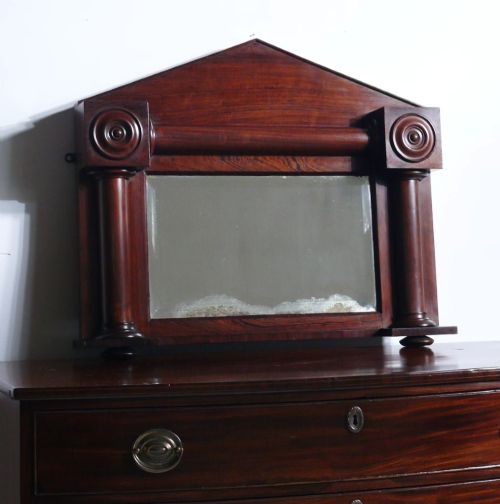
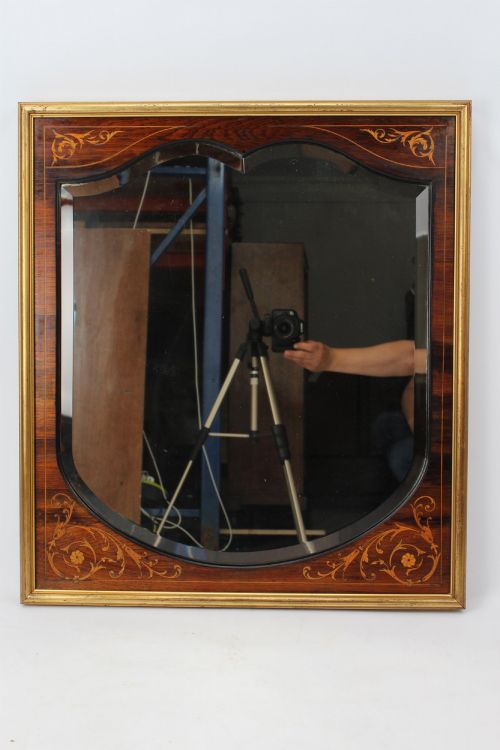
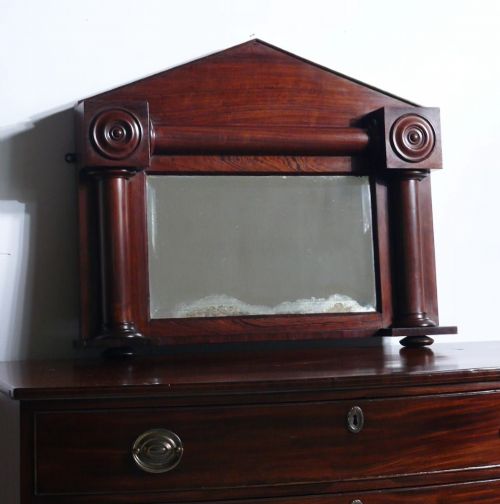


Rosewood Overmantel Mirror
A rosewood overmantel mirror brings warmth and architectural weight to a room, framing a fireplace with dark grain and often touches of gilding.
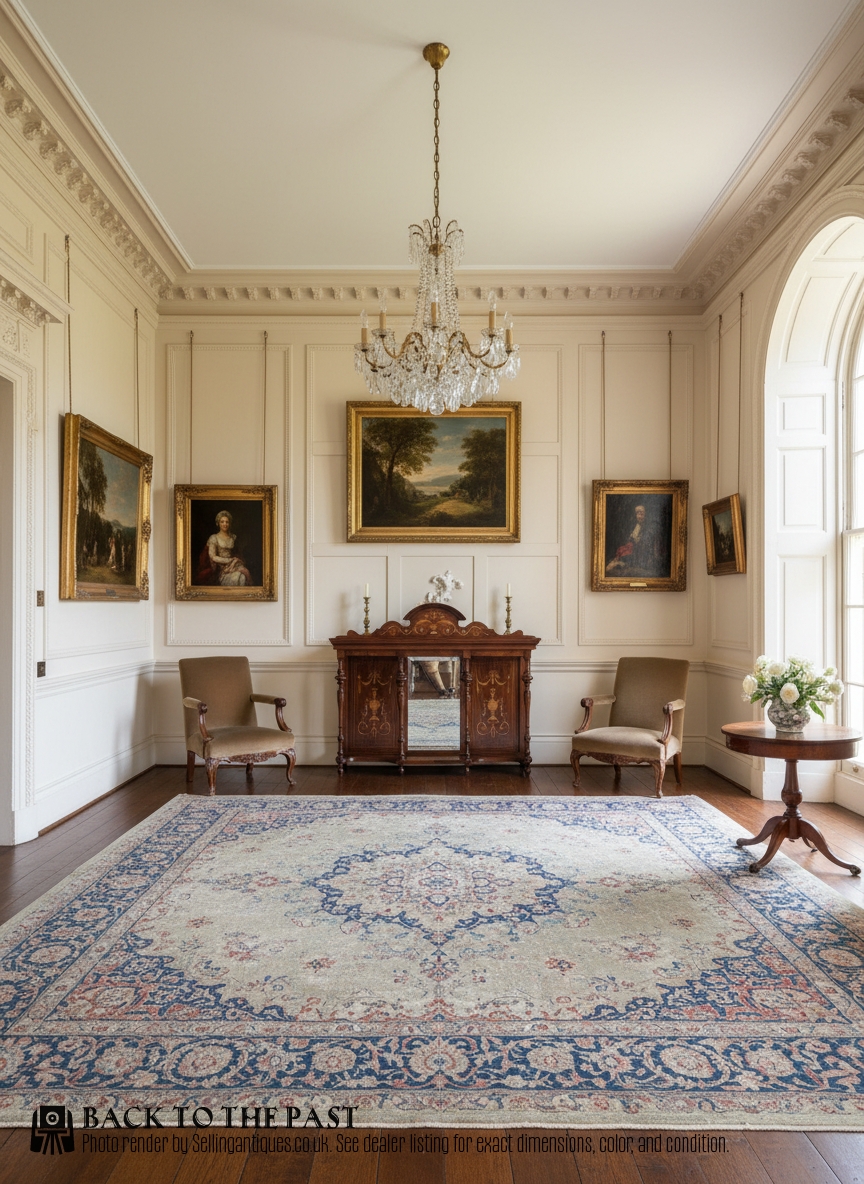
Rosewood Overmantel Mirror
A rosewood overmantel mirror is a substantial rectangular or arch-topped glass designed to sit above a mantelpiece, reflecting light and anchoring the hearth. These pieces belong predominantly to the nineteenth century, spanning the Regency and Victorian eras through to the Edwardian period.
Most examples encountered here combine rich rosewood frames with gilt highlights, mirror glass, and occasionally boxwood or wood inlay. Forms range from plain timber frames to pieces ornamented with marquetry and brass inlay.
Makers designed these items to dominate a drawing room wall, balancing horizontal proportions with height. Buyers will find both large wall mirrors adapted to the role and traditional overmantel frames constructed specifically for chimney breasts.
How they were made
Cabinetmakers constructed these frames using solid rosewood or applied rosewood veneers over a secondary timber carcase. The dense grain of the wood took a high polish, providing a dark surface that contrasted sharply with applied giltwood details.
Many nineteenth-century examples incorporate intricate decoration such as boxwood stringing, brass inlay, and marquetry panels set into the frame. Craftsmen also employed parcel-gilt techniques, applying gold leaf selectively to carved elements like arch tops and mouldings.
Rosewood Overmantel Mirror Retail Price Guide 2026
Typical asking prices for rosewood overmantel mirror among the pieces listed under this phrase on Sellingantiques today, from the lower quarter to the upper quarter. They describe what is for sale here now, not the wider market.
Listings feature pieces spanning the nineteenth and early twentieth centuries, including Regency, Victorian, and Edwardian styles.
What varies in quality
The sophistication of the timber preparation and the crispness of the secondary decoration set finer examples apart. Marquetry and brass inlay executed with precision indicate a higher standard of workshop production.
The treatment of the gilt elements and the integration of the mirror glass within the rebate also signal quality. Frames retaining their original mirror glass and well-preserved parcel-gilt highlights demonstrate superior original manufacture.
The Rosewood Overmantel Mirror Glossary
- Overmantel mirror
- A large mirror specifically proportioned to hang on the wall directly above a fireplace mantel. These pieces were central to nineteenth-century interior decoration.
- Marquetry
- Decorative veneer work forming pictorial or geometric patterns using various coloured woods. Craftsmen cut contrasting timbers like boxwood into the rosewood ground.
- Parcel-gilt
- Woodwork that is partially gilded with gold leaf while other areas show the natural timber surface. This technique highlights carved mouldings and architectural details.
- Regency
- An English design period spanning the early nineteenth century, characterised by classical restraint and often incorporating brass inlay. Pieces from this era display clean architectural lines.
- Giltwood
- Timber that has been coated with gold leaf or gold paint to provide a bright metallic finish. It frequently appears alongside dark rosewood in nineteenth-century frames.
Rosewood Overmantel Mirror: Frequently Asked Questions
How do I hang a heavy overmantel mirror?
These large frames require secure fixing directly into wall studs or masonry using heavy-duty mirror plates and appropriate wall anchors. Because of their substantial weight and size, professional installation is strongly advised.
Ensure the hanging wire or brackets distribute the load evenly across the structure of the frame rather than relying on a single central fixing point.
Where should an overmantel mirror be placed?
Traditionally positioned above a fireplace mantel, an overmantel mirror works equally well mounted on a primary wall in a dining room or hallway. Its horizontal proportions help to balance surrounding furniture and draw light across the space.
Positioning the glass opposite a window maximises natural illumination within the room.
How do I clean a rosewood and gilt frame?
Dust the timber gently with a dry, soft cloth and avoid modern aerosol polishes that can build up a residue on the rosewood finish. Gilt highlights require particular care to prevent the gold leaf from flaking.
Clean the mirror glass using a minimal amount of glass cleaner applied to a cloth rather than sprayed directly onto the surface near the wooden frame.
How do I tell a Regency mirror from a Victorian one?
Regency frames generally display classical restraint with clean architectural lines and often incorporate brass inlay. Victorian examples tend to be heavier, sometimes featuring arch tops, elaborate marquetry, or parcel-gilt decoration.
Examining the construction methods and secondary timbers on the reverse helps confirm the period of manufacture.