



Large Hanging Mirror
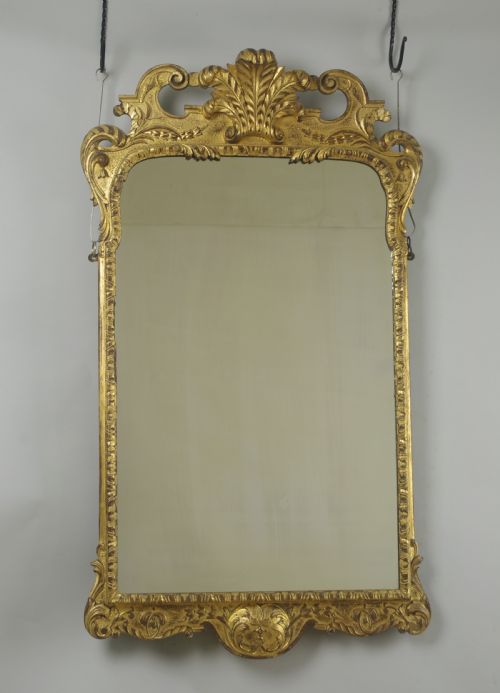
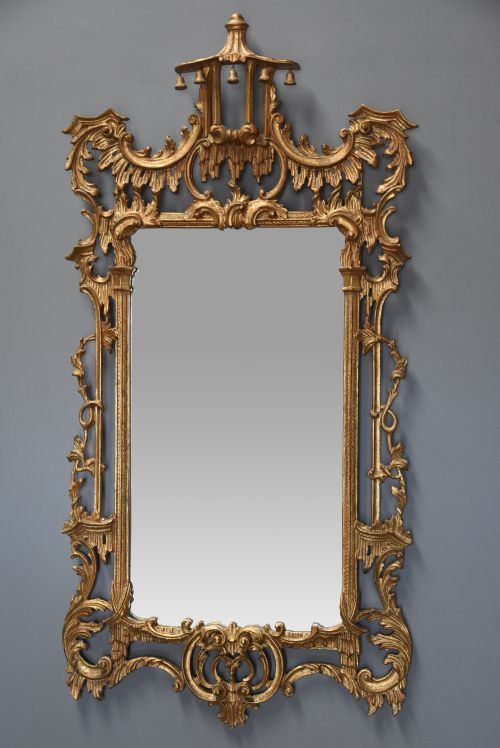
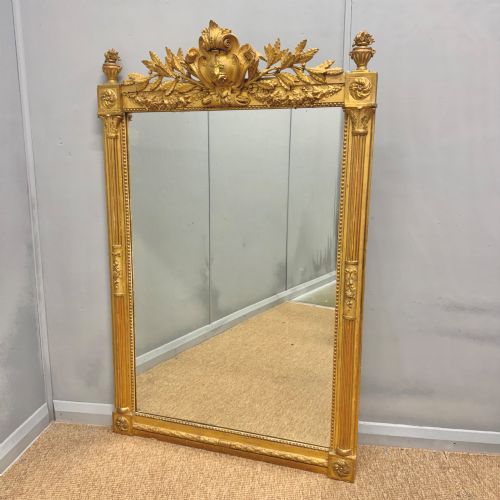
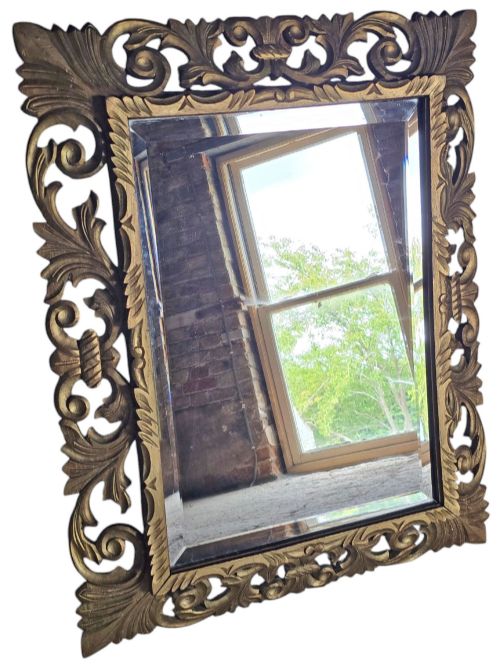
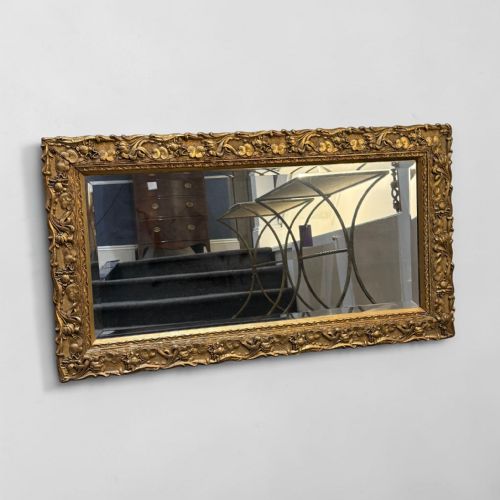
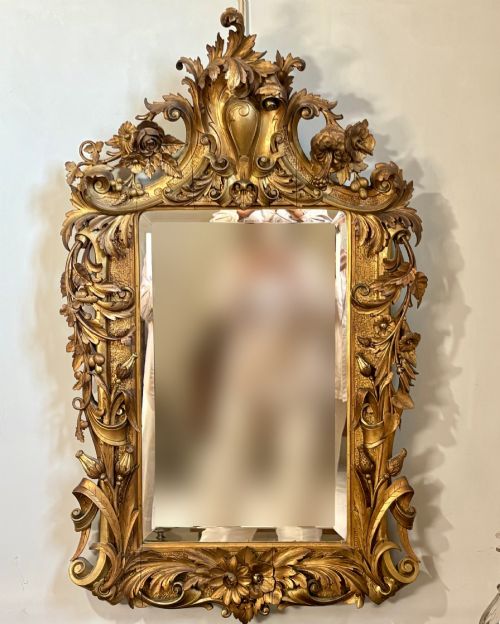
A large hanging mirror brings scale and reflected light to a room, drawing the eye with carved timber and gilded plaster.
Large Hanging Mirror
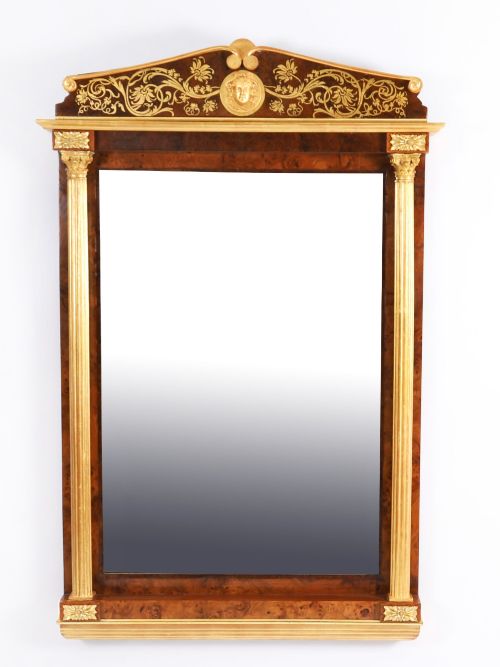
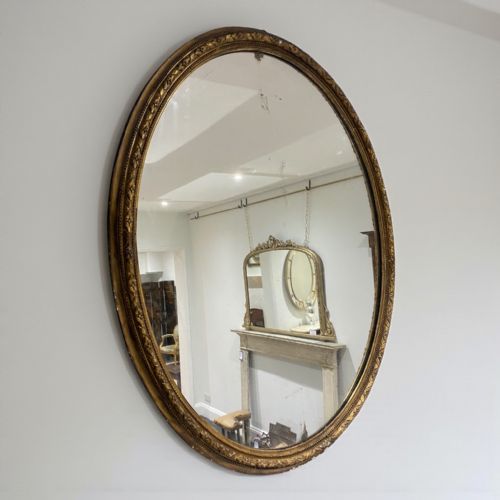
A search for a large hanging mirror reveals substantial wall pieces designed to anchor a room, with the nineteenth century providing the highest concentration of surviving examples.
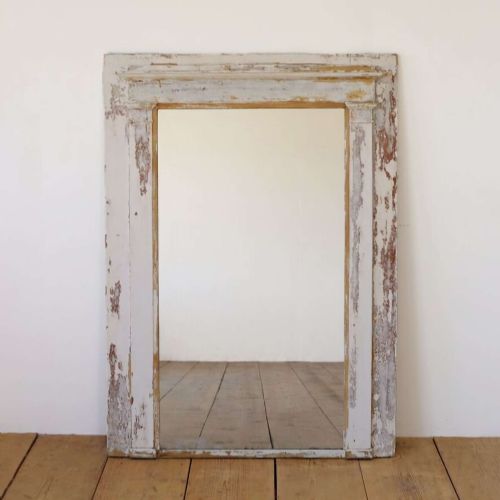
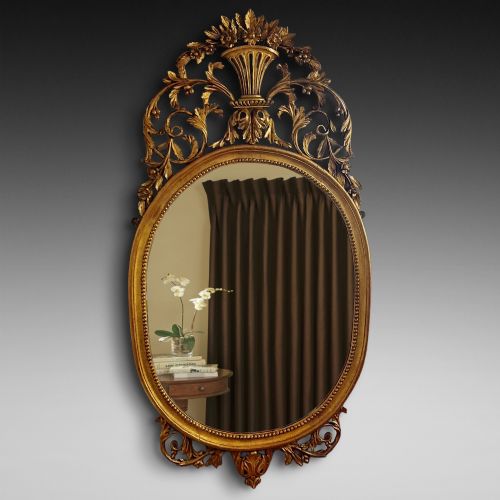
The selections span grand overmantels, carved oval frames, and rectangular wall plates that originate from Victorian, Georgian, and Edwardian periods.
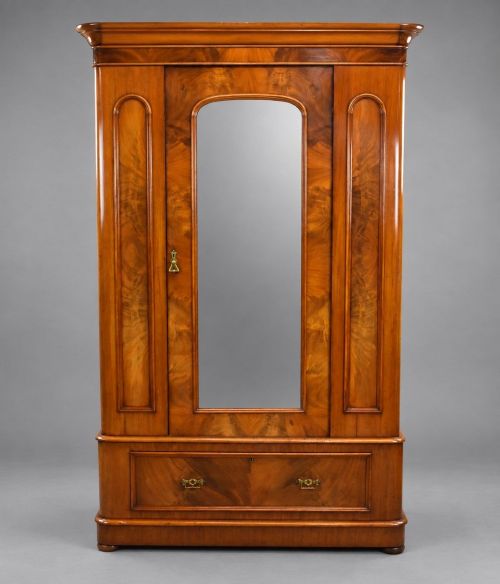
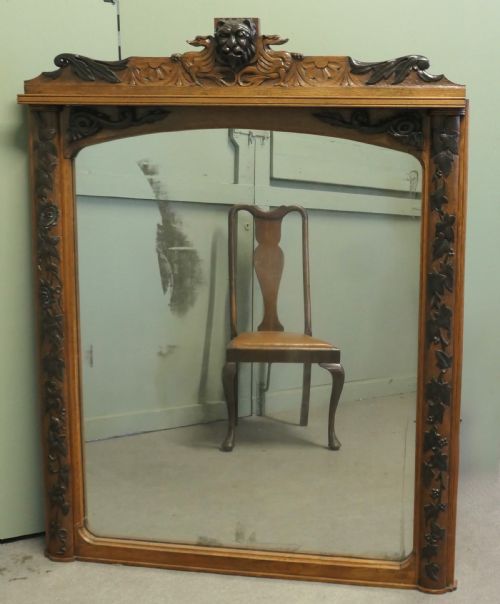
Oak, mahogany, and walnut form the wooden carcasses, while gilded gesso and giltwood dominate the ornate decorative surfaces.
How they were made
Carvers shaped solid timbers like oak, walnut, and mahogany into deep mouldings and applied ornamentation, occasionally incorporating inlaid details or contrasting ebonised highlights.
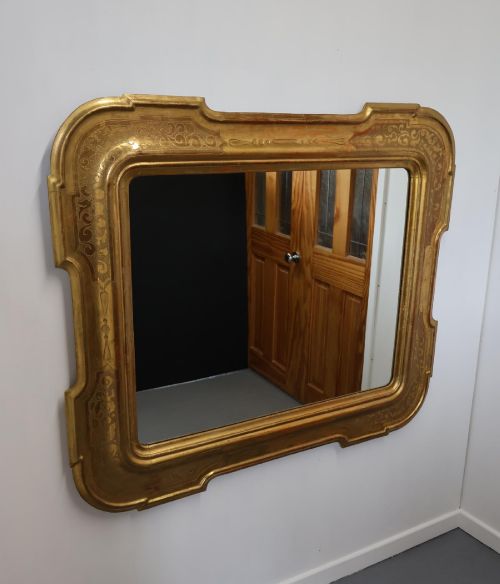
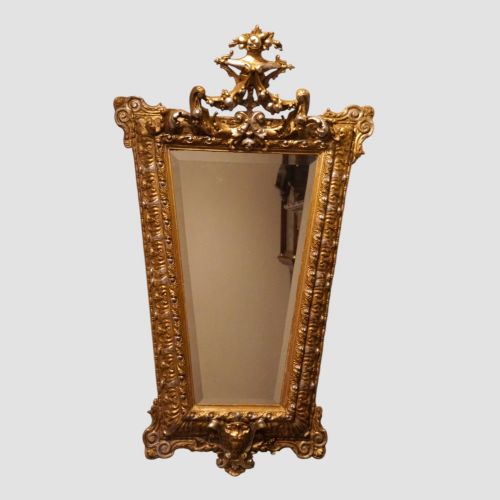
Giltwood and gesso pieces relied on layers of plaster built over a wooden base, carved while damp and then covered with fine gold leaf to catch the light.
Glass plates were set into the rebated frames, sometimes featuring bevelled edges or replacement panels fitted during subsequent conservation work.
Large Hanging Mirror Retail Price Guide 2026
Typical asking prices for large hanging mirror among the pieces listed under this phrase on Sellingantiques today, from the lower quarter to the upper quarter. They describe what is for sale here now, not the wider market.
Materials range from solid oak and mahogany to giltwood, gesso, brass, and mother of pearl.
What varies in quality
The depth and crispness of the hand-carved ornament separate standard production from exceptional work, particularly where acanthus leaves, crests, and floral motifs meet at the corners.
The integrity of the original gilding and the preservation of the gesso ground determine the visual richness of gilt frames, distinguishing untouched surfaces from heavy modern re-gilding.
Proportion and scale dictate the success of the piece, with balanced ovals and well-mitred rectangular frames offering a more commanding presence than lesser compositions.
The Large Hanging Mirror Glossary
- Giltwood
- Wood that has been coated with a thin layer of gold leaf over a prepared surface. This technique creates a luminous finish characteristic of formal nineteenth-century interior pieces.
- Gesso
- A plaster mixture applied to wooden frames as a base for carving and gilding. Artisans modelled intricate floral and scroll designs directly into this damp paste.
- Overmantel
- A large mirror specifically proportioned to hang above a fireplace mantelpiece. These pieces often feature wide rectangular or arched formats to fill the chimney breast.
- Cushion frame
- A mirror frame with a broad, convex profile that slopes outward from the glass. This style creates a pronounced volumetric border around the reflective plate.
- Trapezoidal
- A geometric shape with four sides where only two are parallel. This uncommon frame configuration offers an angular alternative to traditional ovals and rectangles.
Large Hanging Mirror: Frequently Asked Questions
How do I hang a heavy antique mirror safely?
Substantial frames require heavy-duty fixings attached directly to wall studs or masonry rather than relying on standard picture wire. Using a robust mirror plate system distributes the considerable weight evenly across the structure.
Professional installation ensures the hanging points on the wooden carcass take the strain without twisting the antique frame or stressing the joints.
What is the difference between an overmantel and a wall mirror?
Overmantels are traditionally manufactured with specific horizontal proportions intended to sit centrally above a fireplace opening. They frequently incorporate broader lower sections to anchor the visual weight of the hearth below.
Standard wall mirrors are designed for general room placement on any vertical surface and often feature vertical orientations or balanced oval shapes.
Are antique mirror plates always original?
Many older pieces have received replacement glass over the decades due to accidental breakage or silver degradation. The presence of new glass is often documented in the description and does not diminish the decorative value of the antique frame.
Original plates typically display light foxing, minor speckling, and slight distortions that reveal the age of the manufacturing process.
How do I identify the period of a carved wooden frame?
Stylistic cues such as Georgian symmetry, Victorian ornamentation, or Edwardian inlaid marquetry provide the primary indicators of age. Examining the timber behind the frame and the construction methods used on the joints confirms the era of manufacture.
Secondary woods used for the backboards and the composition of the gesso ground offer further physical evidence for dating the object.