







Moulded Wooden Frame
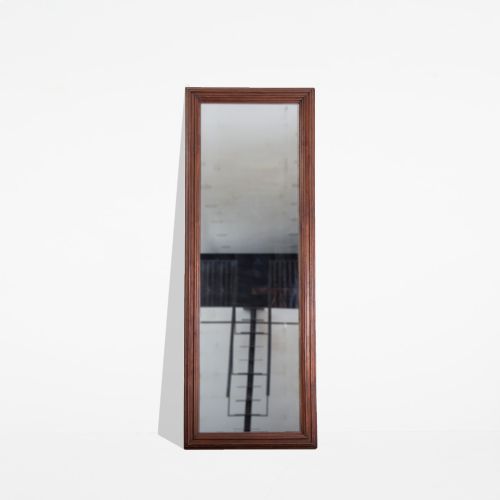
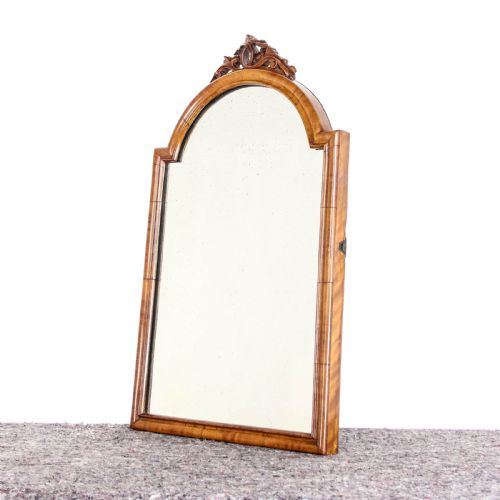
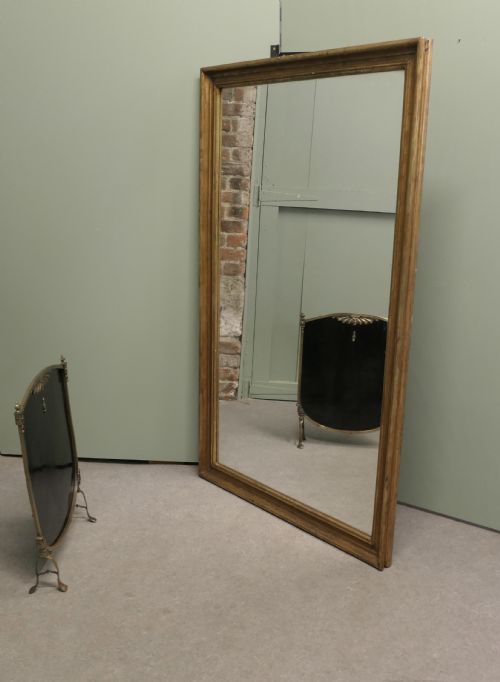
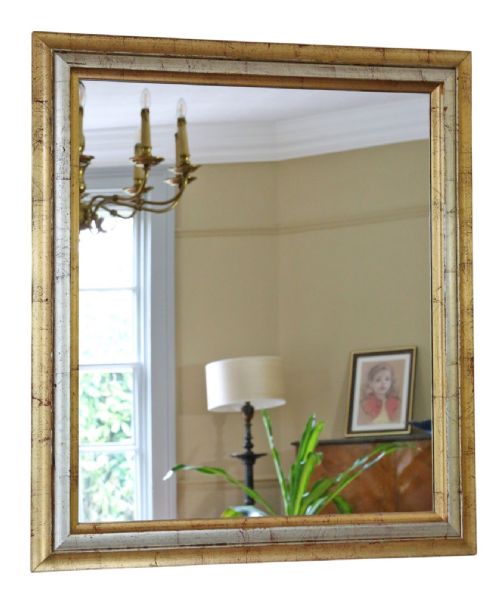
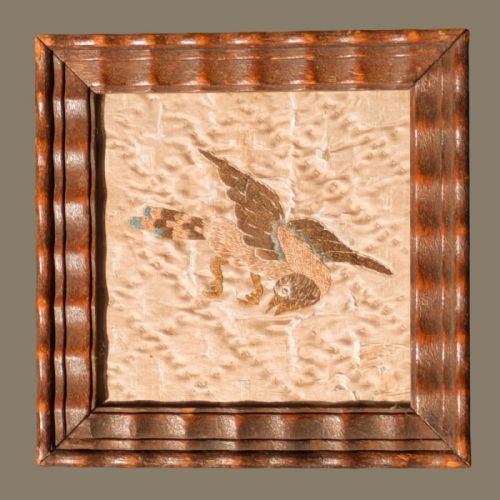
These pieces of moulded wooden frame work bring honest character to a wall, combining deep timber profiles with period glass or needlework.
Moulded Wooden Frame
A moulded wooden frame provides structural enclosure and decorative depth for mirrors, pictures, and embroidered textiles. The selection spans centuries of cabinetmaking, from early seventeenth-century examples up to mid-twentieth-century pieces.
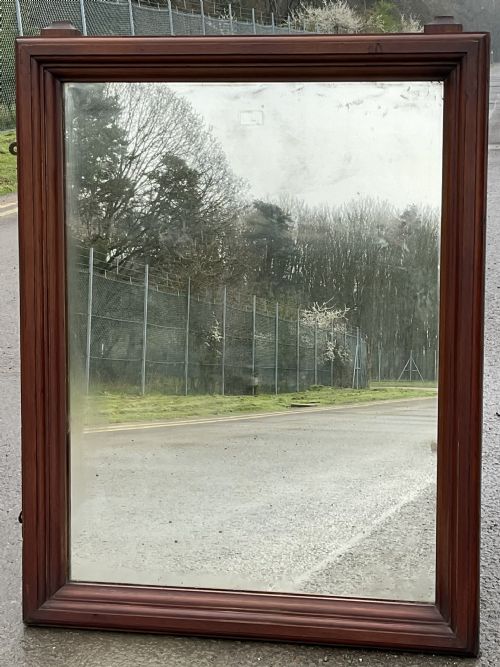
Most items encountered on this page take the form of wall mirrors, hanging mirrors, and overmantel mirrors constructed in various timber species. Alongside these mirrors, buyers will find framed needlework and select cabinet pieces incorporating pronounced surrounds.
The aesthetic draws on numerous historical phases, including Georgian, Victorian, Edwardian, and French nineteenth-century traditions. Each period brings distinct proportions and timber choices to the moulding process.
Materials and construction
Makers utilised solid timbers such as walnut, mahogany, maple, and ebony, often shaping the wood directly into architectural profiles. Oyster veneers and painted finishes also appear, adding decorative variety to the underlying wooden structure.
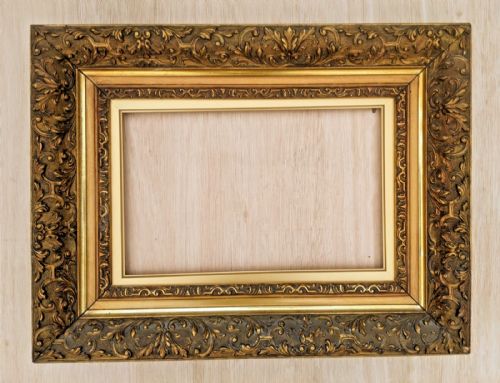
Many frames incorporate surface treatments like gesso and gold leaf to highlight the carved or moulded details. Original mirror glass and bevelled plates are frequently retained within the wooden rebates.
Some seventeenth-century branches gave their very best rings just to look like oysters on a wall.
Judgements of quality
Quality rests in the crispness of the timber moulding and the harmony of the overall proportions. A well-executed profile maintains deep relief and clean lines without losing the natural warmth of the grain.
The integrity of the materials, from the selection of dense hardwoods like walnut and mahogany to the preservation of original gilding and glass, determines the distinction of the piece.
The Moulded Wooden Frame Glossary
- Moulding
- A strip of wood shaped with various contours to ornament a surface or frame an opening. It creates shadow lines and architectural depth.
- Gesso
- A plaster-like mixture applied to wood surfaces as a smooth base for gilding or painting. It accepts fine detail work before leaf application.
- Oyster veneer
- Thin circular slices cut across small branches to produce concentric rings of grain. This technique dates prominently to the seventeenth century.
- Bevelled glass
- Mirror glass with edges cut and polished at an angle to catch the light. This treatment adds a refined finish to the inner perimeter.
Moulded Wooden Frame: Frequently Asked Questions
What periods do these frames come from?
The pieces span multiple centuries, ranging from seventeenth-century oyster veneer examples through Georgian and Victorian periods up to mid-twentieth-century designs.
Each era reflects the prevailing tastes in timber selection and decorative moulding techniques used by contemporary makers.
Are all these items mirrors?
While the majority function as wall mirrors or overmantel mirrors, the selection also includes framed embroidery and select furniture items.
The unifying element remains the prominent moulded wooden surround that defines each piece.
How do I identify a walnut frame?
Walnut frames display rich, dark brown tones with distinctive grain patterns that develop a deep patina over time. Cabinetmakers favoured this timber for its stable working qualities.
Examples range from simple Georgian profiles to intricate seventeenth-century veneer work.
What is an overmantel mirror?
An overmantel mirror is a wide format mirror built to sit directly above a fireplace opening. Edwardian and nineteenth-century examples often utilise this layout.
Their substantial proportions help reflect light across larger reception rooms.