





Traditional Mahogany Mirror
A traditional mahogany mirror brings warmth and refined timber grain to a room, offering both practical reflection and classic interior depth.
What traditional mahogany mirror pieces are
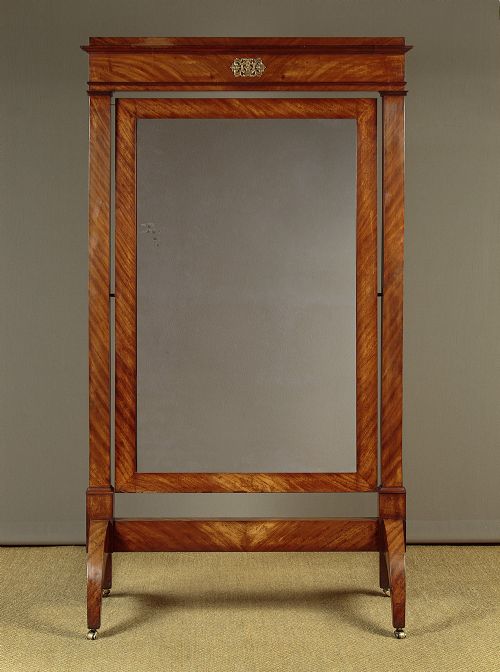
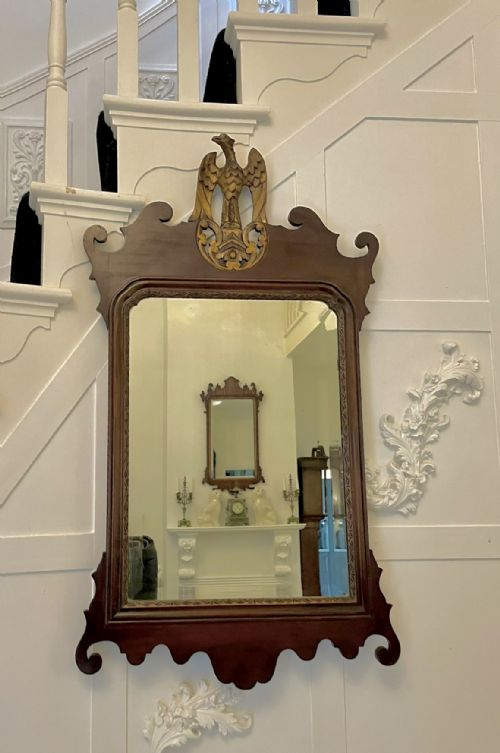
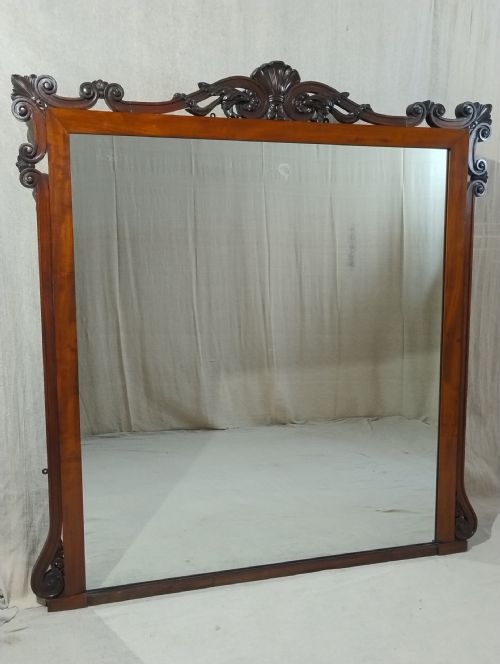
A traditional mahogany mirror encompasses wall mirrors and cheval mirrors spanning the eighteenth century through the Edwardian period. These pieces demonstrate Georgian, Victorian, and William IV design influences.
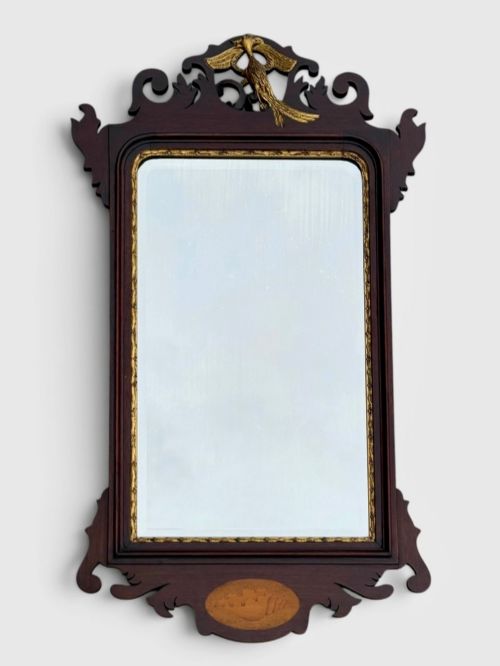
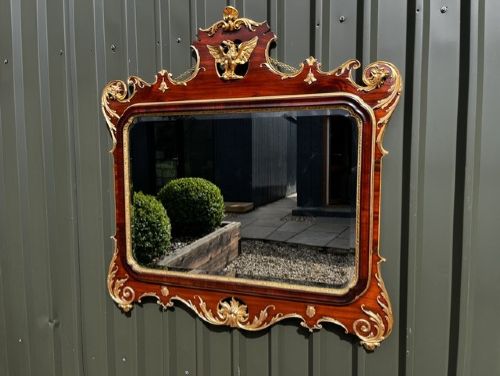
Buyers most frequently encounter wall mirrors and cheval mirrors executed in mahogany, occasionally accented with giltwood and brass fittings. The selections range from early eighteenth-century examples to later Edwardian and Victorian interpretations.
How they were made
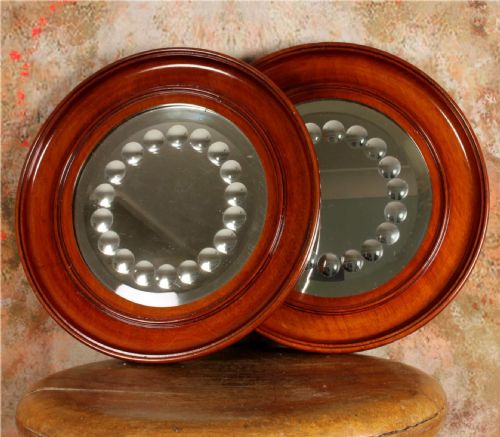
Pieces are constructed from mahogany timber, sometimes incorporating carved details and reverse cut plate glass. Secondary materials such as giltwood and brass provide structural and decorative highlights.
Cabinet makers utilised traditional joinery and carving techniques appropriate to the Georgian, Victorian, and William IV periods. The application of giltwood embellishments and reverse cut glass plates required specialised artisan skill.
Retail Price Guide 2026
Typical UK retail prices for traditional mahogany mirror, calculated from the Sellingantiques database of over a million retail prices indexed since 2003. This retail price guide relies exclusively on Sellingantiques data; no external sources or auction records are used, so the figures do not describe the wider market.
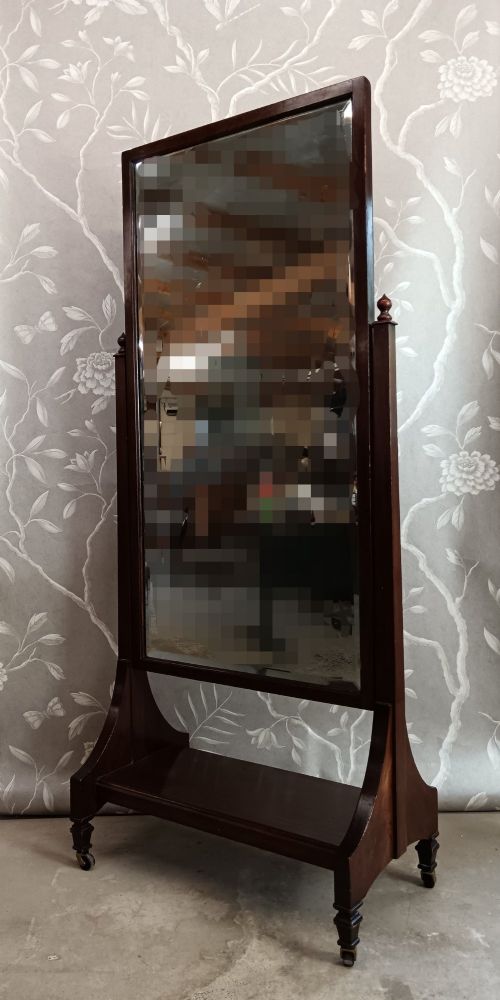
William IV cheval mirrors let you check your boots and wig simultaneously without tilting the room.
What varies in quality
Quality differences lie in the depth of the mahogany carving and the presence of specialist decorative elements like reverse cut plates and giltwood highlights. Heavy quality hanging wall mirrors and intricate pier mirrors demonstrate superior execution compared to plainer forms.
The refinement of the period style, from simple Victorian wall mirrors to sophisticated Georgian parcel gilt examples, dictates the standing of the piece. The integration of brass and the clarity of the glass plate further distinguish the range.
The Traditional Mahogany Mirror Glossary
- Cheval mirror
- A freestanding full-length mirror supported on a frame with four legs, designed to swing on pivots. This form allows the user to adjust the viewing angle.
- Pier mirror
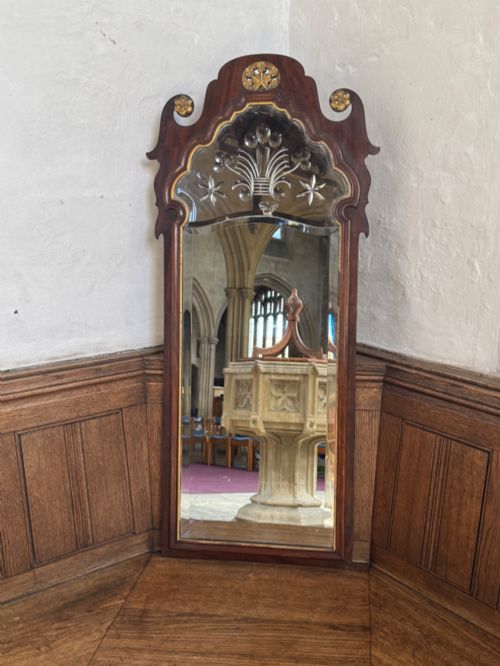
- A tall mirror specifically designed to hang on the wall between windows or above a pier table. These often feature decorative upper panels and reverse cut plates.
- Parcel gilt
- Partially gilded timber surfaces where gold leaf highlights specific carved details against the dark mahogany background. This technique adds visual contrast to Georgian and Edwardian designs.
- Reverse cut plate
- A glass mirror plate featuring decorative incisions or engravings on the reverse side. This creates a layered, reflective depth visible through the front of the glass.
Frequently Asked Questions
Where should I hang a traditional mahogany mirror?
Wall mirrors suit placement above a fireplace mantel or in a hallway to enhance natural light and space.
Heavier Victorian hanging mirrors require secure wall fixings to support their substantial timber frames safely.
What is the difference between a wall mirror and a cheval mirror?
Wall mirrors are designed to be mounted securely onto vertical wall surfaces for fixed placement.
Cheval mirrors stand independently on the floor as large, adjustable pieces meant for full-length viewing.
How do I identify a Georgian style mirror?
Georgian style mirrors often incorporate classical architectural motifs, parcel gilt accents, and sophisticated carved details.
Examples from this design tradition frequently utilise reverse cut glass plates and symmetrical pier mirror formats.
What materials were used in these mirrors?
Primary construction relies on mahogany timber, prized for its rich grain and durable qualities.
Additional materials include reflective glass plates, giltwood embellishments, and brass hardware for structural support.