
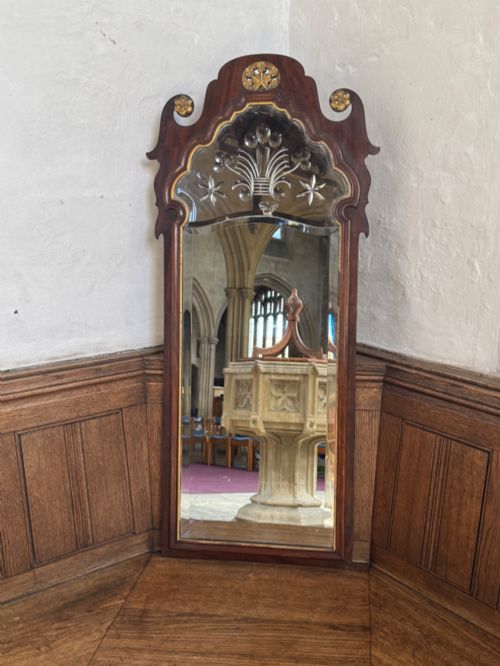
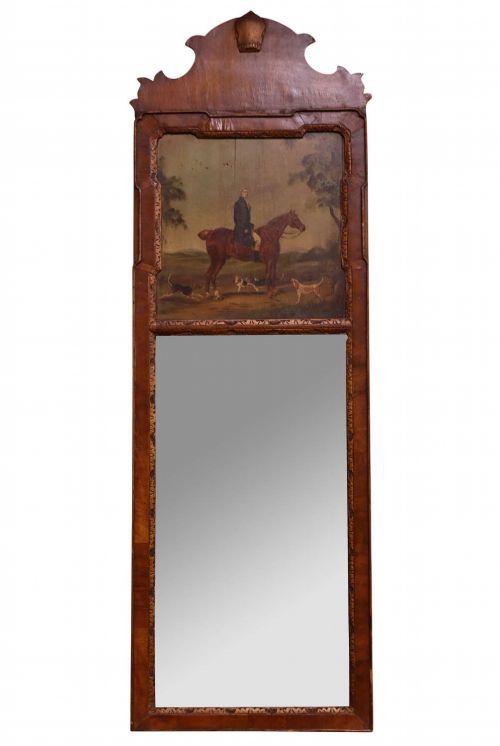
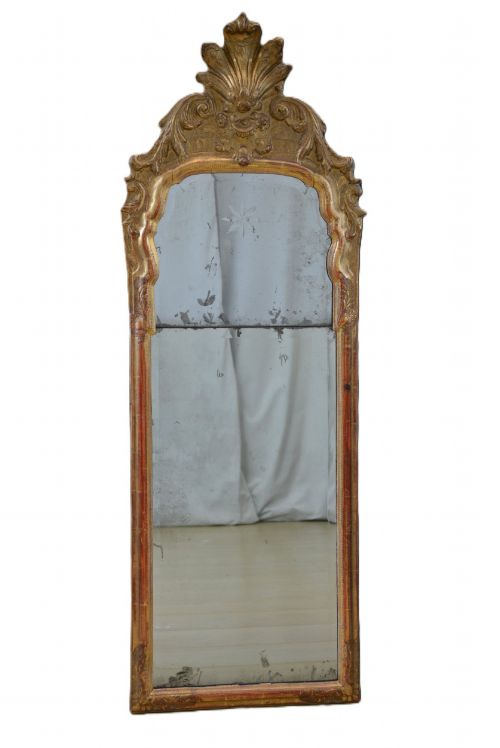

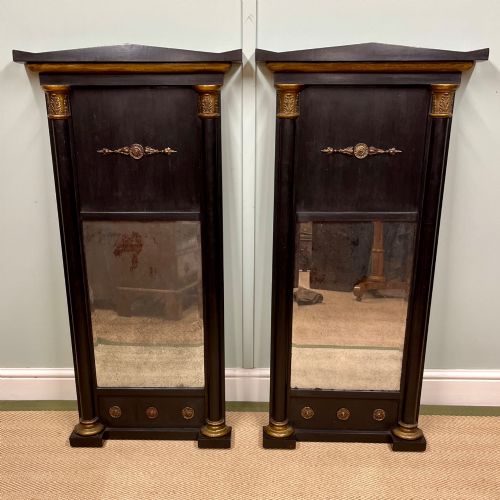

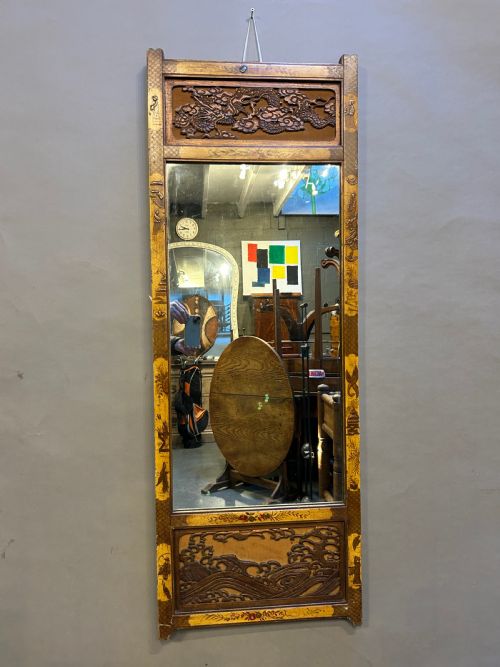


Tall Narrow Wall Mirror
These tall narrow wall mirror pieces bring vertical proportion and reflecting light to tight spaces.
What tall narrow wall mirror pieces are
A tall narrow wall mirror provides vertical reflection, designed to hang in spaces where standard horizontal glasses fail to fit. The selections span pier glasses, panel mirrors, and console styles.
Most examples originate from the nineteenth century, including Edwardian interpretations and specific years around nineteen hundred. Surviving pieces draw on Georgian, Empire, Neoclassical, and French Chateau design traditions.
Makers historically tailored these vertical formats for placement between windows or above narrow architectural piers. Today, buyers utilise them to draw light into hallways and compact rooms.
How they were made
Construction relies on timber foundations including mahogany, walnut, and general wood substrates shaped into vertical proportions. Artisans applied giltwood, gilt metal, and painted finishes to the exterior frames.
Glazing involves standard mirror glass and specific reverse cut plate techniques. Frames incorporate decorative styles such as parcel gilt detailing and ebonised highlights.
Retail Price Guide 2026
Typical UK retail prices for tall narrow wall mirror, calculated from the Sellingantiques database of over a million retail prices indexed since 2003. This retail price guide relies exclusively on Sellingantiques data; no external sources or auction records are used, so the figures do not describe the wider market.
Mirrors originally placed between windows tricked Georgian guests into thinking rooms had double the natural light.
What varies in quality
Quality separates through the execution of period revival styles, distinguishing ambitious interpretations from simpler workshop output. The crispness of parcel gilt work and the depth of wood figuring dictate visual standing.
The sophistication of the glass plate elevates certain examples above standard utility pieces. Reverse cut plates and heavy timber carcases demonstrate superior craft against plain painted surfaces.
The Tall Narrow Wall Mirror Glossary
- Pier mirror
- A tall narrow wall mirror designed specifically to hang on the wall space between two windows. These items often sat above console tables.
- Parcel gilt
- A decorative treatment where selected portions of a frame receive gold leaf while other areas show painted wood or natural timber. This technique highlights carved details.
- Reverse cut plate
- A mirror glass decorated with cuts or engravings applied to the rear surface. This method creates depth within the reflection.
- Burr walnut
- Timber taken from walnut tree growths showing intricate grain patterns. Cabinetmakers utilised this material for high status veneer work.
- Empire style
- A Neoclassical design movement drawing on ancient Roman and Greek motifs. The aesthetic favors bold symmetry and architectural discipline.
Frequently Asked Questions
Where should I hang a tall narrow wall mirror?
These mirrors suit narrow wall spaces, hallways, and areas between windows where standard frames do not fit. Their vertical shape draws the eye upward.
They also function effectively above low furniture pieces such as console tables or sideboards to balance room proportions.
What materials make up these frames?
Frames utilise woods including mahogany and walnut, frequently enhanced with giltwood, gilt metal, or painted finishes. Some examples incorporate burr walnut veneers.
Surfaces often display parcel gilt highlights or ebonised details alongside standard mirror glass plates.
How do revival styles differ from original periods?
Revival pieces appropriate historical aesthetics like George II or Adam designs while utilising nineteenth century production methods and materials. They reflect later manufacturing dates.
Examining the construction timbers and glass plates helps distinguish between original eighteenth century pieces and later revival works.