






Georgian Revival Mirror
A georgian revival mirror brings eighteenth-century elegance into twentieth-century rooms through careful echoes of mahogany, walnut, and giltwood.
Georgian Revival Mirror
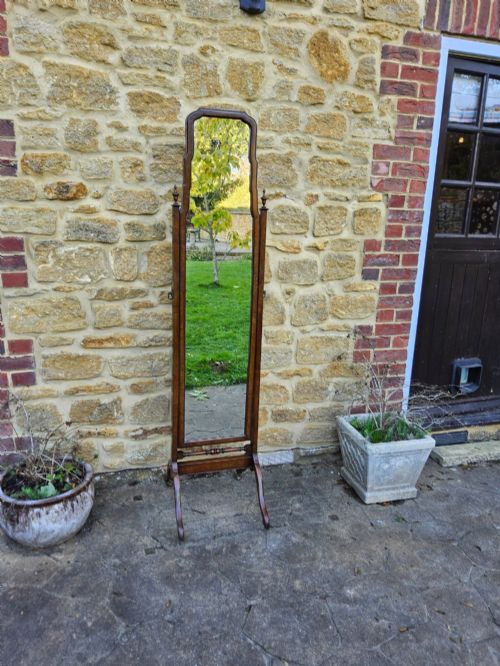
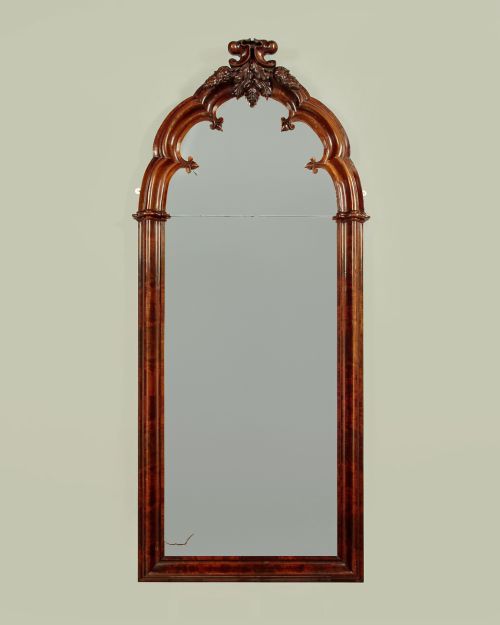
When searching for a georgian revival mirror, buyers encounter wall-hanging pieces, overmantel mirrors, and dressing table variants produced from the late nineteenth century into the twentieth century. These objects draw directly from earlier design vocabularies associated with Chippendale, Adam, and George II aesthetics.
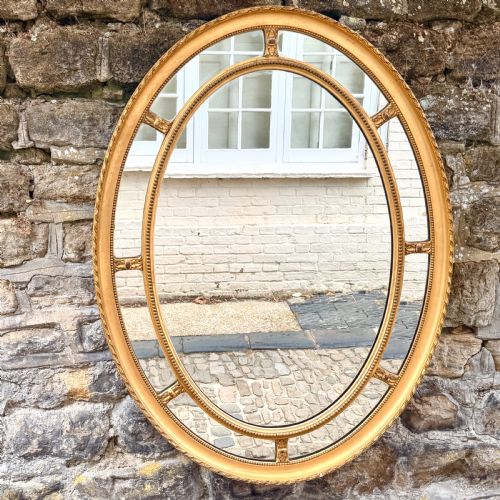
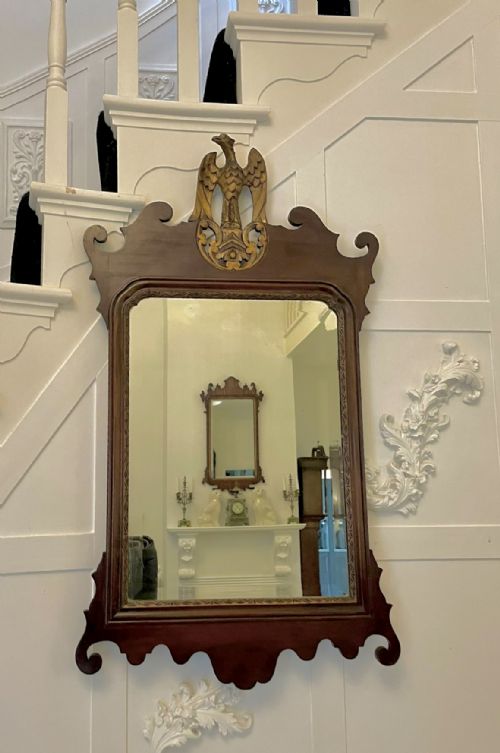
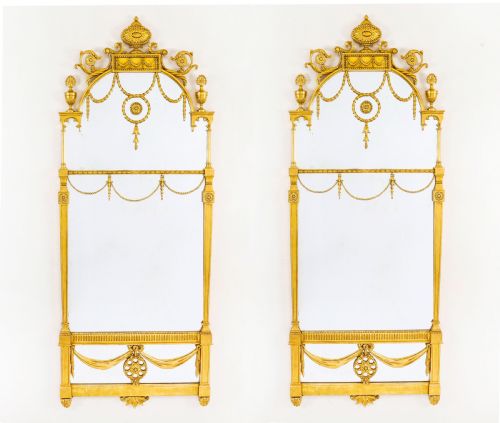
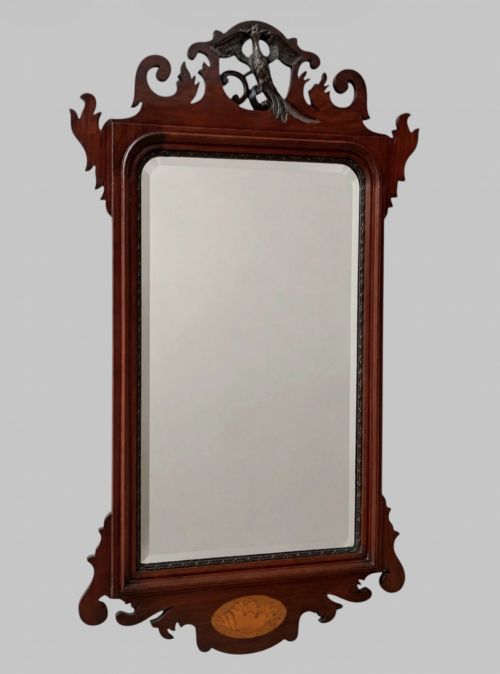
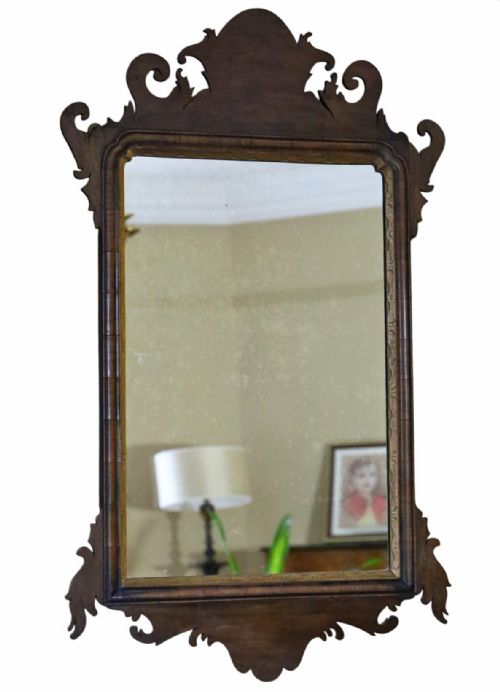
The version most commonly met on this page is the fret-cut mahogany or walnut wall mirror, often accented with parcel-gilt details. Alongside these, large giltwood and gesso overmantel mirrors appear frequently, reflecting the grand proportions of their nineteenth and twentieth-century makers.
Origins span Victorian, Edwardian, and later periods, capturing historical revivalism through forms such as pier mirrors and dressing chest attachments. Each piece replicates the decorative proportions of earlier centuries while utilising timber and glass characteristic of later workshops.
How They Were Made
Frames rely heavily on solid mahogany, burr walnut, and satinwood, often shaped with scrollwork and fret-cut silhouettes. Giltwood and gesso elements provide the bright, reflective accents typical of Adam and Regency revival designs.
Mirror glass sits within these timber structures, sometimes featuring bevel edges or divided plates arranged in triptych formats. Joinery and carving techniques mirror historical methods, combining applied gilt motifs with hand-cut veneers.
Georgian Revival Mirror Retail Price Guide 2026
Typical asking prices for georgian revival mirror among the pieces listed under this phrase on Sellingantiques today, from the lower quarter to the upper quarter. They describe what is for sale here now, not the wider market.
Listings feature walnut, mahogany, and giltwood constructions spanning the nineteenth and early twentieth centuries.
What Varies in Quality
The distinction between tiers rests upon the crispness of the fret-cutting and the depth of the carved wood or moulded gesso. Superior examples display intricate scrollwork and precise parcel-gilt detailing that remain sharp across the entire frame.
Material selection dictates the upper range, where figured burr walnut or rich mahogany veneer shows consistent grain and careful matching. Poorer execution reveals heavy, flat moulding and lack of dimension within the carved elements.
Sir William Trotter·William Kent·John Belchier
The Georgian Revival Mirror Glossary
- Fret-cut
- A thin board pierced with intricate fretwork patterns, commonly seen on the crests and borders of walnut and mahogany wall mirrors.
- Gesso
- A plaster-like mixture applied to wooden frames as a base for subsequent gilding, allowing for sharp decorative moulding.
- Pier glass
- A tall mirror designed to hang on the narrow wall pier between windows, frequently paired with a console table.
- Parcel-gilt
- Partially gilded woodwork where gold leaf highlights specific carved details against a dark mahogany or walnut background.
- Overmantel mirror
- A wide horizontal mirror scaled to fit securely above a fireplace mantel.
Georgian Revival Mirror: Frequently Asked Questions
How do I hang a heavy overmantel mirror?
These large frames require secure fixings into structural wall studs or masonry to support the combined weight of timber and glass safely. Professional installation prevents shifting over time.
Position the frame at a height that reflects surrounding room elements rather than bare ceiling lines, ensuring balanced proportions above the fireplace.
Are these mirrors genuinely eighteenth century?
Most pieces found here date from the Victorian, Edwardian, and early twentieth-century periods, constructed in revival styles rather than original eras. Makers during those decades deliberately copied earlier Georgian forms.
Examination of the timber, backing boards, and glass bevelling helps determine the true age of the construction.
What is the difference between Adam and Chippendale revival?
Adam revival frames lean toward neoclassical symmetry, featuring urn motifs, ribbon ties, and crisp gesso gilding derived from ancient architectural sources. They offer a formal, restrained aesthetic.
Chippendale revival focuses on asymmetrical scrollwork, fret-cut silhouettes, and bird or shell carved crests, embodying a more fluid and organic timber style.
How do I clean antique mirror glass?
Wipe the glass gently with a soft cloth dampened lightly with water or a mild glass cleaner, avoiding harsh chemicals. Spraying liquid directly onto the frame risks damaging the gilt or wood finish.
Keep moisture away from the edges of the plate where silvering deterioration often begins on older glass.