



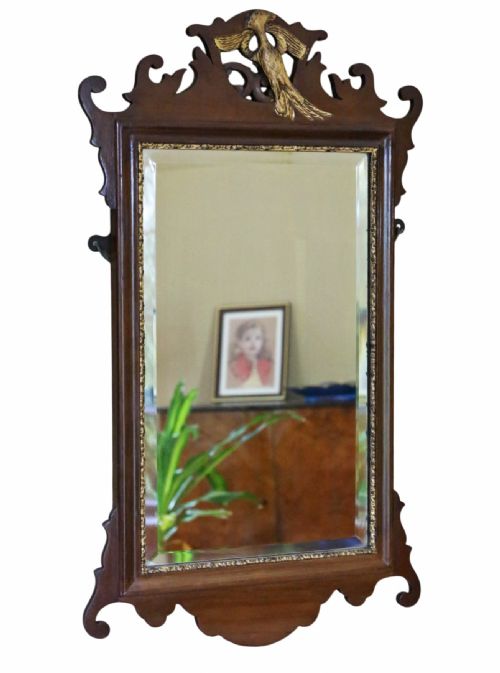


Fret Cut Mirror
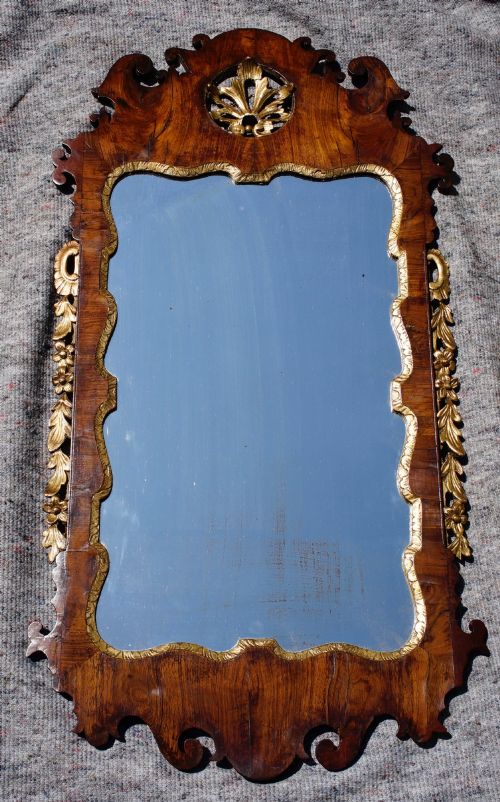
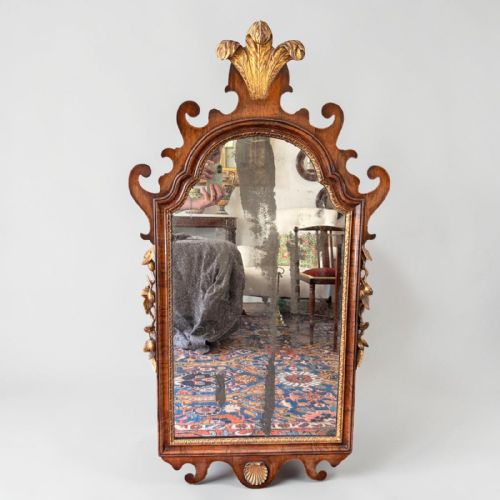
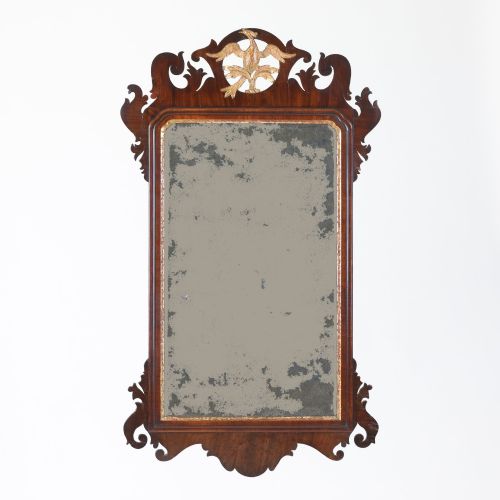
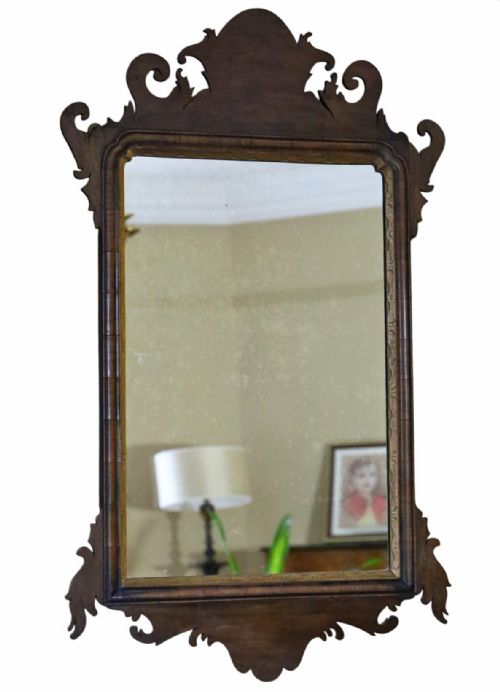
These fret cut mirror examples bring pierced wooden silhouettes and crisp lines into a room, offering the architectural grace of the eighteenth century.
Fret Cut Mirror
A fret cut mirror is a wall hanging featuring intricate pierced wooden frames shaped with fretsaws, predominantly appearing in Georgian, nineteenth-century, and revival editions. Buyers searching for a fret cut mirror encounter wall mirrors constructed from mahogany, walnut, and giltwood.
The historical forms span eighteenth-century originals alongside later revivals from the nineteen-hundreds and nineteen-twenties. These pieces frequently incorporate classic motifs including the Ho-ho bird and shaped crests derived from Chippendale patterns.
Most pieces function as principal wall mirrors or pier mirrors intended for placement above mantelpieces and furniture consoles. The survival of original glass and timber patination distinguishes the period pieces from later interpretations.
Assessing quality and craftsmanship
Quality rests in the precision of the pierced fretwork and the sharpness of the internal corners left by the fretsaw. Superior examples display balanced proportions, delicate scroll ears, and carefully figured timber veneers like flame mahogany or burr walnut.
The integrity of the frame construction and the retention of original glass plates elevate certain pieces above standard replacements. Later revivals vary from mass-produced interpretations to meticulous hand-finished cabinetwork that echoes eighteenth-century standards.
Fret Cut Mirror Retail Price Guide 2026
Typical asking prices for fret cut mirror among the pieces listed under this phrase on Sellingantiques today, from the lower quarter to the upper quarter. They describe what is for sale here now, not the wider market.
A mythical Ho-ho bird occasionally keeps watch from the very top of the scrollwork.
The Fret Cut Mirror Glossary
- Fret cut
- Woodworking technique where a thin board is pierced with a saw to create decorative openwork patterns. This defines the silhouette of the frame.
- Pier mirror
- A tall wall mirror traditionally hung on the narrow wall space between windows. These pieces often feature elaborate fretwork crests.
- Giltwood
- Timber carved and coated with gold leaf or metallic paint. It frequently highlights the borders and crests of walnut and mahogany frames.
- Chippendale
- Eighteenth-century furniture style associated with Thomas Chippendale. The design vocabulary includes asymmetrical scrollwork and pierced fret motifs.
- Ho-ho bird
- Mythical Chinese phoenix motif popular in eighteenth-century ornamentation. It frequently surmounts the crest of a mirror frame.
Fret Cut Mirror: Frequently Asked Questions
How do I date a fret cut mirror?
Dating relies on examining the timber species, secondary woods behind the frame, and the characteristics of the mirror plate itself. Eighteenth-century pieces exhibit hand-beveled glass, oxidized backing, and pegged joints.
Revival pieces from the early twentieth century often utilise machine-cut veneers, modern screw fixings, and cleaner, standardised glass plates despite adopting historical Georgian styles.
Where should I hang a fret cut mirror?
These wall mirrors suit placement above mantelpieces, entrance consoles, or low sideboards where their vertical proportions draw the eye upward. Because the pierced frames are relatively delicate, they perform best in protected indoor environments away from direct moisture.
Ensure the wall fixings engage securely with the weight of the timber frame and mirror glass.
Are original mirror plates important?
Original glass plates retain authentic foxing, silvering irregularities, and subtle distortions that confirm the age of the mirror. Collectors value these elements because they prove the glass has remained undisturbed within the frame for centuries.
Replacement glass is common in older items and shifts the focus toward the skill of the original woodwork.