





Ho Ho Bird Mirror
These ho ho bird mirror pieces combine carved mythical crests with period frames, bringing classical Chinese influence into British interiors.

Ho Ho Bird Mirror
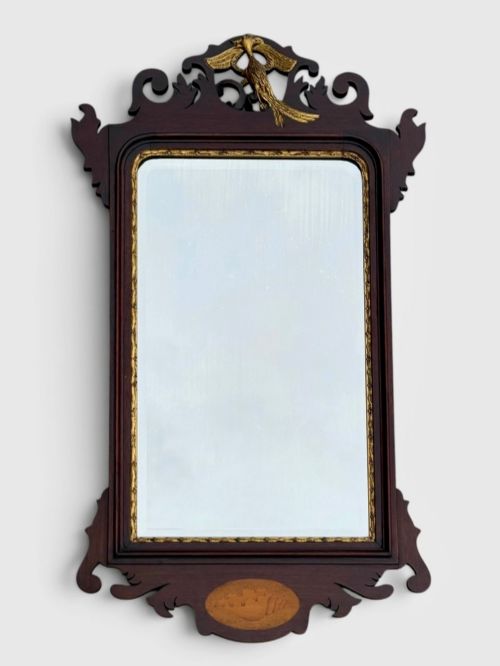
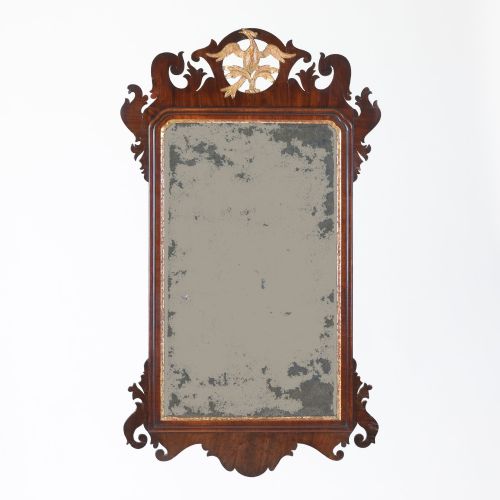
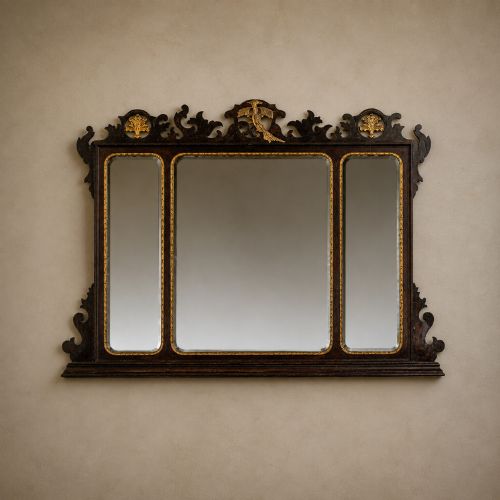
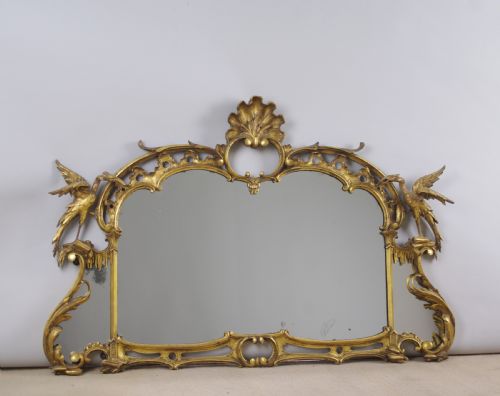
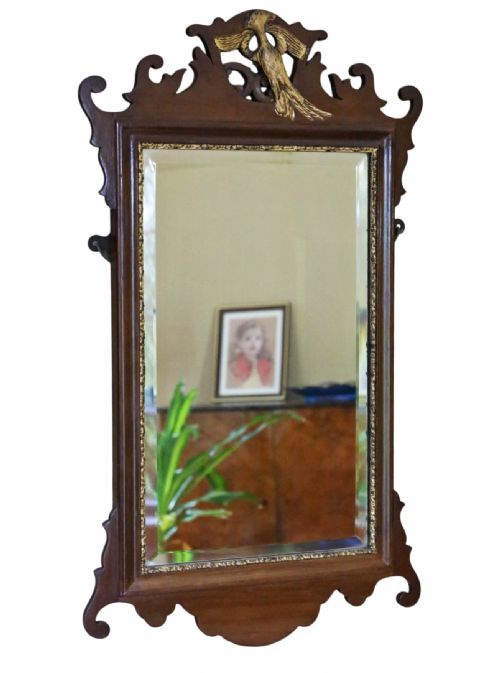
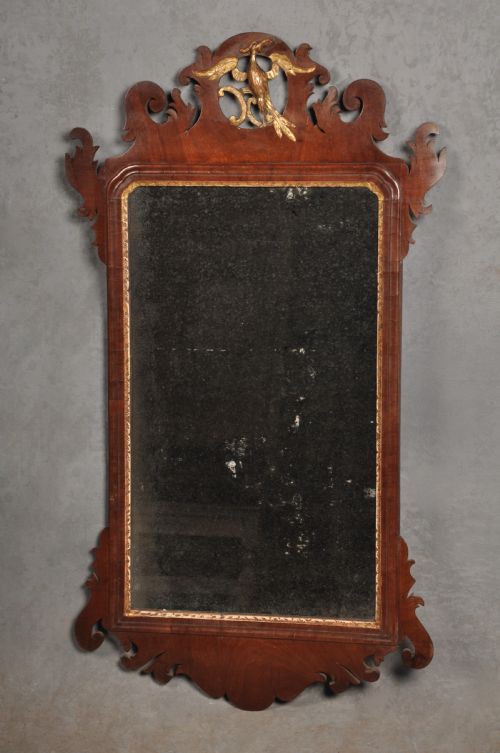
A ho ho bird mirror displays a carved mythical phoenix at its crest, dominating the top of a fret-cut or moulded frame. These pieces appear as wall mirrors, pier glasses, and large overmantel formats.
The most common versions on this page are mahogany or giltwood wall mirrors stretching back to the eighteenth century, alongside later revival interpretations from the Victorian and Edwardian periods.
Makers drew on Chinese Chippendale and Rococo vocabularies, placing the crested bird above bevel-edged glass or plain mirror plates.
Materials and construction
Craftsmen built the frames using solid mahogany, walnut, or softwoods finished with gold leaf, gesso, and parcel-gilt details. Wood inlay and birds-eye maple occasionally appear on specific panels and borders.
Carvers shaped the timber using fret-cut techniques to create intricate pierced scrolls and symmetrical foliage flanking the central bird crest.
Ho Ho Bird Mirror Retail Price Guide 2026
Typical asking prices for ho ho bird mirror among the pieces listed under this phrase on Sellingantiques today, from the lower quarter to the upper quarter. They describe what is for sale here now, not the wider market.
Listings feature eighteenth-century originals alongside nineteenth-century and Edwardian revival pieces in mahogany, walnut, and giltwood.
Quality differences
The precision of the fretwork carving distinguishes finer examples from simpler workshops, particularly in the depth and undercut relief of the ho ho bird cresting. Crisp detailing on the wings and tail feathers requires expert hand work.
The choice of primary timber and the application of original gold leaf or parcel-gilt finish elevate certain mirrors, whereas heavier, flatter surfaces indicate standard revival production.
The Ho Ho Bird Mirror Glossary
- Ho-ho bird
- A mythical Chinese phoenix adapted in European decorative arts as a cresting ornament. This creature typically crowns the top of eighteenth-century and revival mirrors.
- Fret-cut
- A woodworking technique using a piercing saw to cut intricate geometric or floral patterns through thin timber. It defines the silhouette of many wall mirror frames.
- Parcel-gilt
- A decorative treatment where selected portions of a wooden object receive gold leaf or gilt. This technique highlights carved mouldings and bird crests against a dark wood background.
- Pier glass
- A tall mirror designed to hang on the wall space between windows. These mirrors frequently incorporate ornate crests and lower brackets.
- Overmantel mirror
- A wide horizontal mirror intended for placement above a fireplace mantel. These often feature triptych glass panels and elaborate cresting.
Ho Ho Bird Mirror: Frequently Asked Questions
What is a ho ho bird mirror?
A ho ho bird mirror is a wall or pier glass featuring a carved mythical phoenix crest at the top, originating in eighteenth-century stylistic revivals.
These pieces use traditional timber frames, including mahogany and giltwood, combined with intricate fretwork.
How do I style a ho ho bird mirror?
These mirrors suit traditional living spaces, hallways, and dining rooms where wall space allows the carved cresting to stand out.
Position the frame at eye level above a console table or mantelpiece to showcase the detailed woodwork.
How can I tell an older mirror apart?
Differentiating period pieces involves examining the timber grain, the depth of the hand-carved fretwork, and the construction methods behind the glass.
Revival pieces from later centuries often display machine-cut precision and different backing materials compared to eighteenth-century originals.
Were these mirrors used outdoors?
These mirrors were constructed exclusively for interior domestic use in reception rooms, parlours, and hallways.
Exposure to damp conditions damages the delicate gesso, gold leaf, and wooden frame construction.