


Eighteenth Century Mirror
An eighteenth century mirror brings a room alive with candlelight and deep, authentic polish.

Eighteenth Century Mirror
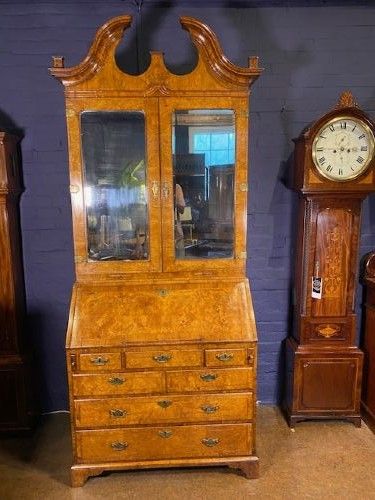
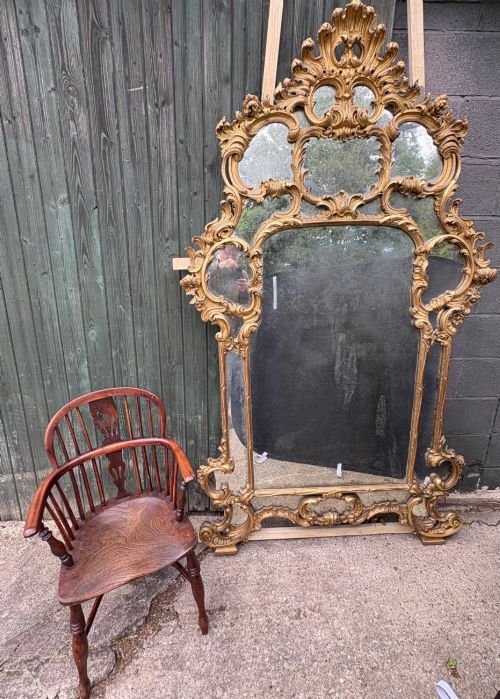
When you search for an eighteenth century mirror, you encounter wall mirrors, toilet mirrors, and architectural trumeau pieces created during the Georgian era.
The versions you meet most frequently on this page span George I, George II, and George III styles, alongside Venetian Rococo designs.
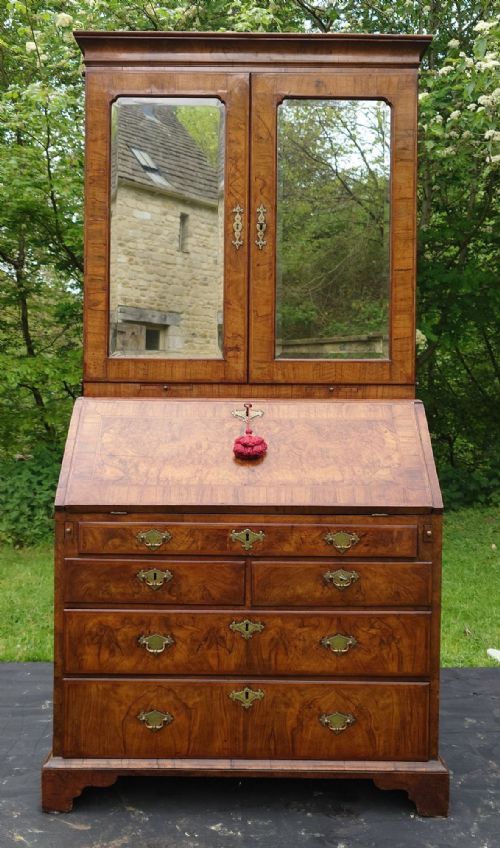
Many examples incorporate bureau bookcases or feature carved wooden frames built to command a principal room.
Materials and Construction
These pieces rely on timber carcases of walnut, mahogany, and rosewood, shaped and joined by hand.
Giltwood and carved wood surfaces receive layers of gesso and gold leaf to achieve their characteristic metallic sheen.
Brass fittings and glass plates complete the construction, reflecting the traditional methods of the period.
Eighteenth Century Mirror Retail Price Guide 2026
Typical asking prices for eighteenth century mirror among the pieces listed under this phrase on Sellingantiques today, from the lower quarter to the upper quarter. They describe what is for sale here now, not the wider market.
Certain mahogany frames sport a cheerful HoHo Bird perched at the top, bringing avian charm to stiff Georgian formality.
Judging Quality
The hierarchy of these pieces rests on the depth and crispness of the hand-carved ornament, particularly on fretwork and architectural mouldings.
Proportion and the integrity of the original gilding or timber figure separate the finest workshops from ordinary production.
The Eighteenth Century Mirror Glossary
- Giltwood
- Timber carved and coated with gold leaf over a prepared gesso ground. This finish defines many formal wall mirrors.
- Trumeau mirror
- An architectural mirror panel often incorporating a painted or carved scene above the glass. It originates from grand interior schemes.
- Toilet mirror
- A smaller dressing table mirror, frequently fitted with small drawers beneath the frame. These pieces sit upon surfaces rather than hang on walls.
- Fretwork
- Thin wood panels cut with intricate pierced patterns using a fretsaw. This technique characterises mahogany frames from the George III period.
Eighteenth Century Mirror: Frequently Asked Questions
Where should I place an eighteenth century mirror?
Position these pieces opposite a window or light source to maximise natural illumination in a room.
They also sit effectively above mantelpieces as traditional overmantle fixtures.
How do I clean antique mirror glass?
Use a soft, dry cloth to remove dust from the glass and frame without disturbing old surfaces.
Avoid commercial chemical sprays that can damage original gilding and fragile silvering.
What is a toilet mirror used for?
Toilet mirrors served as compact dressing pieces for grooming and personal reflection during the Georgian period.
They typically stand on tables and often include small drawer compartments in their bases.