


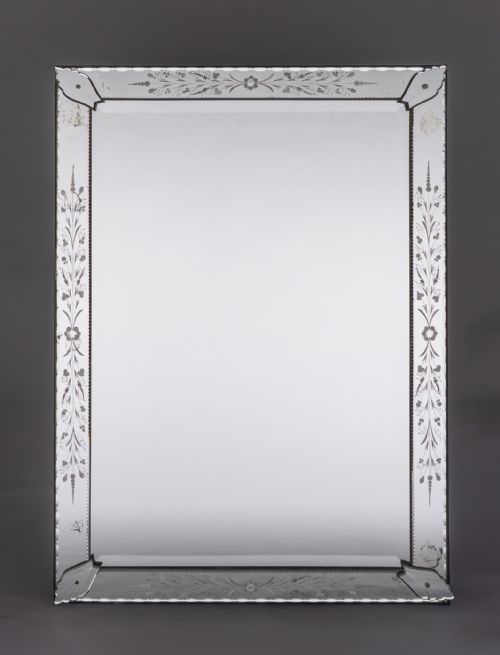
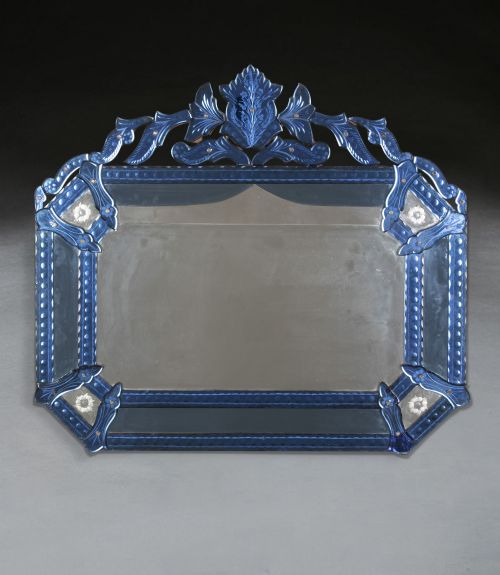
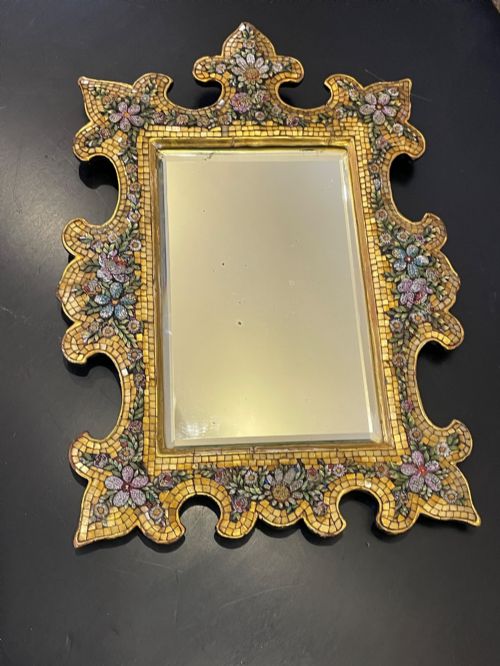
Venetian Wall Mirror
A venetian wall mirror brings remarkable light and intricate glasswork into a room, spanning centuries of Italian craftsmanship from delicate etched plates to bold overmantle forms.
Venetian Wall Mirror
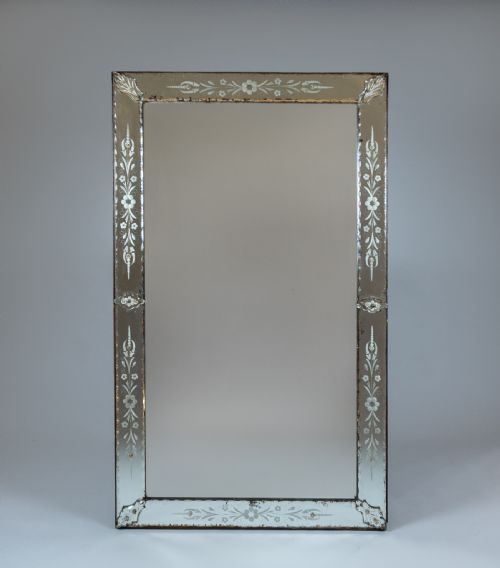
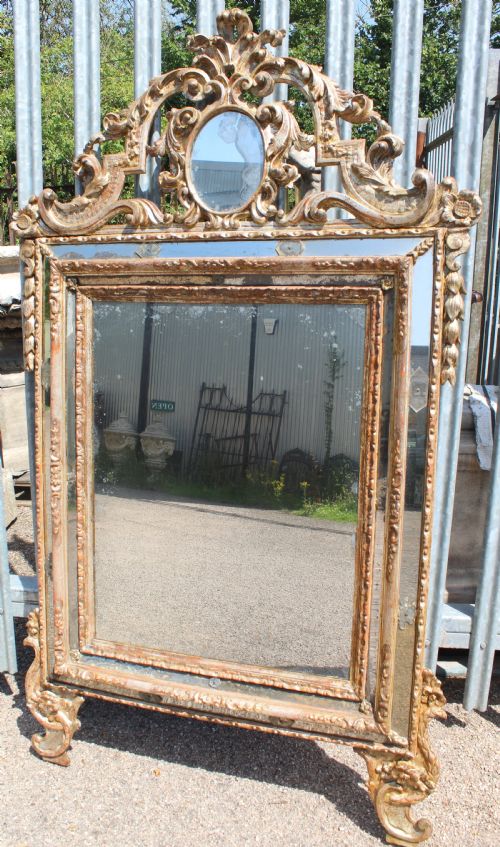
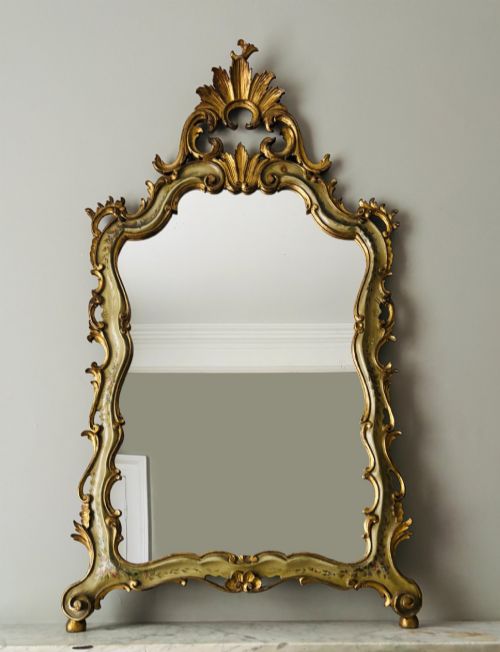
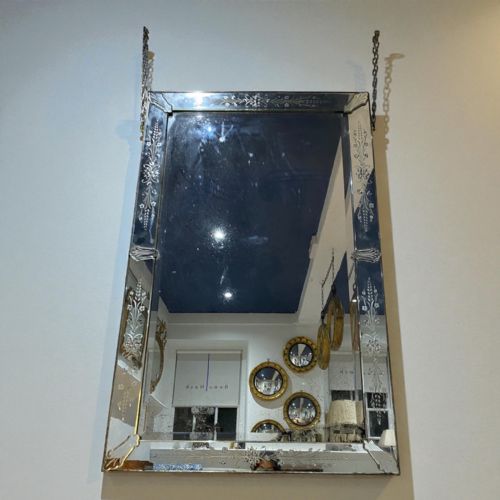
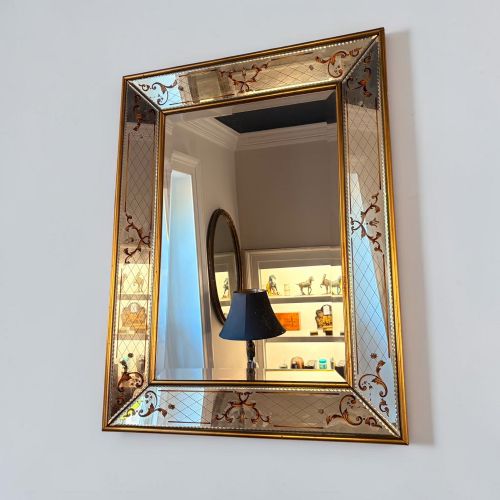
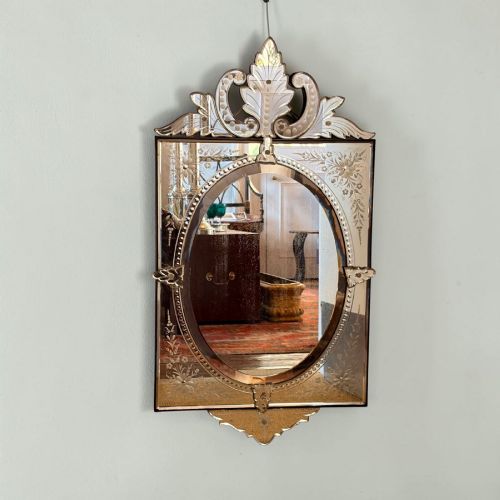
A venetian wall mirror encompasses decorative looking glasses originating from Italy, appearing in forms ranging from grand overmantles to neat shield shapes and wall sconces. Buyers searching for a venetian wall mirror will encounter pieces stretching from the eighteenth century through the nineteenth century and into the art deco and mid twentieth century eras.
The nineteenth century provides a strong representation on this page, alongside examples from the eighteenth, early twentieth, and nineteen-thirties periods. These objects display characteristic Italian origins, utilising mirrored glass plates mounted on timber structures with decorative glass borders.
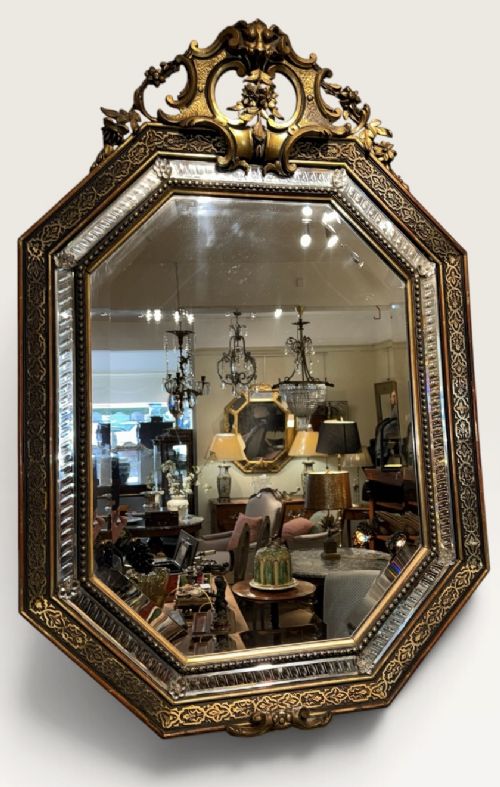
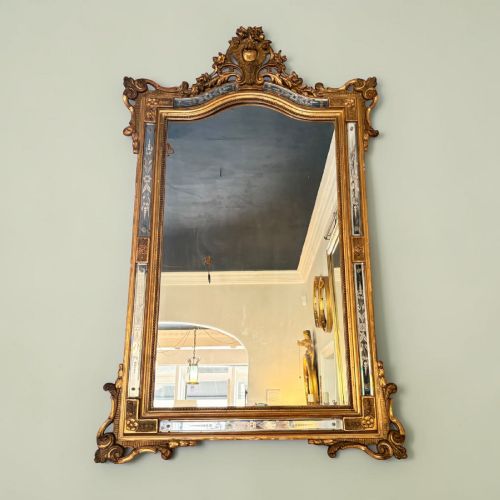
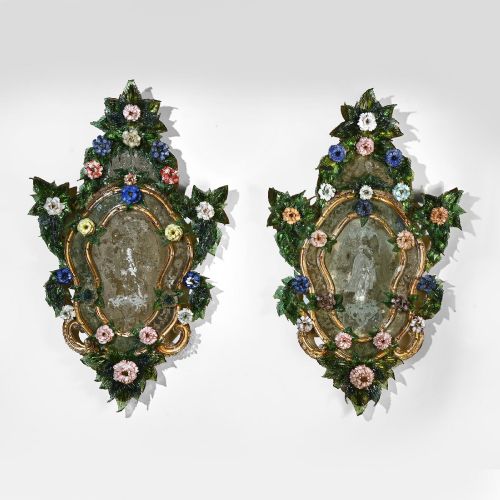
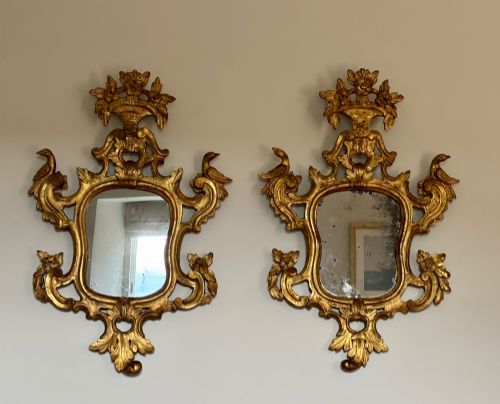
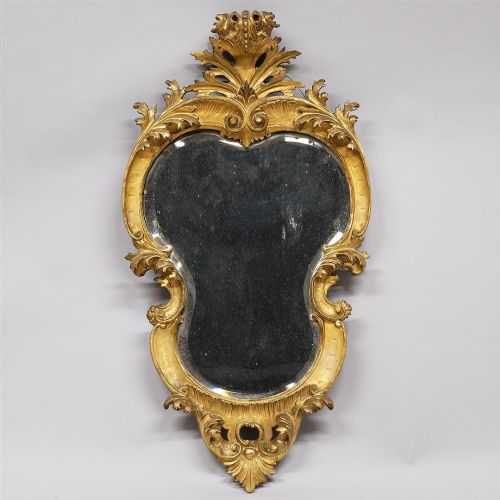
The selection includes variations such as octagonal plates, coloured glass elements, and carved giltwood frames. Many pieces combine traditional Venetian styling with specific regional production centres like Murano.
Materials and construction
Makers constructed these looking glasses using timber frames of wood or giltwood, applied with polychrome paint and lacca finishes. Artisans combined metal fixings with silvered glass, mirrored glass, and mirror glass plates.
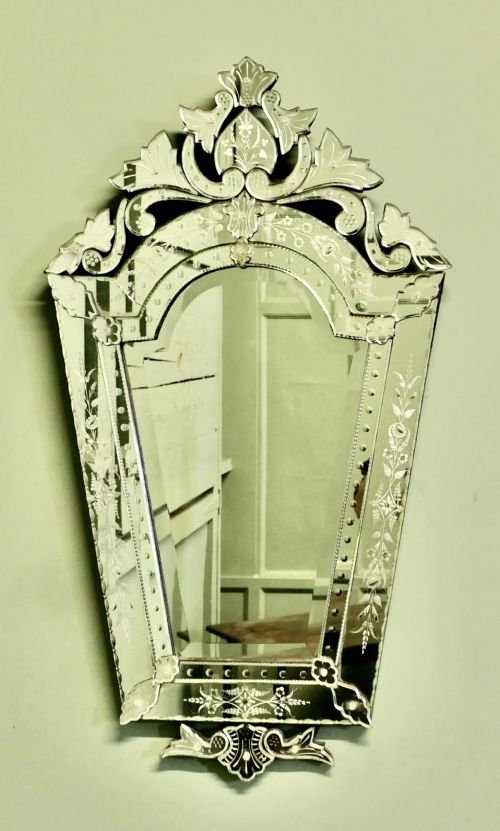
Techniques involve intricate etching upon the glass surface alongside bevelling the plate edges. Carved wood supports provide the structural backing for the delicate glass borders and components.
Venetian Wall Mirror Retail Price Guide 2026
Typical asking prices for venetian wall mirror among the pieces listed under this phrase on Sellingantiques today, from the lower quarter to the upper quarter. They describe what is for sale here now, not the wider market.
Some nineteenth century mirrors were designed with hidden wooden pegs that allowed delicate glass leaves to be unscrewed for cleaning.
Judging quality and execution
The standard of a venetian wall mirror rests upon the depth and clarity of the glass etching and the crispness of the carved wood or giltwood framing. Superior examples display detailed hand-cut decoration on the glass plates rather than simple machine scoring.
Construction methods also separate standard production from exceptional work, visible in the joinery of the timber backing and the integration of secondary glass segments. The preservation of original silvering and foxing contributes to the character of older plates.
The Venetian Wall Mirror Glossary
- Giltwood
- Wood that has been coated with a thin layer of gold leaf or gesso paint. This finish appears frequently on nineteenth century frames.
- Foxing
- Age-related spots and discoloration appearing within the silvered backing of a mirror plate. It occurs naturally as oxidation affects the mercury or silver layers over time.
- Overmantle
- A large mirror designed to hang specifically above a fireplace mantel. These pieces often feature extended horizontal proportions.
- Lacca
- A decorative lacquer finish applied to furniture and mirror frames. Eighteenth century examples utilise this technique alongside polychrome paint.
- Girandole
- A wall-mounted bracket or sconce incorporating candle holders attached to a mirror. They reflect candlelight to increase illumination in a room.
Venetian Wall Mirror: Frequently Asked Questions
How do I hang a heavy venetian wall mirror safely?
These mirrors require sturdy wall anchors fixed directly into masonry or wooden studs due to the combined weight of the glass plates and timber frames. Professional mirror hangers utilise strap hangers or French cleats suited to the specific weight distribution of the piece.
Avoid relying on simple picture wire attached to older wooden frames unless the structural integrity has been verified by a restorer. Ensuring the weight rests securely prevents strain on the original joints and carved sections.
How should I clean an antique mirror plate?
Clean the glass surface using a soft microfiber cloth and a minimal amount of distilled water or mild glass cleaner applied to the cloth rather than directly onto the glass. Prevent moisture from seeping behind the plate edges where it can accelerate foxing and damage the silvered backing.
Harsh chemical solvents and abrasive materials should be kept away from both the glass and the surrounding giltwood, paint, or lacca finishes. Gentle dusting preserves the aged patina of the frame.
What is foxing on antique glass?
Foxing refers to the small brownish spots and cloudiness that develop on mirror plates as the reflective silver or mercury backing ages. This chemical reaction occurs over decades when moisture interacts with the metal layers.
Many collectors value foxing because it confirms the genuine age of an eighteenth or nineteenth century glass plate. It creates a soft, mottled reflection rather than the uniform clarity of modern glass.
Where were these mirrors historically placed?
Historically, homeowners hung these looking glasses above fireplaces, between windows to maximise natural daylight, or above pier tables in formal reception rooms. The reflective glass plates served to bounce light around dimly lit period interiors before the advent of electric lighting.
Smaller sconce versions and girandoles were positioned near candles to amplify the illumination at night. Their decorative frames acted as prominent focal points within domestic architecture.
Can I date a mirror by its bevel style?
Hand-bevelled edges on older plates tend to be narrower and show slight irregularities produced during manual grinding on stone wheels. Later nineteenth and twentieth century production often utilises wider, mechanised bevels with uniform precision.
Bevel characteristics combine with frame materials and construction techniques to help establish the period of manufacture. However, plates were sometimes replaced during the lifespan of an antique frame.