




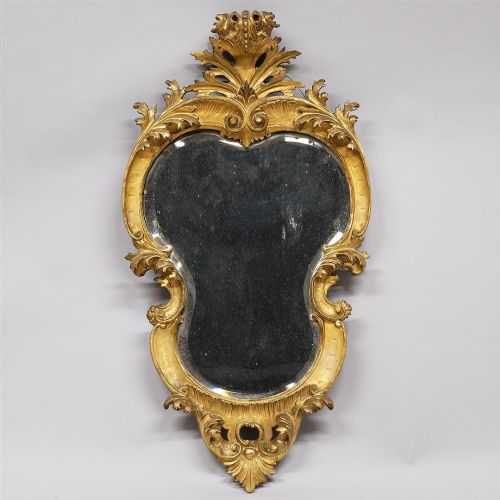
Italian Glass Mirror
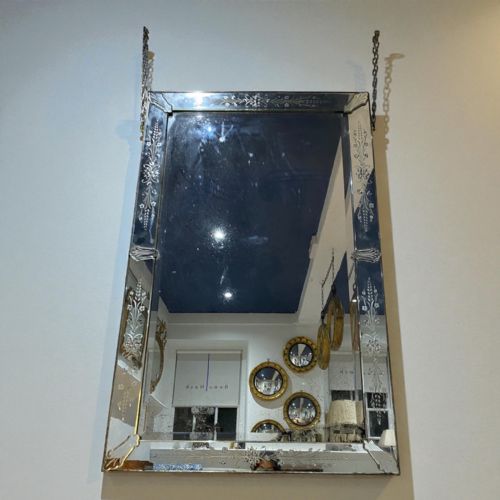
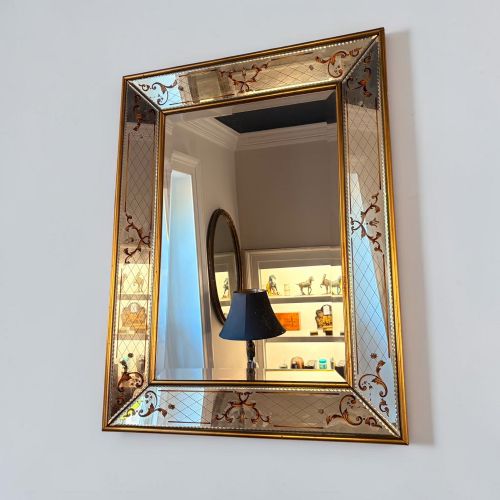
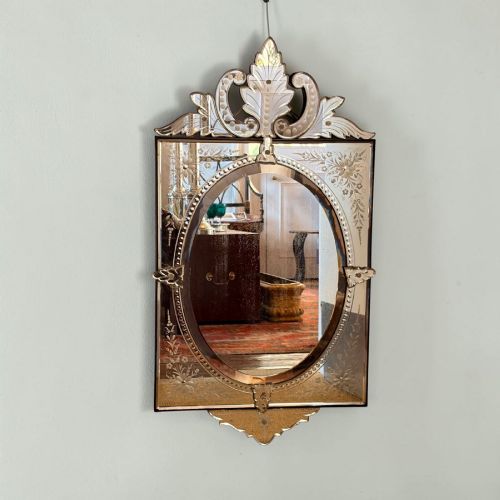
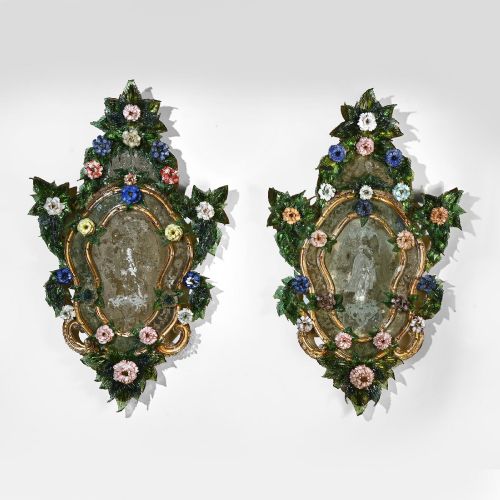
An italian glass mirror brings together reflective depth and decorative craftsmanship, shaped by centuries of Venetian and regional workshops.
Italian Glass Mirror
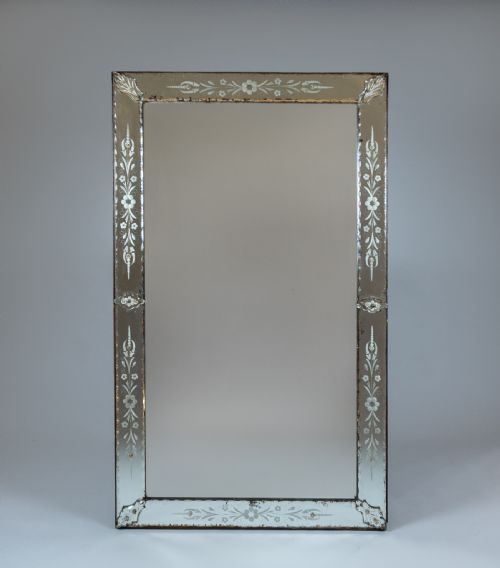
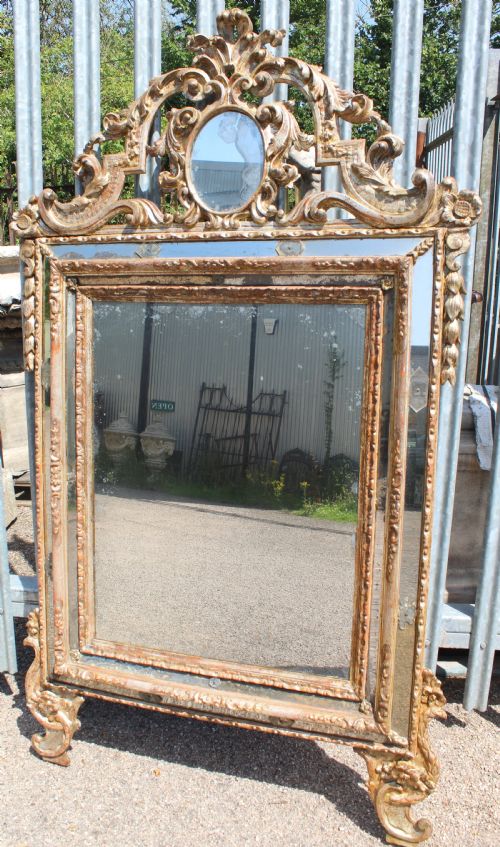
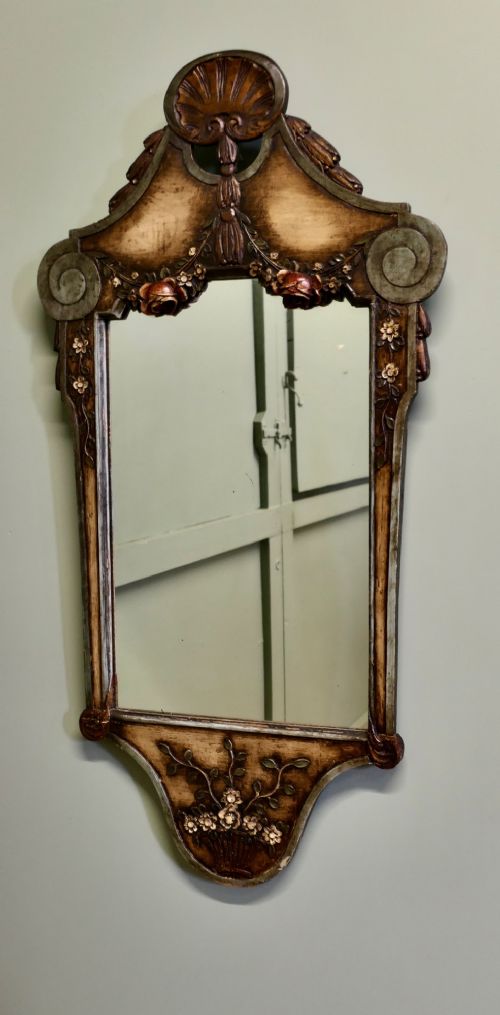
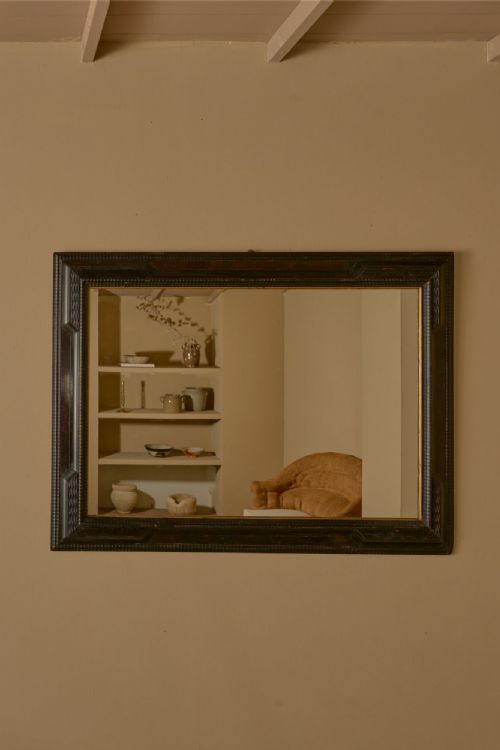
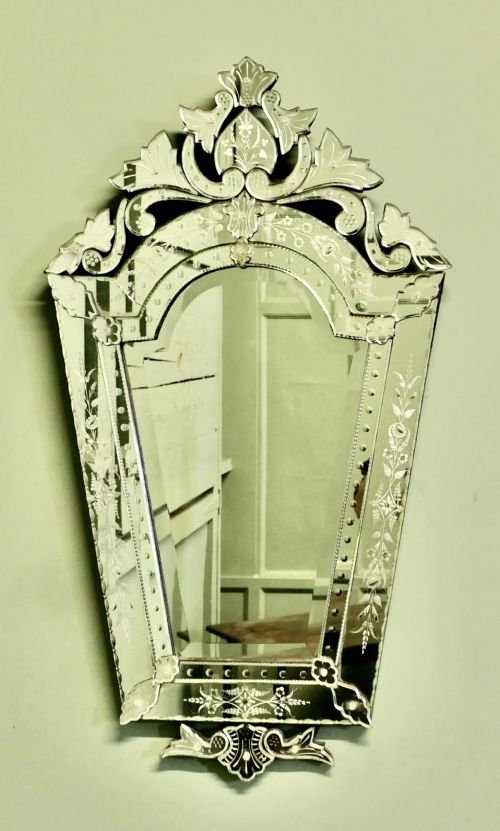
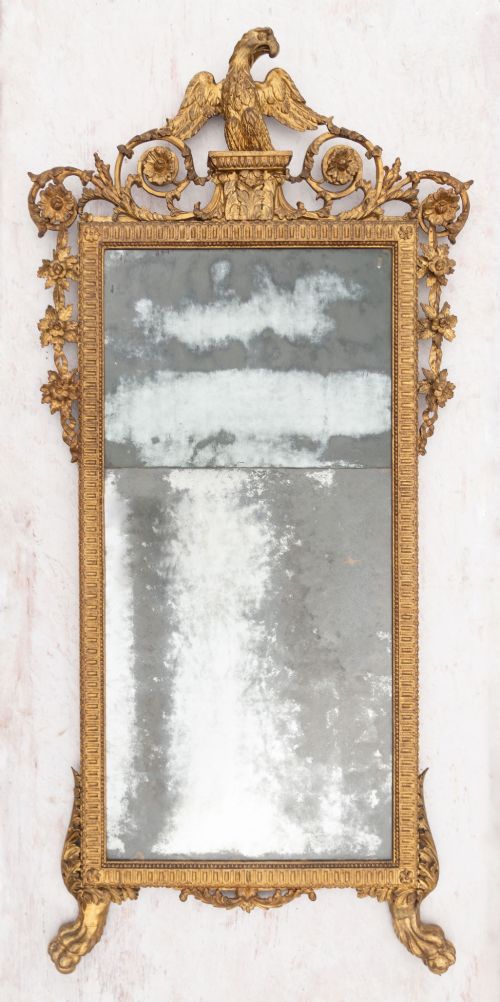
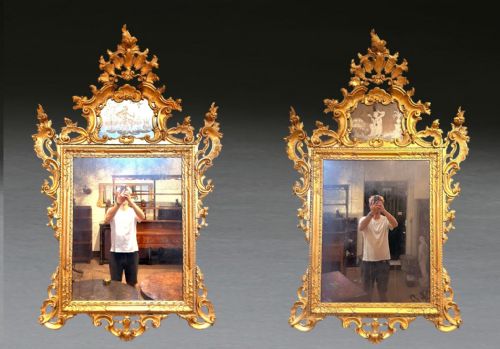
An italian glass mirror encompasses wall-hanging plates, pier glasses, and overmantles produced across multiple periods from the eighteenth century through to the twentieth century. These pieces range from simple carved frames to elaborate polychrome and silver-leaf designs originating from Venice and wider Italy.
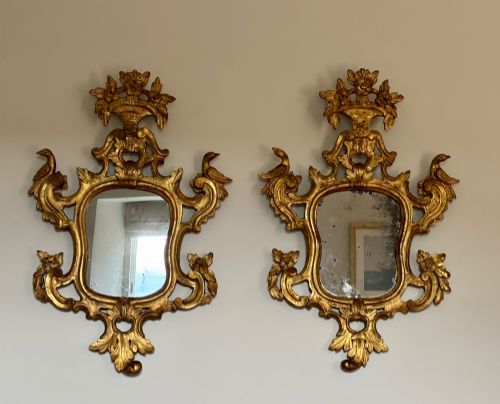
The most common examples encountered on this page date to the nineteenth century, often reflecting Venetian rococo revival tastes or later decorative styles. Buyers also find occasional eighteenth-century cartouche forms alongside twentieth-century iterations incorporating peach or blue glass.
Forms extend beyond standard wall pieces to include console tables, trays, bureau bookcases, and girandole sconces. Each object shares a reliance on mirrored glass combined with wooden, gilt, or painted surrounds.
Materials and Construction
Makers utilised wood, giltwood, gesso, and carved limewood or pine to build the structural frames. Artisans applied gold leaf, silver leaf, or paint to decorate these wooden supports, occasionally incorporating walnut or marble elements.
The optical elements rely on mirror glass, mirrored glass, and engraved plate, with some pieces featuring cut and etched glass frames or ruby red and blue coloured glass borders. Original plates often display foxing and bevelled edges resulting from period manufacturing techniques.
Italian Glass Mirror Retail Price Guide 2026
Typical asking prices for italian glass mirror among the pieces listed under this phrase on Sellingantiques today, from the lower quarter to the upper quarter. They describe what is for sale here now, not the wider market.
Listings feature items spanning the 18th, 19th, and 20th centuries, utilising giltwood, gesso, walnut, and coloured Murano glass.
Assessing Quality and Execution
Quality rests upon the depth of the carving in the wood and gesso, alongside the precision of the engraved or etched details on the glass plates. Superior examples show crisp hand-carved relief work and well-preserved original gilding rather than flat or heavily restored surfaces.
The integrity of the glass itself dictates the character of the piece, with genuine antique plates often displaying natural foxing and hand-cut facets. The harmony between the frame style - whether rococo, baroque, or empire - and the execution of marginal glass elements defines the standing of an individual mirror.
Ciceri and Co
The Italian Glass Mirror Glossary
- Cartouche
- A frame or panel shaped like an unfurled scroll or shield, often found on eighteenth-century Italian rococo mirrors. This ornamental surround provides a distinct asymmetrical outline.
- Gesso
- A plaster-like mixture applied to wooden frames as a smooth base for gilding or painting. Artisans carved intricate details directly into this layered material.
- Foxing
- Age-related brown spots and discolouration within the silver backing of a mirror plate. This natural oxidation indicates an authentic historic glass surface.
- Pier Glass
- A tall, narrow mirror designed to hang on the wall between windows or above a console table. These pieces often feature matching console tables or decorative brackets.
- Girandole
- A wall mirror fitted with attached candle sconces that reflect the light. The glass arms and plates amplify illumination within a room.
Italian Glass Mirror: Frequently Asked Questions
How do I spot an original eighteenth-century Italian glass mirror?
Authentic pieces from this period typically feature hand-carved giltwood frames in rococo or cartouche forms with original, highly foxed mirror plates. The construction relies on traditional joinery and period-specific silvering techniques.
Examine the backboards and the weight of the frame for signs of age. Eighteenth-century examples often exhibit subtle asymmetries and hand-engraved details distinct from later revival pieces.
How should I hang a heavy antique wall mirror?
Large carved giltwood and gesso mirrors require professional wall anchoring due to their substantial weight and fragile frame construction. Hardware must attach directly to wall studs or use appropriate masonry fixings.
Avoid relying solely on existing historic wire or rings if they appear compromised. Distributing the load evenly across the frame prevents stress on the old wood and gesso.
Why do some mirror plates look spotty or discoloured?
The spots and fading, known as foxing, occur when moisture seeps behind the glass over many decades and oxidises the silver backing. This natural chemical change is a hallmark of genuine antique glass.
Many collectors value foxed plates because they confirm the age and originality of the mirror. It distinguishes period glass from modern replacements.