


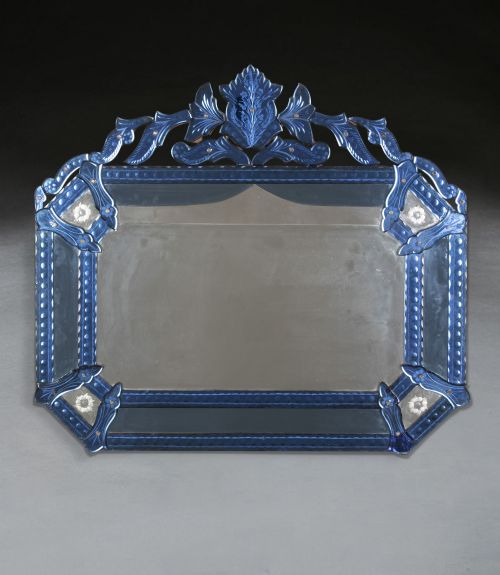


Vintage Venetian Mirror
A vintage venetian mirror brings dramatic light and intricate glasswork into a room, reflecting centuries of Italian craftsmanship.
Vintage Venetian Mirror
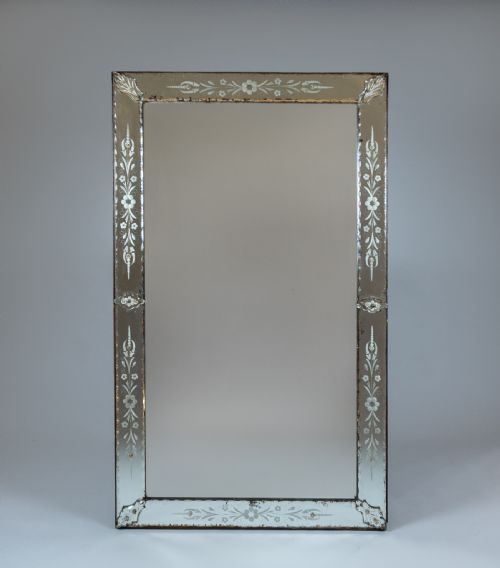
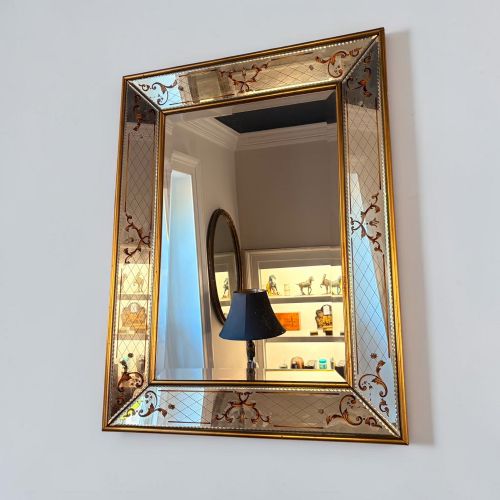
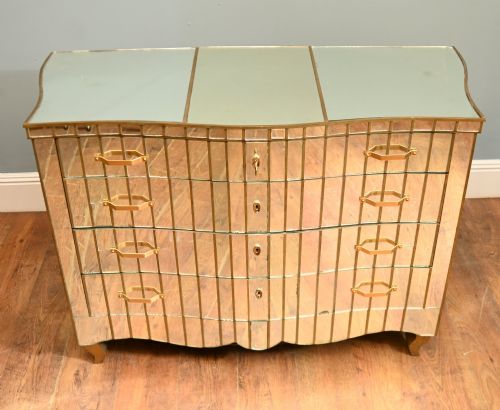
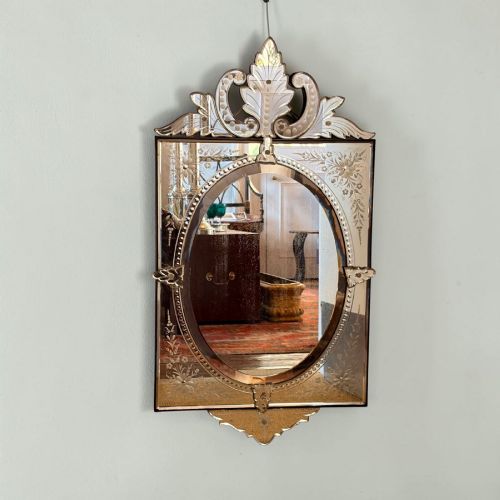
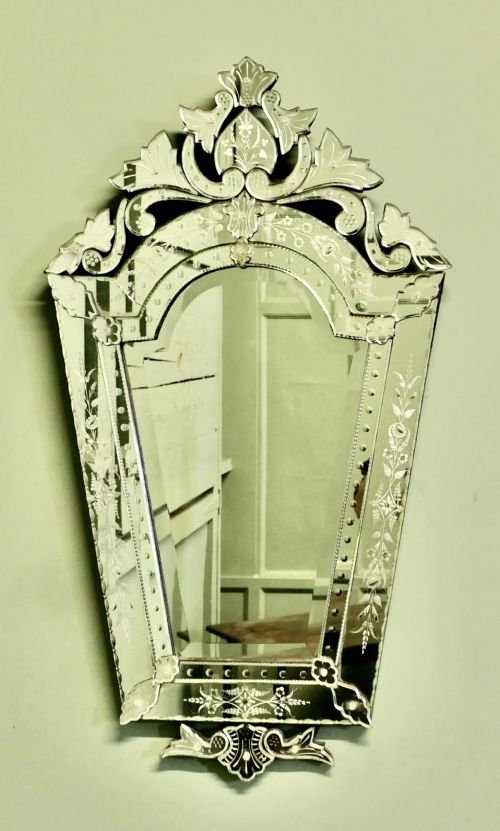
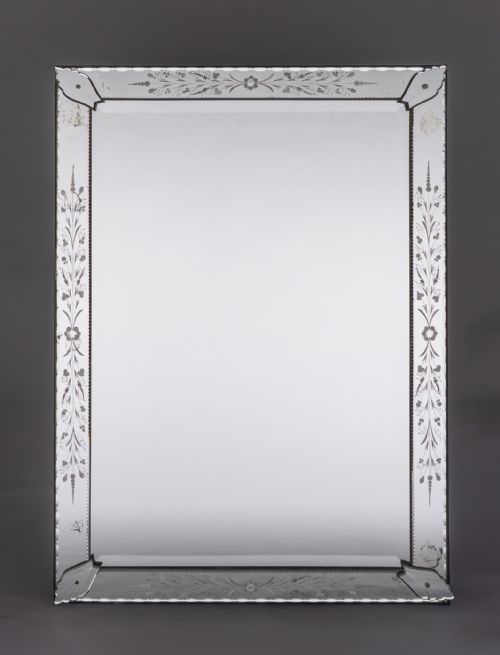
A vintage venetian mirror encompasses wall mirrors, trays, and console tables originating primarily from Italian workshops across the nineteenth and twentieth centuries. Buyers frequently encounter wall mirrors featuring elaborate glass frames, etched plates, and distinctive cushion profiles.
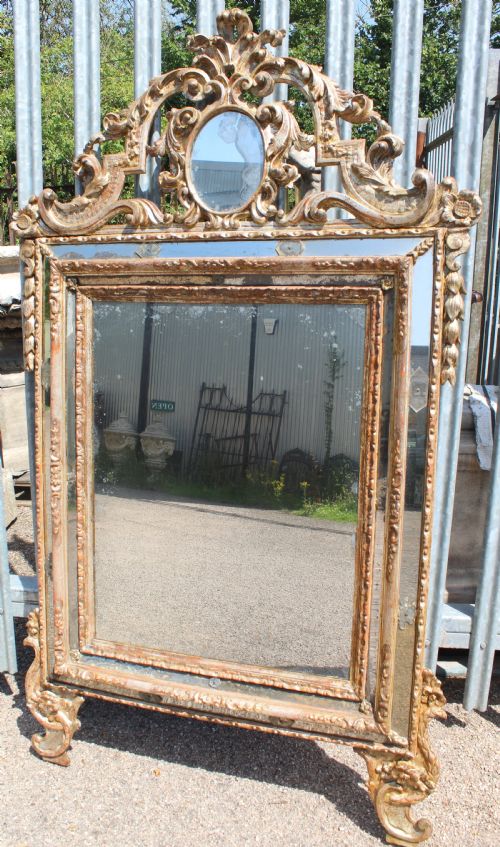
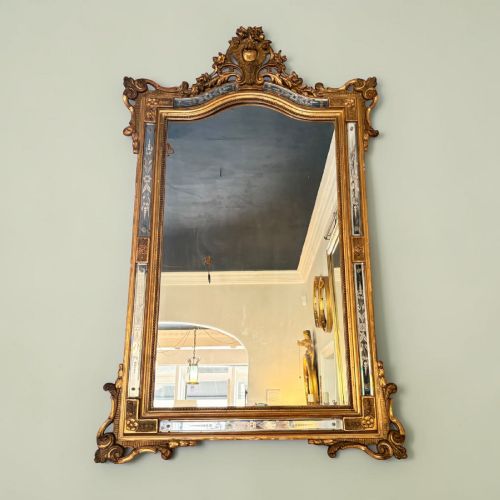
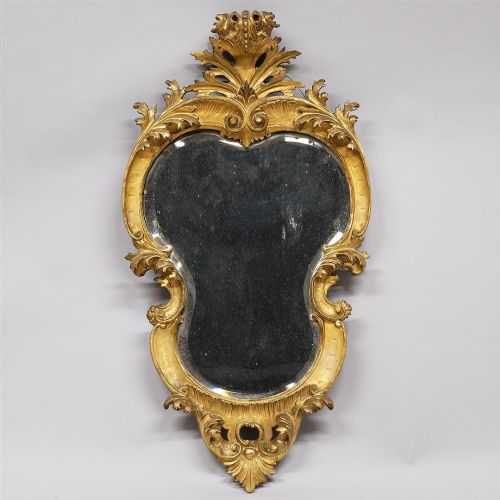
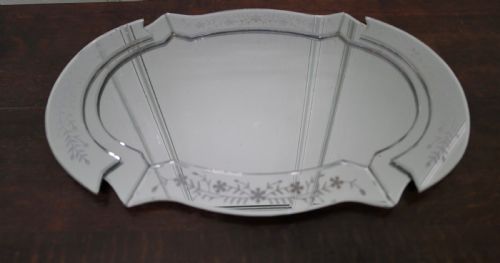
The inventory on this page spans from nineteenth-century giltwood and painted examples to mid-century Art Deco interpretations. Pieces range from grand overmantle mirrors to smaller decorative pier glasses and serving trays.
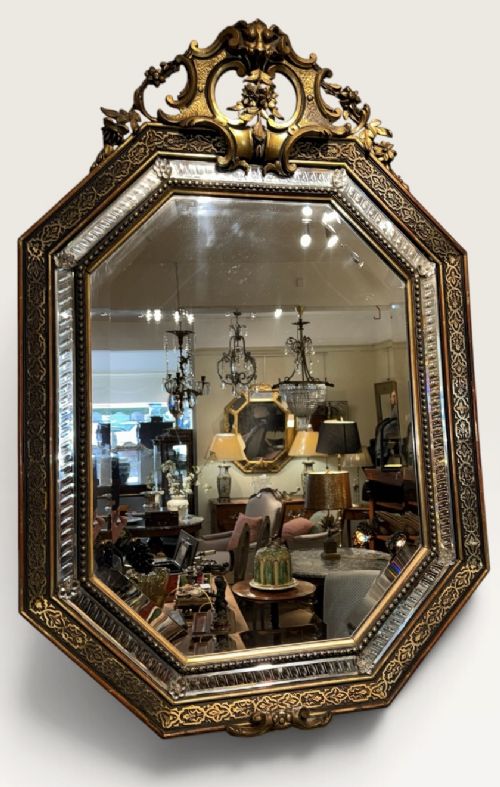
Italian rococo and neo-classical styles appear alongside clean-lined twentieth-century designs, showing how traditional Venetian techniques adapted over decades. These decorative objects primarily serve to brighten interiors while displaying intricate mirror glass construction.
Materials and construction methods
Artisans built these pieces using wooden or gesso subframes to support heavy mirrored glass plates and delicate marginal elements. Frames often combine carved giltwood, metal, or painted surfaces with specialised glass components.
Securing the various glass panels typically involved ornate glass pins and metal fixings mounted onto wooden backing structures. This meticulous assembly allowed complex cushion and triptych forms to maintain their structural integrity.
Vintage Venetian Mirror Retail Price Guide 2026
Typical asking prices for vintage venetian mirror among the pieces listed under this phrase on Sellingantiques today, from the lower quarter to the upper quarter. They describe what is for sale here now, not the wider market.
Some items double as serving accessories, proving that historical artisans believed even wine trays deserved elaborate glass frames.
Distinguishing quality across the selection
Quality rests upon the intricacy of the glass cutting, the depth of the hand-engraving, and the preservation of the original silvered plates. Superior examples display crisp motifs on the glass margins and harmonious proportions across the frame.
The integrity of the supporting structure, whether carved giltwood, painted wood, or velvet covering, dictates the overall standard of the piece. Well-preserved original frames with minimal replacement glass elements command greater appreciation among collectors.
The Vintage Venetian Mirror Glossary
- Cushion mirror
- A mirror featuring a convex, outward-curving central plate or marginal frame sections that project forward. This three-dimensional profile catches light from multiple angles.
- Etched glass
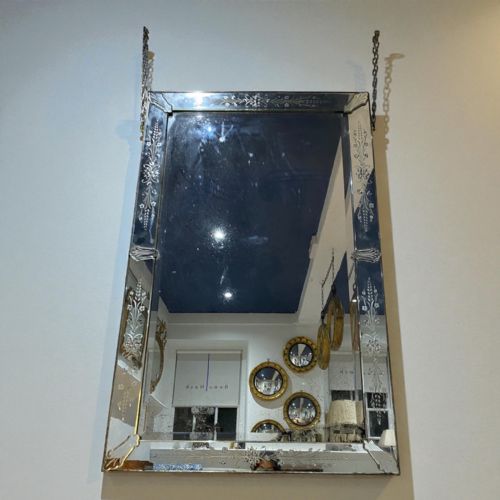
- Glass decorated by applying acid to eat away the surface and create intricate decorative patterns. It provides delicate detailing on mirror plates and borders.
- Giltwood
- Wood that has been coated with a thin layer of gold leaf or gilt gesso. It forms the decorative base for many traditional frames.
- Girandole
- A branched wall sconce or candleholder fitted with a mirror backplate. The reflective glass enhances the ambient light from the candles.
- Foxed plate
- Mirror glass displaying natural age-related oxidation and dark spots behind the silvering. This chemical ageing process creates a characteristic mottled appearance.
Vintage Venetian Mirror: Frequently Asked Questions
How do I date a vintage venetian mirror?
Dating relies on examining the construction of the wooden backing, the style of the glass cutting, and the nature of the silvering on the plate. Nineteenth-century examples often feature heavier wooden frames and hand-bevelled glass with distinct signs of age.
Twentieth-century iterations may exhibit cleaner geometric lines associated with Art Deco design or specific colour tints like peach and blue. Comparing the mounting techniques and hardware helps confirm the production era.
Where should I hang a Venetian mirror?
These mirrors suit principal living spaces, hallways, or above mantelpieces where their reflective surfaces can maximise natural light and create a sense of depth. Overmantle mirrors anchor comfortably above fireplaces or large console tables.
Smaller pier glasses and wall sconces work well in entryways or paired beside doorways. Ensuring proper wall fixings is essential due to the substantial weight of the glass and wooden frames.
What causes the spots on older mirrors?
The spots, known as foxing, occur when moisture gradually penetrates the protective backing behind the silvered glass layer over many decades. This chemical reaction causes the reflective coating to oxidize and darken in irregular patterns.
Many collectors value authentic foxing as evidence of genuine age and period character. It distinguishes vintage glass from modern reproductions.
Are Venetian mirrors fragile?
While the combination of wooden frames and multiple glass plates requires careful handling, these pieces are structurally robust when properly mounted. The marginal glass pieces and decorative pins need gentle treatment during any relocation.
Routine maintenance involves dusting with a soft cloth and avoiding harsh chemical cleaners on fragile etched or silvered surfaces. Professional installation safeguards against accidental knocks.