


Antique Crest Wall Mirror
An antique crest wall mirror brings architectural weight and reflected light to a room, drawing the eye upwards with carved ornament and gilded surfaces.
Antique Crest Wall Mirror
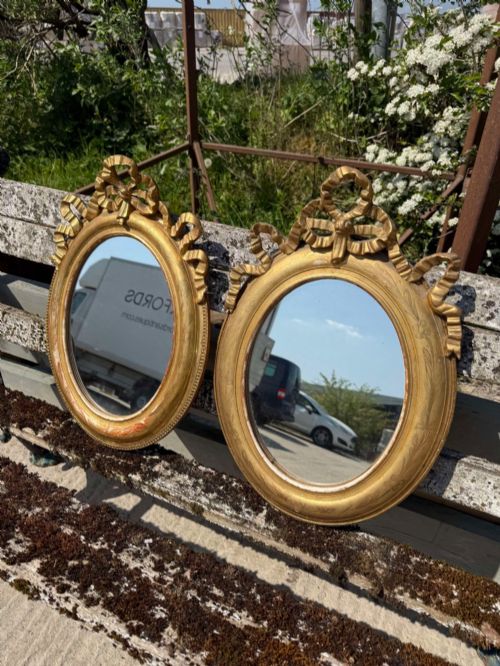
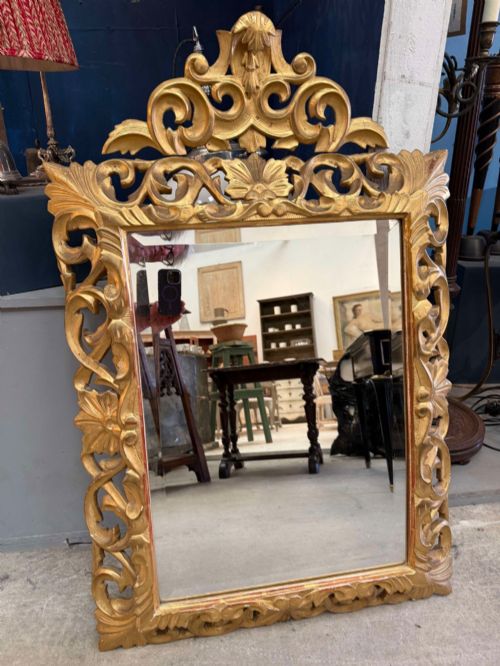
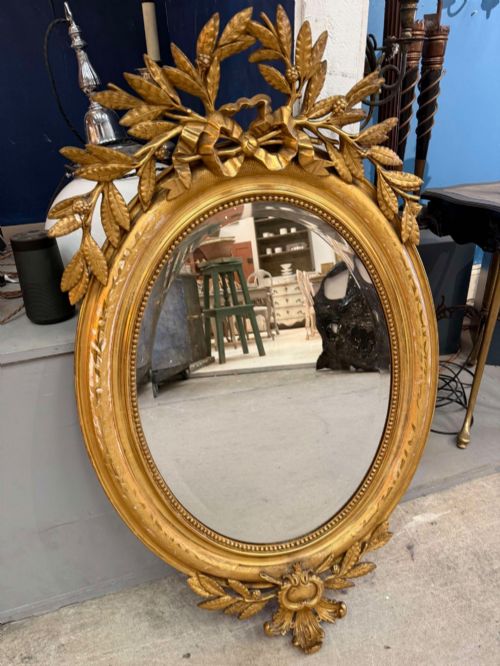
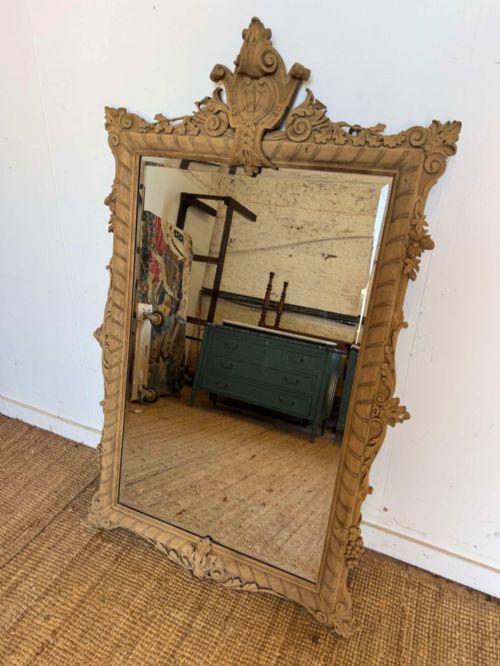
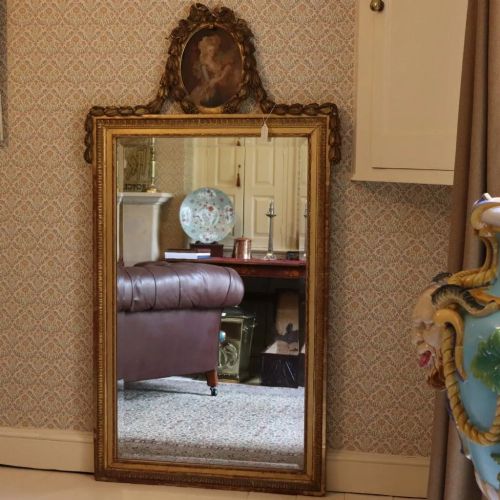
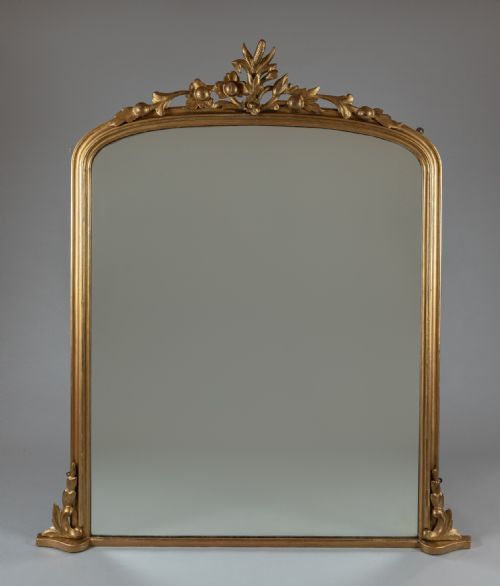
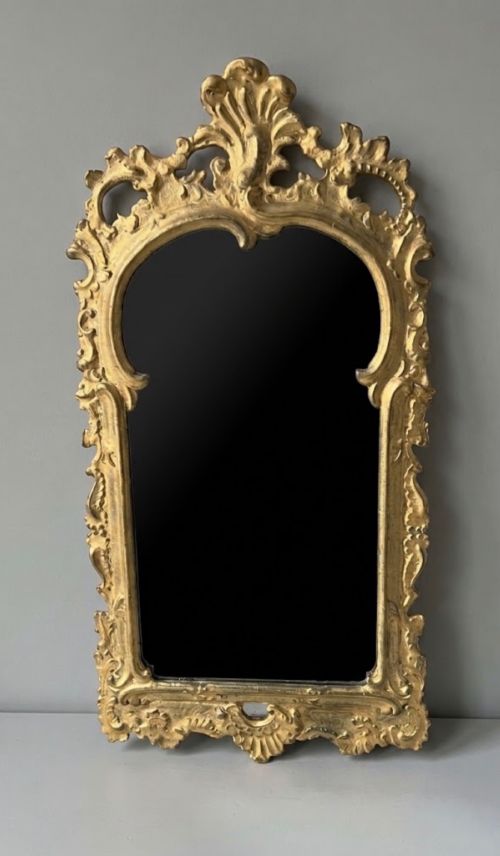
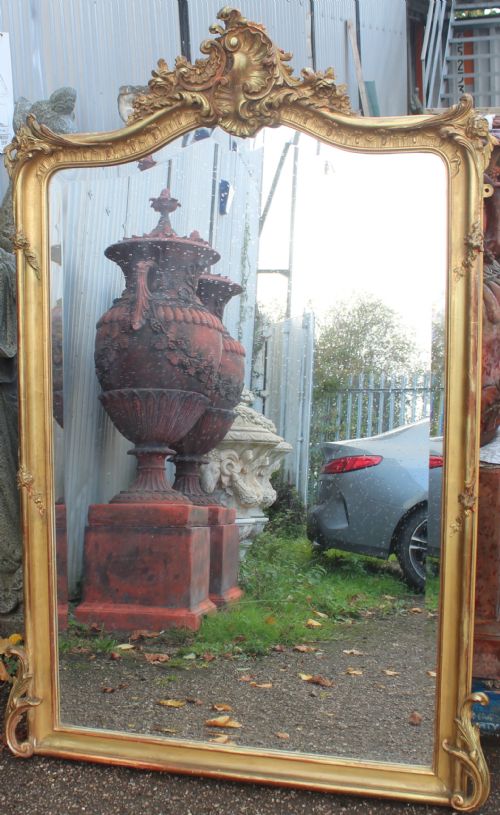
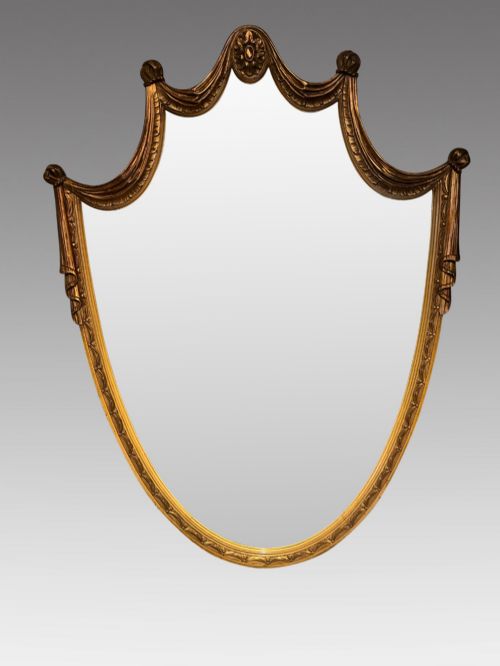
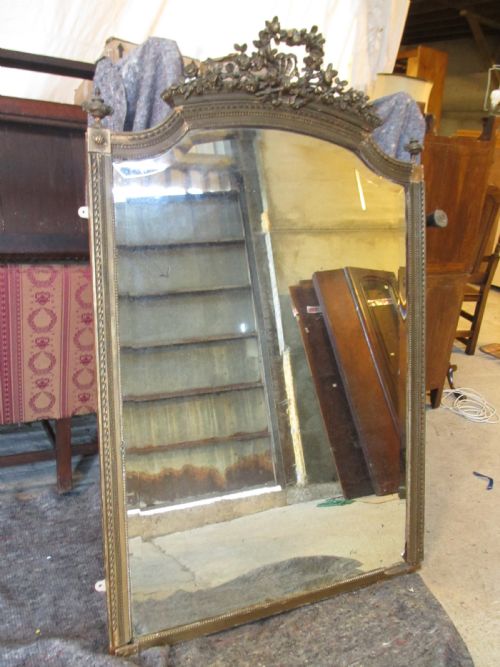
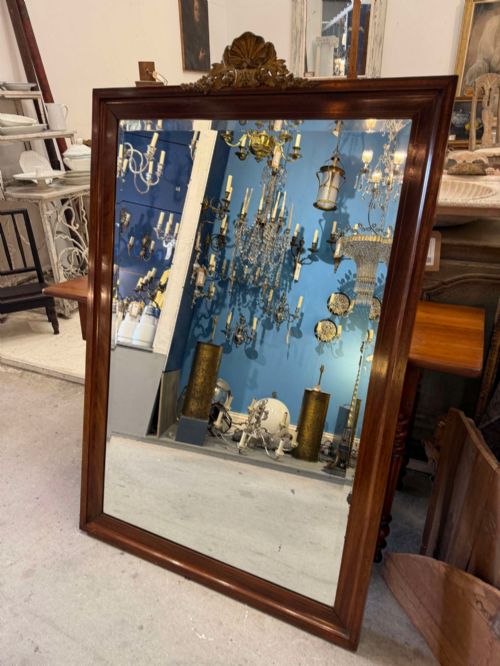
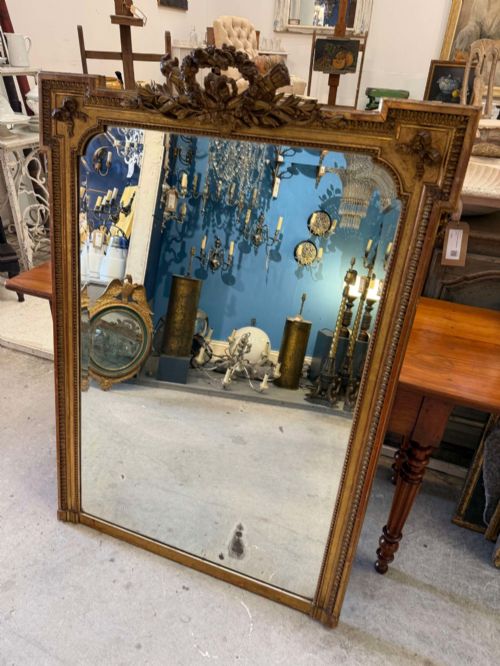
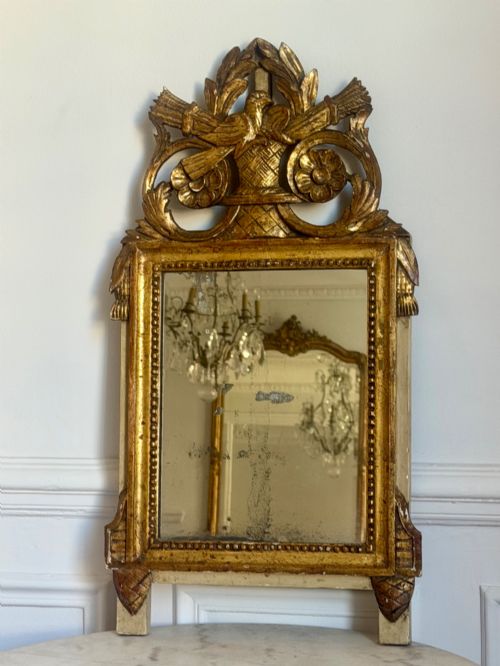
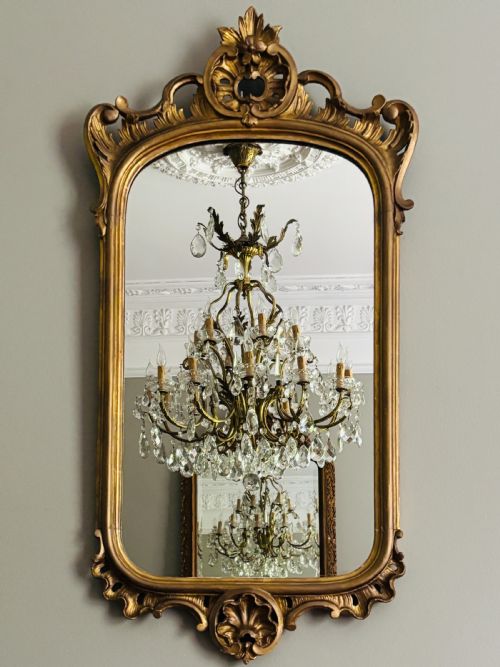
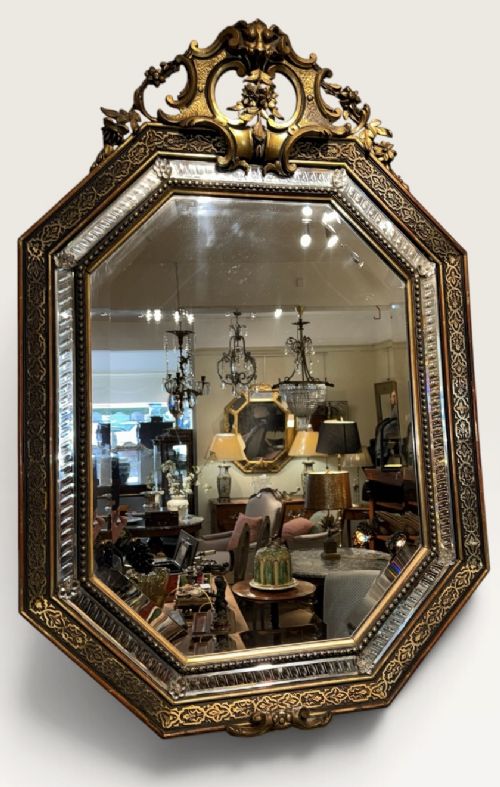
An antique crest wall mirror is defined by its ornamental upper flourish, often taking the form of an eagle surmount, a carved ribbon, or a shaped pediment. These pieces function primarily as commanding focal points above mantelpieces, console tables, and drawing-room walls.
The selections available range from eighteenth-century Georgian mahogany fretwork designs to elaborate nineteenth-century French giltwood overmantels and Regency convex mirrors. Overmantel mirrors and tall pier mirrors dominate the forms, frequently designed to sit low on a mantel shelf or extend vertically between windows.
Origins span across English workshops and continental French centres, including specific stylistic revivals such as Louis XV, Louis XVI, and Chippendale. Buyers encounter works produced across the eighteenth, nineteenth, and early twentieth centuries, reflecting changing domestic fashions for grandeur and symmetry.
Materials and construction
Carved wood and gesso form the foundational structure for most gilt wall mirrors, providing a stable base for intricate ornamentation. Artisans shaped timber frames from mahogany, oak, and softer woods before applying layers of gesso to receive fine surface carving and gilding.
Gold leaf and silver-gilt applications give these pieces their characteristic metallic brilliance, often contrasted with ebonised wood or painted details. Mirror glass plates, including early mercury variants, were set within these frames to capture and multiply interior light.
Antique Crest Wall Mirror Retail Price Guide 2026
Typical asking prices for crest wall mirror among the pieces listed under this phrase on Sellingantiques today, from the lower quarter to the upper quarter. They describe what is for sale here now, not the wider market.
An eighteenth-century convex mirror comes with a tiny perched eagle keeping watch over your daily comings and goings.
Quality and execution
The distinction between tiers of quality rests upon the crispness of the hand-carving and the depth of the gesso relief on the crest. Superior examples exhibit finely articulated details in motifs such as foliage, rope twists, and heraldic figures without loss of definition.
The handling of the gilding and the integration of the mirror plate further separate standard domestic pieces from exceptional commissions. Original mercury glass plates with natural foxing and secondary wood backs that retain their original construction integrity indicate higher-order craftsmanship.
The Antique Crest Wall Mirror Glossary
- Giltwood
- Wood that has been coated with a thin layer of gold leaf or gold paint. This technique was widely utilised across eighteenth and nineteenth-century frames to create a brilliant reflective surface.
- Gesso
- A plaster mixture applied to wood frames as a base for moulding and gilding. It allows craftsmen to achieve sharp, intricate decorative reliefs before applying metallic leaf.
- Overmantel mirror
- A large horizontal mirror designed specifically to hang above a fireplace mantel. These pieces frequently incorporate prominent crests to fill the vertical space of a chimney breast.
- Convex mirror
- A round mirror with a bulging spherical glass plate that provides a wide, distorted panoramic view of the room. They are typically framed in giltwood and often feature an eagle surmount.
- Pier mirror
- A tall, narrow mirror designed to hang on the wall space between two windows, known as the pier. They often match the height of adjacent furniture such as console tables.
Antique Crest Wall Mirror: Frequently Asked Questions
Where should I hang an overmantel mirror?
These large mirrors sit naturally above a fireplace mantel, where their proportions balance the hearth below. They anchor the room visually and reflect light back across the living space.
Ensure the wall fixings are secured directly into studs or masonry to support the considerable weight of the carved wood and glass.
How do I identify a Regency convex mirror?
Regency convex mirrors feature circular frames enclosing a curved glass plate that bubbles outward. They frequently incorporate ebonised inner reeding and an eagle perched atop the crest.
These pieces were designed to illuminate dark corners by gathering light from across the entire chamber.
What is the difference between a pier mirror and an overmantel mirror?
Pier mirrors are built tall and narrow to occupy the wall space between windows or above console tables. Overmantel mirrors are wider and built horizontally to span the length of a fireplace.
Both types utilise decorative crests to draw the eye upward and complete the architectural scheme of a period interior.