




Mid 19th Century Mirror
A mid 19th century mirror brings architectural depth and reflective light to a room, drawing on revival styles ranging from Rococo to Neoclassical.
Forms and periods
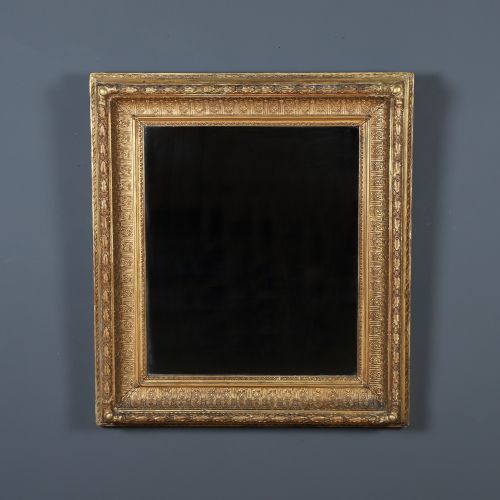
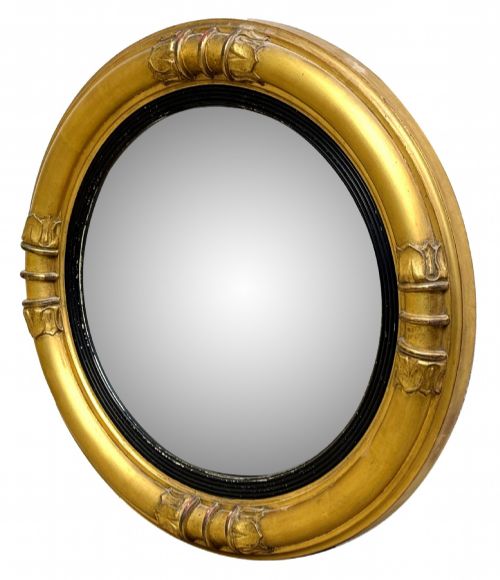
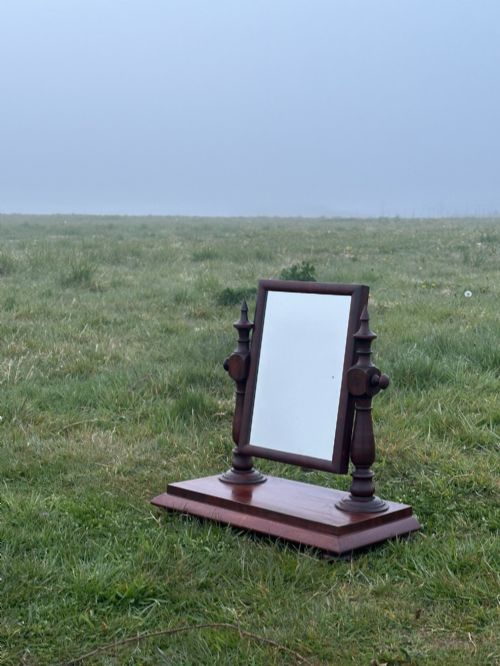
A mid 19th century mirror encompasses large architectural overmantels designed for chimney breasts, tall pier glasses meant for the spaces between windows, and compact dressing or toilet mirrors intended for tabletops. The selection spans English, French, Italian, and Scottish origins from the Victorian era and the broader nineteenth century.
Wall mirrors and grand girandoles appear frequently alongside mahogany dressing pieces and gilt gesso examples. These objects reflect the revival tastes of the period, incorporating Baroque, Rococo, and French chateau influences into domestic interiors.
Materials and construction
Carpenters and gilders utilised timber frames of mahogany, oak, walnut, pitch pine, and burr maple, often applying gesso and plaster layers to build up intricate ornamentation. Artisans then gilded these surfaces with gold leaf or silver gilt to achieve a luminous finish.
Carved wood and cast iron also form the structural foundations of these pieces, holding bevelled or flat mirror glass plates within frames shaped by hand.
Retail Price Guide 2026
Typical UK retail prices for mid 19th century mirror, calculated from the Sellingantiques database of over a million retail prices indexed since 2003. This retail price guide relies exclusively on Sellingantiques data; no external sources or auction records are used, so the figures do not describe the wider market.
Some nineteenth-century mirrors feature attached candle arms designed to bounce flickering candlelight across dark Victorian parlours.
Craftsmanship and distinction
Quality rests in the depth and crispness of the carving, particularly where limewood, giltwood, and gesso create high-relief scrolls, acanthus leaves, and figural motifs. Superior examples display fluent hand-chiselled detail rather than repetitive cast ornamentation.
The integrity of the timber frame, the retention of original silvered glass plates, and the harmony of the gilding separate standard domestic pieces from exhibition-grade examples.
The Mid 19th Century Mirror Glossary
- Giltwood
- Timber coated with gold leaf over a prepared gesso ground. This technique creates a durable, brilliant surface characteristic of grand nineteenth-century frames.
- Overmantel mirror
- A large horizontal looking glass designed specifically to hang above a fireplace mantelpiece. These pieces often repeat the architectural lines of the surrounding room.
- Girandole
- A decorative wall mirror fitted with attached candle sconces. The candle arms multiply the reflected light within a dimly lit interior.
- Pier glass
- A tall mirror constructed to fit the narrow expanse of wall between two windows. They frequently stand above matching pier tables.
- Gesso
- A plaster mixture applied to wooden frames as a smooth base for gilding or painting. It allows craftsmen to model sharp relief details before applying gold leaf.
Frequently Asked Questions
Where should I hang an overmantel mirror?
An overmantel mirror belongs above a fireplace mantelpiece, where it anchors the room and reflects light from opposite windows.
Ensure the width matches or sits slightly within the proportions of the mantel shelf for a balanced display.
How do I identify a dressing mirror?
A dressing mirror sits upon a small wooden base or drawers, functioning as a movable table accessory for grooming.
These pieces typically feature pivoted side arms that allow the glass plate to tilt at different angles.
What is a girandole mirror?
A girandole mirror includes built-in candle holders projecting from the frame to amplify candlelight in the room.
These decorative wall pieces combine reflective glass with functional lighting popular in nineteenth-century interiors.
How do I care for antique gilt frames?
Dust gilt frames gently with a dry, soft brush to protect the delicate gold leaf and gesso layers from damage.
Avoid liquid cleaners and moisture entirely, as water strips the historic surface finish from the wood.