
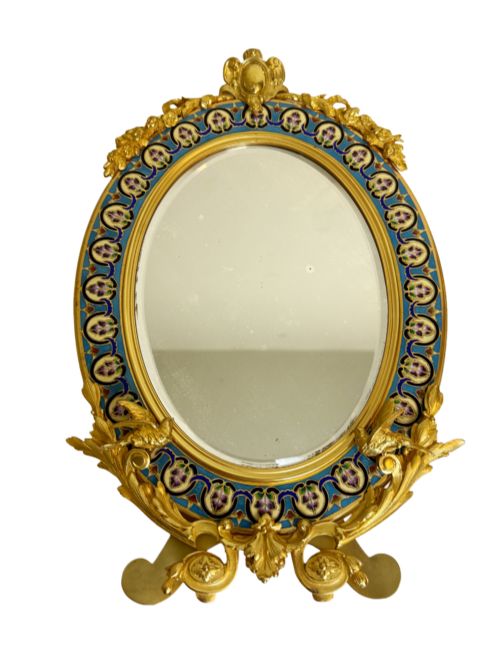
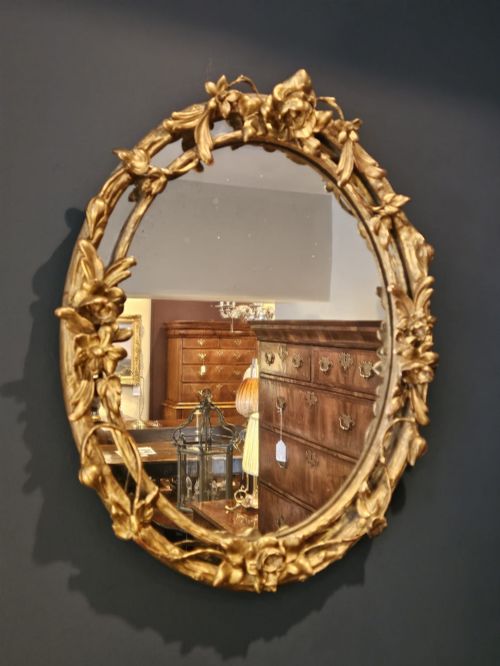
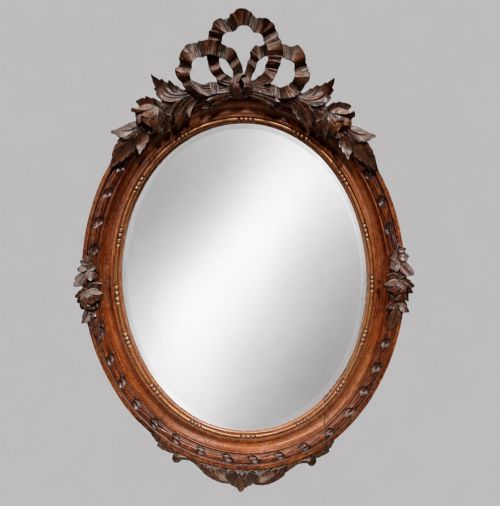
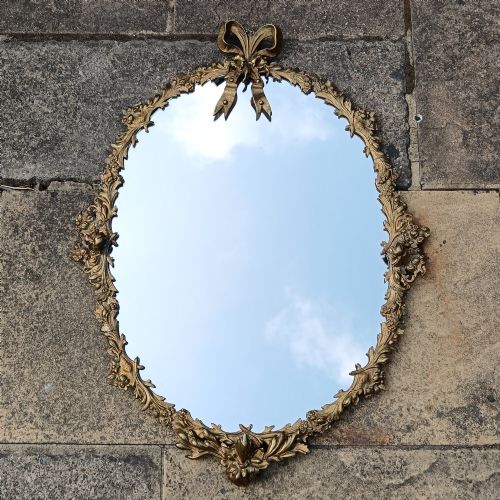
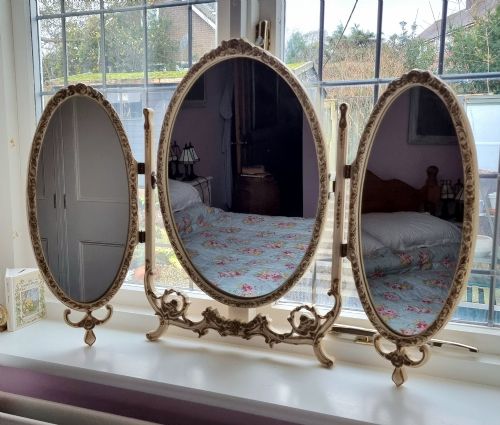
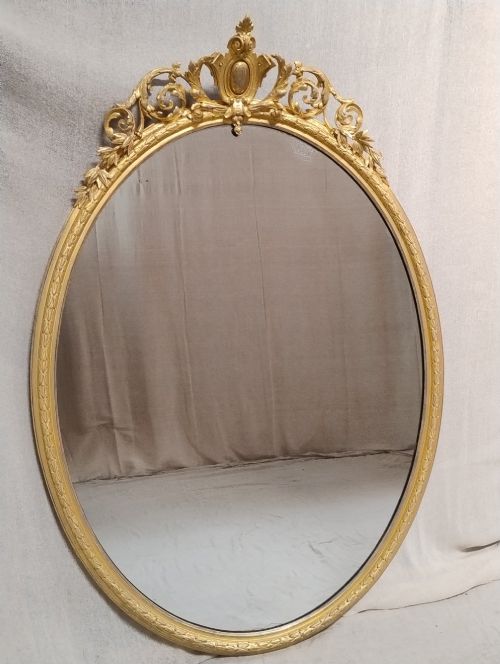
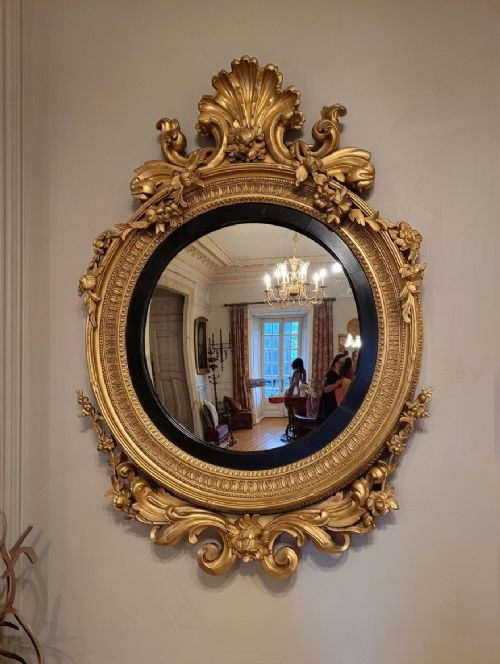
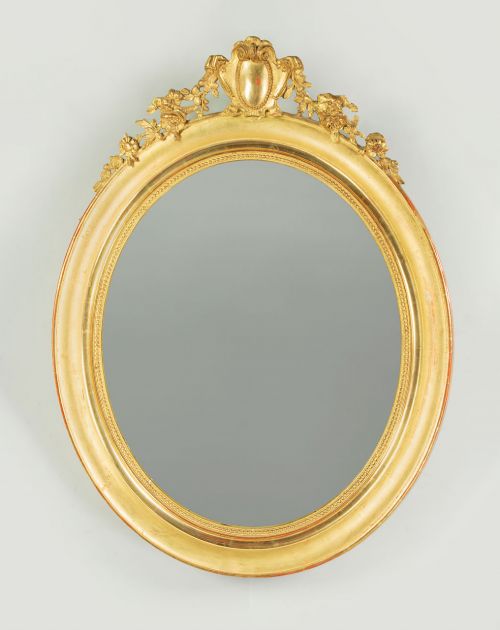
Ornate Oval Mirror
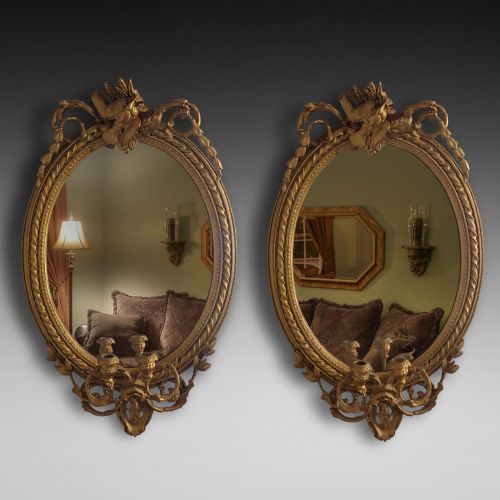
An ornate oval mirror brings depth and curved line to a room, drawn chiefly from the Victorian and nineteenth century periods.

Identifying an ornate oval mirror
An ornate oval mirror centres on wall hanging forms, typically spanning the Georgian, Victorian, and nineteenth century eras with Italian and French origins frequently appearing.
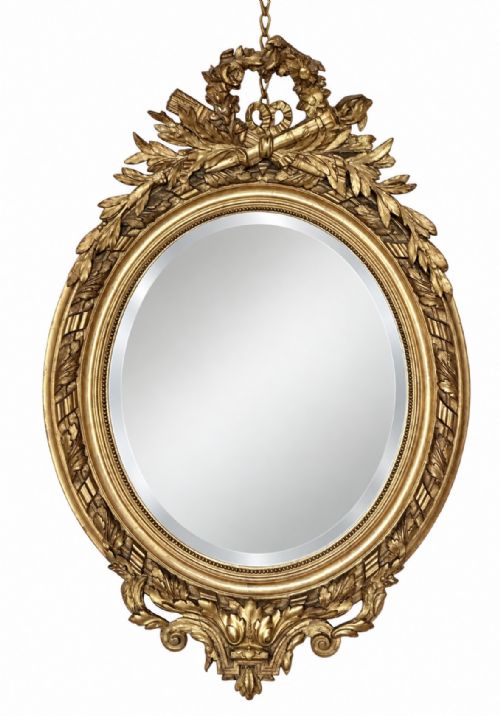
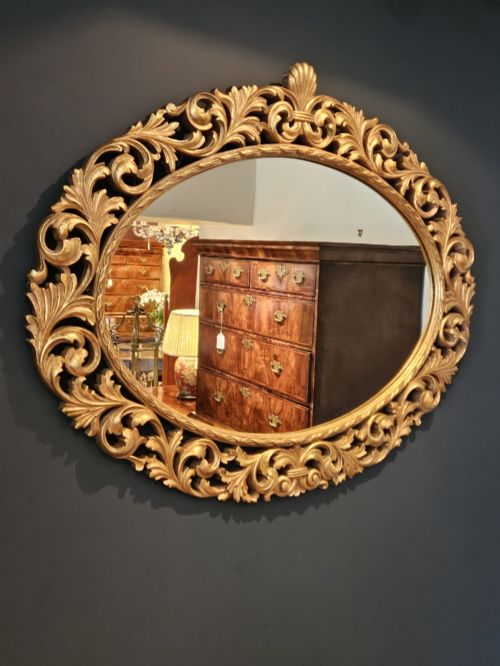
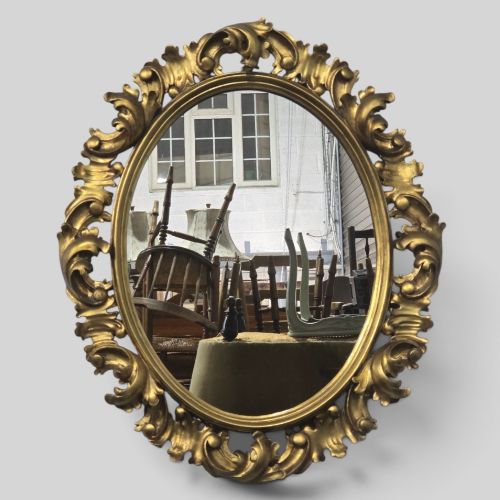
The buyer meets pieces ranging from substantial overmantel formats down to Florentine giltwood wall mirrors with notable decorative framing.
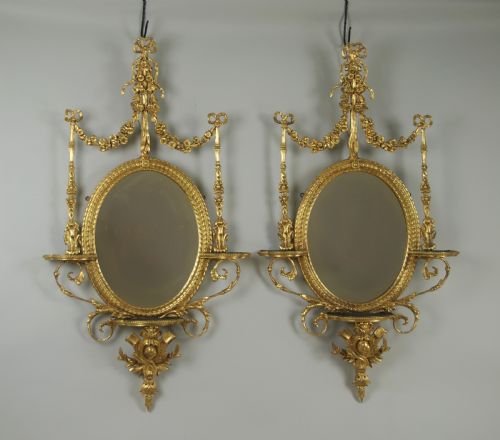
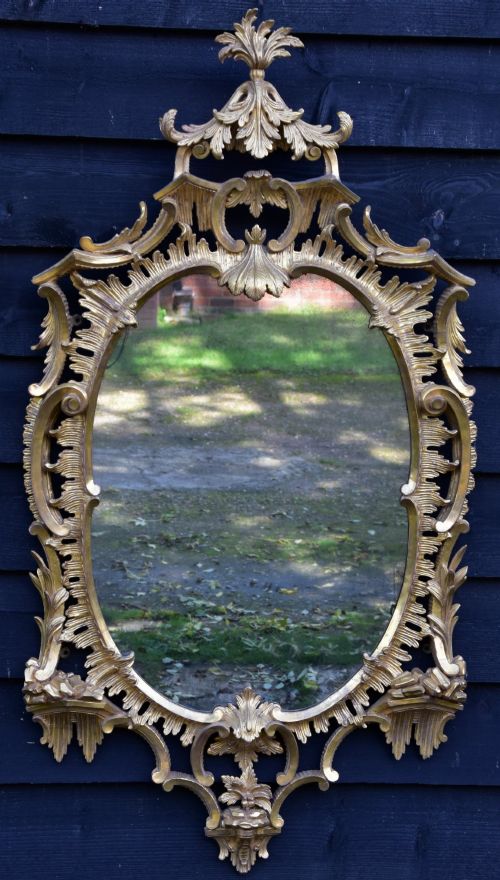
Italian Rococo and Neoclassical stylistic influences shape many of these wall mirrors, alongside robust Victorian interpretations.
Materials and construction
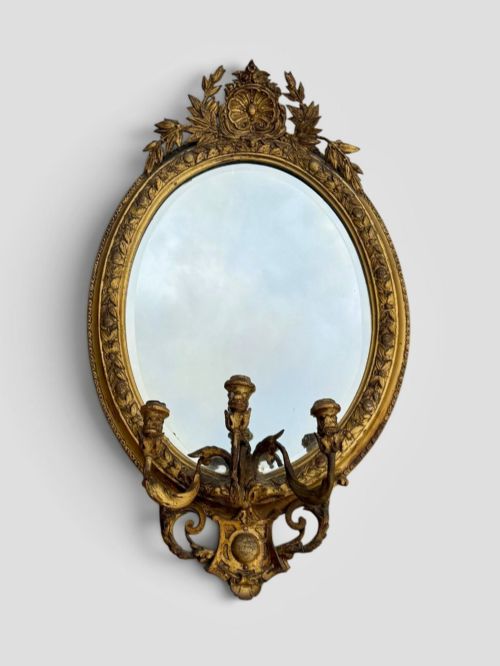
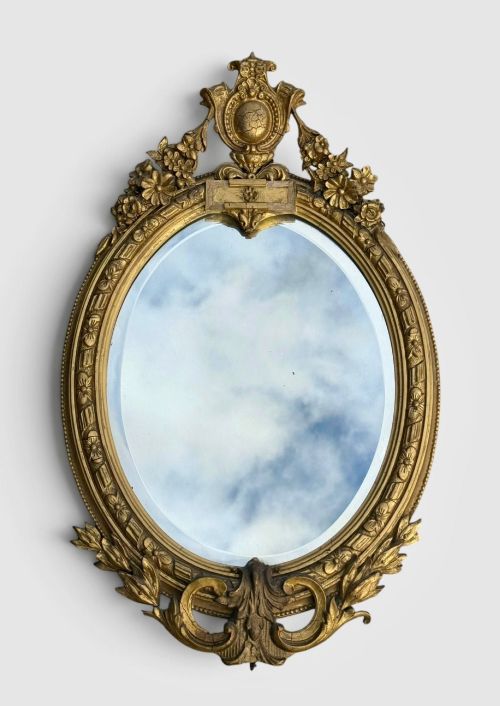
Maker construction relies heavily upon carved wood and gesso frames enhanced with gold leaf and paint applications.
Original mirror glass is mounted within these heavily decorated frames, occasionally featuring glass bead details or specific period plate glass.
Retail Price Guide 2026
Typical UK retail prices for ornate oval mirror, calculated from the Sellingantiques database of over a million retail prices indexed since 2003. This retail price guide relies exclusively on Sellingantiques data; no external sources or auction records are used, so the figures do not describe the wider market.
Some frames incorporate glass beads alongside traditional giltwood.
Assessing quality
Quality reveals itself in the depth and crispness of the carved wood and gesso ornamentation rather than surface showiness alone.
The integrity of the original gilt finish and the retention of period mirror glass elevate certain pieces above standard production.
The Ornate Oval Mirror Glossary
- Giltwood
- Wood that has been coated with gold leaf or a gold-coloured metallic finish. This forms the shimmering surface seen on many period frames.
- Gesso
- A plaster-like mixture applied to wood frames to create a smooth surface for carving and gilding. It allows for intricate relief ornamentation.
- Overmantel mirror
- A large wall mirror designed specifically to hang above a fireplace mantel. These pieces frequently feature extended horizontal or vertical oval proportions.
- Neoclassical
- A style inspired by classical antiquity characterised by symmetry, restraint, and classical motifs. It appears across various eighteenth and nineteenth century frames.
Frequently Asked Questions
How do I hang a heavy ornate oval mirror?
These pieces require secure wall fixings suited to their substantial wood and gesso weight. Professional installation into solid masonry or direct stud support is recommended.
Ensure the hanging wire or integrated mirror brackets are robustly attached to the original frame structure before mounting.
Where should I place an oval wall mirror?
An oval format softens rigid room geometries and reflects light effectively into darker corners. They suit entrance halls, living rooms, and above mantlepieces.
Position the mirror at eye level to maximise both its decorative frame and its reflective capacity within the interior space.
How do I clean period gilt frames?
Dust giltwood and gesso surfaces gently with a dry, soft brush to protect delicate leaf applications. Avoid liquid cleaners and modern solvents entirely.
Original gilded finishes are fragile and easily damaged by moisture or vigorous rubbing during routine maintenance.