
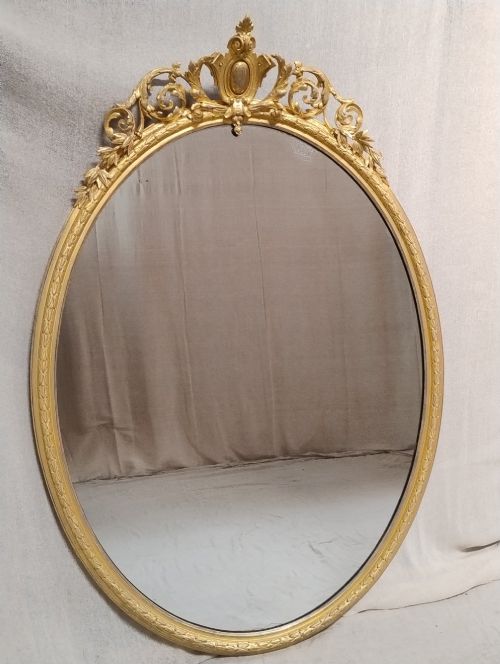
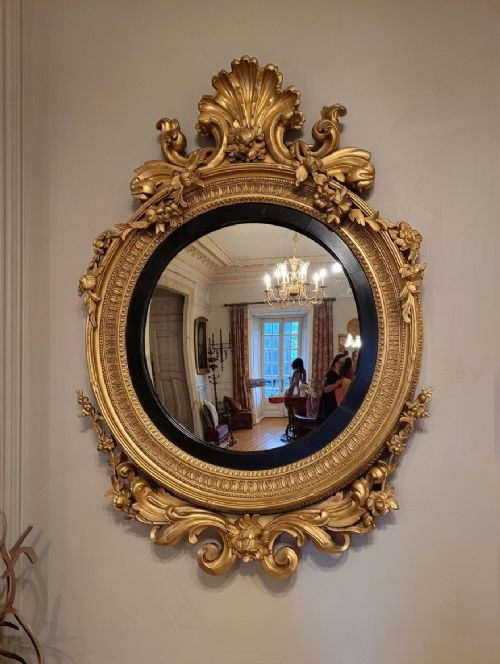
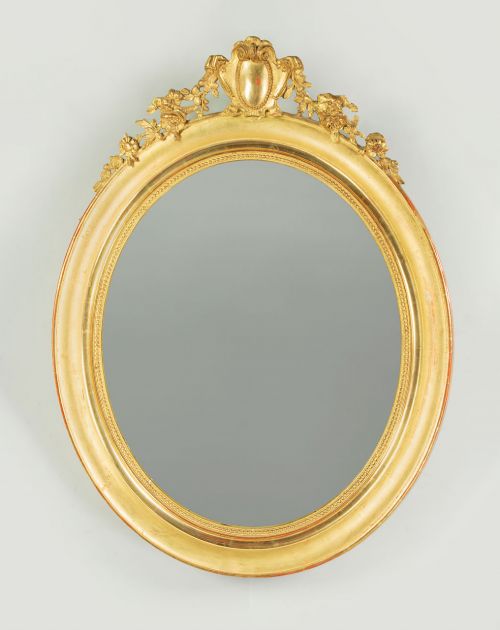
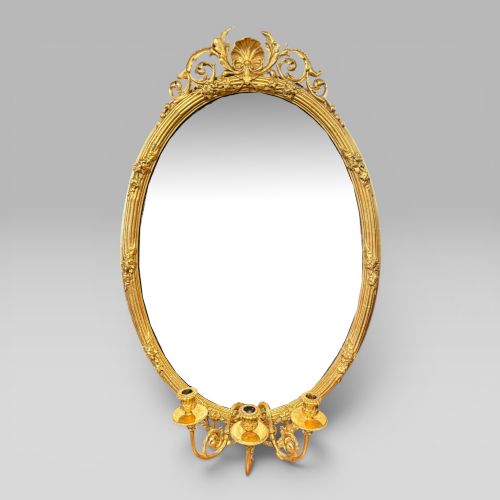
Carved Gilt Oval Mirror
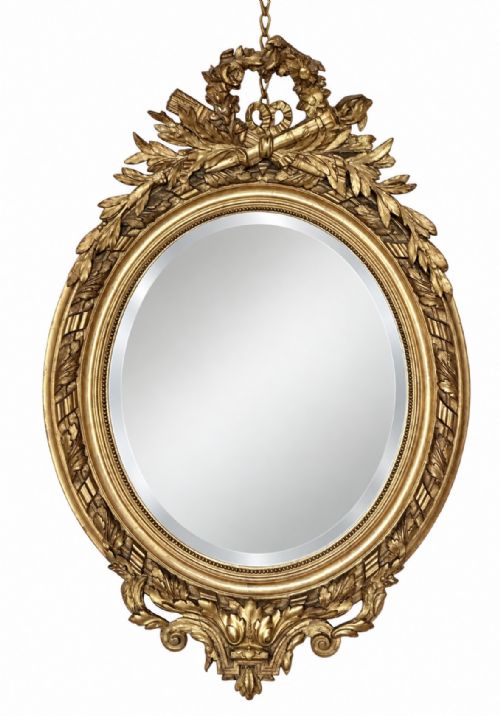
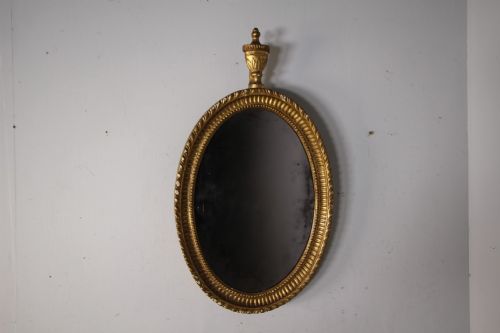
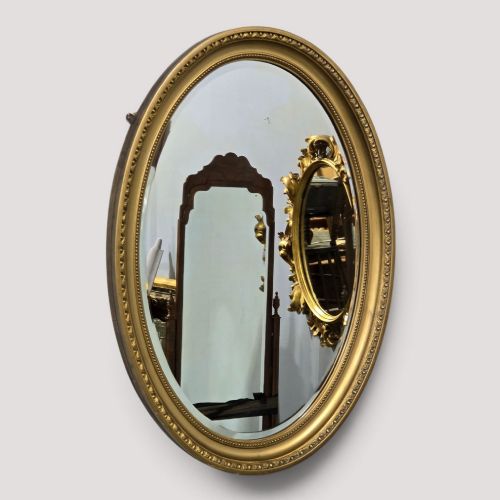
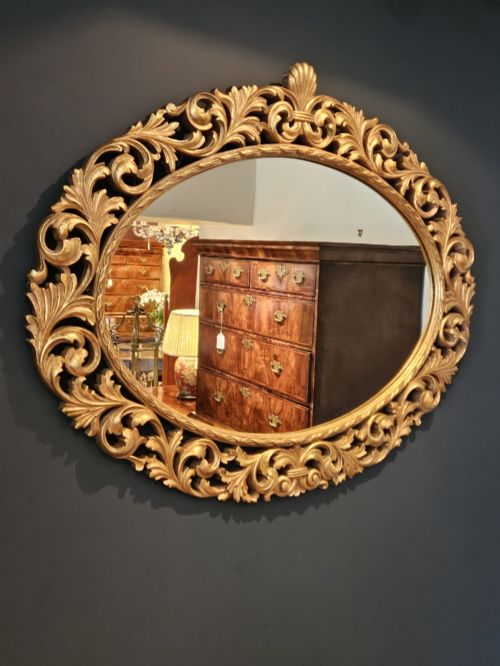
When choosing a carved gilt oval mirror, you select a piece that brings warmth, reflected light and classical proportion to an interior space.
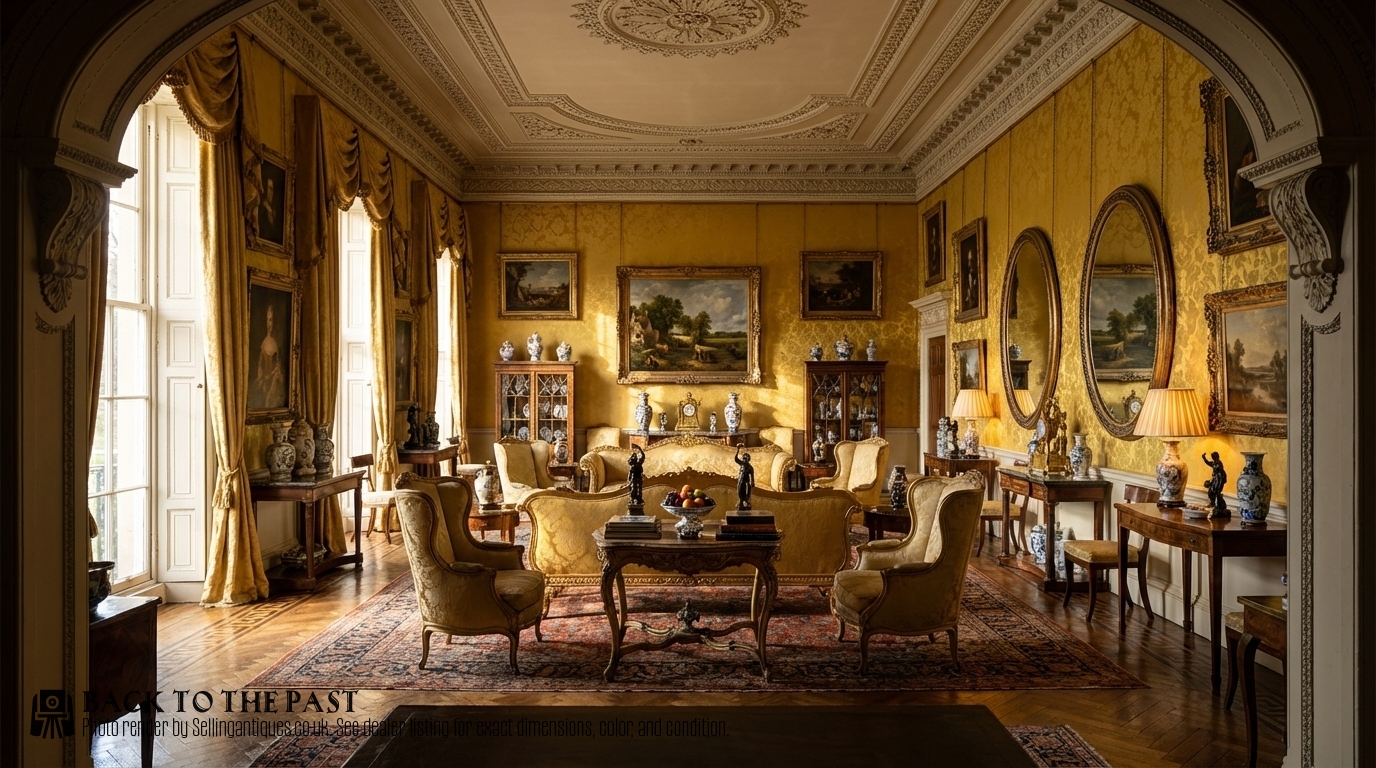
Carved Gilt Oval Mirror
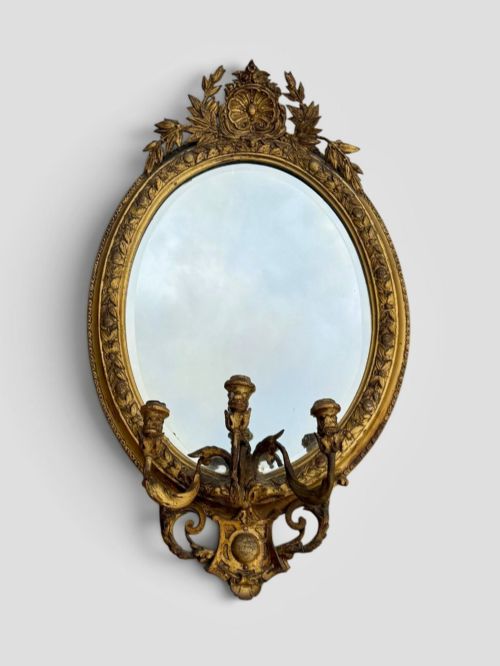
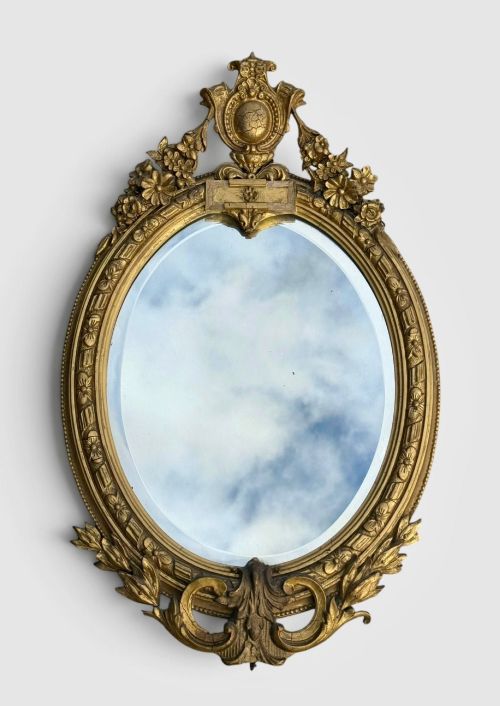
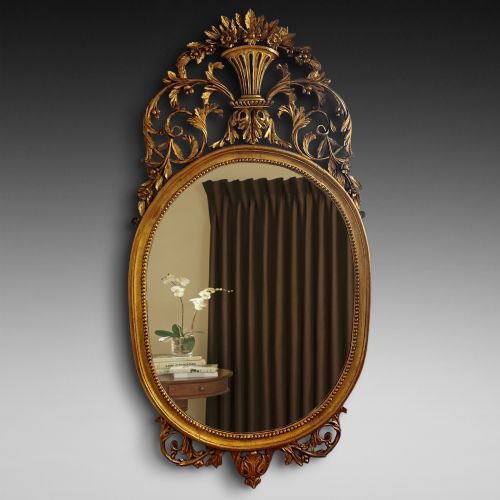
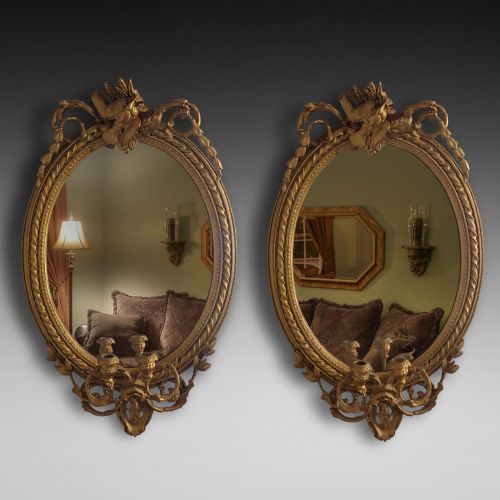
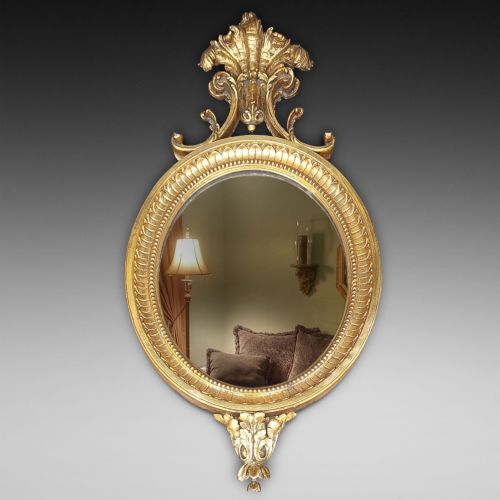
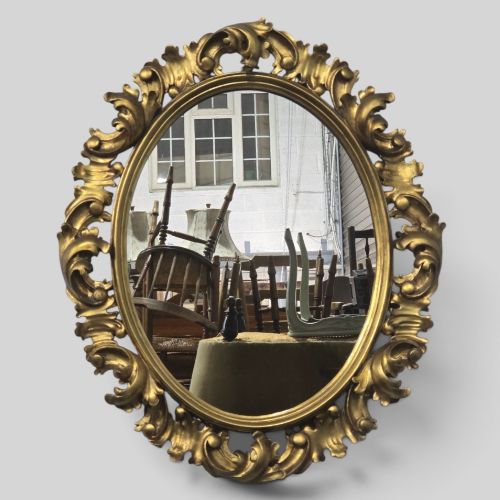
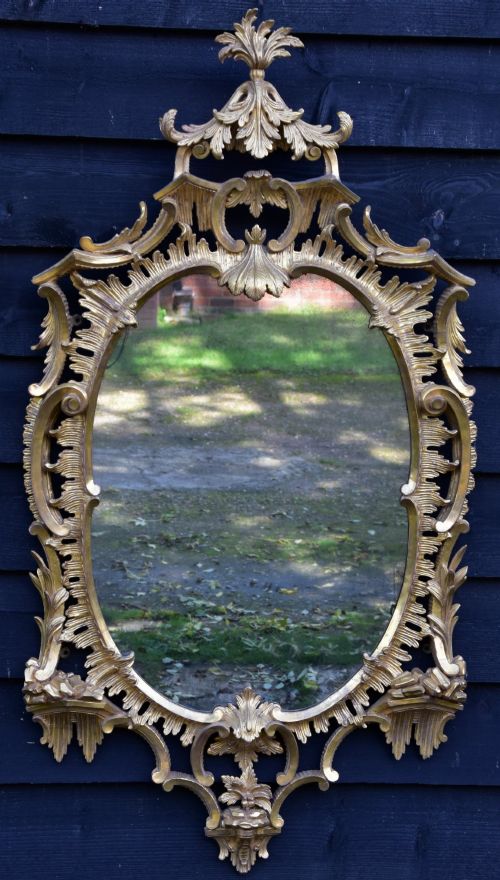
A carved gilt oval mirror combines a curved wooden or composition frame with a reflective glass plate, finished in metallic leaf or paint. These objects function primarily as wall-hung decorative furnishings designed to brighten rooms and create an illusion of depth.
The selections available range from 18th-century Georgian and Regency examples to ornate Victorian and Edwardian revivals. Wall-hung versions predominate, alongside smaller toilet mirrors, dressing mirrors and candle-bearing girandoles.
Makers drew on various historical aesthetics, producing pieces in Rococo, Neoclassical and Adam styles. English and French workshops generated much of the output seen across these periods.
Materials and construction methods
Craftsmen shaped frames from timber bases, such as pine or hardwood, often applying a layer of gesso to build up intricate relief details before gilding. This mixture of plaster and glue provided a smooth surface suited to deep carving or moulding.
Gold leaf or silver leaf was then laid over the prepared surface and burnished to achieve a metallic sheen. Alternatively, painters applied gilt paint or composition ornaments to speed up production in later periods.
Carved Gilt Oval Mirror Retail Price Guide 2026
Typical asking prices for carved gilt oval mirror among the pieces listed under this phrase on Sellingantiques today, from the lower quarter to the upper quarter. They describe what is for sale here now, not the wider market.
Some Victorian girandoles feature arms designed to hold wax safely away from delicate rose vine carvings.
Quality variations in the range
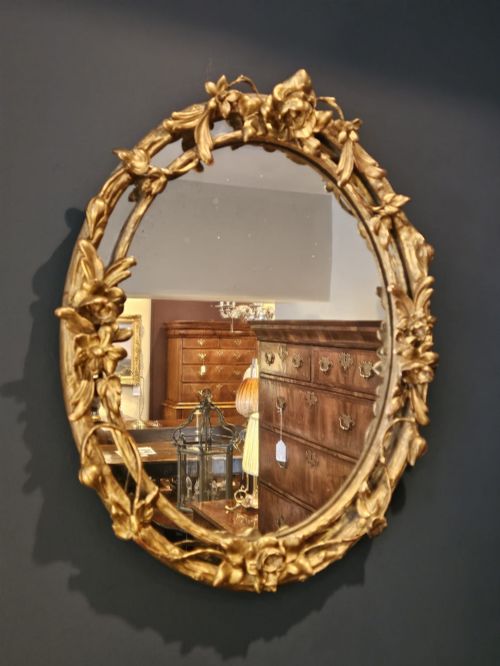
The standard of carving determines much of the distinction between pieces, with hand-carved wooden ornament showing greater depth and crispness than moulded composition. Superior items retain sharper relief along the vine leaves, floral motifs and scrolls.
The condition and age of the mirror plate itself contribute significantly to a piece's integrity. Original mercury glass or early hand-silvered plates exhibit distinct tonal variations and foxing that distinguish older fabrications from later replacements.
The Carved Gilt Oval Mirror Glossary
- Giltwood
- Wood that has been coated with gold leaf or metal leaf. This finish gives the frame its characteristic metallic gleam.
- Gesso
- A mixture of chalk, gypsum and binder used to coat wooden frames before gilding. It allows craftsmen to carve or stamp intricate surface details.
- Girandole
- A decorative wall mirror fitted with candle sconces attached to the frame. The branches reflect candlelight back into the room.
- Mercury Plate
- An early type of mirror glass backed with a tin and mercury amalgam. It produces a characteristic mottled reflection known as foxing.
- Composition
- A moulded mixture of whiting, resin, glue and oil pressed into decorative reliefs. It offered a faster alternative to hand carving in later periods.
Carved Gilt Oval Mirror: Frequently Asked Questions
Where should I hang an oval mirror?
These mirrors suit spaces above mantelpieces, console tables or within hallways where their curved proportions soften linear architectural elements. Positioning them opposite a window maximises the natural light they reflect into the room.
Ensure the wall fixings match the weight of the timber and gesso frame. Secure placement requires anchoring directly into wall studs or using heavy-duty masonry plugs.
How do I identify the period of a mirror?
Examination of the timber backing, joinery methods and the composition of the gesso layer helps establish age. Georgian examples often display hand-carved pine beneath the leaf, while later Victorian and Edwardian pieces frequently utilise moulded composition.
The mirror plate offers further clues through edge beveling and oxidation patterns. Older mercury plates show distinctive dark spots and soft reflections compared to modern float glass.
Are girandoles different from standard wall mirrors?
Girandoles incorporate integrated candle arms projecting from the lower frame. These arms were designed to hold wax candles, multiplying the ambient light within a candlelit interior.
Standard wall mirrors lack these candle sconces and rely solely on reflecting existing light sources. Both types share similar carved wooden and gesso construction methods.
How do I clean a giltwood frame?
Dust the carved surfaces gently with a soft, dry brush to remove particles without disturbing the delicate metallic leaf. Avoid liquid cleaners, water or chemical sprays, as moisture strips historical gesso and gilt finishes.
Glass plates can be cleaned using a minimal amount of glass cleaner applied to a cloth rather than sprayed directly onto the mirror. This prevents fluid from seeping behind the plate and damaging the backing.