


Gilded Framed Mirror
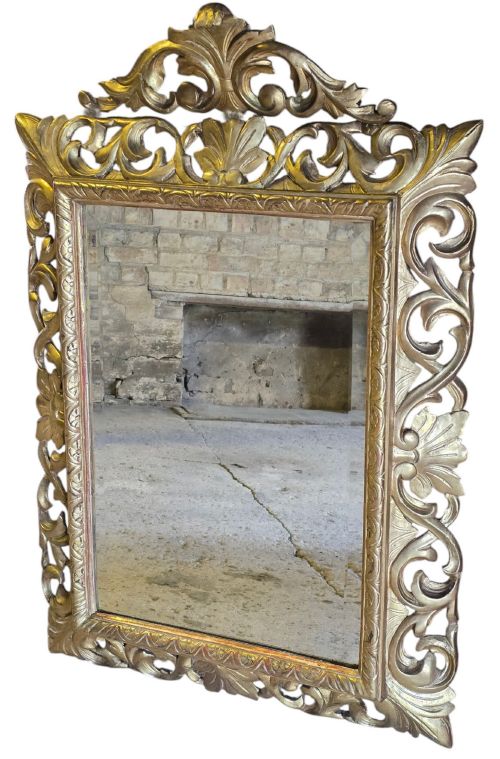
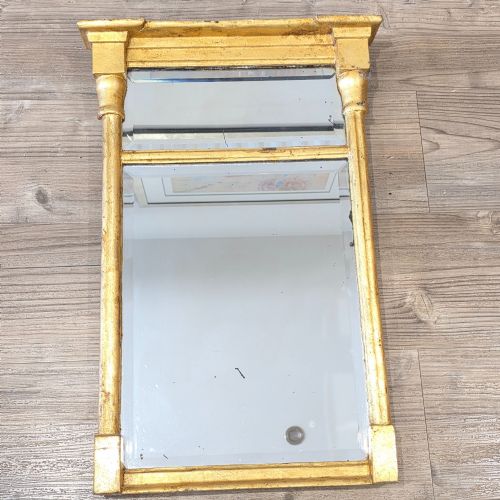
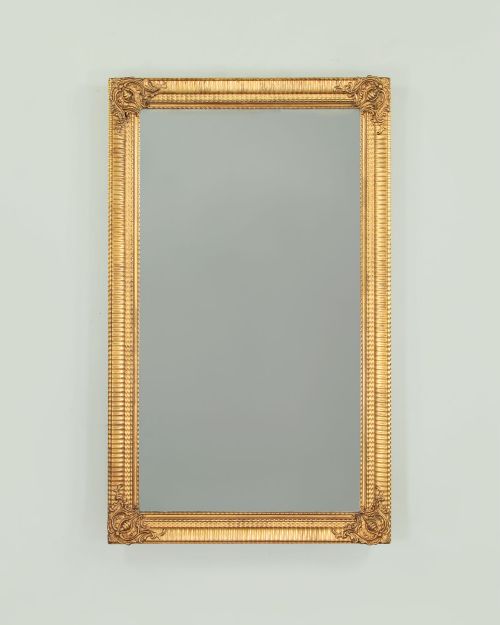
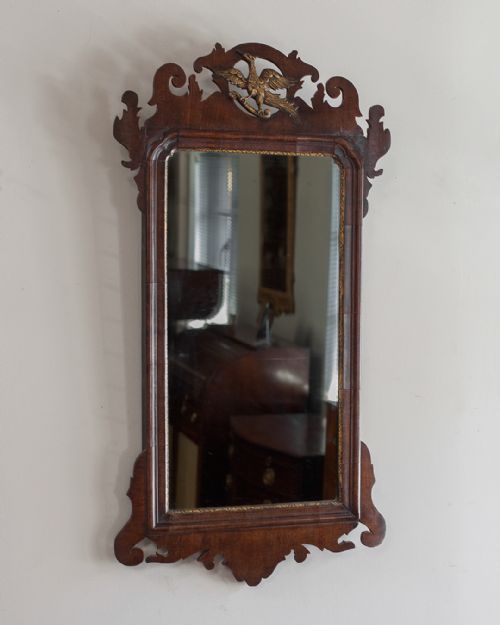
When you search for a gilded framed mirror, you seek a reflective statement piece combining carved wooden structure with lustrous metallic finish.
Gilded Framed Mirror
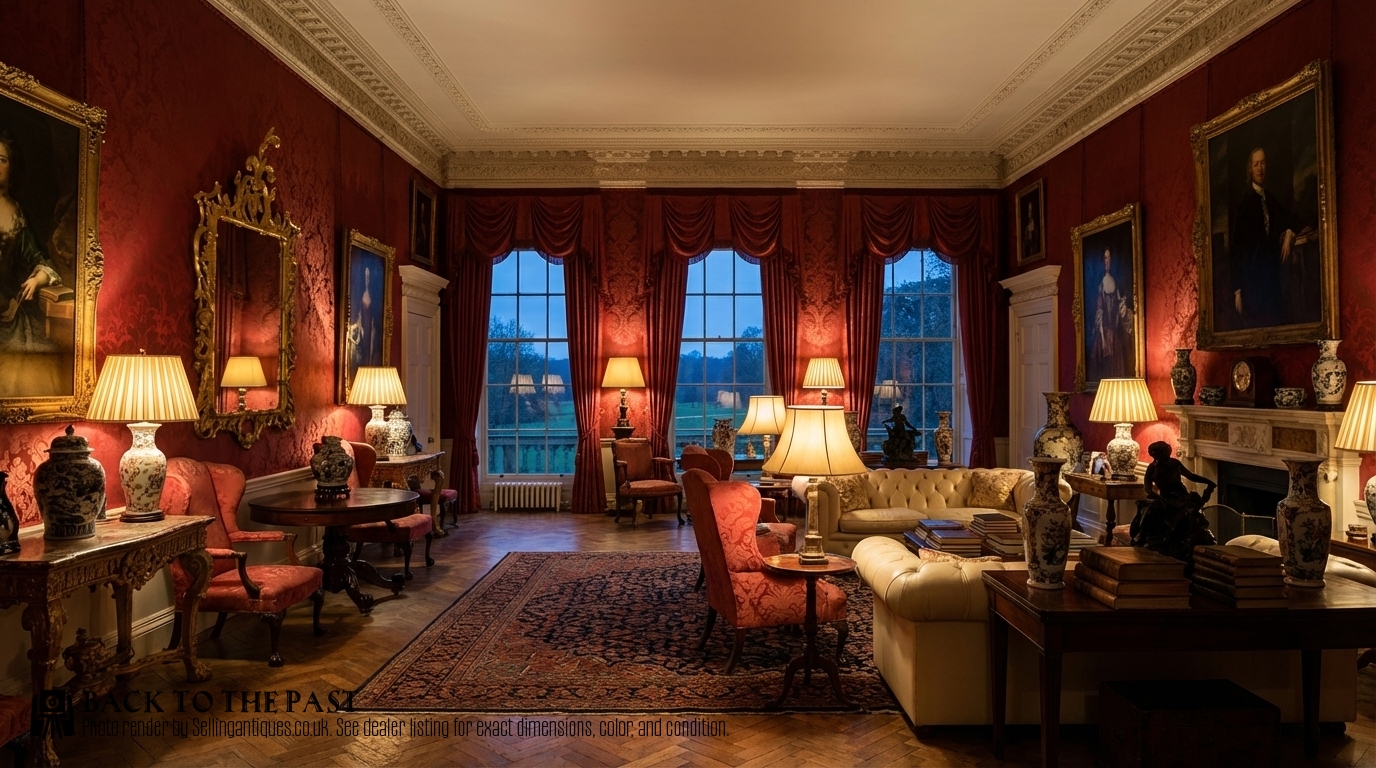
A gilded framed mirror brings together centuries of decorative tradition, appearing most frequently in eighteenth and nineteenth-century English and French designs.
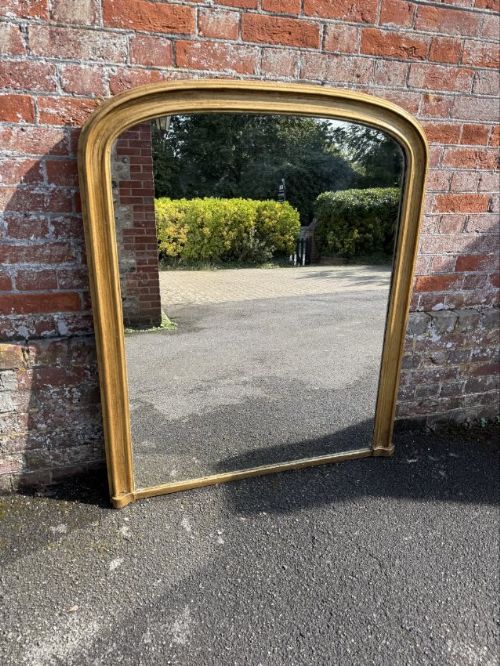
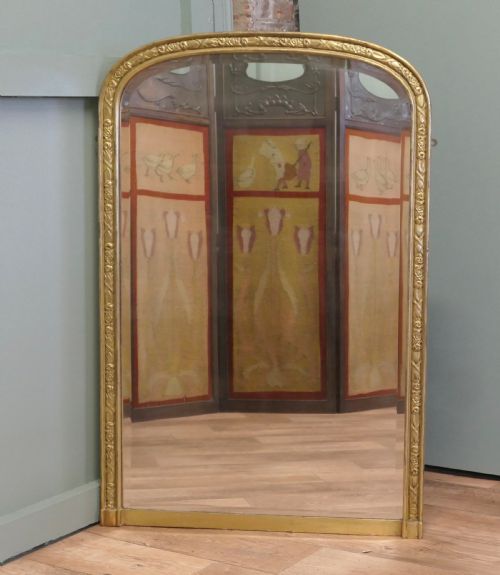
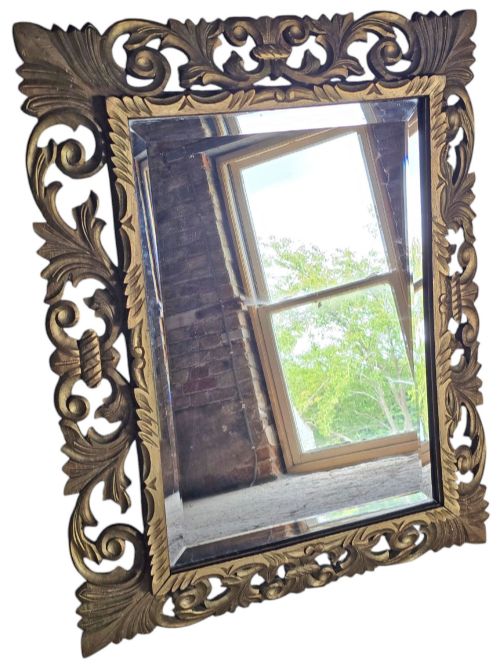
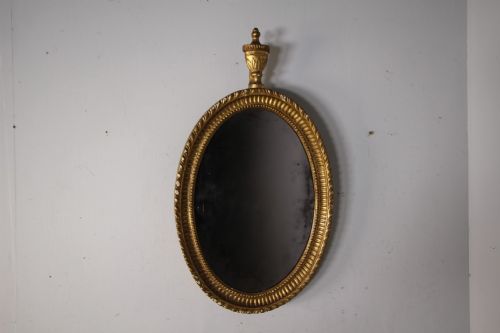
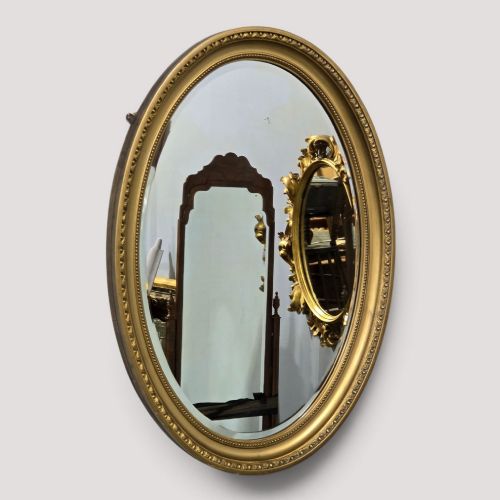
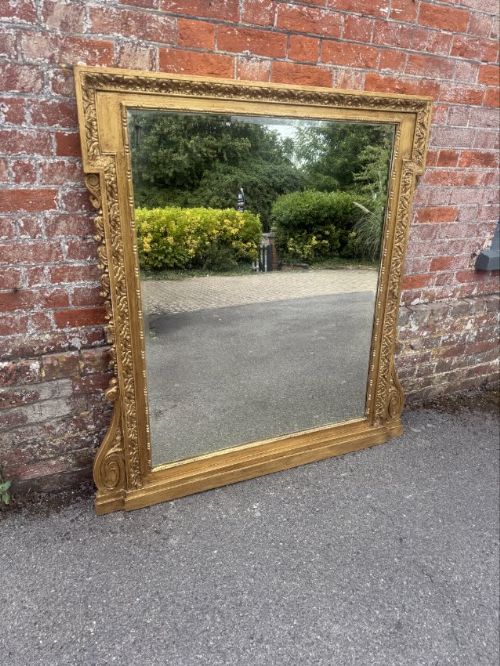
Buyers encounter substantial overmantel mirrors meant for placement above fireplaces, alongside tall Louis Philippe wall pieces, oval frames, and intricate Florentine creations.
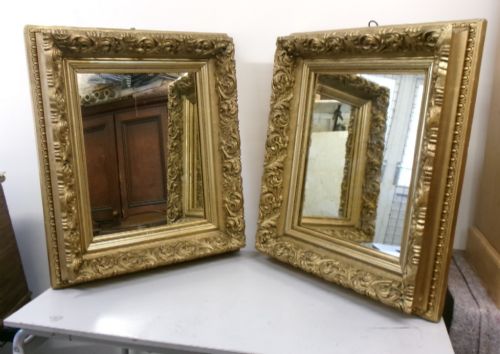
The selection ranges from grand Regency pier glasses to ornate Victorian gesso examples featuring acanthus leaf decoration and carved wood.
Materials and construction
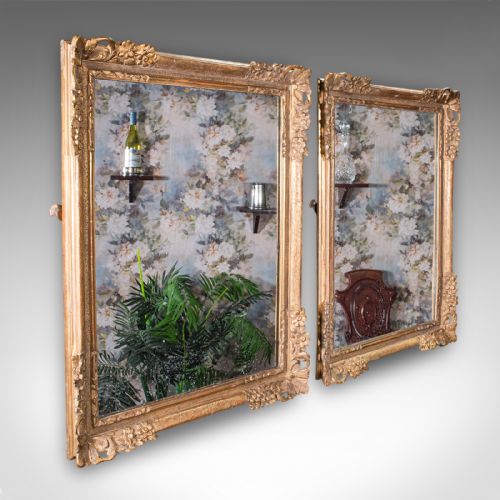
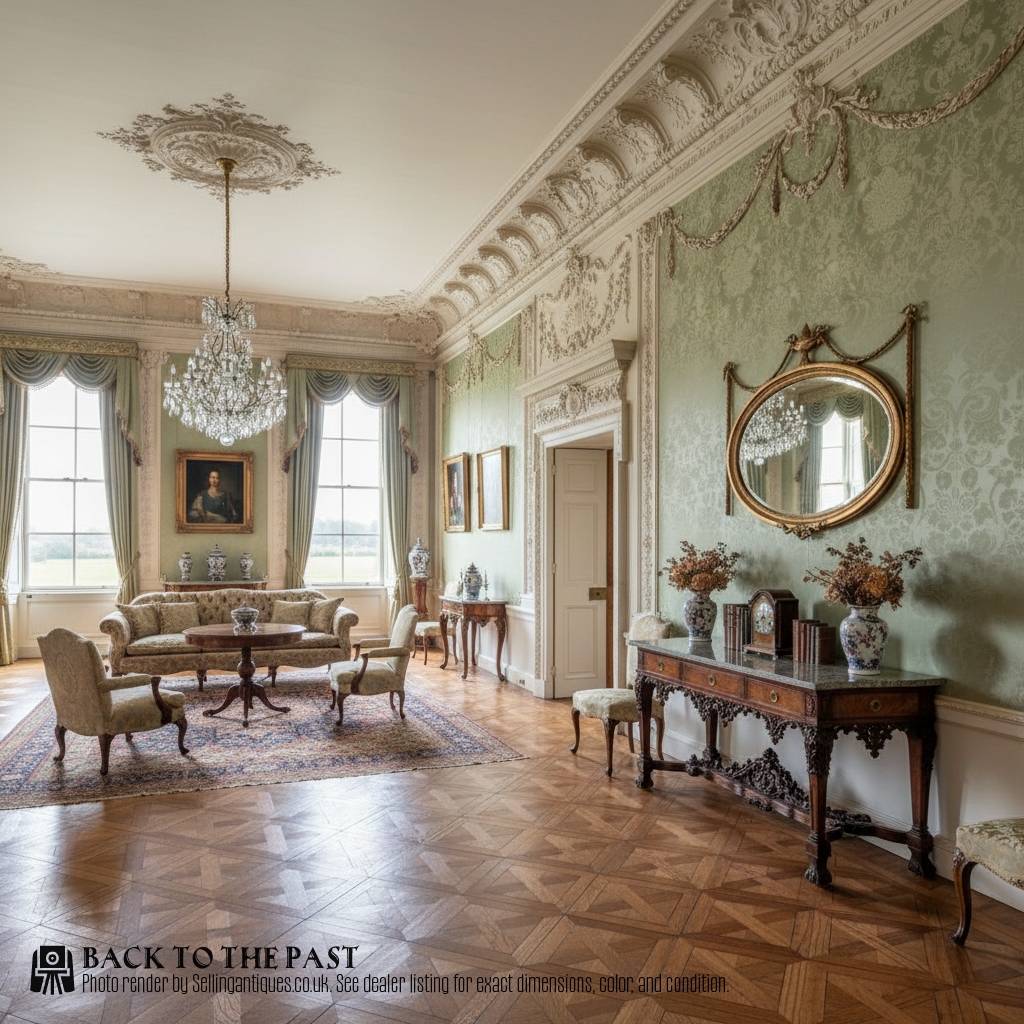
Frames rely on timber foundations such as carved wood, walnut, mahogany, or pine, shaped into architectural mouldings or elaborate floral motifs.
Gilding is achieved through the application of gold leaf, gesso, or composition ornaments upon the wooden base, sometimes complemented by ormolu decoration.
Reflective surfaces include antique plates, bevelled mirror glass, and period mercury glass showing characteristic foxing.
Gilded Framed Mirror Retail Price Guide 2026
Typical asking prices for gilded framed mirror among the pieces listed under this phrase on Sellingantiques today, from the lower quarter to the upper quarter. They describe what is for sale here now, not the wider market.
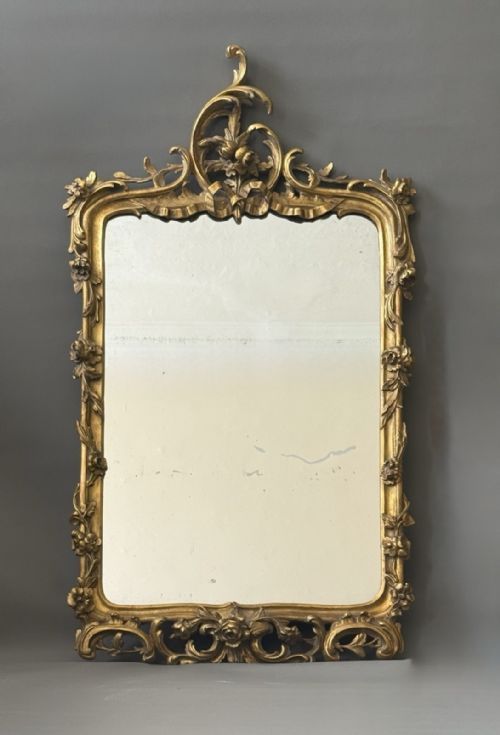
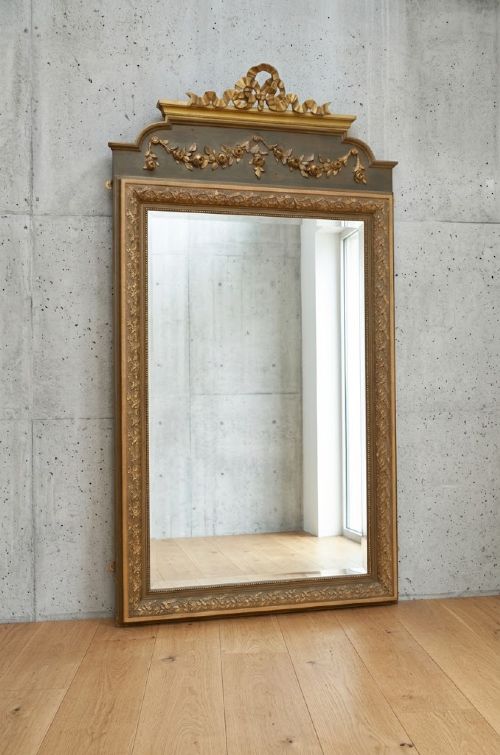
Some nineteenth-century French mirrors preserve whimsical ribbon crests designed to make the heavy timber frame appear lightly tied to the wall.
Distinctions in craftsmanship
The finest examples demonstrate deep, crisp hand-carved detail in the wood and gesso rather than shallow or uniform moulding.
Superior weight and substantial timber construction separate grand salon and overmantel pieces from lighter domestic wall hangings.
The integrity of the original gilding and the character of the aged glass plate govern the visual presence of the object.
The Gilded Framed Mirror Glossary
- Gesso
- A plaster-like mixture applied to wooden frames as a smooth base for subsequent gilding. This material allows intricate relief ornamentation to be moulded onto the surface.
- Overmantel Mirror
- A wide horizontal looking glass designed specifically to hang above a fireplace mantel. These large pieces often anchor the decorative scheme of a formal room.
- Mercury Glass
- A double-walled glass blown type containing a silvering mixture inserted between the layers. Older examples display characteristic dark speckles known as foxing.
- Giltwood
- Timber that has been coated in gold leaf or gold paint. It provides the reflective metallic sheen characteristic of formal antique frames.
- Girandole
- A decorative wall mirror featuring attached candle sconces. The candle arms multiply the available light within a candlelit interior.
Gilded Framed Mirror: Frequently Asked Questions
Where should I hang an overmantel mirror?
These large horizontal glasses belong above a fireplace mantel to reflect light and anchor the room.
They also function effectively as leaner mirrors placed directly on the floor against a wall.
How do I identify a nineteenth century frame?
Look for characteristic Victorian and Regency motifs such as acanthus leaves, ribbon crests, and heavy carved gesso decorations.
Construction details often include timber frames paired with early bevelled or flat mirror plates.
What is foxing on antique glass?
Foxing refers to the small dark spots and age marks that develop within the reflective backing of older mirrors over decades.
This natural oxidation process confirms the genuine age of mercury glass plates found in eighteenth and nineteenth-century frames.
Are French and English styles different?
French designs from periods like Louis Philippe and Napoleon III often favour clean architectural arches, cushion frames, and refined floral or mythological carvings.
English pieces tend toward robust overmantel formats with deep carved wood and gesso ornamentation.