


French Gilded Mirror
A french gilded mirror brings reflective depth and metallic warmth to a room, functioning as a focal point through centuries of decorative traditions.
French Gilded Mirror
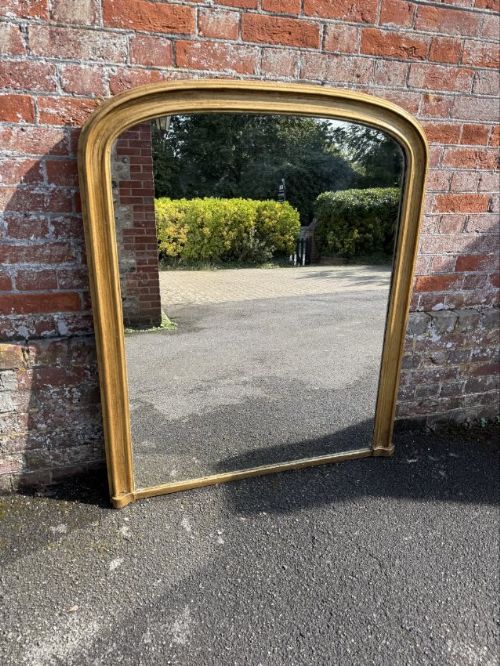
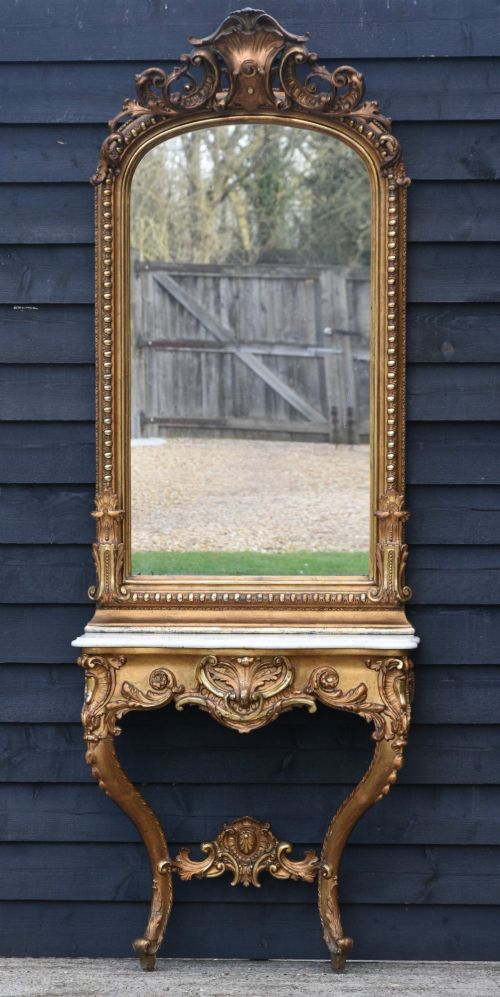
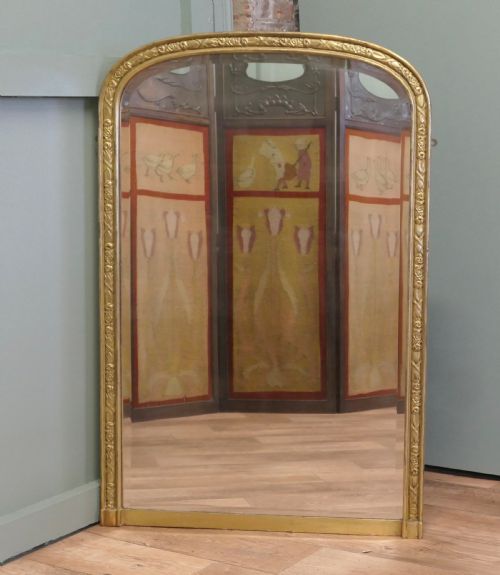
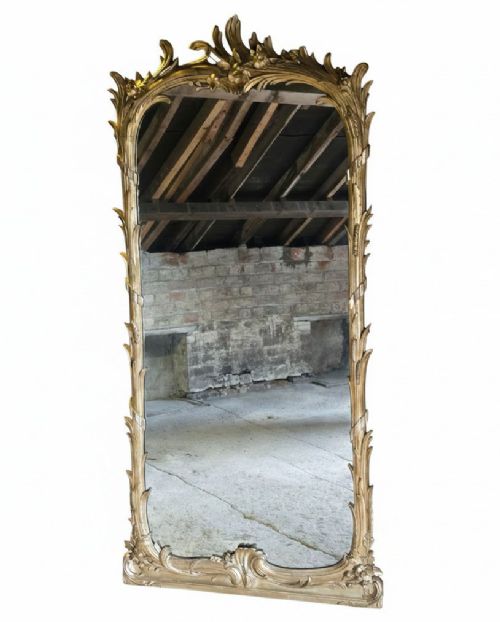
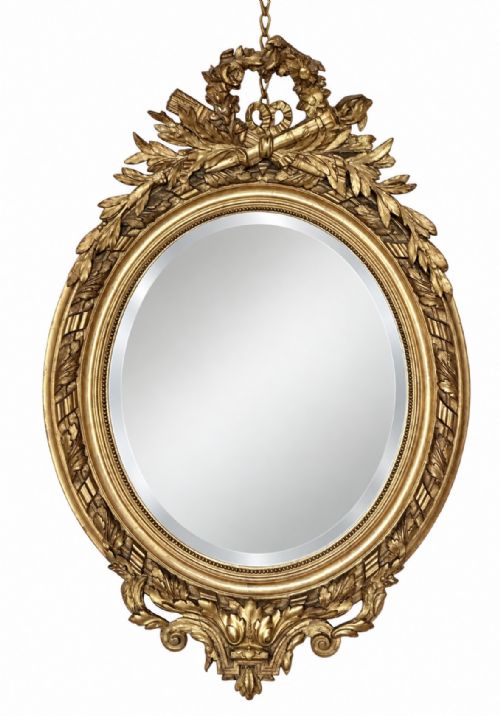
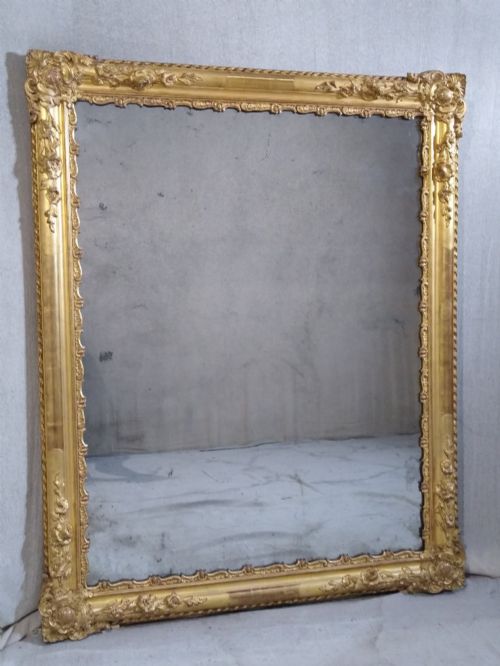
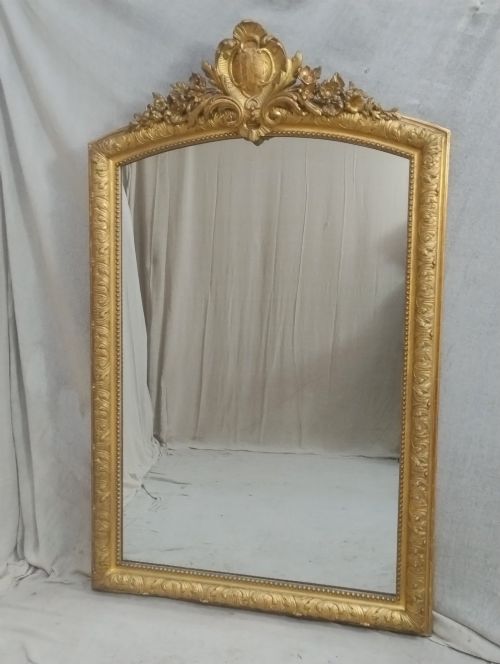
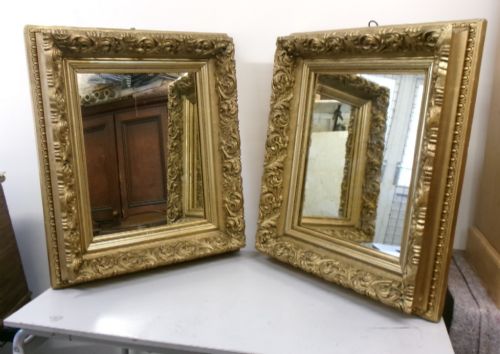
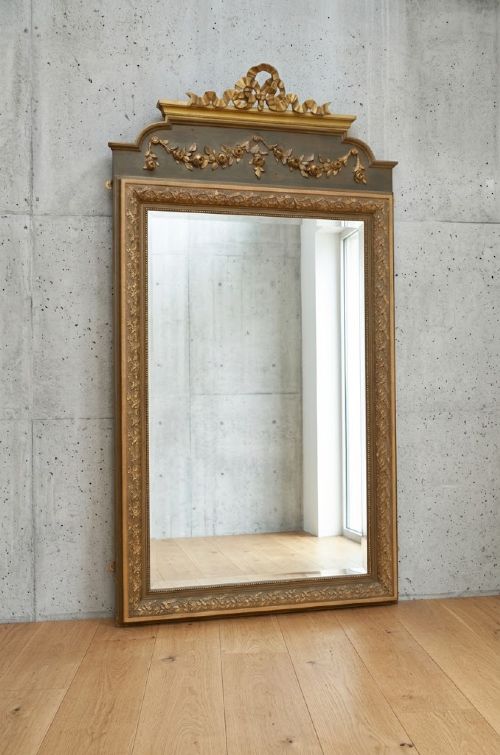
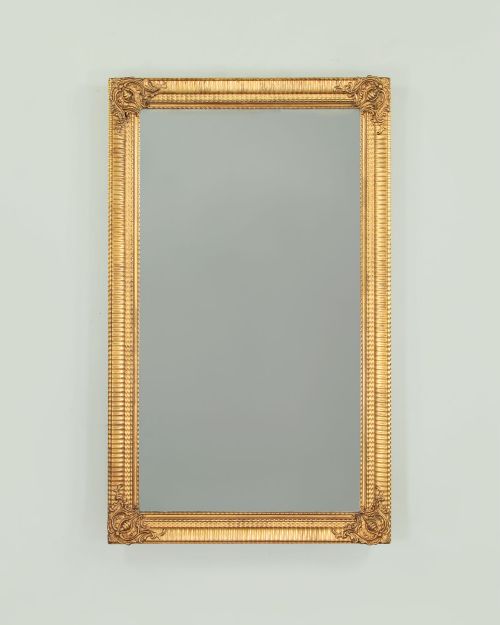
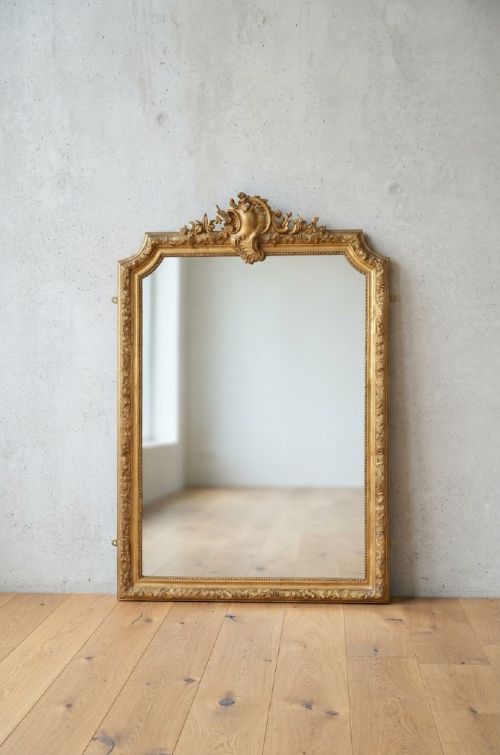
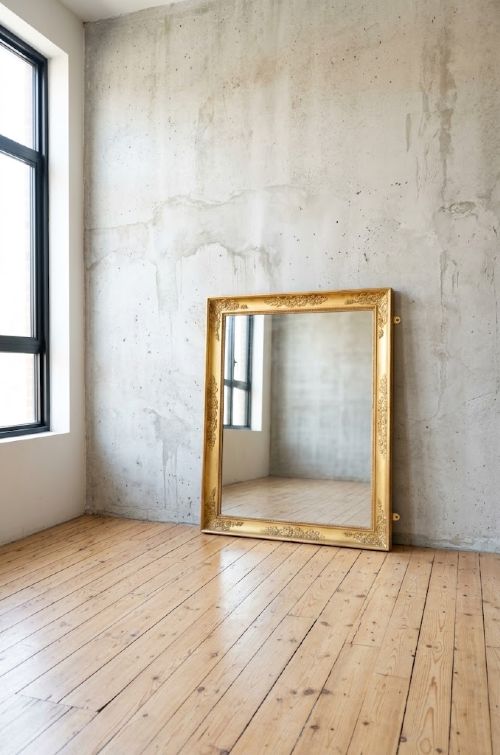
When you search for a french gilded mirror, you encounter pieces spanning the eighteenth, nineteenth, and early twentieth centuries, dominated by ornate wall and overmantel formats. These objects include tall leaner mirrors, console table pairings, and trumeau panels featuring pastoral oil paintings or carved crests.
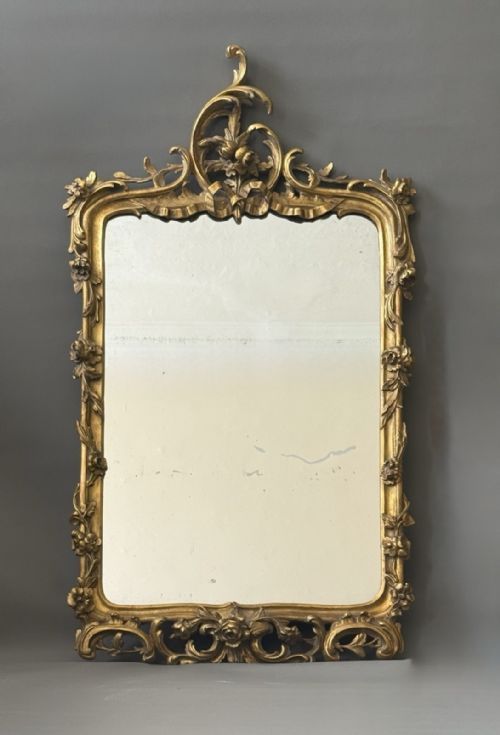
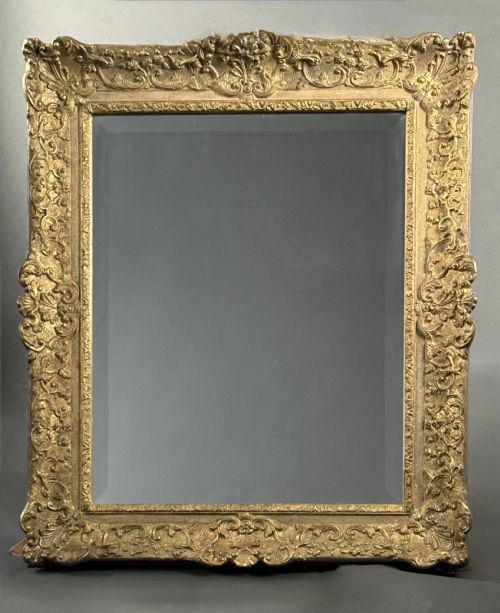
The dominant style on this page is the nineteenth-century revival piece, drawing heavily on French Rococo and Louis Philippe designs. You will frequently find arched tops, ribbon crests, and intricate floral or mythological carvings framing the reflective plate.
Originating largely from French chateaux and salons, these mirrors were built to amplify natural light and create illusions of expanded interior space. Their forms range from intimate oval plaster frames to monumental pier mirrors stretching over two metres in height.
How They Were Made
Makers built the foundational framework using timber such as wood, which was then layered with gesso and composition paste to receive intricate relief carvings. Artisans applied gold leaf or water gilding techniques over these prepared surfaces to achieve a luminous metallic finish.
Mirrors from earlier periods often utilised mercury glass plates displaying characteristic foxing, while later nineteenth-century examples incorporated bevelled mirror plates held securely within heavy carved frames.
French Gilded Mirror Retail Price Guide 2026
Typical asking prices for french gilded mirror among the pieces listed under this phrase on Sellingantiques today, from the lower quarter to the upper quarter. They describe what is for sale here now, not the wider market.
Listings feature items spanning the eighteenth century through to the Belle Époque period around nineteen hundred.
What Varies In Quality
The crispness and depth of the hand-carved ornamentation separate exceptional frames from standard production pieces, particularly where gesso foliage and ribbon crests meet the wooden substrate. Finer examples retain their original gilding and historic mirror plates with authentic foxing rather than modern replacements.
Structural integrity across heavy overmantel and pier formats depends on the joinery of the timber frame and the stability of the plaster composition applied beneath the gold leaf.
The French Gilded Mirror Glossary
- Gesso
- A plaster-based mixture applied to wood frames to create a smooth surface for carving and gilding. This foundational layer allows for sharp, intricate relief details.
- Overmantel Mirror
- A large mirror specifically designed to hang above a fireplace mantel. These pieces often feature wide horizontal or arched proportions.
- Foxing
- Small dark spots and patches on antique mirror glass caused by the degradation of the backing over time. This natural ageing process indicates original mercury or silvered glass plates.
- Trumeau
- A decorative wall mirror incorporating an oil painting or panel within the upper section of the frame. They were traditionally built to fit the architectural space between windows or doors.
- Pier Glass
- A tall mirror designed to hang on the wall space between two windows, frequently paired with a matching console table below.
French Gilded Mirror: Frequently Asked Questions
How do I identify a Louis Philippe mirror?
Louis Philippe mirrors typically feature simple, clean lines with a rounded upper arch and minimal corner ornamentation, distinguishing them from busier Rococo revival pieces.
They rely on subtle proportions and quiet elegance rather than heavy floral or mythological carvings.
What is an overmantel mirror used for?
An overmantel mirror was historically hung directly above the fireplace to reflect ambient light and warm up formal reception rooms.
Today, they serve a similar decorative function above mantels or as substantial floor-standing leaner mirrors in living spaces.
What does foxed glass mean?
Foxed glass refers to the speckled, mottled ageing spots visible on antique mirror plates where the reflective backing has oxidized.
Collectors prize this characteristic as proof of age and authenticity rather than treating it as a defect.
How do I safely hang a heavy giltwood mirror?
Due to the substantial weight of solid wood, gesso, and thick glass, these mirrors require professional wall anchors suited to the specific wall material.
Large leaner mirrors are often supported at the base and secured to the wall at the top to prevent tipping.