


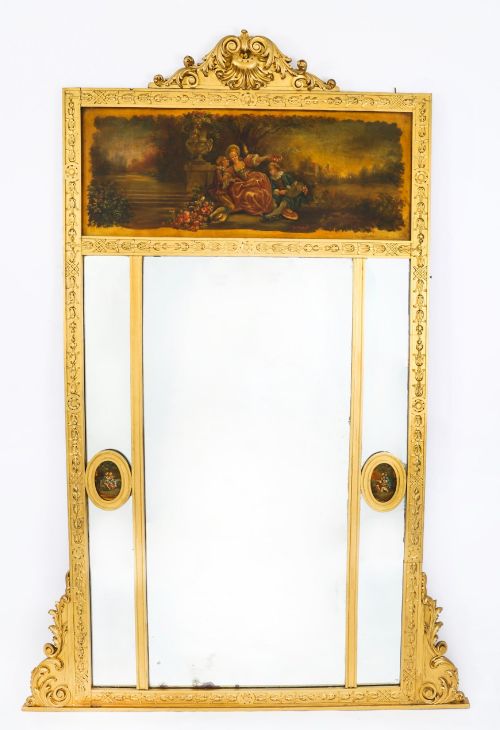
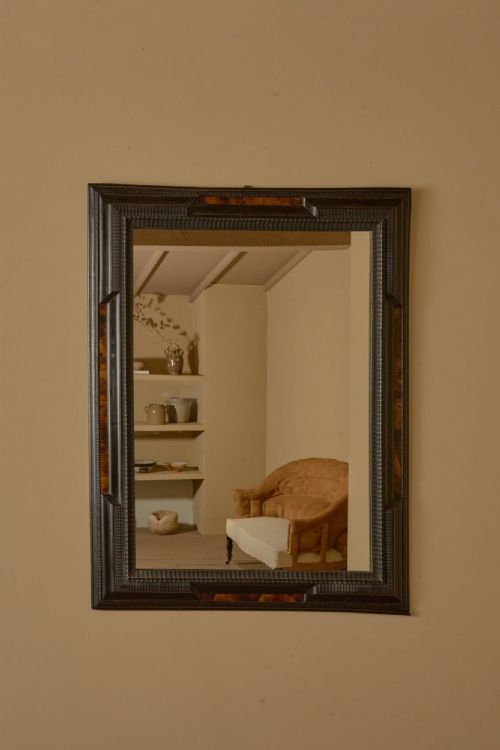
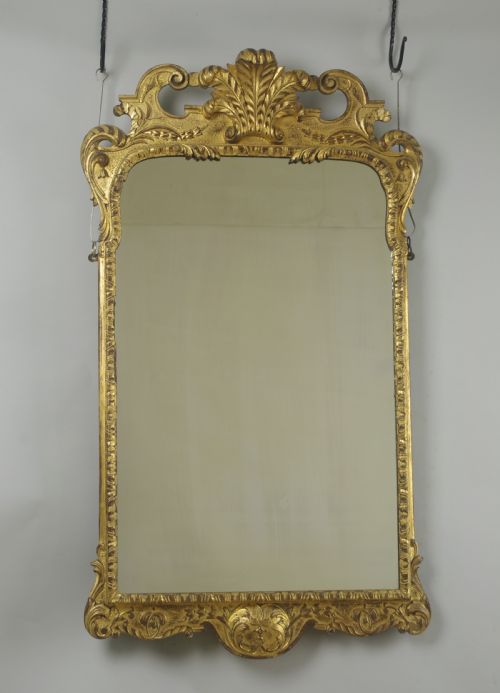
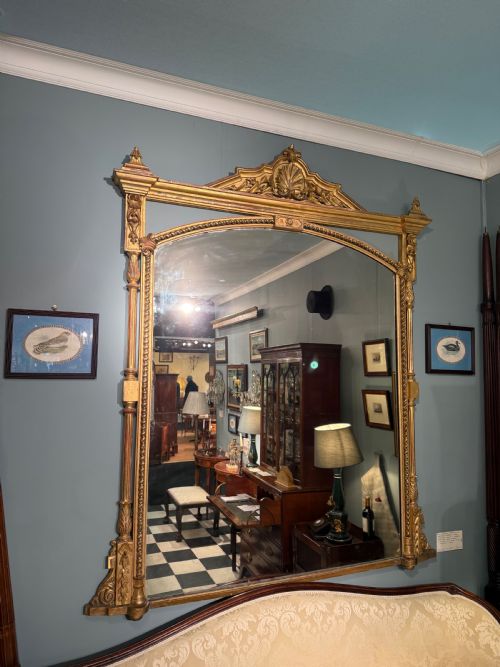
Large Decorative Mirror
A large decorative mirror commands a room, bouncing natural light while anchoring space with period presence.
Large Decorative Mirror
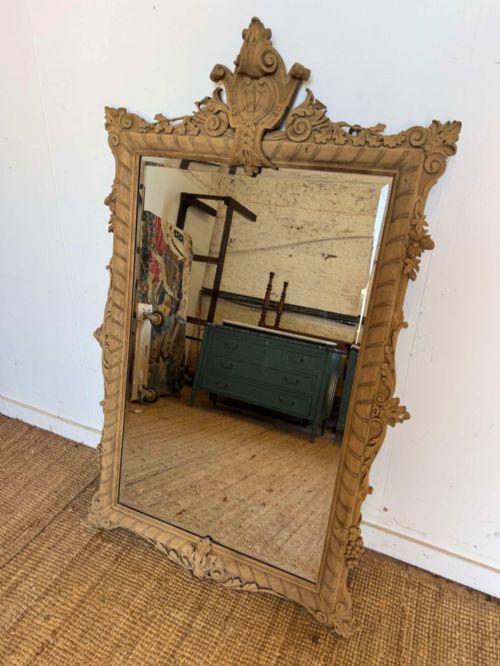
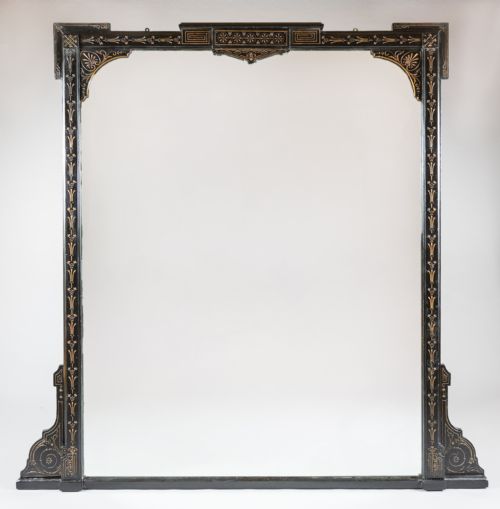
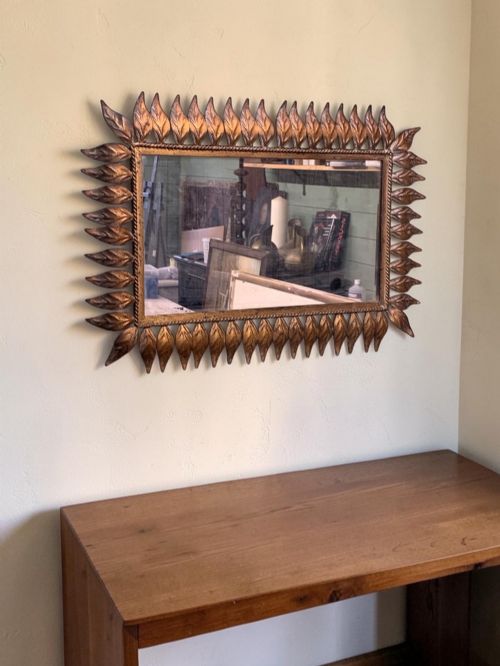
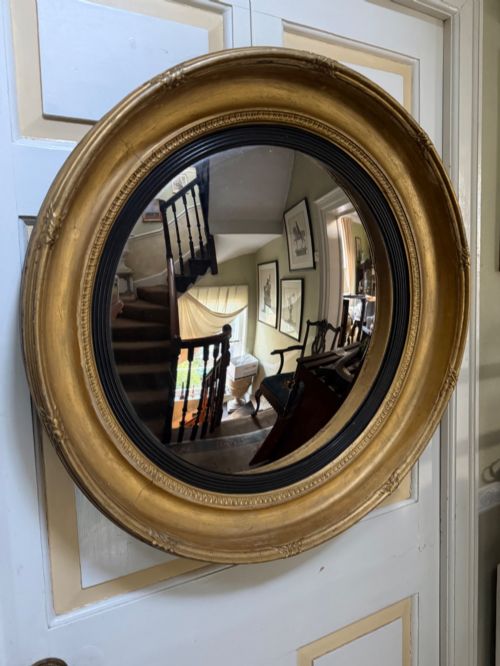
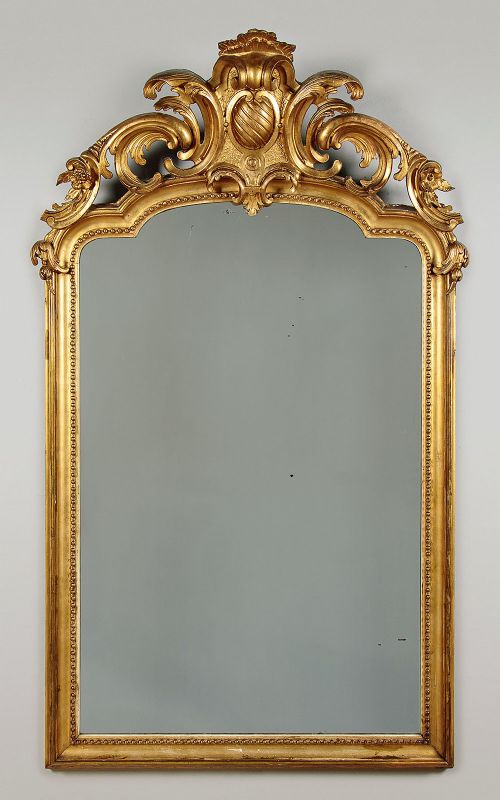
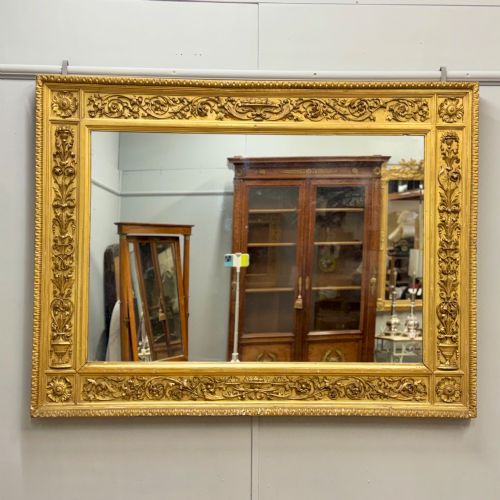
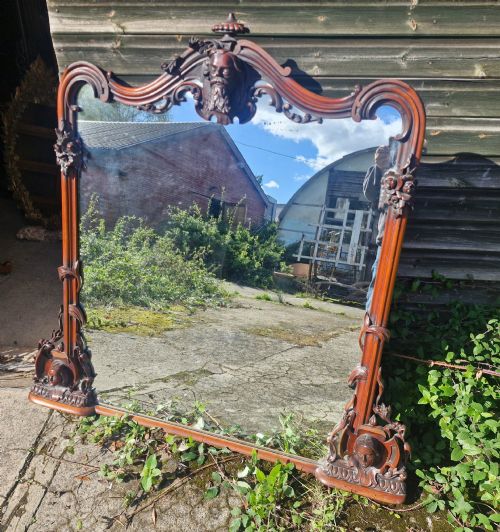
A large decorative mirror serves as a substantial focal point, frequently hung above a mantelpiece or positioned on a wall to expand visual space. These pieces arrive in various formats, balancing practical reflection with ornate framing.
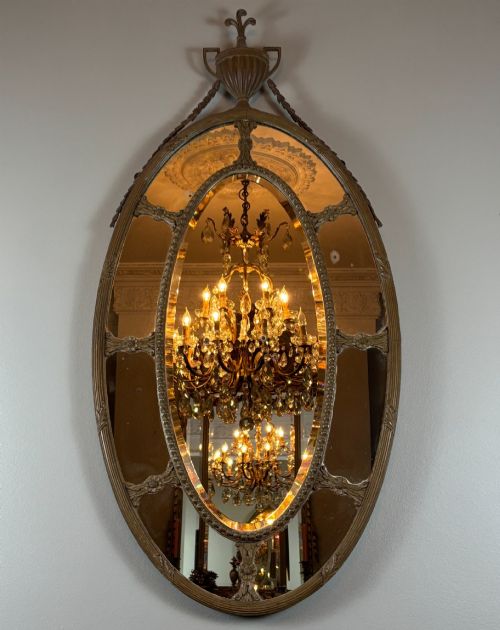
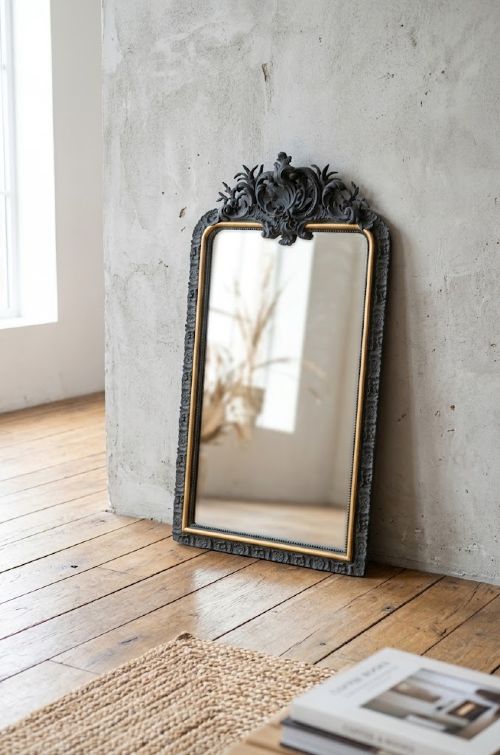
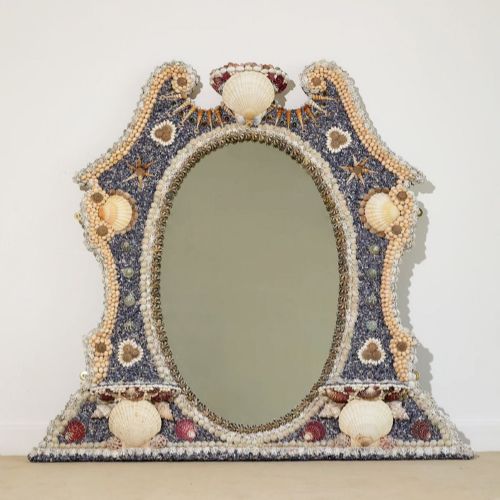
The selections span distinct historical eras, ranging from nineteenth-century Victorian pieces to early twentieth-century examples. Common silhouettes include rectangular wall formats, arched top overmantels, and shaped oval designs.
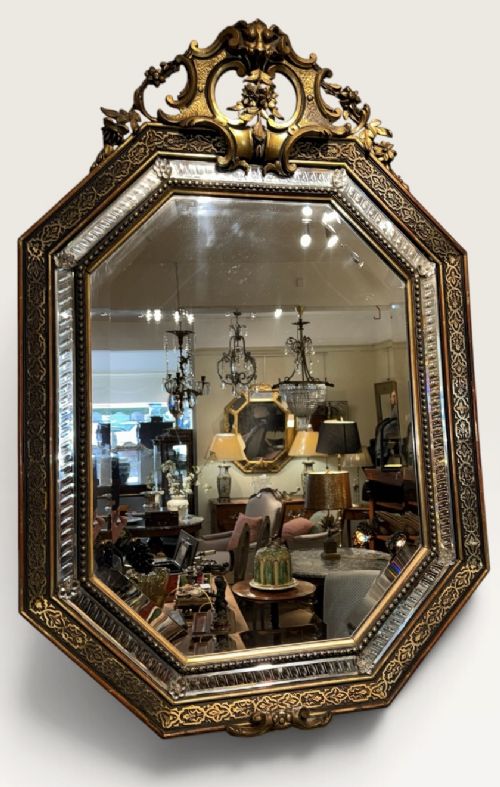
Origins stretch across English workshops and continental European centres, particularly French chateau styles and Florentine designs. Buyers encounter both stately gilded finishes and painted wooden surfaces tailored for prominent display.
Construction and Materials
Frames rely on sturdy timbers such as oak, pine, walnut, padauk wood, and carved wood substrates. Artisans then applied layers of gesso to these wooden bases to build up intricate relief ornaments and moulded details.
Finishes typically involve hand-applied gold leaf gilding, metallic paint, or decorative paintwork. Glass plates are secured within these heavy surrounds, occasionally featuring cushion profiles or bevelled edges suited to grand interior schemes.
Large Decorative Mirror Retail Price Guide 2026
Typical asking prices for large decorative mirror among the pieces listed under this phrase on Sellingantiques today, from the lower quarter to the upper quarter. They describe what is for sale here now, not the wider market.
Some nineteenth-century French mirrors carry the ghostly ghost-marks of long-vanished gilt, whispering tales of dim Parisian salons.
Judging Quality and Execution
Depth and precision of the carved wood and gesso ornamentation dictate the visual strength of the frame. Superior examples display crisp leaf motifs and well-defined mouldings that retain their original architectural sharpness.
The integrity of the original gilt or paint surface separates standard execution from finer work. Authentic patination, showing age through subtle wear rather than crude modern intervention, preserves the historical character of the piece.
The Large Decorative Mirror Glossary
- Overmantel
- A mirror specifically designed to hang above a fireplace mantelpiece. These pieces often feature wide horizontal proportions to match the width of the hearth below.
- Gesso
- A plaster-like mixture applied to wood frames and carved to create raised decorative details. It provides a smooth base for subsequent gilding or painting.
- Giltwood
- Timber that has been coated with a thin layer of gold leaf or gold paint. This technique gives frames a luminous finish that reflects candlelight and daylight.
- Cushion mirror
- A frame style where the outer moulding slopes inwards towards the glass, creating a pillowed or convex profile. This shape adds extra depth to wall displays.
- Regency
- An English design period spanning the early nineteenth century. Pieces from this era often incorporate classical motifs and refined proportions.
Large Decorative Mirror: Frequently Asked Questions
Where should I hang a large decorative mirror?
Position these large frames securely on a main living room wall or directly above a fireplace mantel. Ensure the fixing supports the considerable weight of timber and glass.
Keep the centre of the glass at approximate eye level to maximise light reflection and balance surrounding furniture proportions.
How do I identify a nineteenth-century mirror?
Examine the construction of the wooden backboards, joinery methods, and the composition of the frame materials. Hand-carved details and layered gesso indicate older manufacturing techniques.
Look closely at the mirror plate itself for subtle imperfections or oxidation that point towards age rather than modern production.
Are these mirrors suitable for bathrooms?
Historic frames featuring gesso, carved wood, and original gilt surfaces require protection from excessive moisture and humidity. Damp environments can soften the gesso and damage delicate metallic finishes.
Dry interior rooms remain the ideal setting to preserve the original materials and structural integrity of antique frames.
What is a French Louis Philippe mirror?
This style originates from mid-nineteenth-century France, characterised by a subtle arched top and restrained classical elegance. The frames are typically less flamboyant than earlier Rococo revivals.
Such pieces integrate smoothly into both traditional and contemporary interiors due to their clean, arched geometry.