


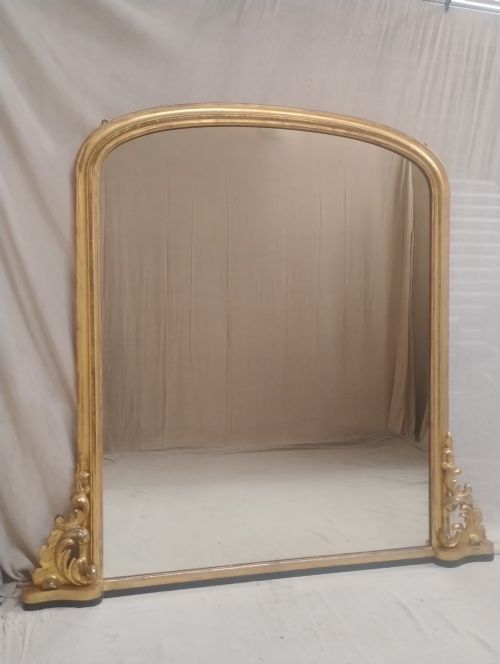
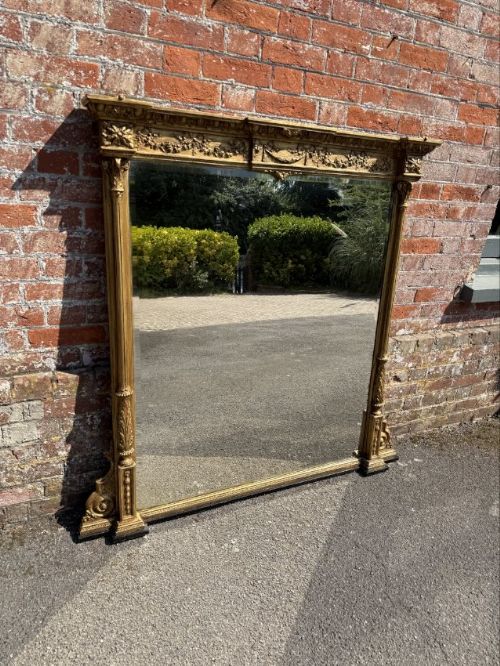
Gold Overmantle Mirror
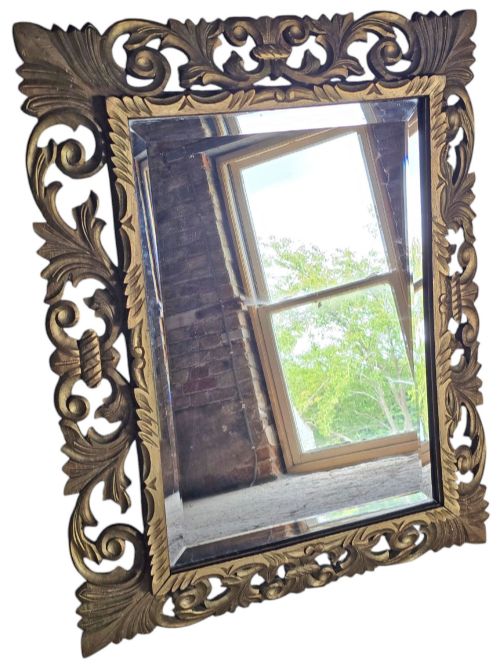
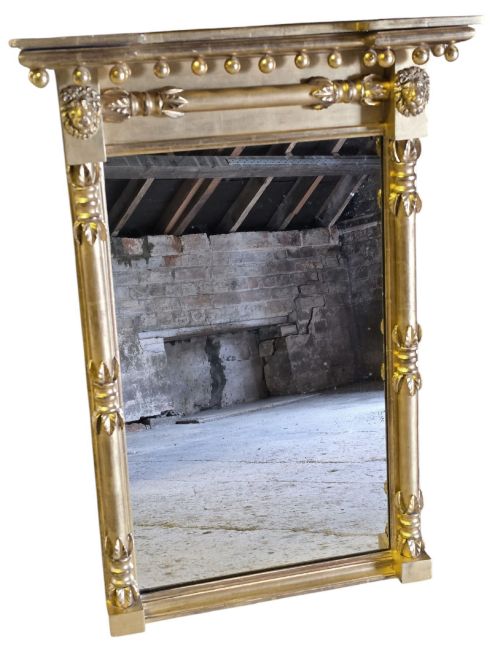
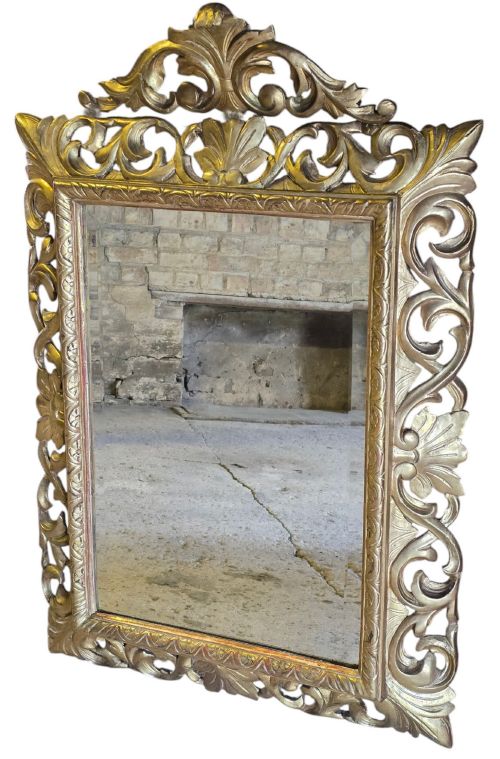
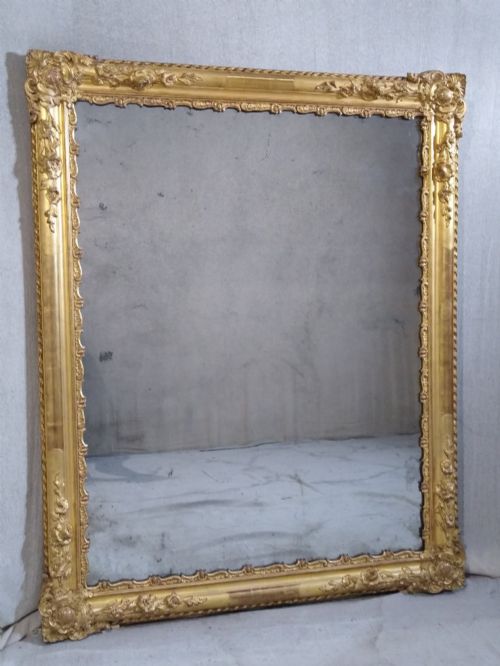
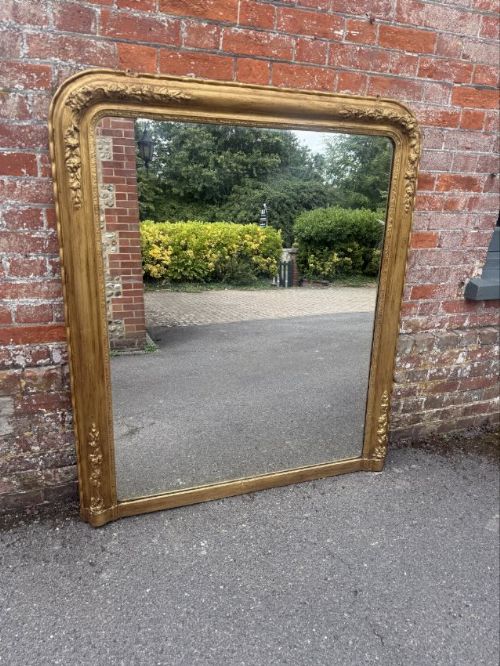
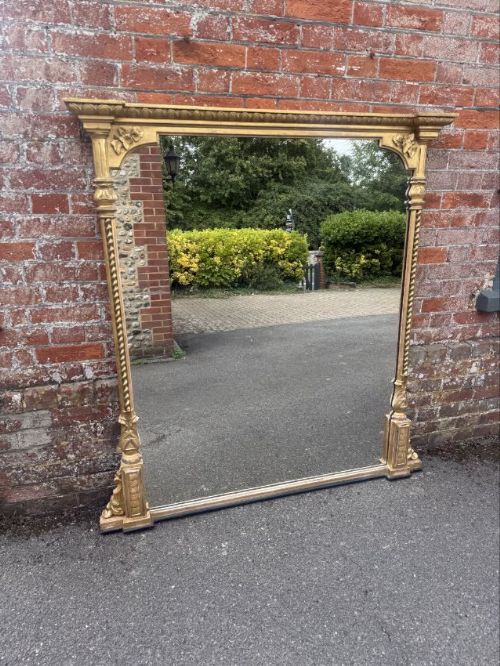
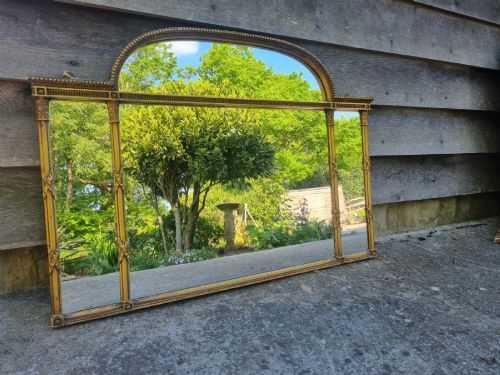
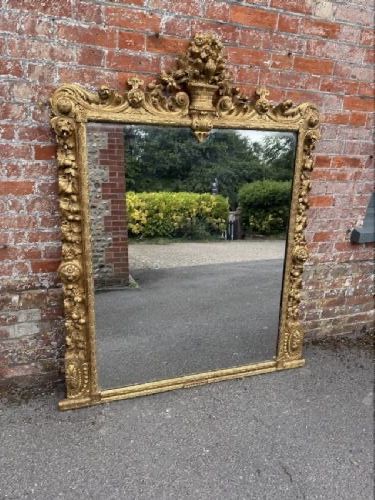
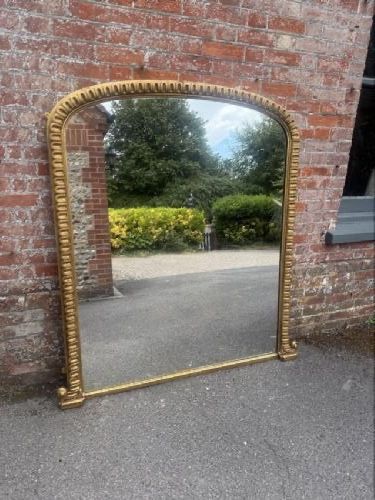
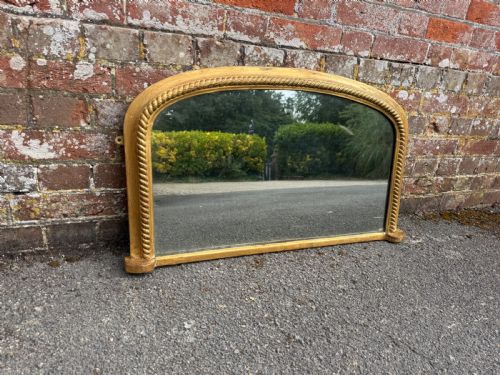
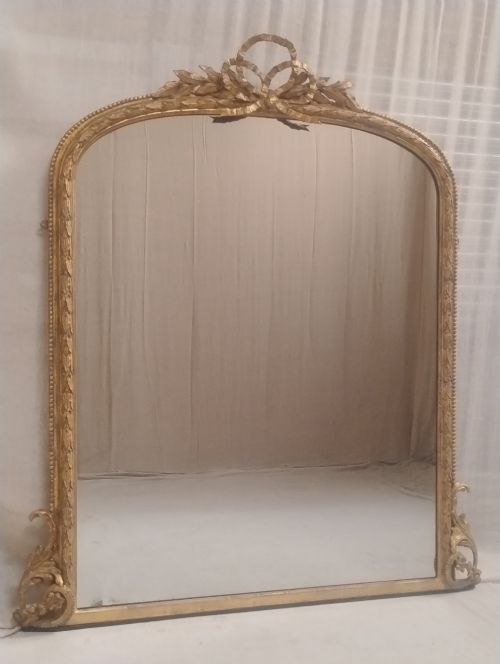
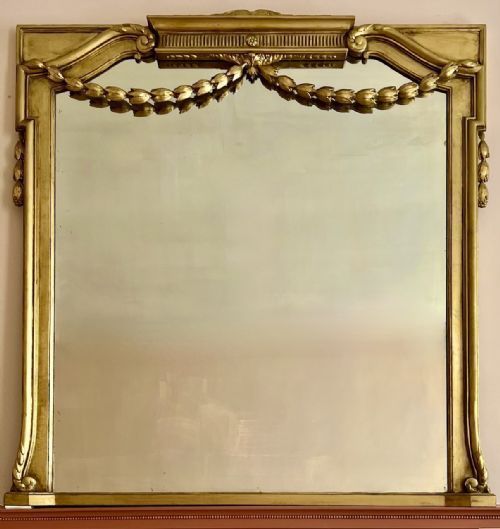
A gold overmantle mirror brings scale and reflection to a room, sitting low above a fireplace as these nineteenth-century and earlier pieces demonstrate.
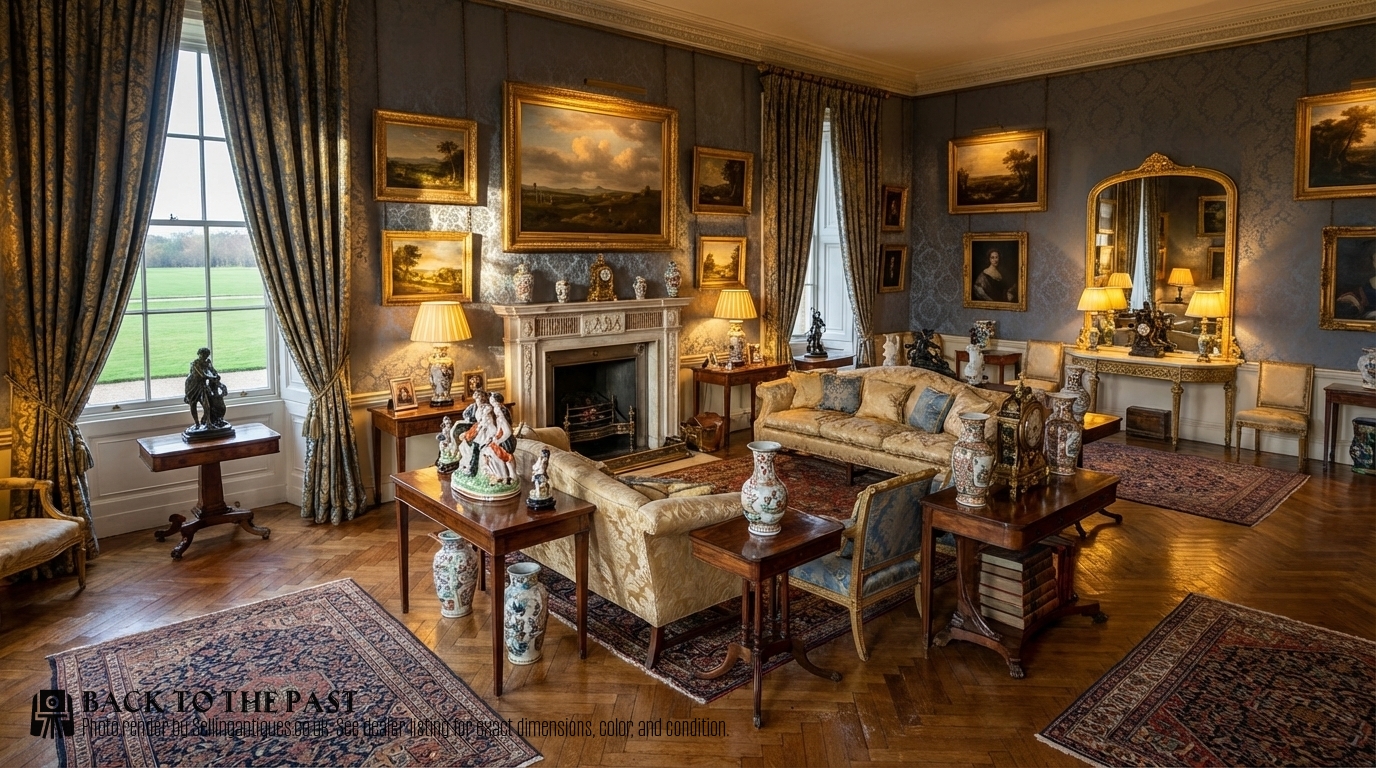
Understanding the gold overmantle mirror
A gold overmantle mirror is designed specifically to sit above a mantelpiece, occupying the wide wall space where fires once burned. The selection ranges from nineteenth-century Victorian designs to Regency examples, spanning periods from eighteen hundred through to eighteen eighty.
Most pieces seen here take the form of large wall mirrors, often featuring arch top profiles or expansive rectangular frames. Surviving items include Victorian sporting subjects and elaborate revival styles that reflect interior tastes of their respective decades.
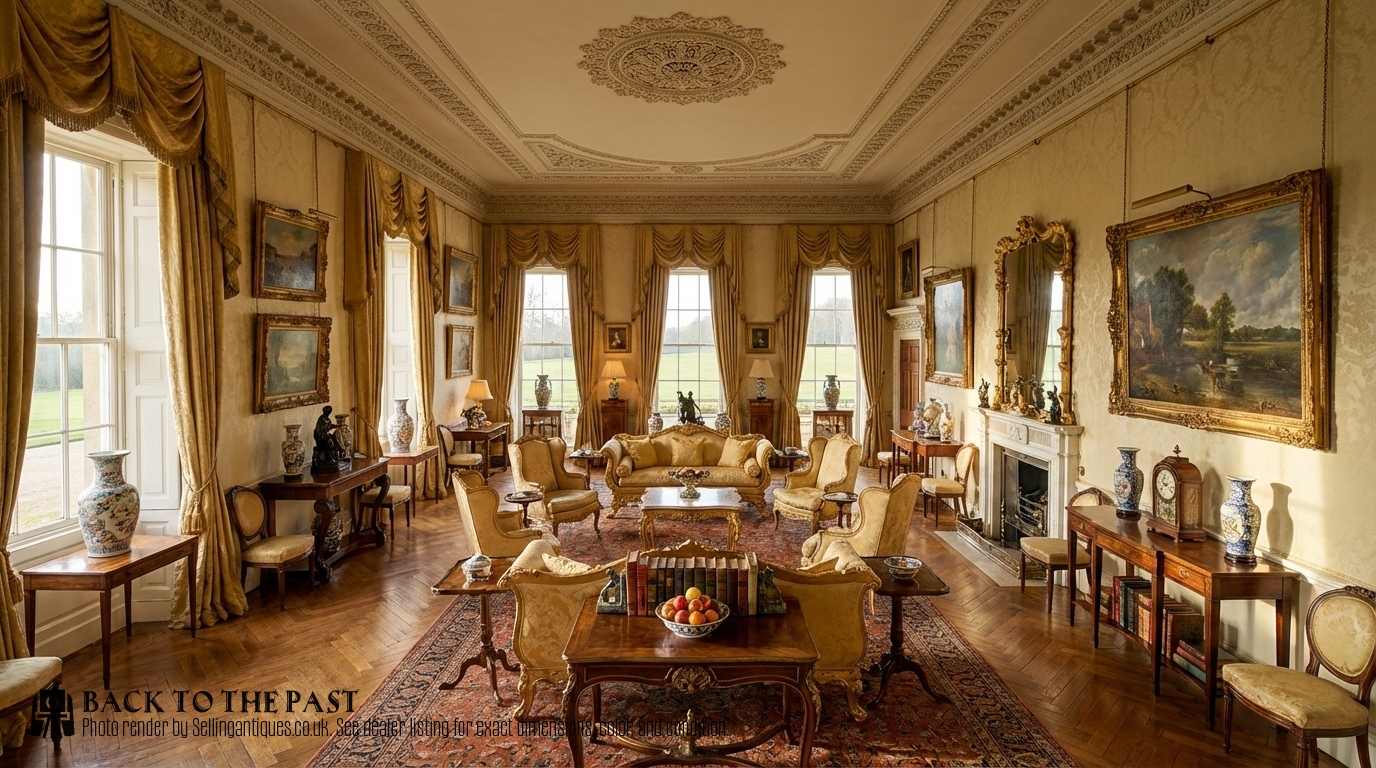
Materials and construction
Frames are constructed from timber, such as solid carved wood or ebonised elements, combined with applied ornament. Gesso and composition layers provide the sculptural relief beneath the gilded surfaces.
Gilding techniques deliver the characteristic gold and silver gilt finishes seen across the pieces. Original mirror glass completes the construction, retaining the depth and tonal qualities characteristic of older manufacturing methods.
Retail Price Guide 2026
Typical UK retail prices for gold overmantle mirror, calculated from the Sellingantiques database of over a million retail prices indexed since 2003. This retail price guide relies exclusively on Sellingantiques data; no external sources or auction records are used, so the figures do not describe the wider market.
Some Victorian mirrors clearly watched over centuries of fox hunting conversations before finding their way onto the market.
Evaluating quality and execution
Quality rests in the crispness of the carved detail and the depth of the gilding applied over gesso and composition ornament. Superior examples maintain the integrity of their original surface without heavy re-gilding obscuring the underlying definition.
The architectural proportion of the frame relative to the glass plate dictates visual balance. Finer mirrors show careful joinery and well-preserved glass that integrates harmoniously with the heavy gilded surrounds.
The Gold Overmantle Mirror Glossary
- Overmantle mirror
- A large mirror specifically proportioned to hang above a fireplace mantel. These pieces anchor the chimney breast visually within a room scheme.
- Giltwood
- Timber that has been covered with gold leaf or gold paint. This material forms the primary aesthetic finish for the frames catalogued here.
- Gesso
- A plaster-like mixture applied to wood frames to create a smooth surface for gilding. It allows intricate relief ornament to be moulded before finishing.
- Composition
- A hard, mouldable paste made from whiting, oil, and resin pressed into decorative motifs. It is used alongside wood carving to create elaborate frame details.
- Arch top
- A mirror frame featuring a curved upper section. This silhouette softens the linear architecture of a traditional fireplace.
Frequently Asked Questions
Where should an overmantle mirror hang?
These mirrors traditionally hang directly above a fireplace mantelpiece, taking advantage of the natural focal point in a reception room.
Their substantial scale allows them to reflect light across the space while anchoring the vertical proportions of the chimney breast.
How do I date a gold overmantle mirror?
Dating relies on examining the frame construction, the profile of the mouldings, and the characteristics of the glass plate. Victorian examples often display arch top silhouettes and composition ornament.
Earlier Regency pieces show distinct rococo revival influences and solid carved wood construction methods distinct from later factory-produced frames.
What is the difference between giltwood and painted gold?
Giltwood involves the application of extremely thin gold leaf over a prepared gesso ground, creating a warm and reflective metallic surface. Painted gold finishes use metallic paint or bronze powders which weather and reflect light differently.
Closer inspection of the surface texture reveals whether genuine leaf or liquid medium was employed by the maker.
Can these mirrors be hung without a mantelpiece?
While designed for overmantle placement, these large wall mirrors function effectively as primary statement pieces on any blank wall. Their substantial weight requires secure wall fixings suited to heavy timber and plaster construction.
Placing them on a floor or low console allows them to serve as full-height or dressing room mirrors.