

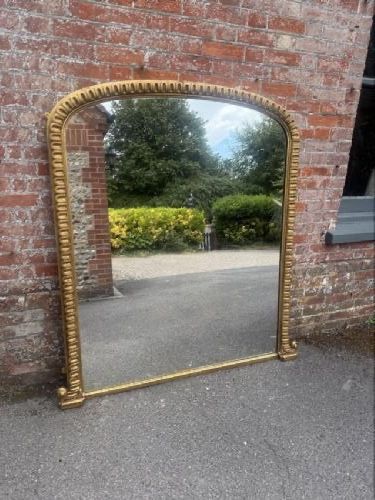
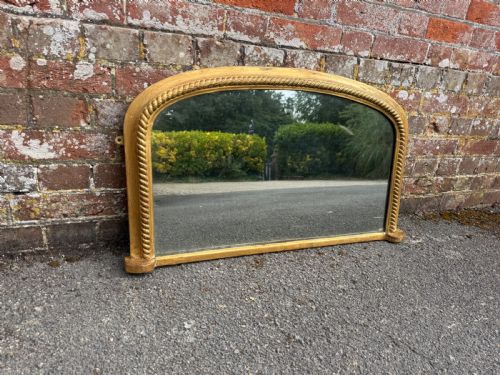
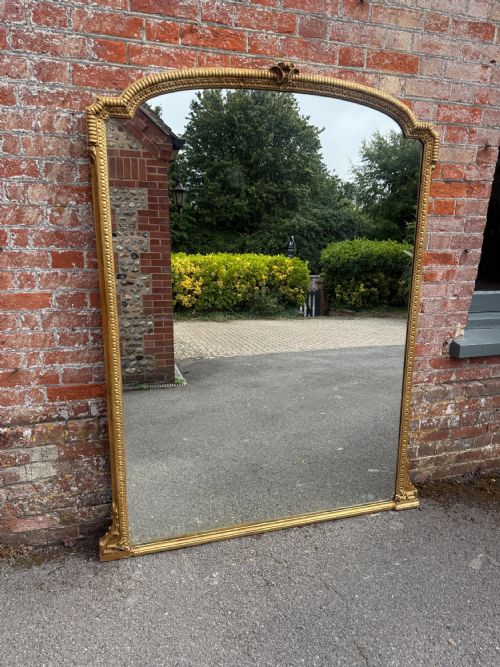
Victorian Gold Frame Mirror
A victorian gold frame mirror brings the warmth of nineteenth-century gilding and substantial woodwork directly into a modern room.
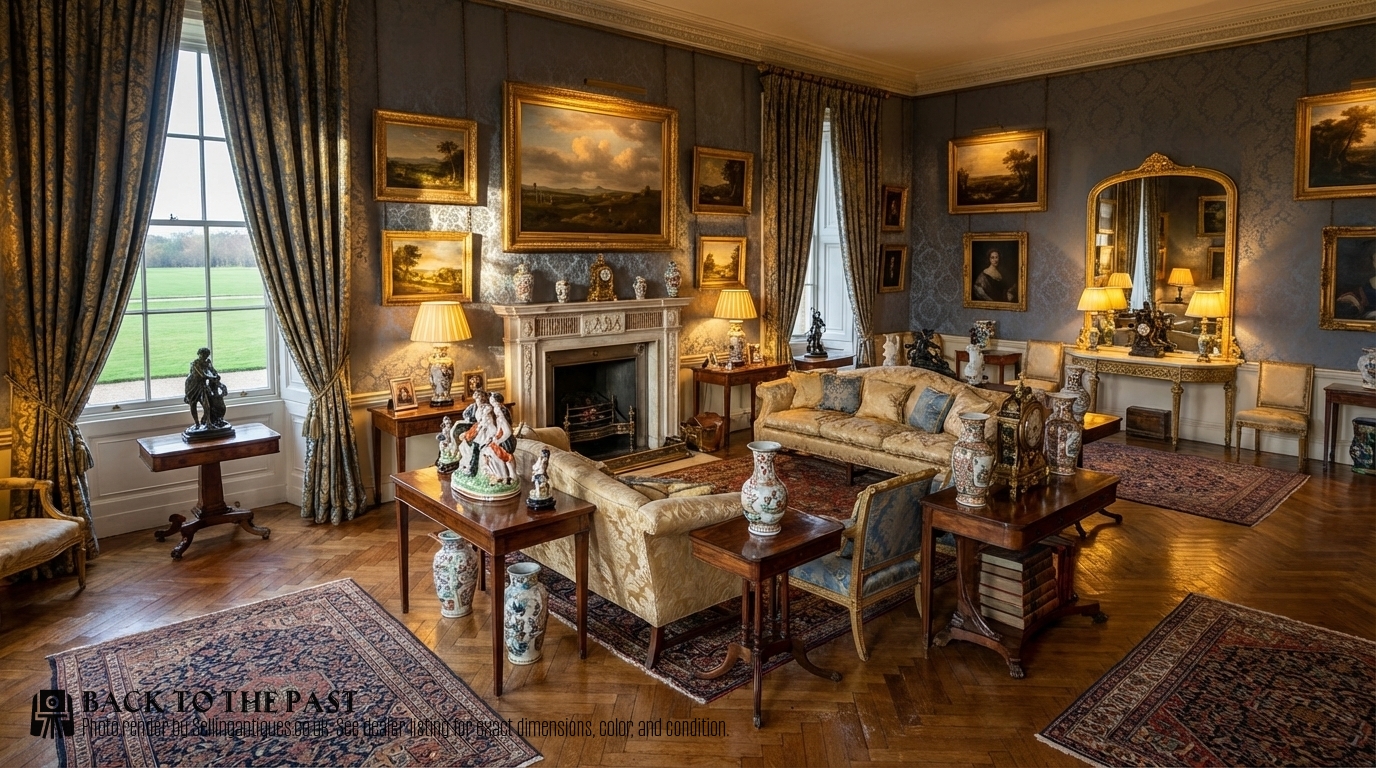
Victorian Gold Frame Mirror
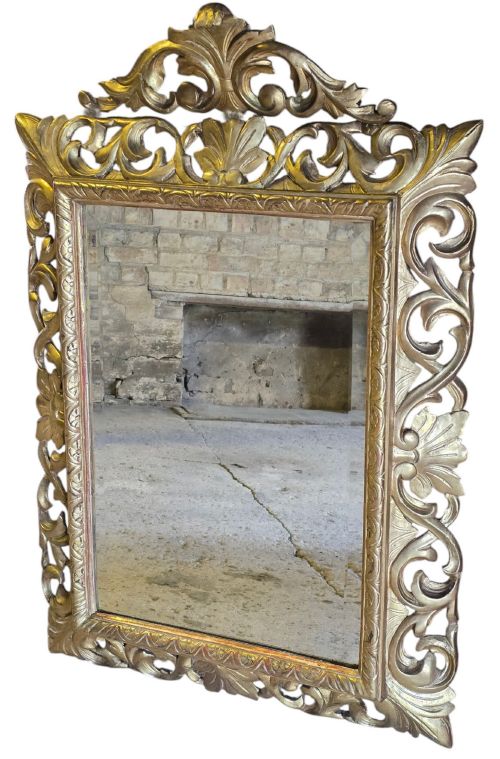
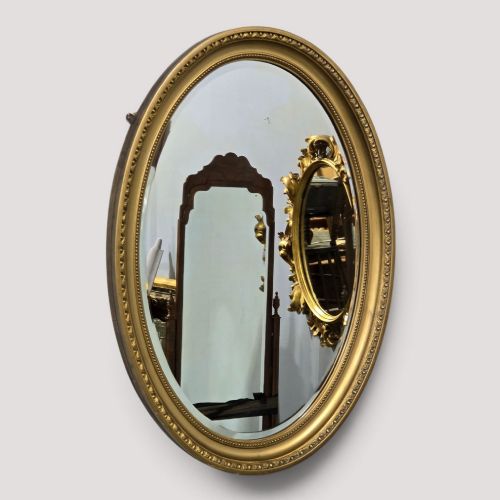
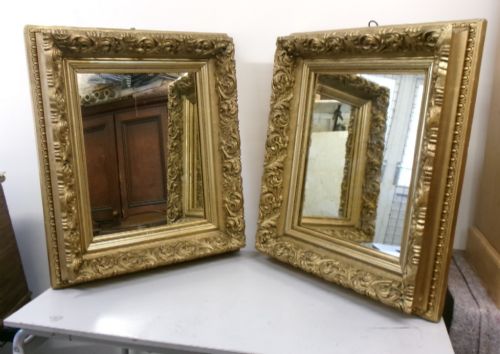
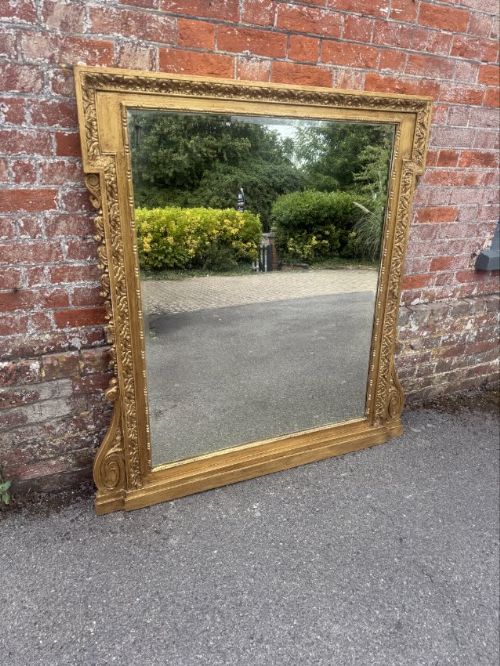
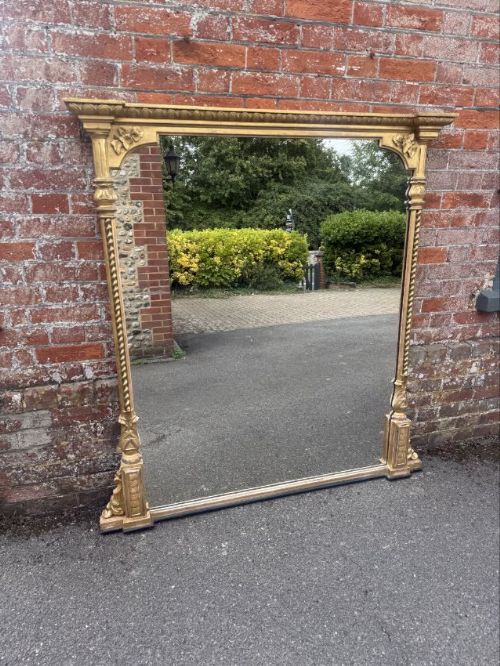
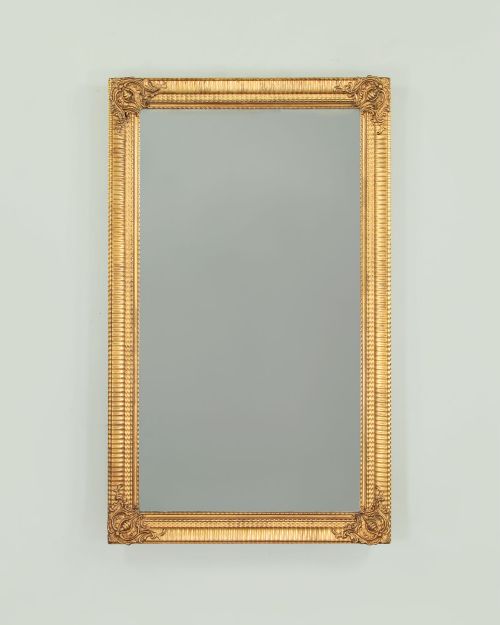
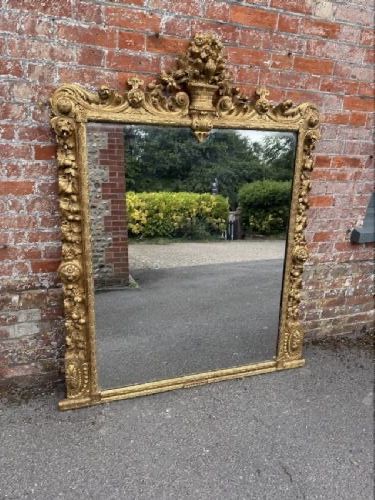
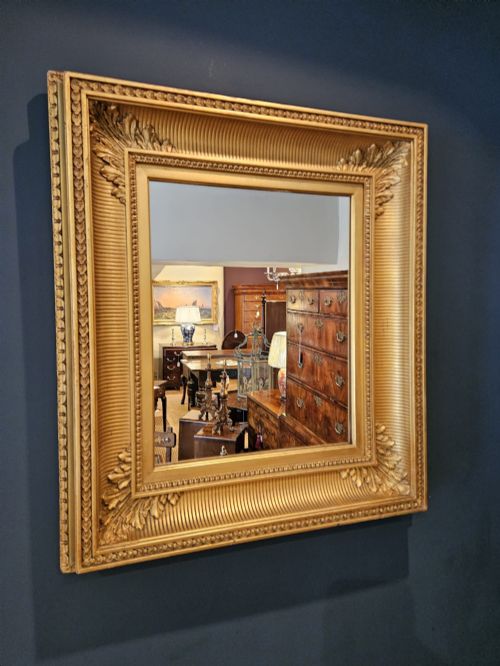
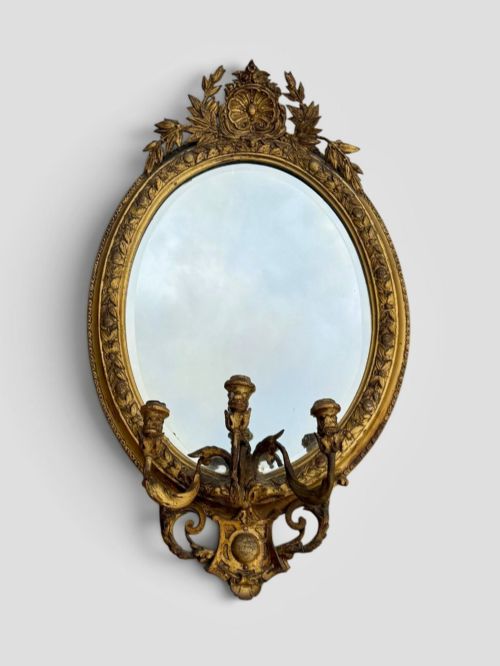
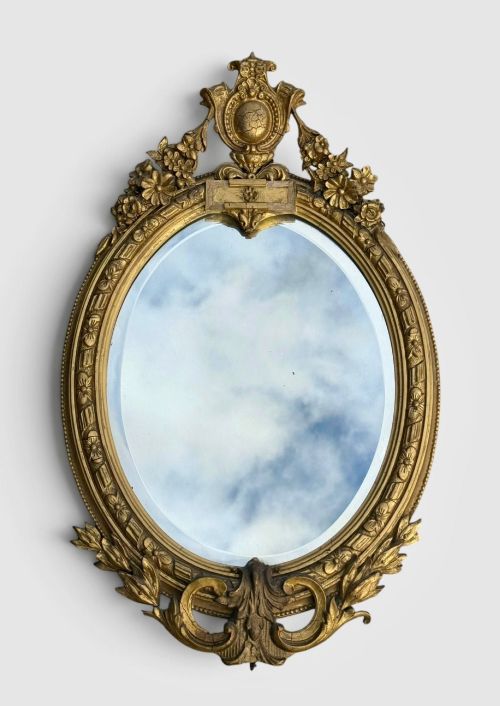
A victorian gold frame mirror encompasses substantial wall-hanging pieces, grand overmantles designed to sit above a fireplace, and smaller decorative ovals or picture frames adapted to hold glass. These items emerge from nineteenth-century workshops utilising styles such as Rococo Revival, French Chateau, and Florentine alongside straightforward Victorian designs.
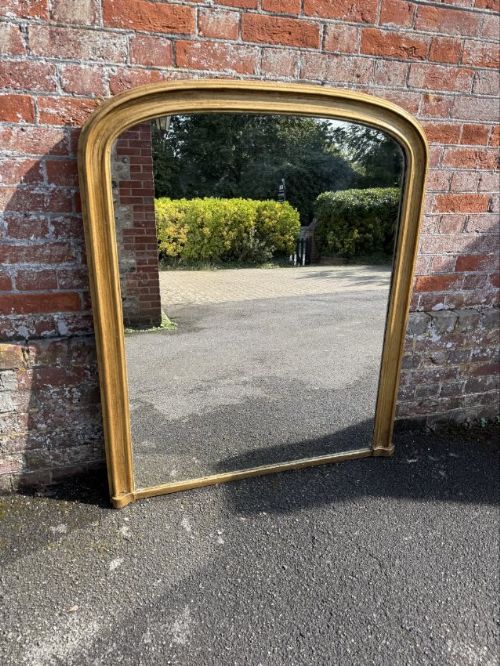
The version most commonly encountered on this page is the large English or French overmantle mirror, frequently arched at the top and framed in carved wood or moulded gesso. Dating predominantly from the decades between eighteen-fifty and nineteen-hundred, these pieces reflect the domestic scale and decorative ambition of the period.
Materials and Construction
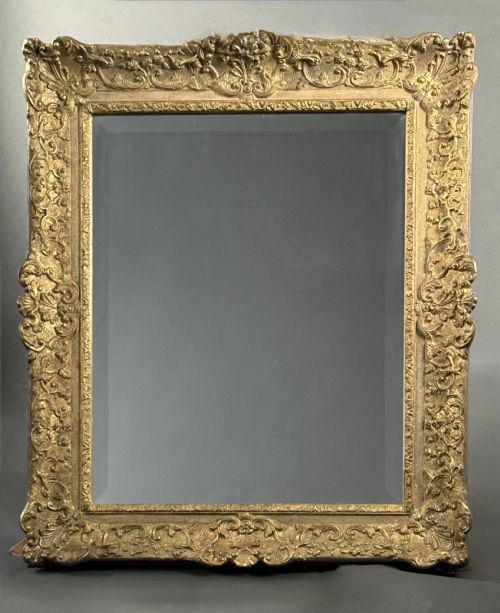
Makers constructed the structural carcasses of these frames from timber, frequently applying layers of plaster, gesso, or composition materials to build up deep relief ornamentation. Skilled artisans then gilded these surfaces using gold leaf or liquid gold applications, occasionally combining the metallic finish with ebonised wood details or painted sections.
The mirror plates themselves were set within these heavy frames, sometimes featuring bevelled edges or showing age through foxing on the glass. Joinery techniques and carved wooden elements such as rope twists, acanthus leaves, or rose vines were applied by hand to the foundational wood and gesso structure.
Victorian Gold Frame Mirror Retail Price Guide 2026
Typical asking prices for victorian gold frame mirror among the pieces listed under this phrase on Sellingantiques today, from the lower quarter to the upper quarter. They describe what is for sale here now, not the wider market.
Listings feature periods spanning from eighteen-fifty to nineteen-ten, utilising materials such as gesso, giltwood, ebonised wood, and original glass.
Evaluating Craftsmanship
Quality in these items is determined by the depth and crispness of the hand-carved woodwork and the complexity of the gesso mouldings rather than simple mass production. Superior examples display sharply defined ornamentation like acanthus leaves and ribbon twists that remain intact and securely adhered to the wooden carcass.
The grade of the gilding and the preservation of the original surface finish heavily influence the distinction between standard items and exceptional pieces. Frames retaining their original gold leaf layers and undisturbed glass plates demonstrate a higher tier of period craftsmanship.
The Victorian Gold Frame Mirror Glossary
- Gesso
- A plaster-based mixture applied to wooden frame foundations to create a smooth surface for carving and gilding. Artisans built up thick layers of this compound to fashion elaborate relief decorations.
- Overmantle
- A large mirror specifically proportioned to hang on the wall directly above a fireplace mantelpiece. These pieces frequently feature arched or shaped tops designed to draw the eye upward.
- Giltwood
- Timber that has been coated with a thin layer of gold leaf or metallic paint. This material forms the primary visual identity of nineteenth-century gilded frames.
- Foxing
- Age-related spots and discolouration appearing within the reflective silvering of a mirror plate. Collectors often prize this natural weathering as a sign of authenticity.
- Rococo Revival
- A nineteenth-century design style drawing on eighteenth-century French motifs such as C-scrolls, asymmetric curves, and organic plant forms. Frames in this style exhibit exuberant, flowing ornamentation.
Victorian Gold Frame Mirror: Frequently Asked Questions
How do I hang a heavy overmantle mirror safely?
These substantial frames require heavy-duty fixings anchored directly into wall studs or masonry to support their considerable weight safely. Professional mirror hangers usually employ heavy-gauge picture wire or direct wall brackets suited to nineteenth-century wooden frames.
Ensuring the weight is distributed evenly across the frame structure prevents warping of the timber and gesso over time. Positioning the piece securely above a mantel or console table anchors the display within the room.
What is foxed glass?
Foxed glass refers to the mottled, speckled patches that develop on antique mirror plates as the backing degrades over decades of exposure to air and moisture. This natural oxidation creates a distinct hazy pattern across the reflection.
Many buyers appreciate this characteristic because it confirms the genuine age of the glass plate. It offers a softer, more diffused reflection than modern manufactured glass.
Can I place these mirrors in a bathroom?
The damp atmosphere in bathrooms poses a risk to nineteenth-century gesso and gold leaf materials. Moisture can cause the plaster mouldings to soften and the original gilding to lift away from the wood.
Dry interior spaces such as hallways, living rooms, and bedrooms provide a more stable environment for preserving these historic finishes. Keeping them away from direct steam maintains the integrity of the frame and glass.
How do I clean an antique gilt frame?
Dusting these frames requires only a very soft, dry brush or a feather duster to remove surface particles without disturbing the delicate gesso relief. Moisture and household cleaning chemicals must be avoided entirely.
Liquid cleaners can strip the delicate gold leaf or damage the composition ornaments. Gentle, dry maintenance preserves the original nineteenth-century surface finish for years to come.