


Victorian Arch Top Mirror
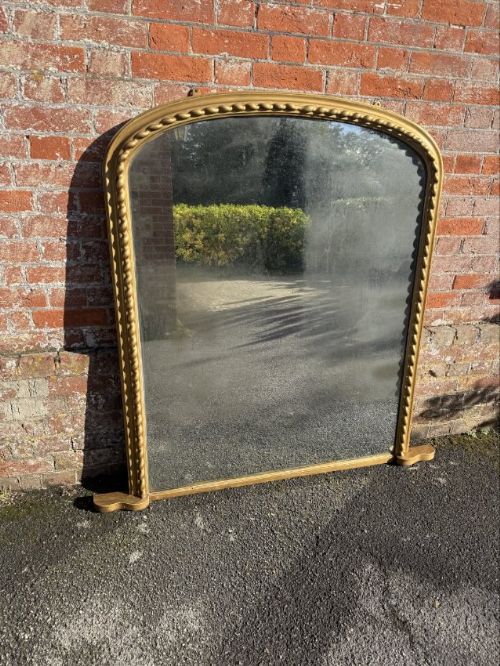
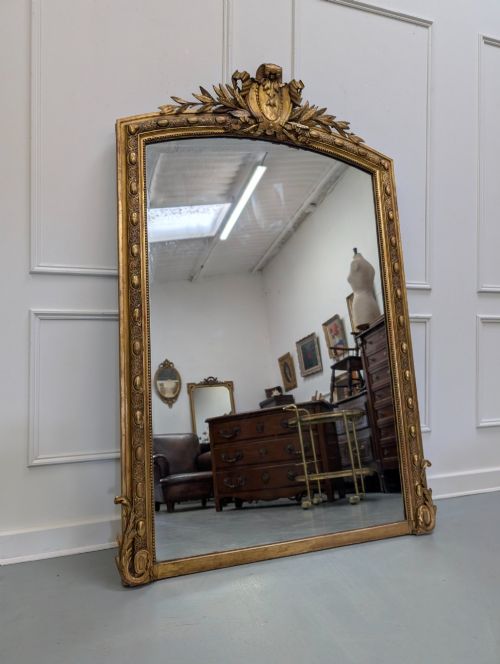
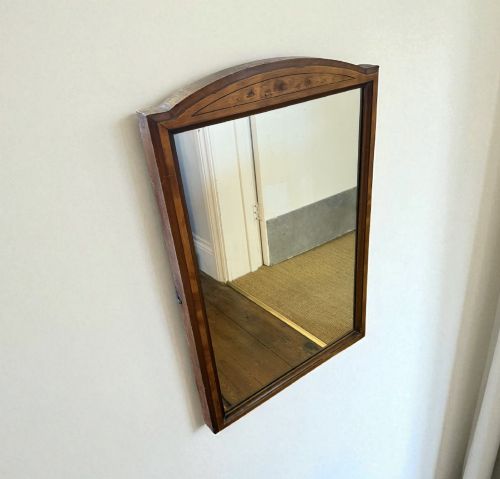
Choosing a victorian arch top mirror brings home a grand nineteenth-century focal point designed to reflect light and expand the room.
Victorian Arch Top Mirror
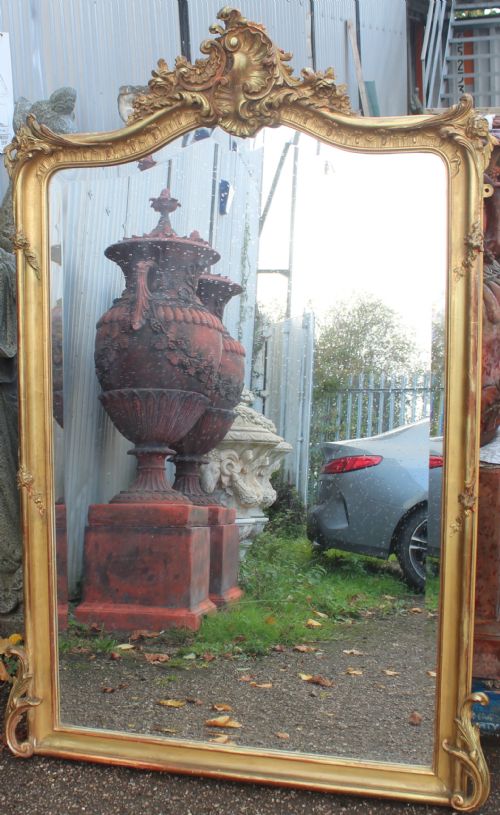
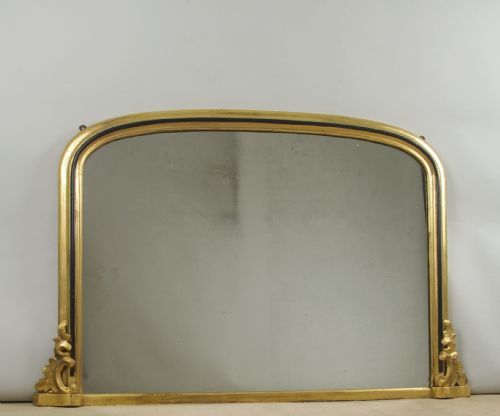
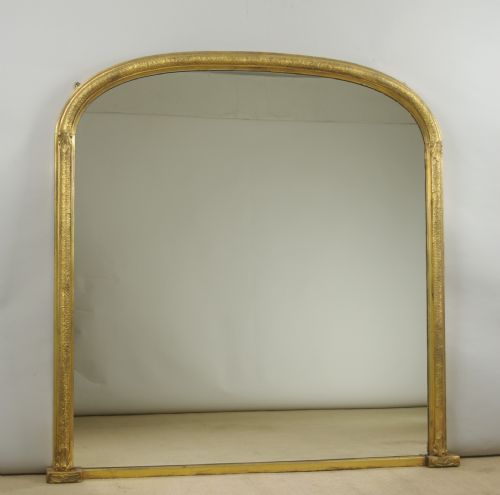
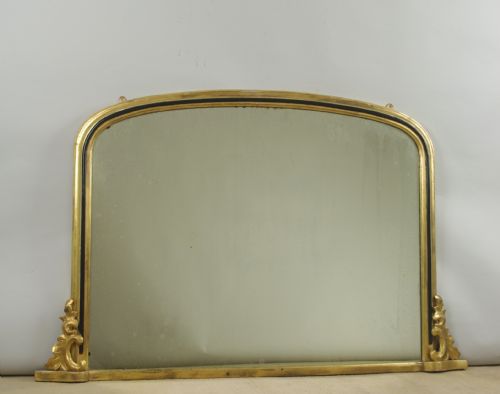
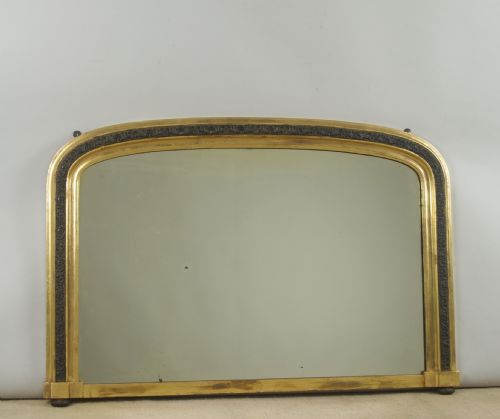
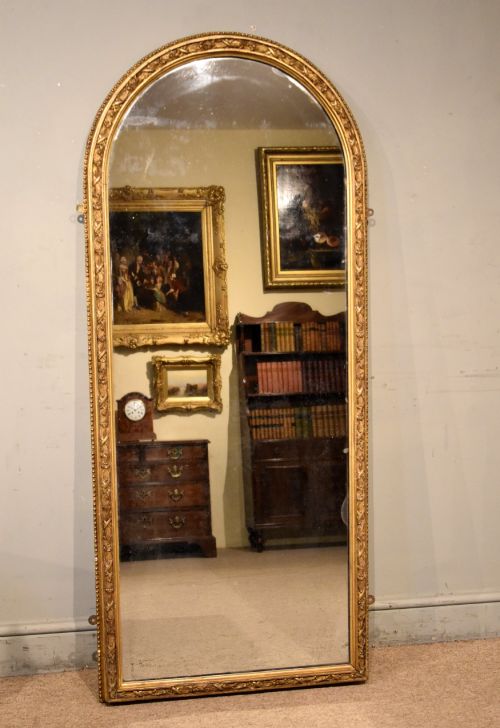
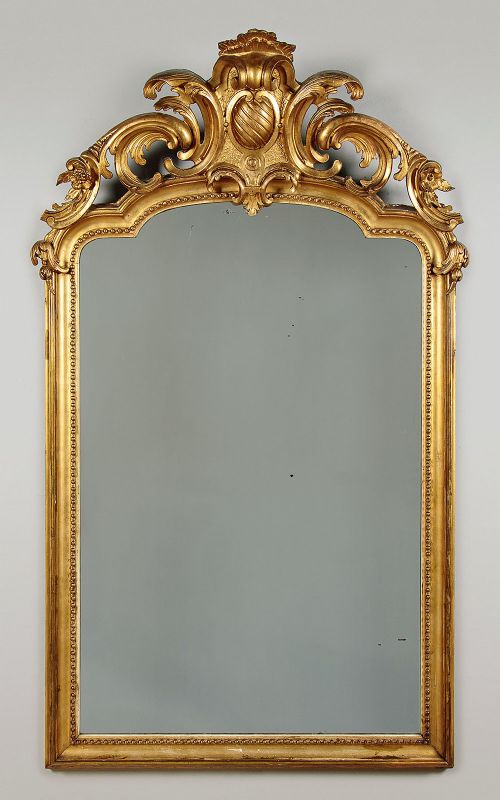
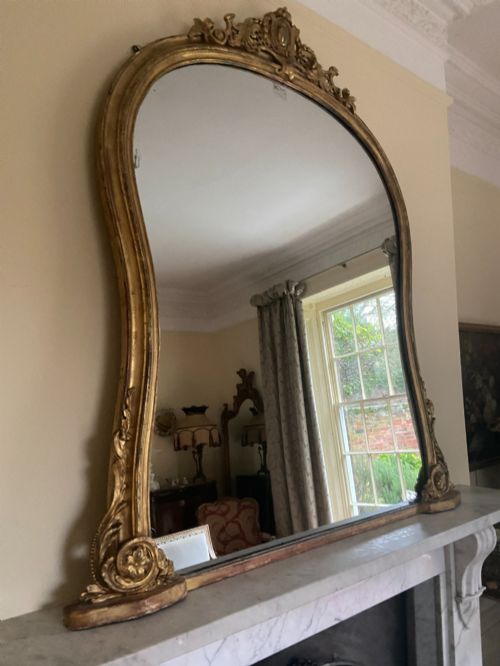
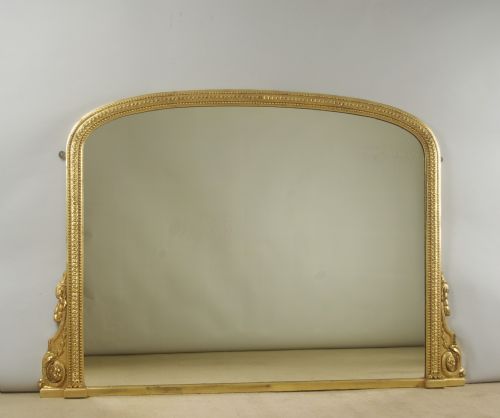
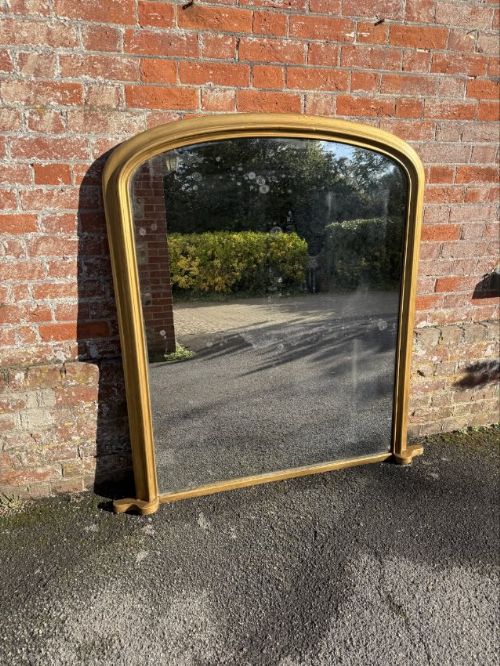
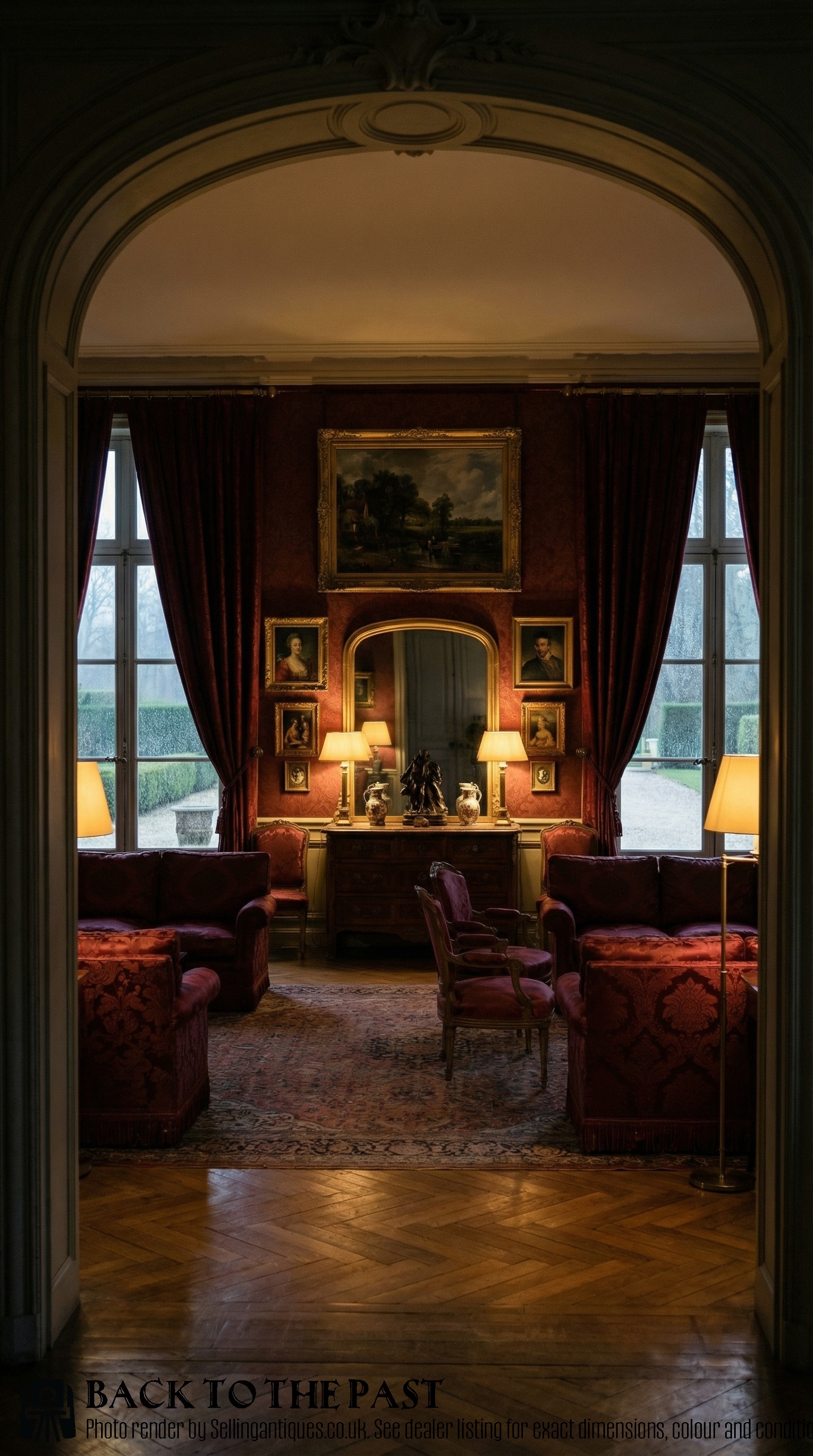
A victorian arch top mirror serves primarily as an overmantle piece, engineered to sit comfortably above a fireplace hearth in nineteenth-century interiors. These substantial looking-glasses frequently emerge from English workshops spanning the decades between eighteen-fifty and eighteen-ninety.
Proportions tend towards the generous, accommodating wide mantelpieces found in period properties. Smaller neat-sized editions and grand country house variants both appear regularly, finished with architectural columns, cartouches, or rope twist framing.
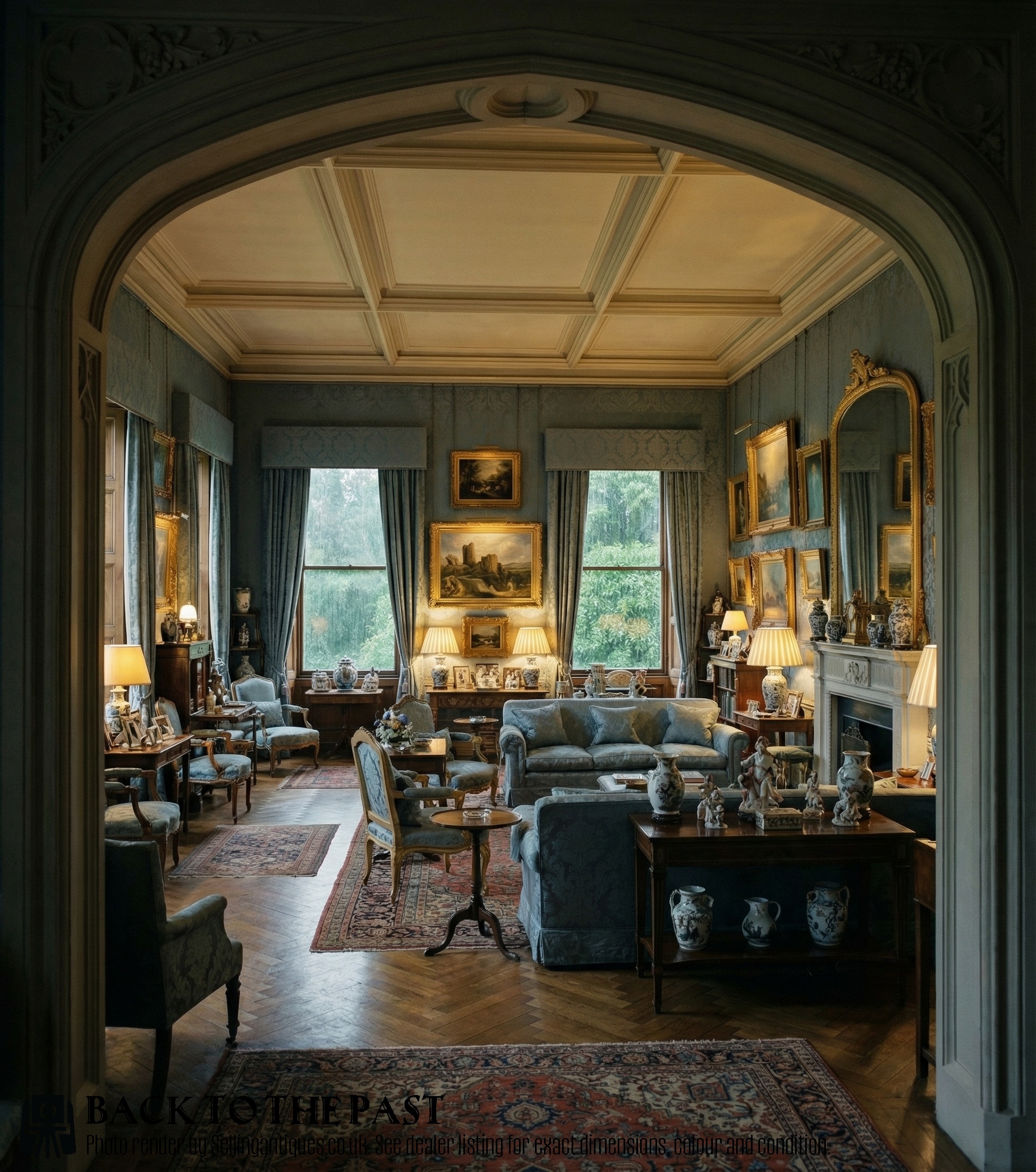
How They Were Made
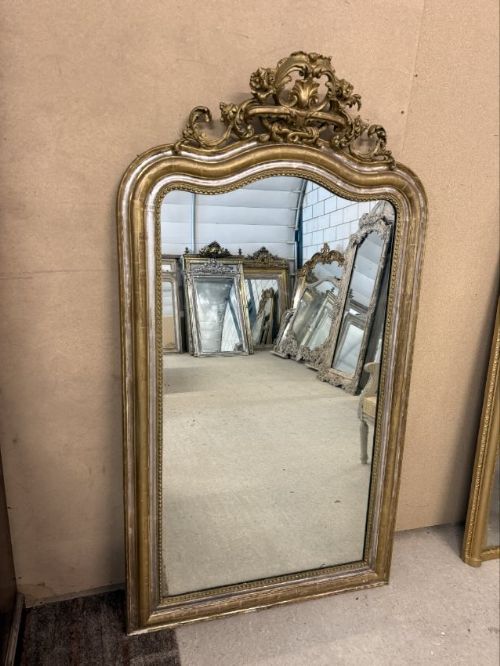
Carved wooden foundations form the core structure, utilising timbers such as pine or walnut beneath applied decorative layers. Gesso, a plaster-like mixture, is built upon the wood to receive intricate moulded motifs, ribbon twists, and column details.
Gilding techniques involve laying thin sheets of gold leaf over the prepared gesso ground, occasionally complemented by ebonised details or parcel-silvering. Composition material, a pliable mix of resin and whiting, is frequently pressed into moulds for repetitive ornamental flourishes.
Victorian Arch Top Mirror Retail Price Guide 2026
Typical asking prices for victorian arch top mirror among the pieces listed under this phrase on Sellingantiques today, from the lower quarter to the upper quarter. They describe what is for sale here now, not the wider market.
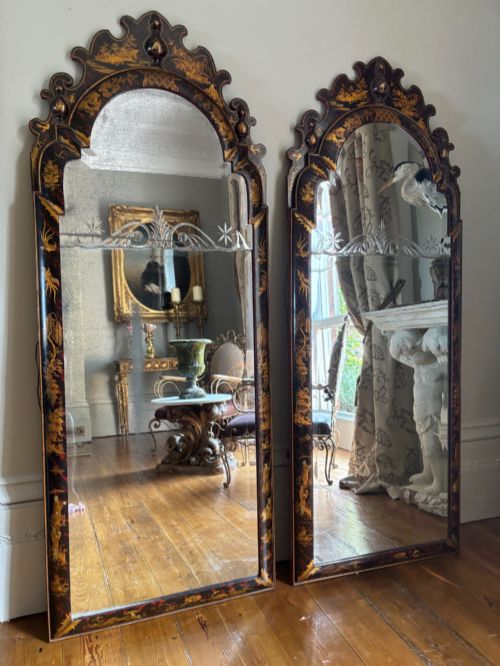
Materials recorded across current stocks encompass traditional giltwood, painted surfaces, walnut timbers, and silvered glass.
What Varies in Quality
Depth and sharpness of the gesso moulding dictate visual impact, where crisp architectural definition outperforms softened, shallow casting. The integrity of the original gilding and the preservation of secondary finishes like ebonisation heavily influence character.
Construction scale matters significantly, as larger frames require robust internal framing to support heavy glass plates without sagging. Original mirror plates displaying natural foxing and age spots hold greater period authenticity than modern replacements.
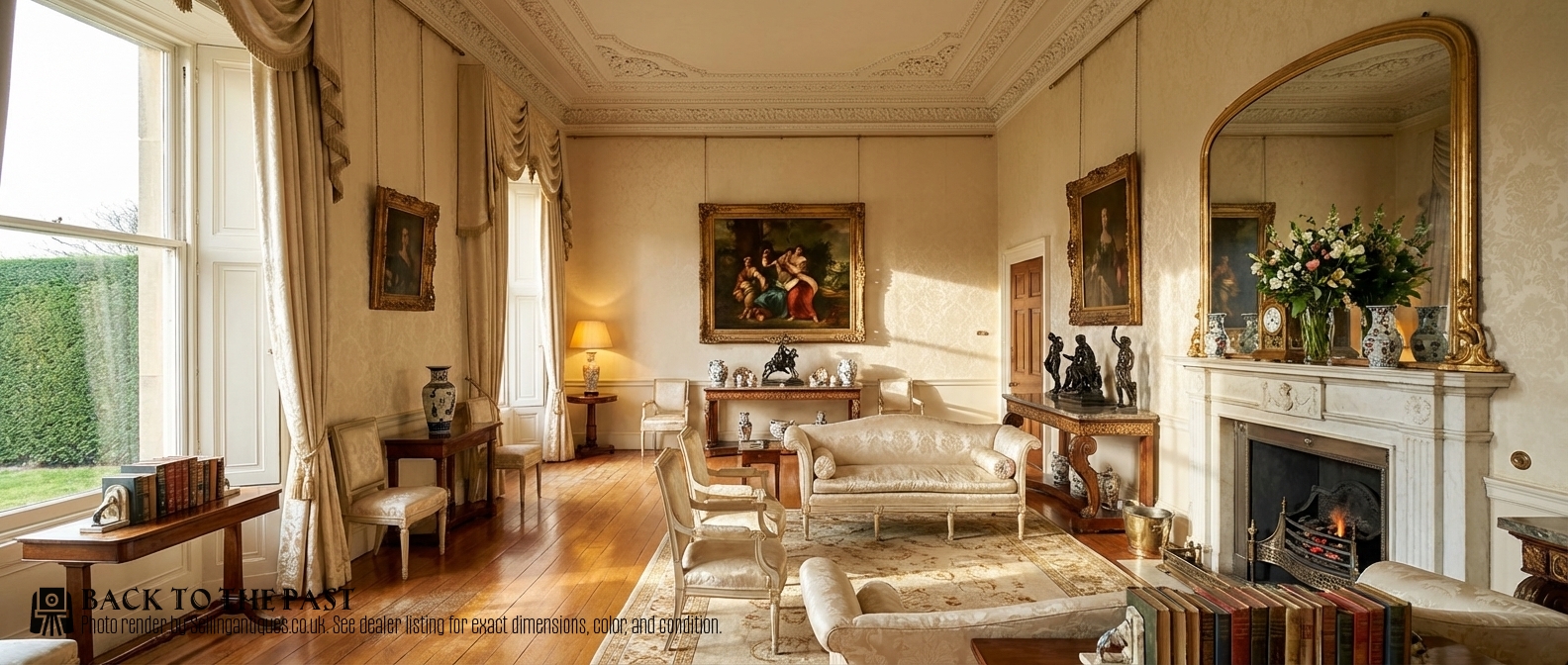
The Victorian Arch Top Mirror Glossary
- Gesso
- A plaster mixture applied to wood frames to create a smooth base for gilding. It allows craftsmen to carve and mould fine decorative details.
- Overmantle
- A large mirror specifically proportioned to hang above a fireplace mantelpiece. These pieces anchor nineteenth-century drawing room walls.
- Cartouche
- An ornamental oval or shield-like frame motif often placed centrally on the arch top. It provides a focal point for classical ornamentation.
- Parcel-gilt
- A finishing technique where only specific raised portions of a frame are gilded, leaving contrasting wood or ebonised surfaces exposed.
- Composition
- A moulded mixture of linseed oil, resin, and chalk pressed into shapes for quick ornamentation. It hardens to resemble hand-carved wood.
Victorian Arch Top Mirror: Frequently Asked Questions
How do I hang a heavy overmantle mirror safely?
Secure hanging requires heavy-duty fixings anchored directly into wall studs or masonry rather than plaster alone. Due to the substantial weight of nineteenth-century wood and glass, professional installation is strongly recommended.
Ensure the weight distribution relies on substantial brackets supporting the base frame alongside secure top fixings. This prevents undue strain on the historic wooden joints and original fixings.
Can I place these mirrors in a modern interior?
Placing a curved frame against minimalist walls creates a striking contrast that emphasises historical craftsmanship. The reflective glass instantly expands perceived room dimensions and amplifies natural daylight.
Lean the piece directly against the wall above a low sideboard for a relaxed, unstructured aesthetic. Alternatively, mount it securely at traditional overmantle height to anchor contemporary seating arrangements.
How do I identify a genuine nineteenth-century piece?
Examine the rear construction for old pine boards, hand-cut nails, and age-darkened timber patination. Historic frames often exhibit minor shrinkage cracks in the gesso layers that modern reproductions rarely replicate.
Look closely at the silvering on the glass plate for natural degradation and subtle foxing patterns. Original mirror glass frequently reveals slight distortions absent in modern float glass.
What is the difference between giltwood and painted finishes?
Giltwood frames utilise actual gold leaf applied over a prepared gesso base to achieve a warm metallic radiance. Painted or ebonised variations substitute metallic sheen for black lacquer, silver leaf, or coloured pigments.
Both styles coexisted through the Victorian era, offering different visual weights depending on room decor. Ebonised highlights were frequently paired with gold gilding to accentuate architectural mouldings.