
Large Overmantle Mirror
A large overmantle mirror brings historic presence and reflected light to a fireplace wall, anchoring a room with carved detail and gilt proportion.
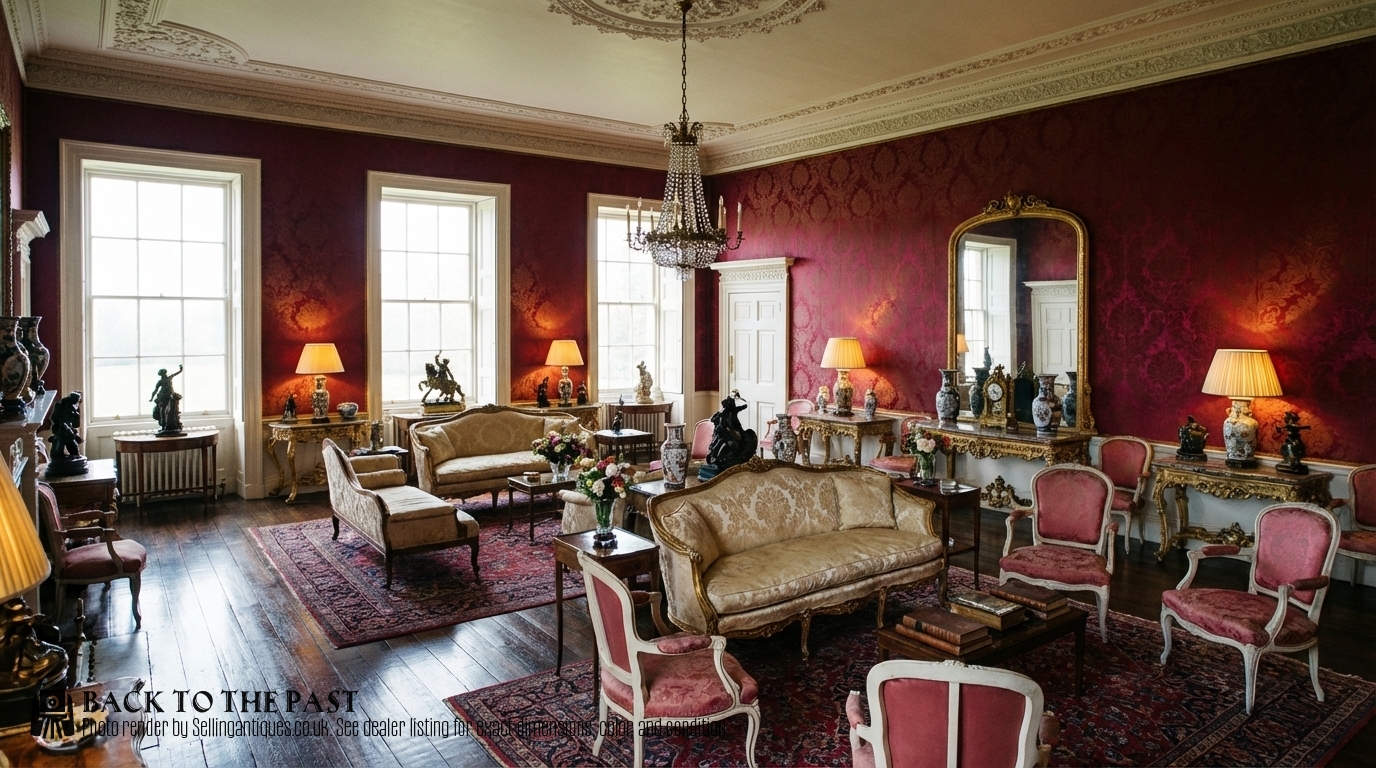
Large Overmantle Mirror
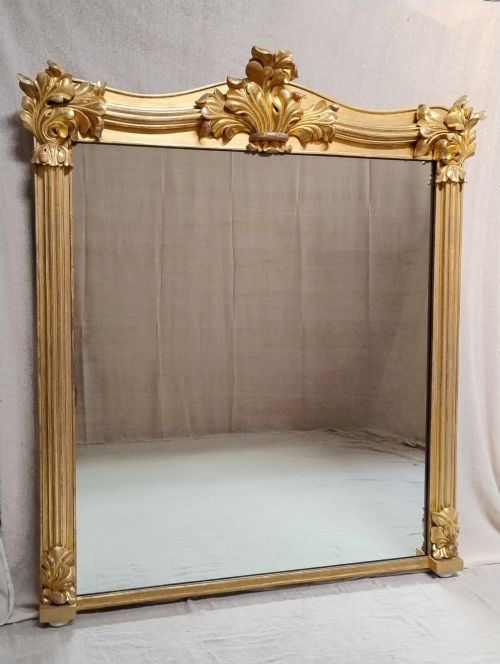
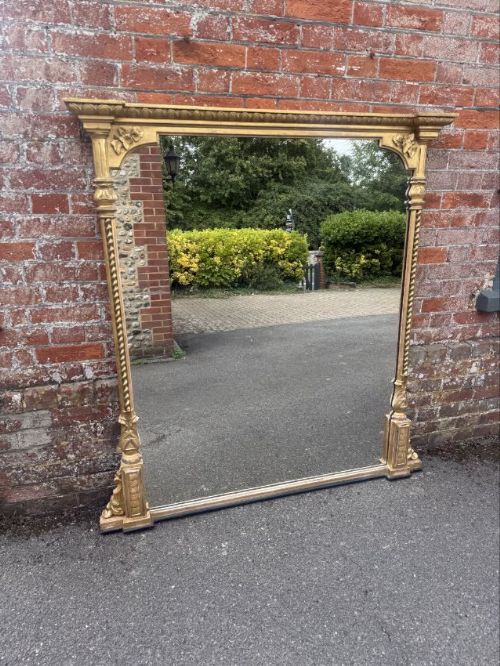
A large overmantle mirror is designed to sit directly above a mantelpiece, filling the wide wall space below the ceiling with reflective glass and decorative framing. These substantial glasses date principally from the nineteenth century, spanning Victorian, Regency, and French Chateau aesthetics.
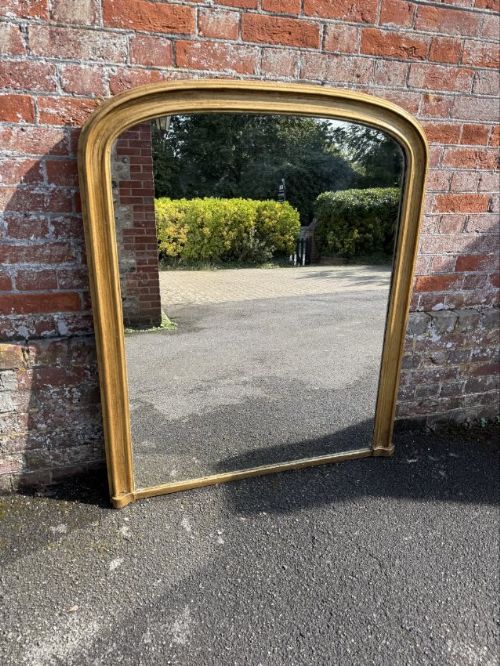
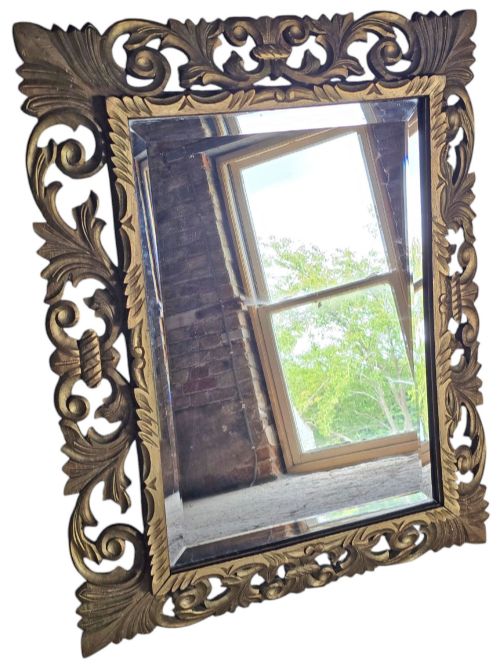
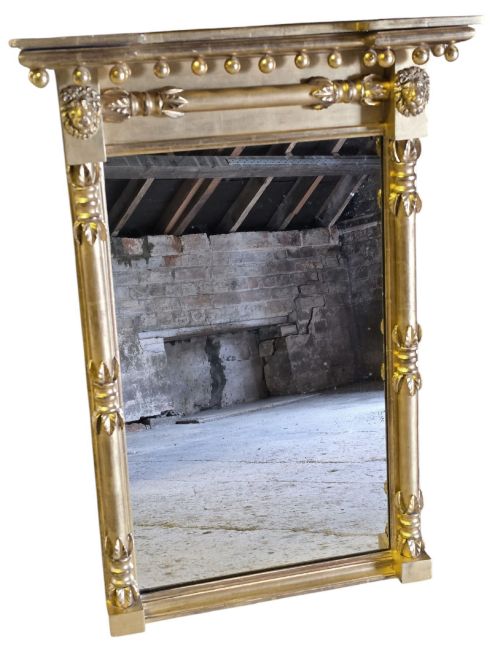
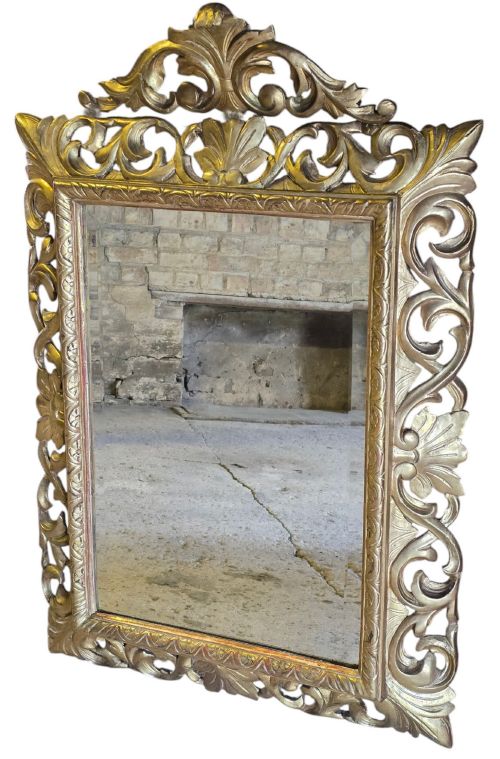
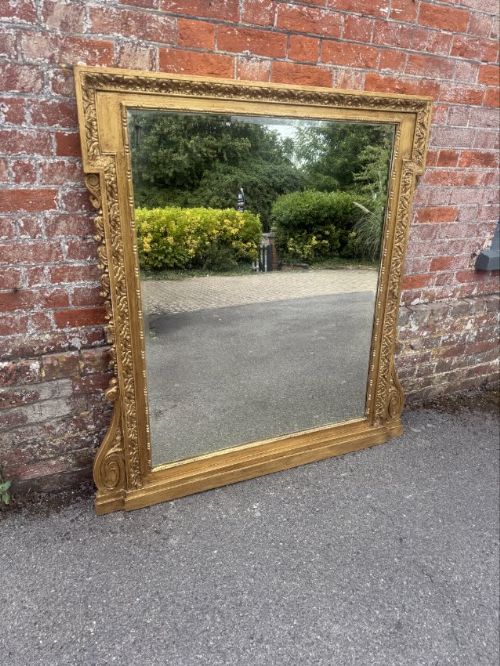
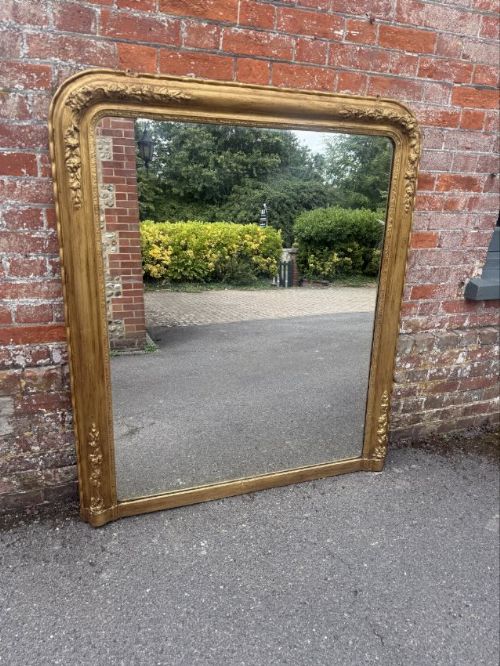
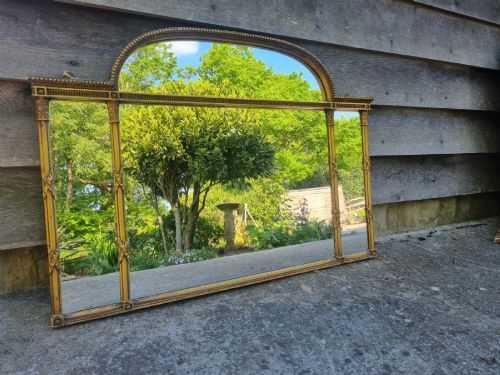
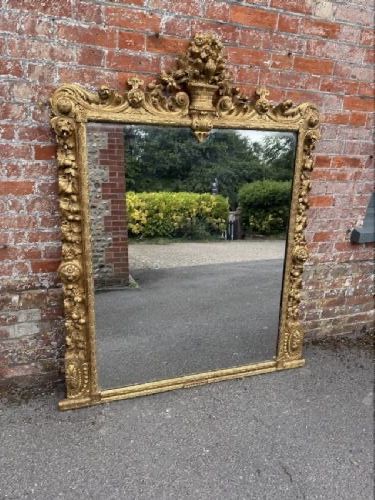
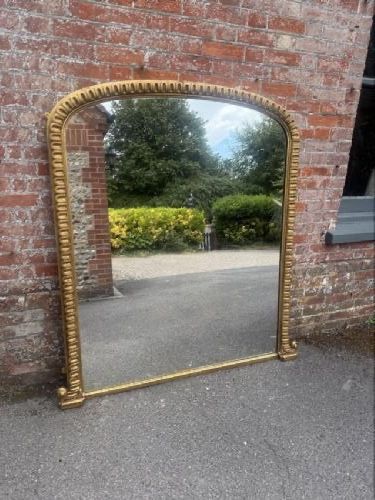
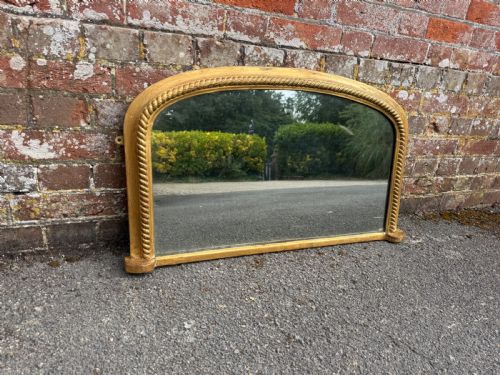
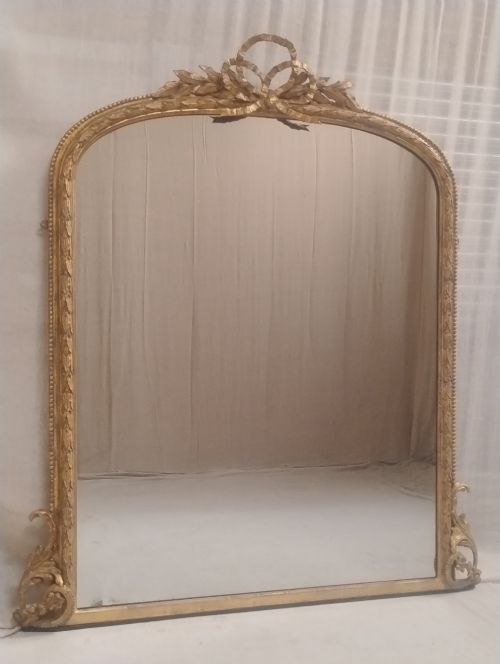
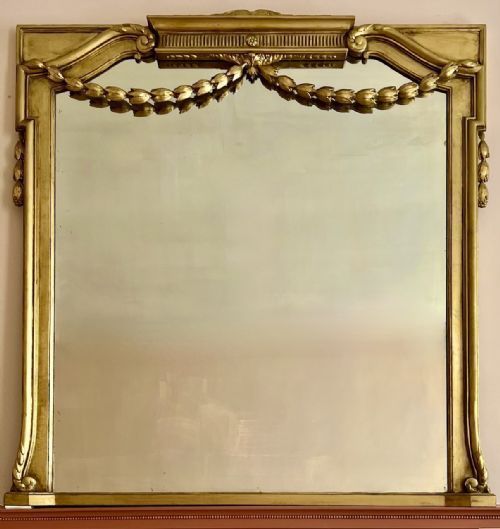
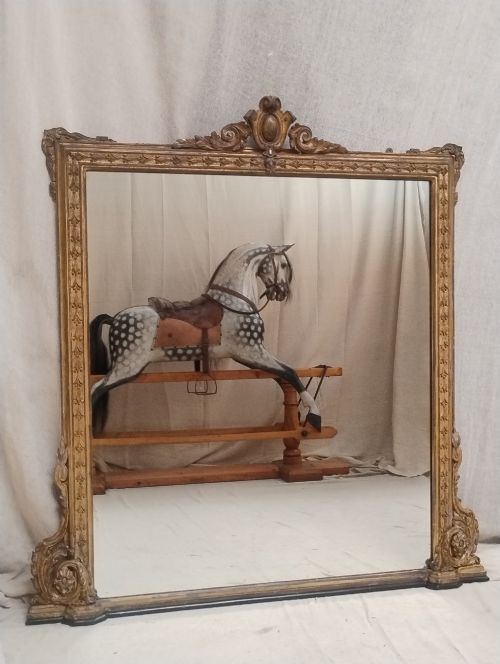
The most common examples encountered on this page are nineteenth-century English pieces featuring carved wood and gesso frames with arched tops and gilt surfaces. Buyers also find rectangular Regency designs, ebonised Victorian alternatives, and elaborate Florentine or Rococo revival interpretations.
Originating to bounce candlelight and daylight around formal reception rooms, these mirrors retain their original architectural purpose. Their grand scale makes them natural focal points in both period drawing rooms and modern interiors.
How They Were Made
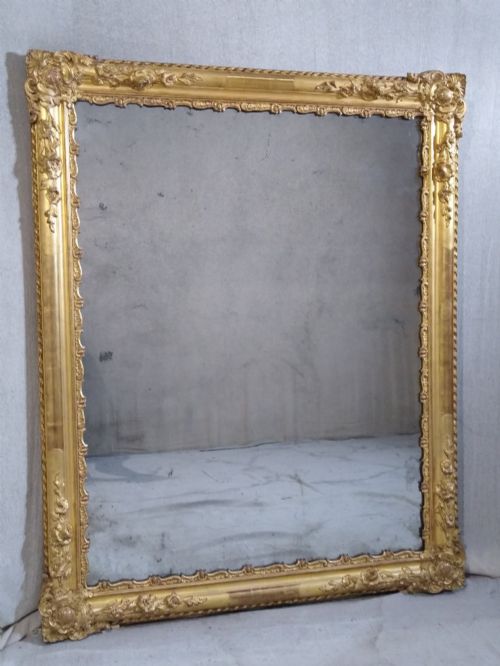
Carved wood and moulded gesso form the decorative structure of the majority of these frames, providing a stable base for subsequent gilding. Artisans applied thin layers of gold leaf or gold paint over the prepared gesso surface to achieve a brilliant metallic sheen.
Mirror glass plates were set within the wooden carcasses, occasionally utilising mercury backing in earlier nineteenth-century examples or standard silvered plate in later Victorian pieces. Frames often incorporate detailed rope twists, column supports, or tulip motifs worked directly into the composition.
Listings feature prominent nineteenth-century periods, showcasing Victorian and Regency aesthetics alongside French Chateau and Rococo revival styles.
What Varies in Quality
The crispness of the carved wood and the depth of the gesso mouldings distinguish finer examples from standard production pieces. Hand-carved details and layered gilding demonstrate superior workshop skill compared to heavy composition ornaments pressed into simple wooden frames.
The preservation of the original mercury or silvered mirror plate and the integrity of the underlying wooden frame determine the overall authenticity and visual weight of the piece. Subtle signs of age, such as light foxing on the glass, often add to the historical character of the antique.
The Large Overmantle Mirror Glossary
- Overmantle
- A large mirror specifically proportioned to hang on the wall above a fireplace mantel. These pieces were traditionally manufactured to coordinate with the architectural scale of chimney breasts.
- Gesso
- A plaster-like mixture applied to wooden frame bases to create smooth surfaces for carving and gilding. Artisans built up relief decorations using this pliable compound before applying gold leaf.
- Giltwood
- Timber that has been coated with thin leaves of gold or gold-coloured metal leaf. This finish provided opulent reflection in nineteenth-century formal interiors.
- Foxing
- Small dark spots or cloudy patches that develop on mirror glass over time due to oxidation behind the plate. Many collectors value this natural ageing process as proof of considerable age.
- Pier mirror
- A tall mirror designed to hang on the narrow pier of wall between two windows. These pieces often share stylistic traits with larger overmantles from the same period.
Large Overmantle Mirror: Frequently Asked Questions
How do I hang a heavy mirror?
Due to their substantial weight and large wooden frames, these mirrors require professional wall fixings secured directly into masonry or heavy timber studs. The hanging hardware must bear the full vertical load safely.
Most antique overmantles feature robust original framing structures, but checking the backboards and internal bracing before installation ensures the glass remains fully supported.
Can I place one without a fireplace?
While originally built for chimney breasts, these large glasses work effectively mounted directly onto low console tables or simple living room walls. Their grand proportions serve the same architectural anchoring function in modern spaces.
Positioning the mirror opposite a window maximises the reflection of natural daylight into the room, regardless of whether a fireplace sits beneath it.
How do I clean antique mirror glass?
Gentle dusting with a soft, dry cloth prevents the accumulation of particulate matter on both the carved frame and the reflective surface. Harsh chemical sprays should be avoided to protect aged silvering and delicate gilt finishes.
Care must be taken around the edges of the glass where historic backing materials or mercury plates meet the wooden rebate.