



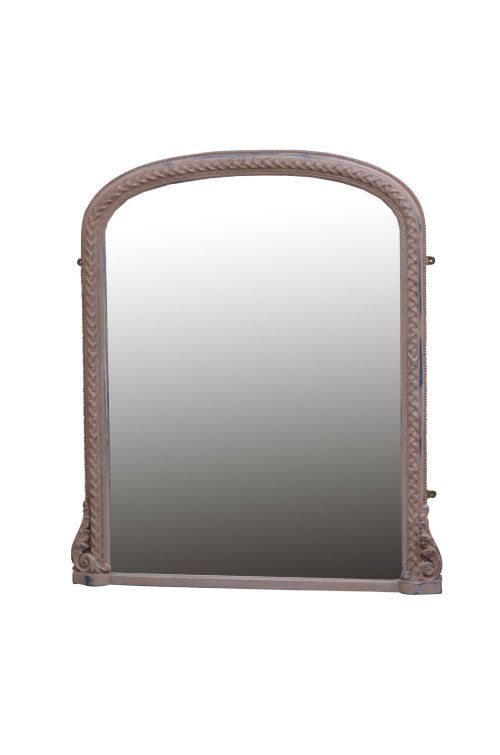
Arched Mantel Mirror
An arched mantel mirror brings height and reflected light to a room, anchoring a fireplace with period proportion and a curved silhouette.
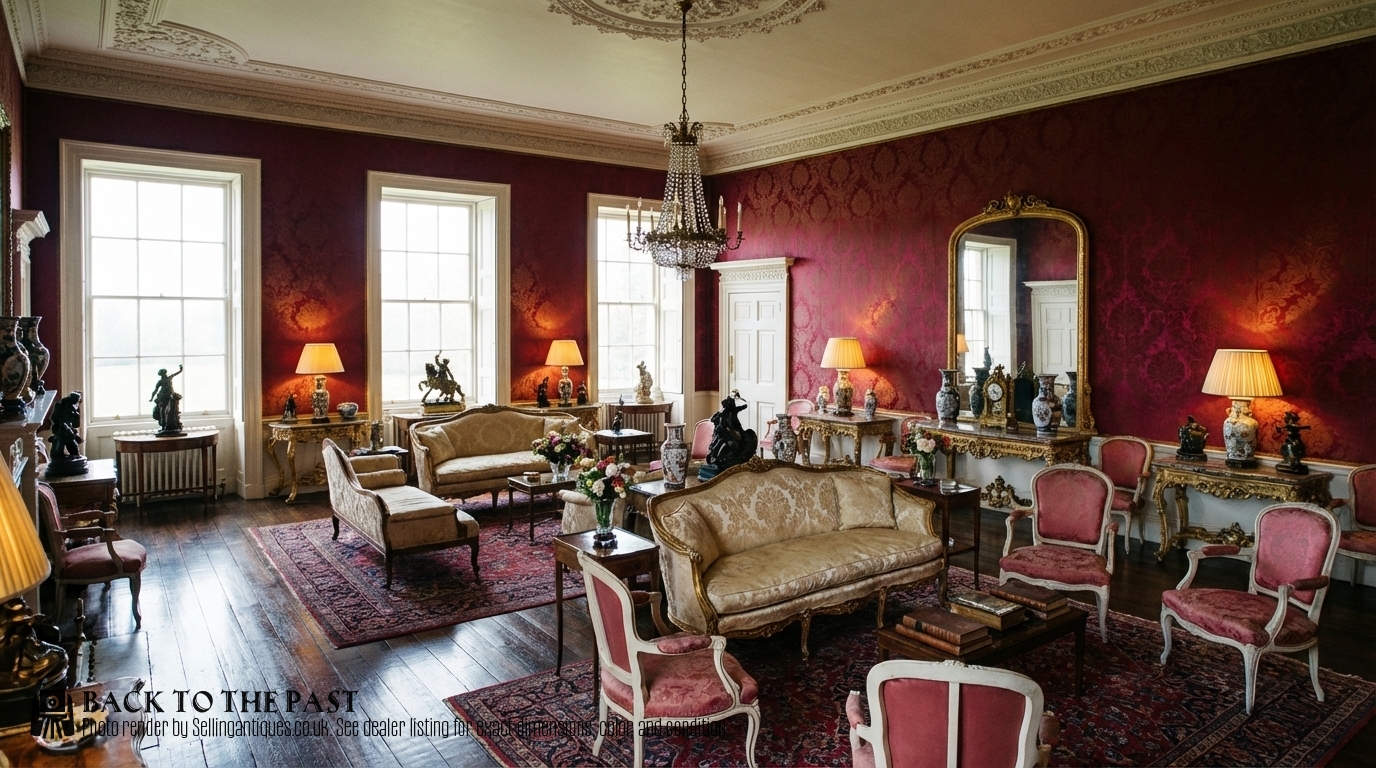
The arched mantel mirror
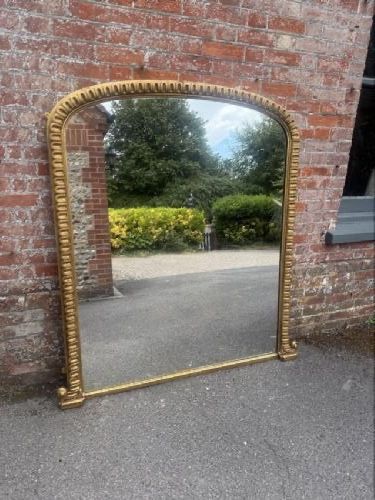
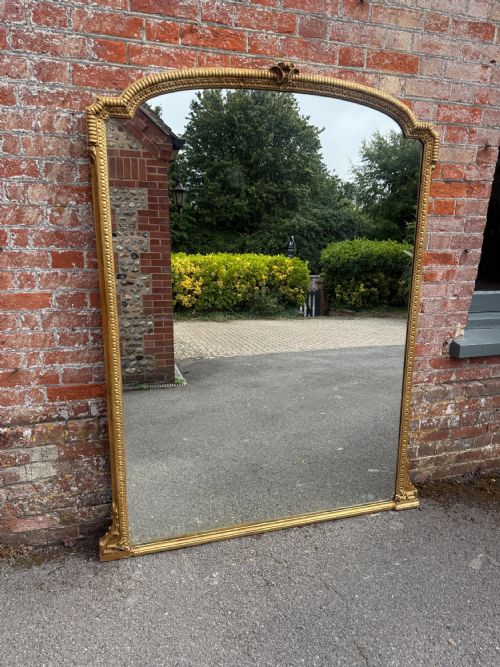
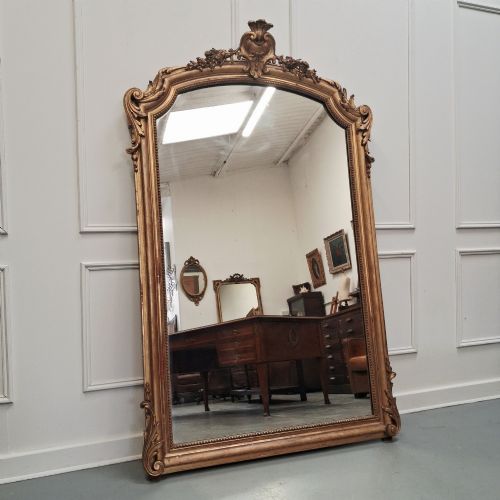
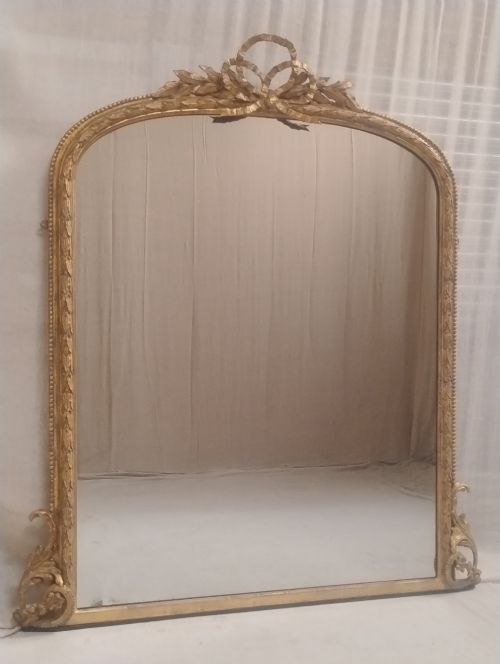
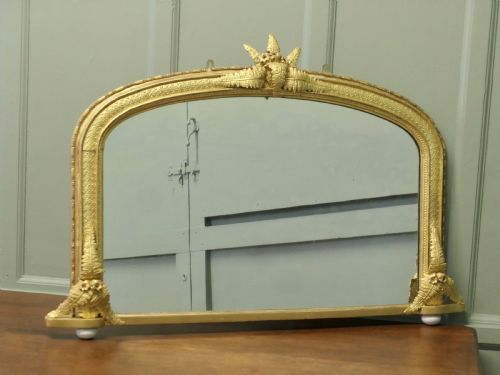
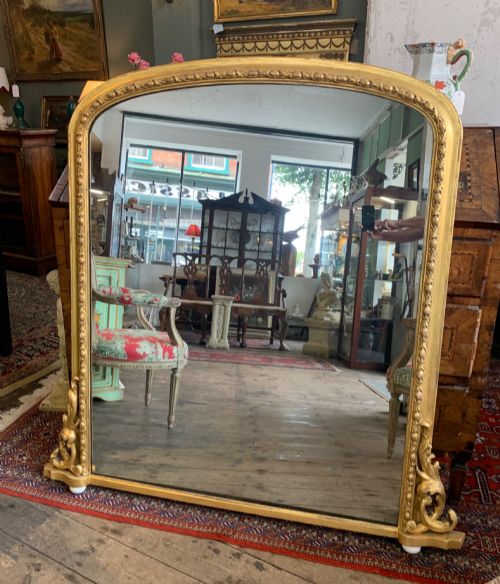
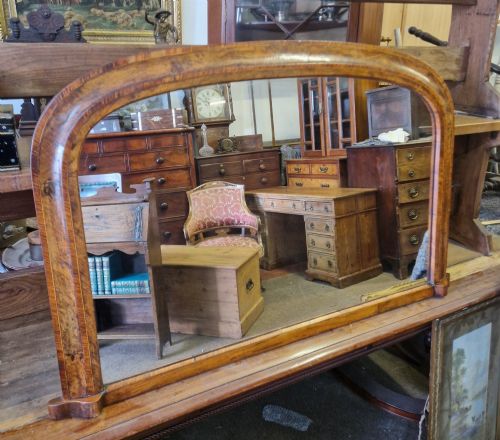
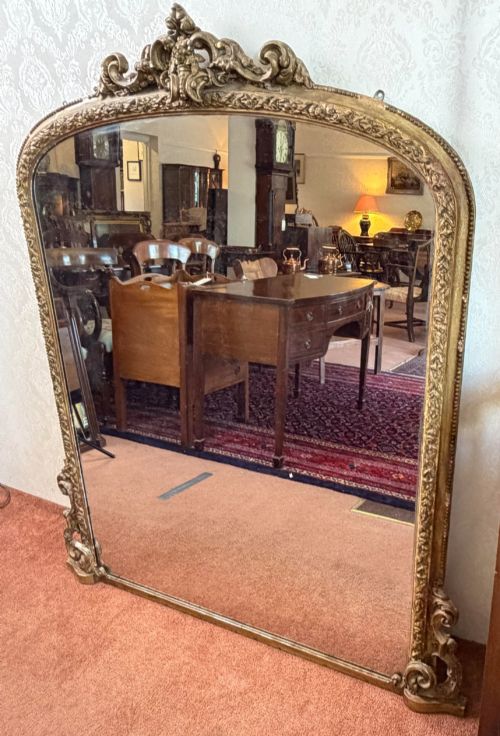
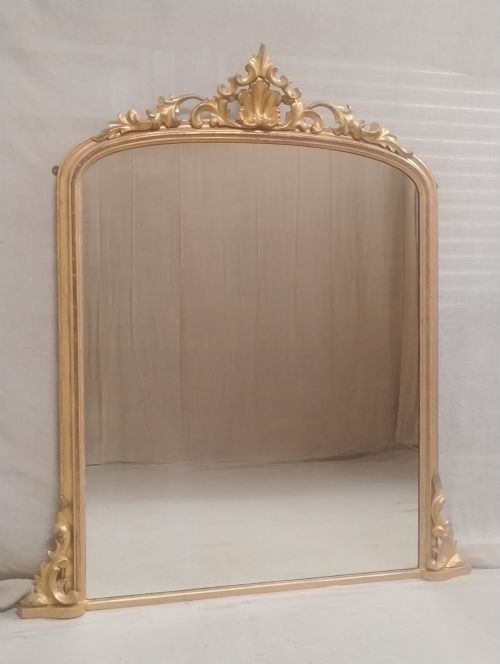
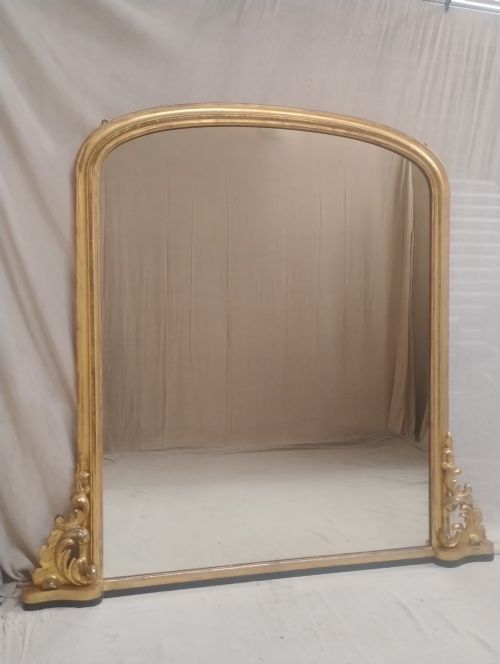
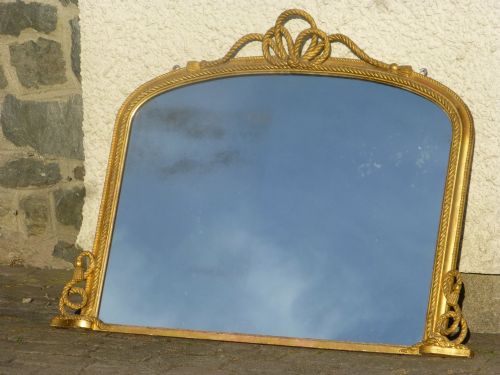
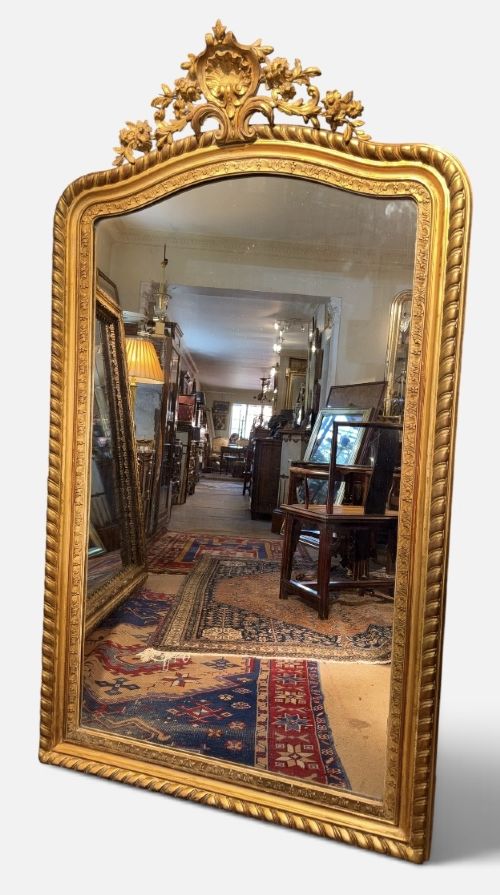
An arched mantel mirror sits above a fireplace, designed to draw the eye upward and brighten period interiors with its distinctive curved top. When exploring arched mantel mirror examples, the most common form is a large nineteenth century Victorian or French chateau overmantel piece built to rest directly upon a chimney breast.
The selection ranges from grand nineteenth century English pieces down to smaller French painted variants, spanning styles such as Victorian and English traditional. These objects function primarily as architectural punctuation, reflecting daylight across the room while filling the void left by high ceilings and open hearths.
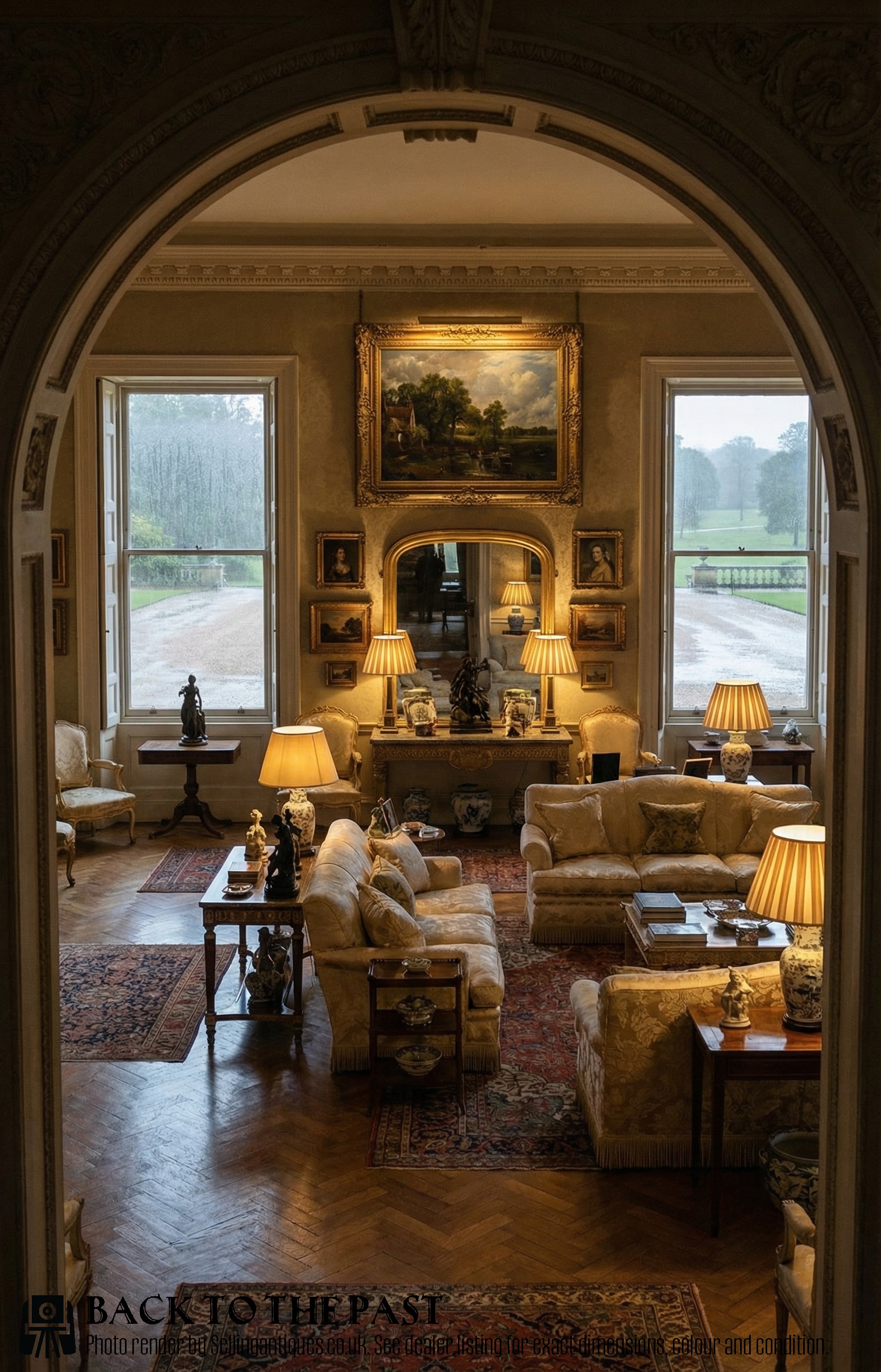
Materials and construction
Makers built the foundational framework of an arched mantel mirror using solid wood, applying carved wood and gesso layers to build up crisp decorative mouldings and relief details like fern leaves or tulip frames. Artisans then finished these surfaces with gold leaf, silver leaf, or coats of paint.
Mirrors incorporated heavy mirror glass set within the arched wooden chassis, often secured with traditional backing boards and hardware. The combination of gesso over carved wood allowed craftsmen to achieve intricate raised ornamentation that held metal leaf or pigment securely.
Retail Price Guide 2026
Typical UK retail prices for arched mantel mirror, calculated from the Sellingantiques database of over a million retail prices indexed since 2003. This retail price guide relies exclusively on Sellingantiques data; no external sources or auction records are used, so the figures do not describe the wider market.
The documented styles across these items include Victorian, French chateau, and English traditional forms.
Judging the quality
Quality rests in the crispness of the carved wood and gesso ornamentation, where deeply defined motifs and well-preserved gilding distinguish finer examples from simpler painted stock. The depth and integrity of the original gold leaf or silver leaf application dictate the visual weight of the frame.
Proportion and scale also separate the tiers, as larger nineteenth century formats demand superior structural joinery to support heavy mirror glass safely within an arched opening. The survival of original painted or gilt surfaces without heavy later interference marks the better specimens.
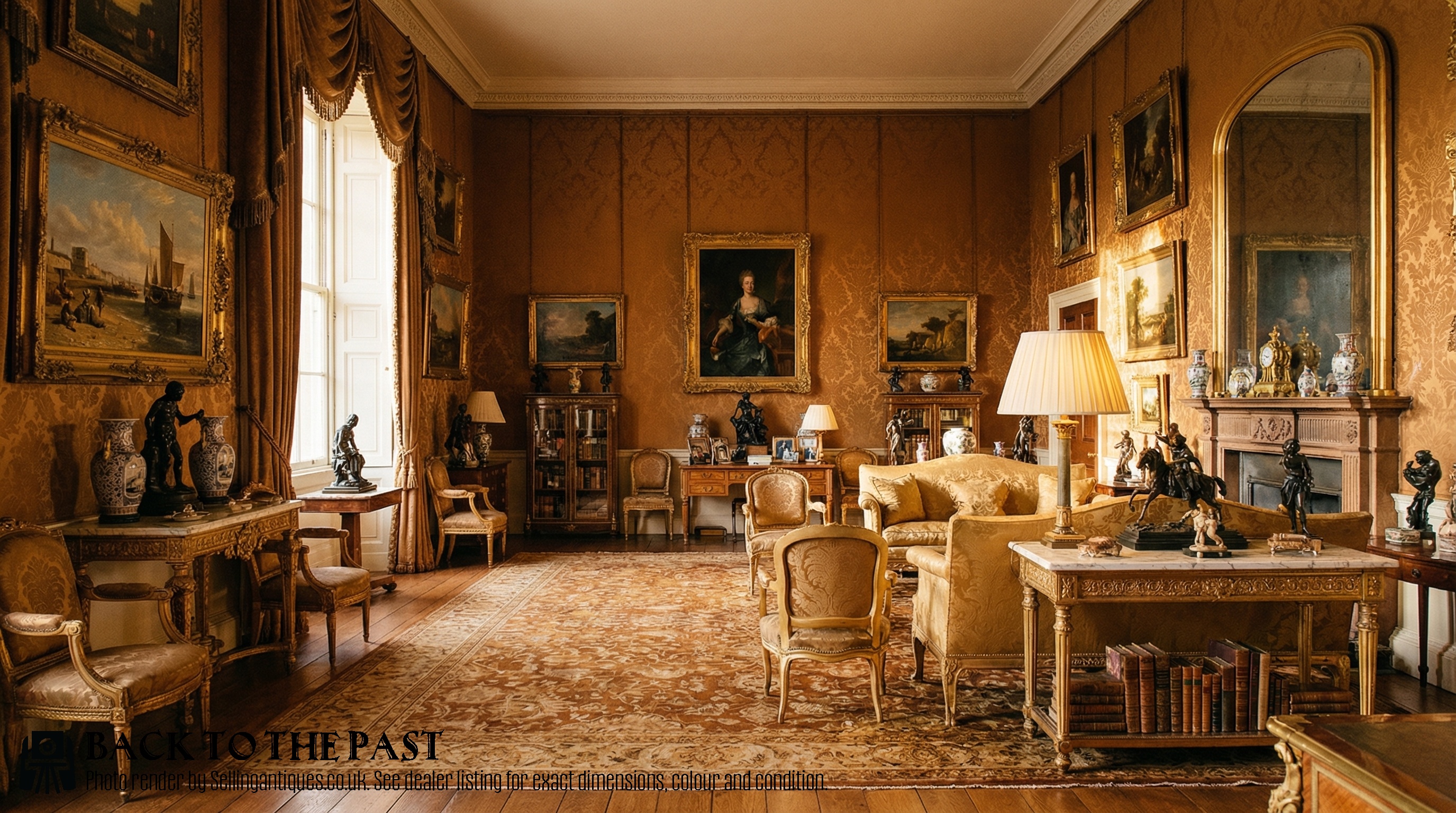
The Arched Mantel Mirror Glossary
- Gesso
- A plaster-like mixture applied to wood frames to create a smooth surface for gilding or painting. It is built up in layers before being carved or stamped with decorative motifs.
- Giltwood
- Timber that has been coated with a thin layer of gold leaf or gold paint. This finish provides a reflective, opulent surface characteristic of formal nineteenth century furnishings.
- Overmantel
- A large mirror or painting designed specifically to hang or rest on the mantelpiece above a fireplace. These pieces were scaled to match the width of the fireplace surround.
- Archtop
- A framing style featuring a curved upper section rising from vertical sides. This profile softens the rectangular geometry typical of standard wall mirrors.
Frequently Asked Questions
How do I hang an arched mantel mirror safely?
These large nineteenth century pieces are exceptionally heavy due to their solid wood frames, gesso buildup, and thick glass. They require heavy-duty wall fixings anchored directly into masonry or robust studs.
Many owners choose to let the mirror rest securely on the mantelpiece itself while anchoring the top frame to the wall for stability.
Where should I place an arched mantel mirror?
The traditional placement is centred directly above a fireplace mantel where the arched top draws the eye toward the ceiling. They also function well on plain walls to mimic the presence of a window.
Positioning the glass opposite a window maximises the reflection of natural light into darker corners of a room.
How do I clean and maintain antique gilt surfaces?
Giltwood and gesso frames require gentle dusting with a soft, dry brush to prevent damage to the delicate metallic leaf or painted finishes. Moisture and modern chemical cleaners must be avoided entirely.
Mirror glass can be cleaned sparingly using a cloth slightly dampened with water or mild glass cleaner, taking care not to let liquid seep into the wooden joints.
How do I tell a French mirror from an English one?
French arched mantel mirrors often feature softer painted finishes, delicate carved details, and a slightly more whimsical or chateau-inspired aesthetic. English Victorian examples tend toward grander proportions and traditional giltwood with formal decoration.
Both origins share the characteristic nineteenth century construction of carved wood and gesso over heavy wooden frames.