


Vintage Arched Mirror
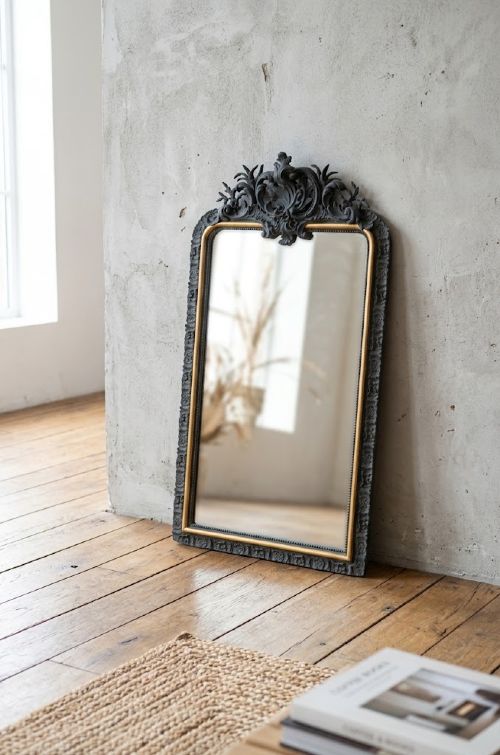
A vintage arched mirror brings height and reflected light to a room, drawing the eye upwards with its curved apex.

Vintage Arched Mirror
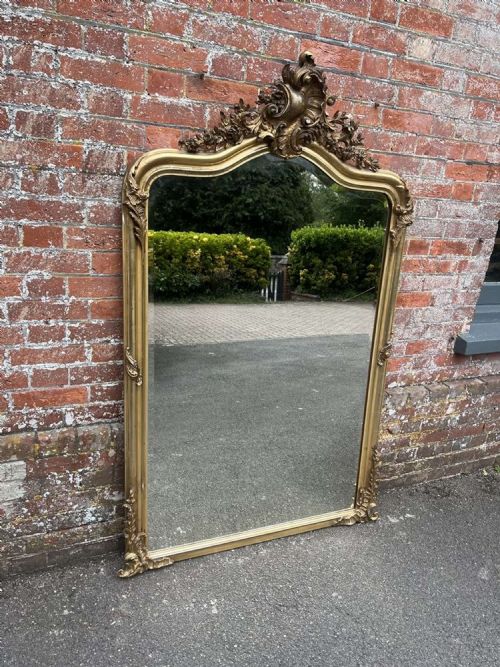
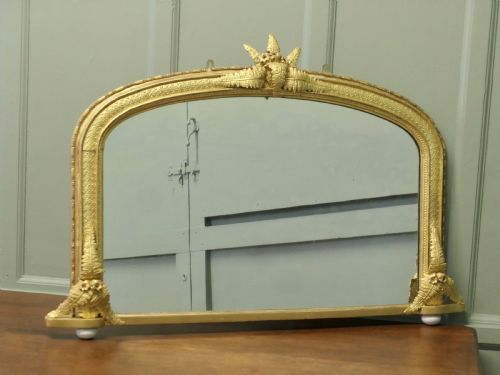
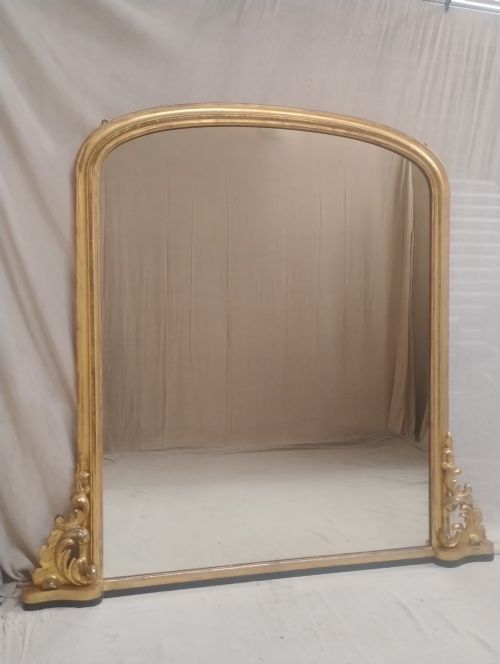
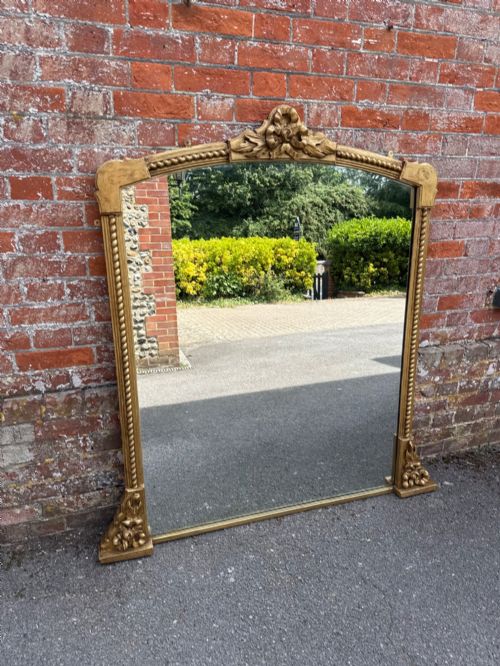
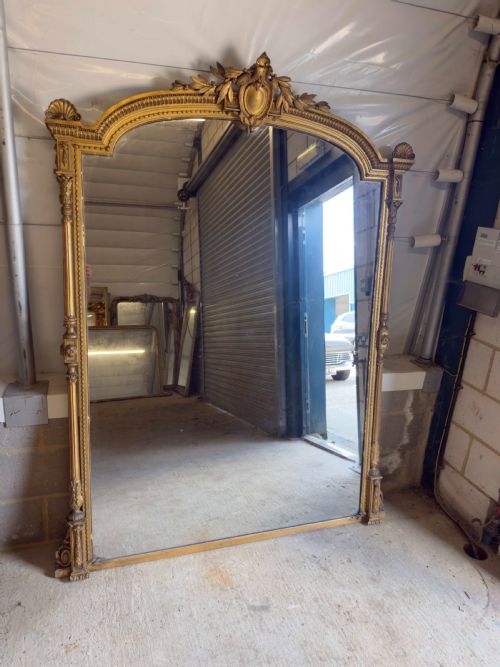
When searching for a vintage arched mirror, collectors encounter substantial overmantel designs, tall wall mirrors, and freestanding dressing pieces originating primarily from the nineteenth and early twentieth centuries. These objects combine practical utility with architectural presence, filling vertical wall space above mantelpieces or dressing tables.
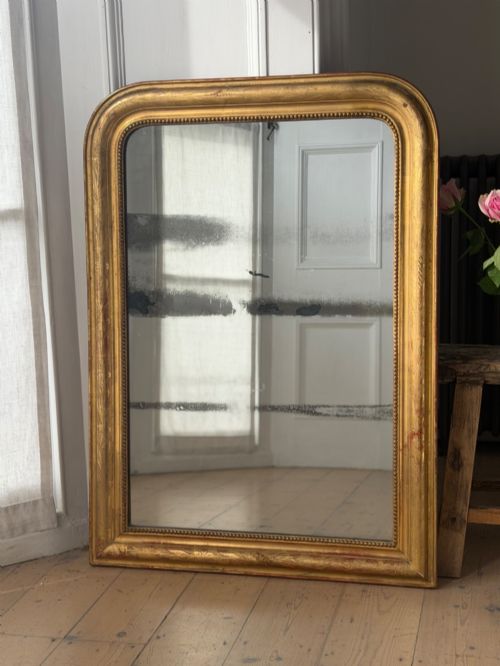
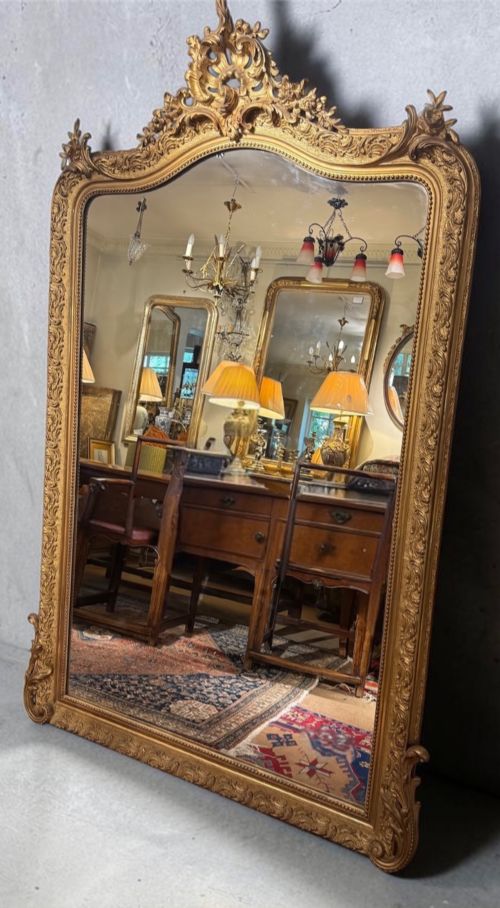
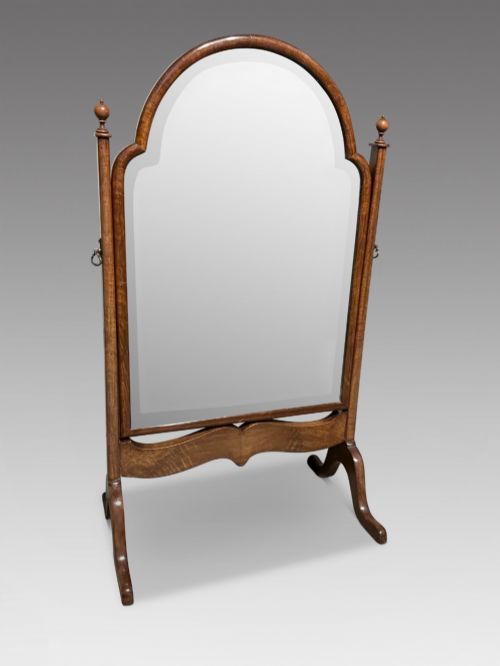
The most common examples on this page are nineteenth-century overmantel mirrors and French Louis Philippe styles featuring curved upper frames. English and French workshops produced these pieces in forms ranging from monumental giltwood creations to simpler oak and mahogany table mirrors.
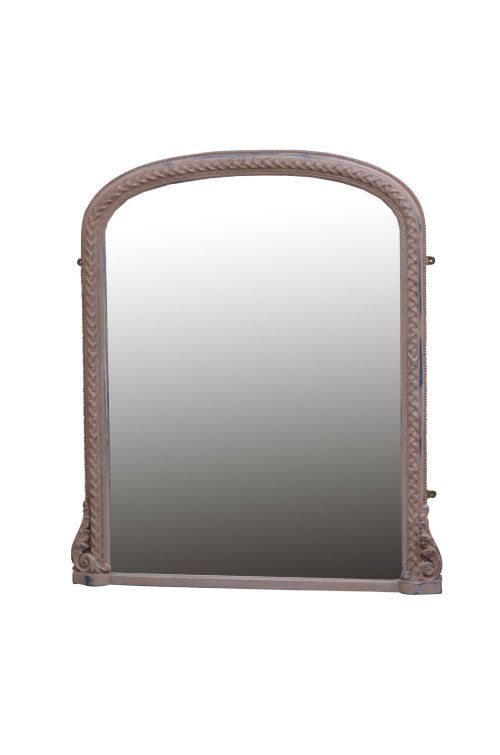
The selection encompasses diverse regional characteristics, including ornate Rococo scrollwork, restrained classical proportions, and painted finishes. Buyers choose these mirrors to anchor period interiors or add historical character to modern settings.
How They Were Made
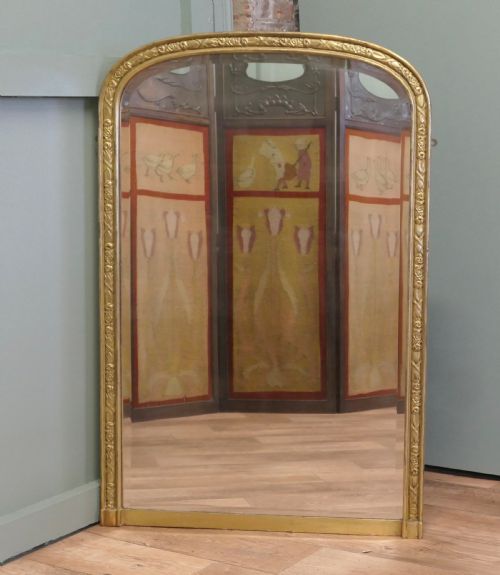
Carved wood and gesso form the foundational structure for many traditional frames, providing a pliable base for intricate surface gilding. Artisans applied thin layers of gold leaf over prepared gesso grounds on pine or hardwood substrates.
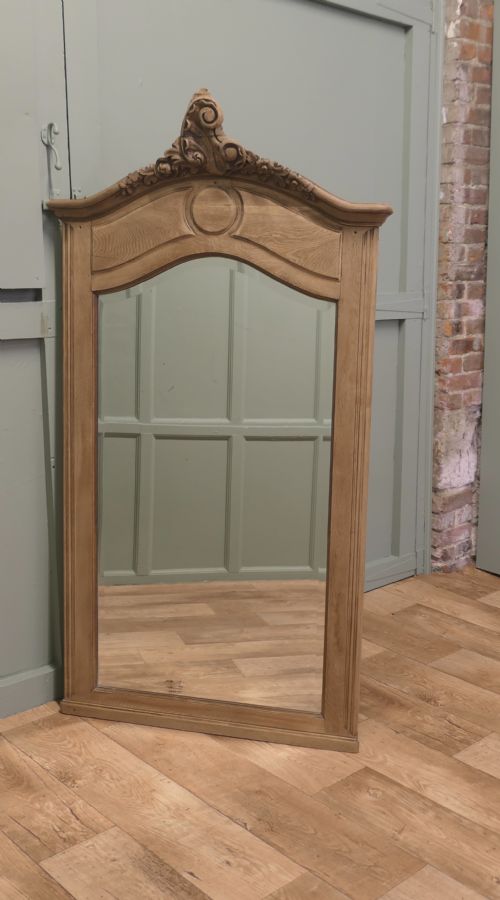
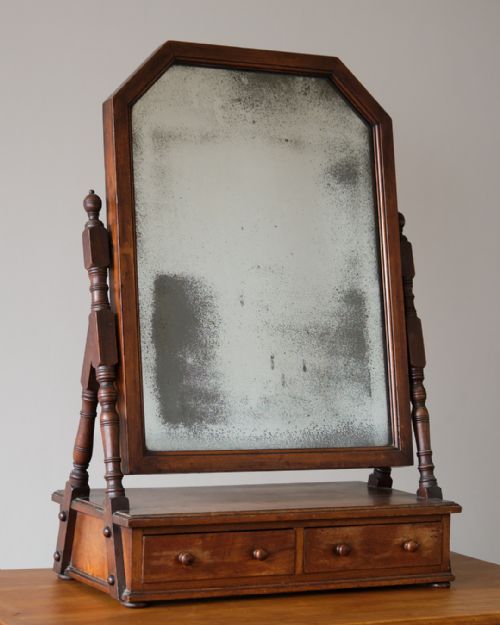
Solid cabinet timbers such as mahogany, oak, and walnut appear frequently in nineteenth-century and later dressing or table mirrors. These frames rely on clean joinery and polished wood grains rather than applied surface ornament.
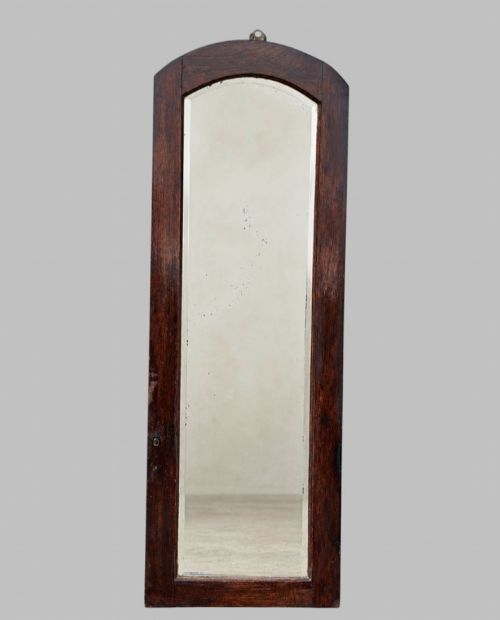
Glass plates of the period frequently exhibit mercury backing or early bevel edges. Older mirrors often retain original silvering that displays characteristic foxing and spotting from age.
Several mirrors carry the quiet ghosts of nineteenth-century drawing rooms in their softly spotted mercury glass.
What Varies In Quality
The crispness of the carved ornament separates superior frames from standard production. Hand-carved gesso and wood details display sharp undercut relief and fluid curves, whereas lesser examples show softer, moulded plaster decoration.
The integrity of the original gilding and glass plate determines the historical value of the piece. Retaining untouched mercury glass and original gold leaf indicates an uncompromised survival, unlike examples with later re-gilding or replacement mirror plates.
Heal And Sons
The Vintage Arched Mirror Glossary
- Overmantel mirror
- A wide mirror specifically designed to hang above a fireplace mantelpiece. These pieces often feature low horizontal proportions and arched or shaped tops.
- Giltwood
- Wood carved and coated with gold leaf. This material is typical of formal nineteenth-century decorative frames.
- Gesso
- A plaster mixture applied to wood frames to create a smooth surface for gilding. It allows for intricate moulded or carved relief decoration.
- Foxing
- Small dark spots and speckles within the glass plate caused by the breakdown of the silvering layer over time. It is a natural sign of age on antique mirrors.
- Louis Philippe
- A French nineteenth-century style characterised by restrained classical lines, rounded upper corners, and simple beaded or cavetto moulded frames.
Vintage Arched Mirror: Frequently Asked Questions
How do I date an arched mirror?
Examine the construction of the backboards, the type of wood used in the frame, and the characteristics of the glass plate. Nineteenth-century examples often use hand-cut timber boards and heavy gesso ornamentation.
Look closely at the silvering on the glass. Mercury glass and early bevels typically point to older nineteenth-century manufacture, while later twentieth-century pieces show different backing methods and machine cutting.
What is mercury glass?
Mercury glass refers to older mirror plates backed with a mixture containing mercury rather than modern chemical silver. This technique creates a distinctive warm, reflective depth.
Over decades, the backing reacts to air and moisture, producing characteristic foxing spots. These imperfections are valued by collectors as proof of age.
Can I hang a heavy overmantel mirror safely?
Large overmantel mirrors carry significant weight due to their timber frames and thick glass plates. They require secure fixing directly into wall studs or masonry using heavy-duty brackets.
Professional installation is strongly advised for monumental nineteenth-century giltwood pieces to ensure the weight is distributed properly across the wall.
What is a pier mirror?
A pier mirror is a tall, narrow glass designed to hang on the wall space between two windows, known as the pier. These mirrors often match the height of the windows to maximise light in a room.
They frequently share the arched top and gilded gesso construction seen on larger overmantel examples from the same period.