

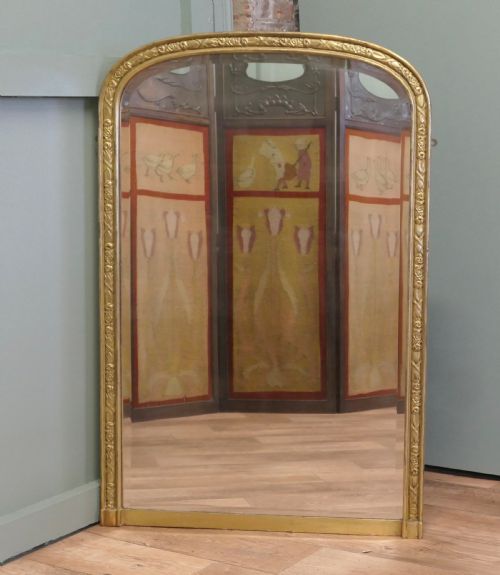


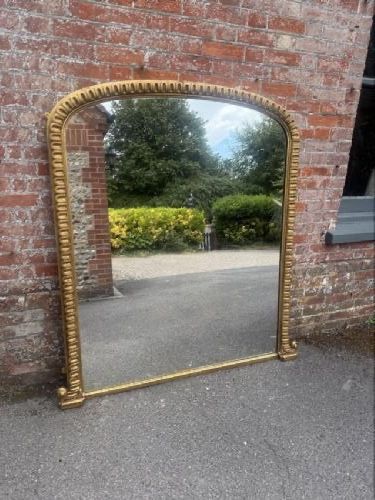
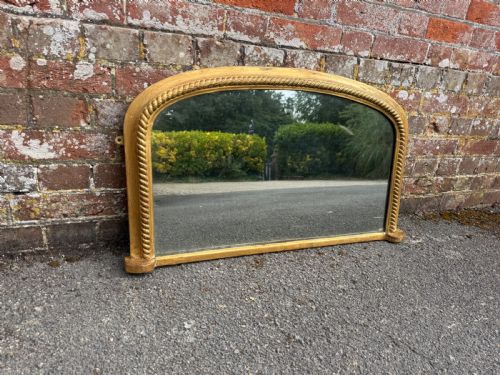
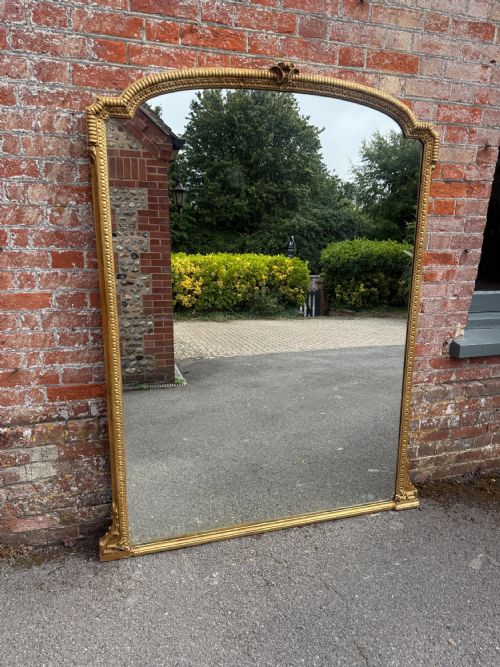
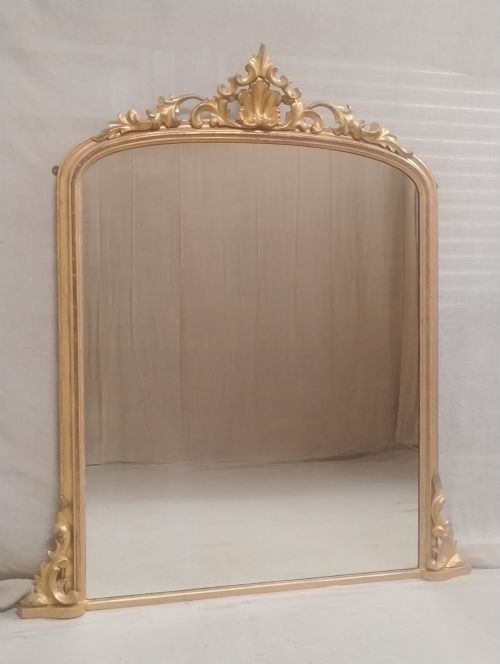
Gilded Arched Mirror
A gilded arched mirror brings light and grand scale into a room, framed in gleaming gold leaf over carved wood or moulded plaster.
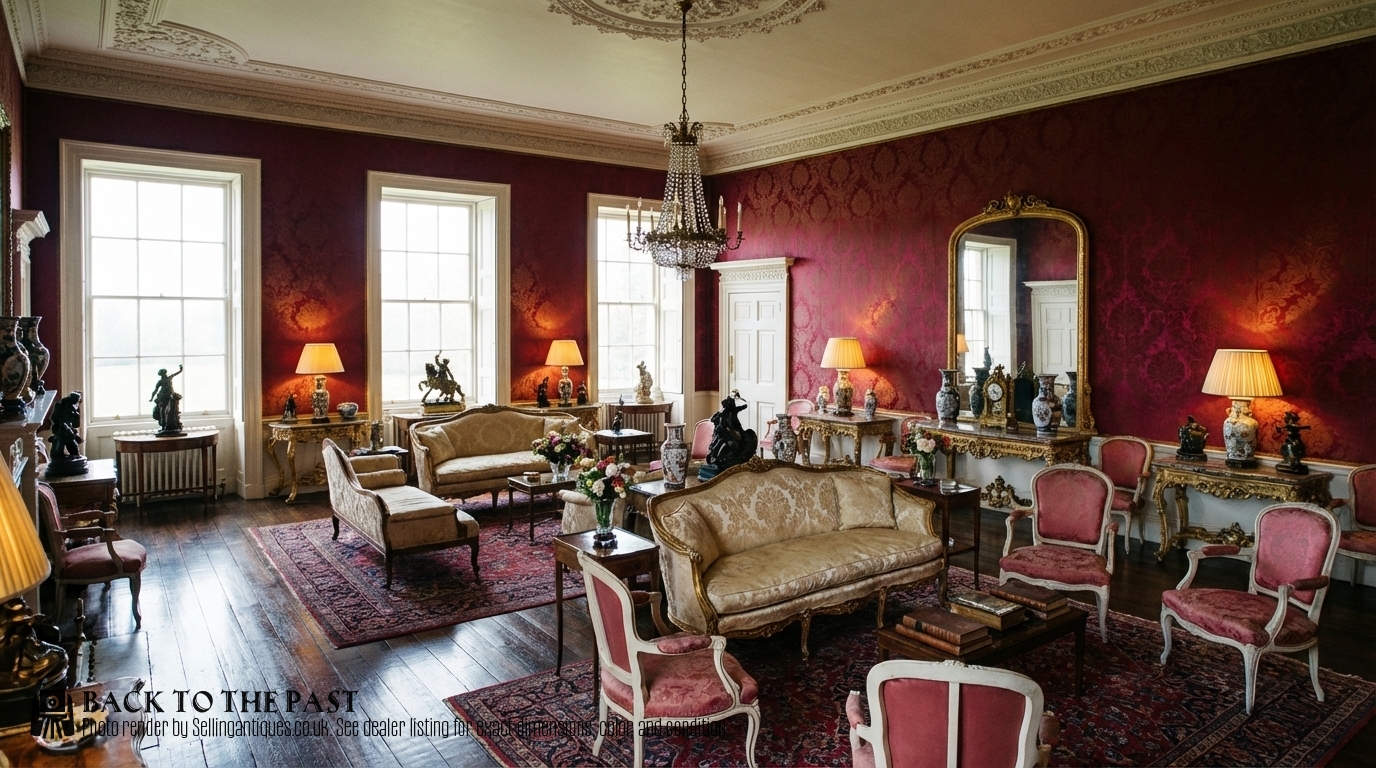
What these pieces are
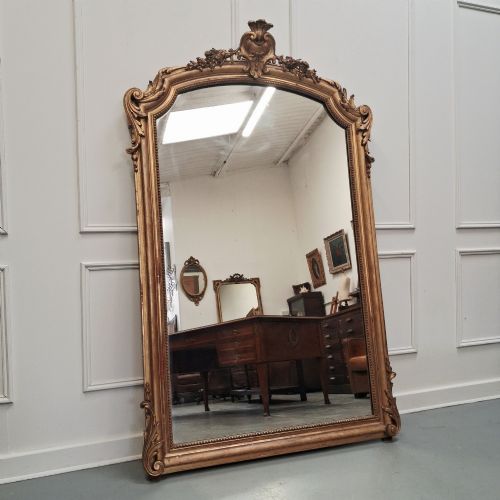
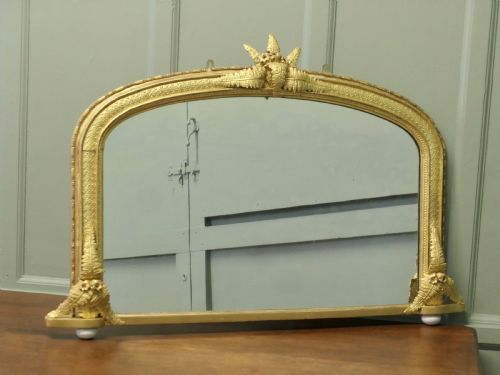
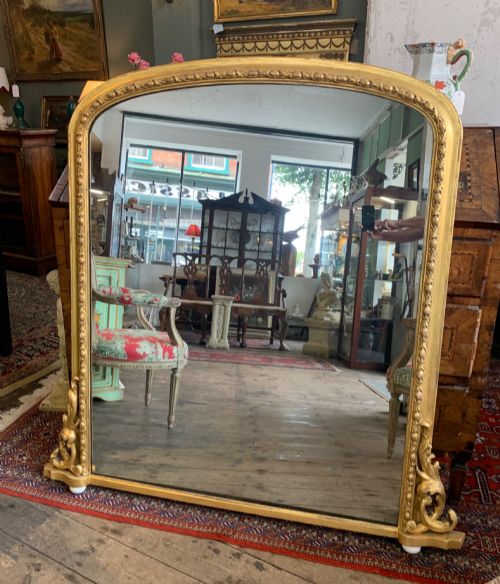
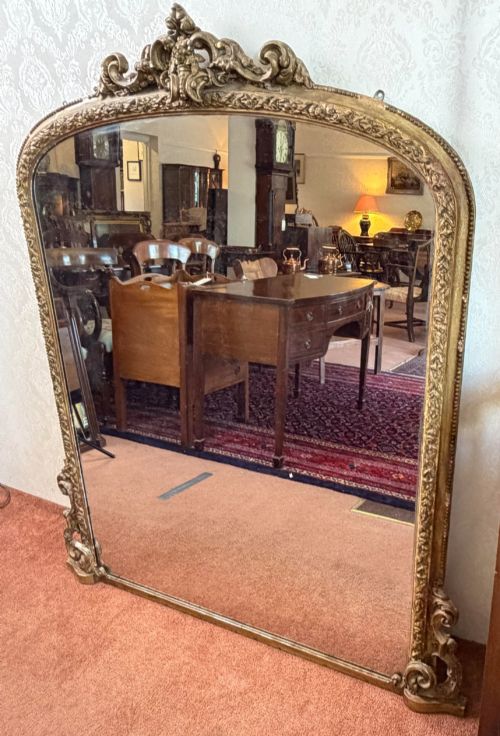
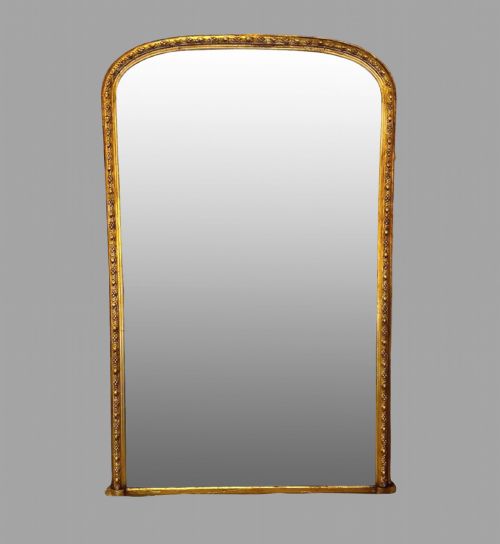
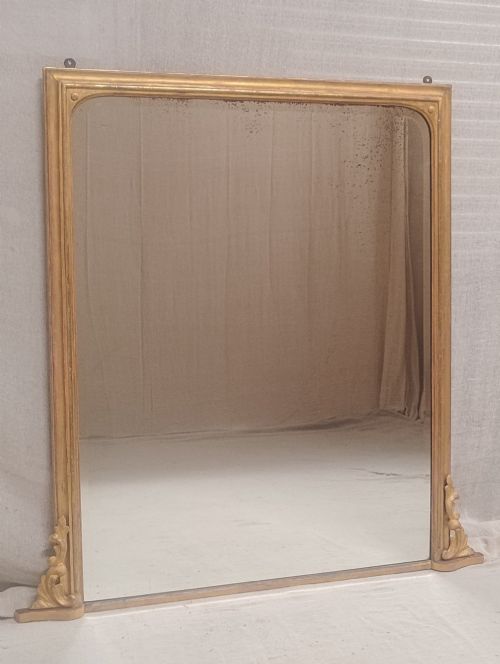
A gilded arched mirror forms a striking architectural focal point, particularly when designed as a grand overmantel mirror intended to sit directly above a fireplace. These nineteenth-century pieces arrive in substantial proportions, featuring distinct arched tops that soften the rigidity of period chimney breasts.
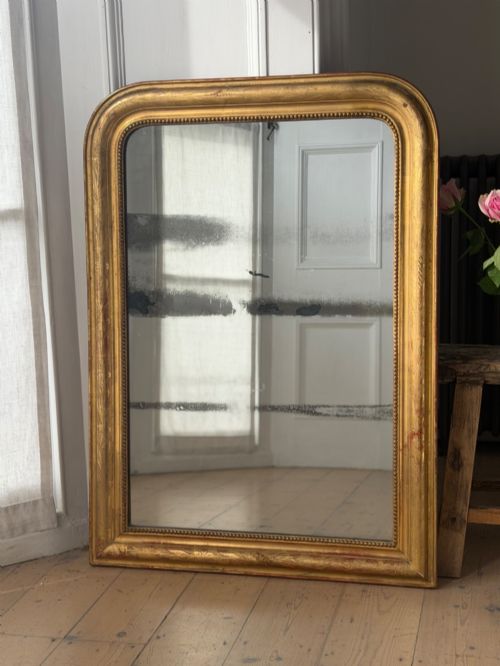
The inventory spans large Victorian wall mirrors and ornate French rococo revival and second empire models, alongside continental arched top examples. Buyers encounter expansive frames designed to reflect light across high ceilings and anchor traditional reception rooms.
How they were made
Traditional makers built the underlying structure from timber, utilising carved wood or layered construction to form the curved arch. Artisans then applied gesso and composition material over the wooden base to build up intricate relief ornamentation and crisp mouldings.
Gilding was achieved by laying thin sheets of gold leaf over the prepared surface, often burnished to catch the light. Heavy mirror glass was then fitted into the rebate behind secure wooden backs.
Retail Price Guide 2026
Typical UK retail prices for gilded arched mirror, calculated from the Sellingantiques database of over a million retail prices indexed since 2003. This retail price guide relies exclusively on Sellingantiques data; no external sources or auction records are used, so the figures do not describe the wider market.
One past piece arrived in an unusual size, proving that nineteenth-century artisans occasionally broke their own moulds.
What varies in quality
Quality rests primarily in the crispness of the modelled gesso and the depth of the original gilding. Finer pieces display deeply undercut ornament and delicate hand-carved wooden details rather than heavy, uniform composition pressings.
The integrity of the plate glass and the preservation of the original gold surface dictate the standing of a mirror. Retaining the authentic gilded finish without extensive modern overpainting distinguishes the superior examples from lesser restorations.
The Gilded Arched Mirror Glossary
- Giltwood
- Wood that has been coated with gold leaf. This material forms the primary structure and decorative surface of fine antique frames.
- Gesso
- A plaster-like mixture applied to wood frames to create a smooth surface for carving and gilding. It allows for intricate relief decoration.
- Overmantel mirror
- A large mirror specifically designed to hang above a mantelpiece or fireplace. These pieces often feature wide horizontal or arched proportions.
- Composition
- A moulded mixture of whiting, resin, glue and oil pressed into ornament. Makers utilised this material to achieve detailed embellishments efficiently.
Frequently Asked Questions
Can these mirrors go above a fireplace?
They were originally designed specifically for that position, intended to sit on the mantel shelf or hang securely on the chimney breast. The arched top helps draw the eye upward toward high ceilings.
Heat from an active fire can sometimes affect old gesso and gilding over decades. Consider the operational status of the fireplace when choosing a permanent placement.
How do I clean a gilded frame?
Dust the surface gently with a soft, dry brush to prevent accumulation in the intricate carved crevices. Avoid all liquid cleaners and commercial polishes, which strip delicate gold leaf.
Moisture can permanently damage nineteenth-century composition and gesso mouldings. Keep the environment stable and dry to preserve the original finish.
What defines a Victorian arch top mirror?
Victorian examples typically combine substantial proportions with architectural curves and decorative crests at the apex. They reflect the nineteenth-century preference for grand interior styling.
Markers of the era include specific moulding profiles and traditional backing construction. Comparing the timber and gesso techniques helps confirm the nineteenth-century origins.