

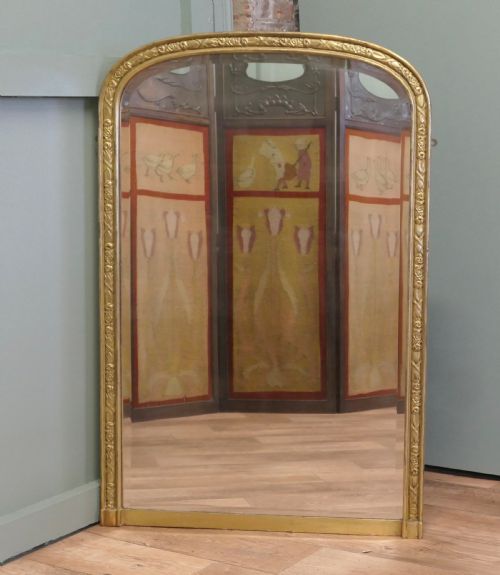

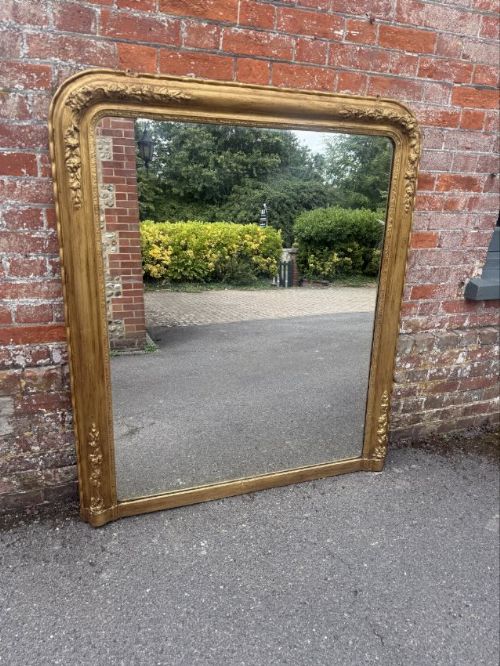
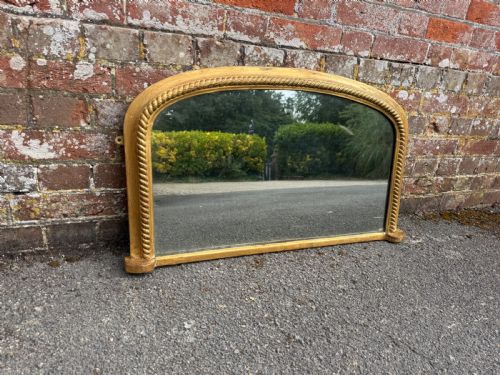
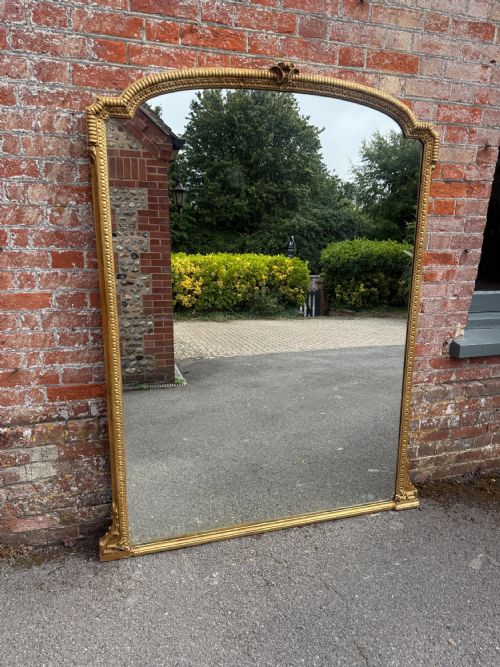
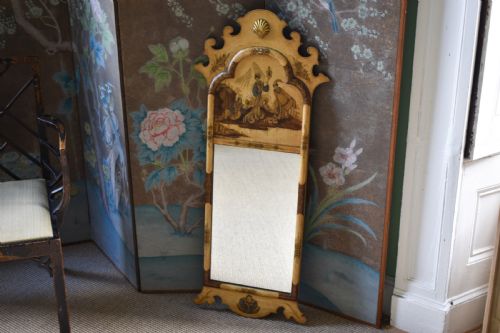

Arch Top Wall Mirror
An arch top wall mirror brings architectural grace and reflected light to a room, drawing the eye upwards with its curved silhouette.
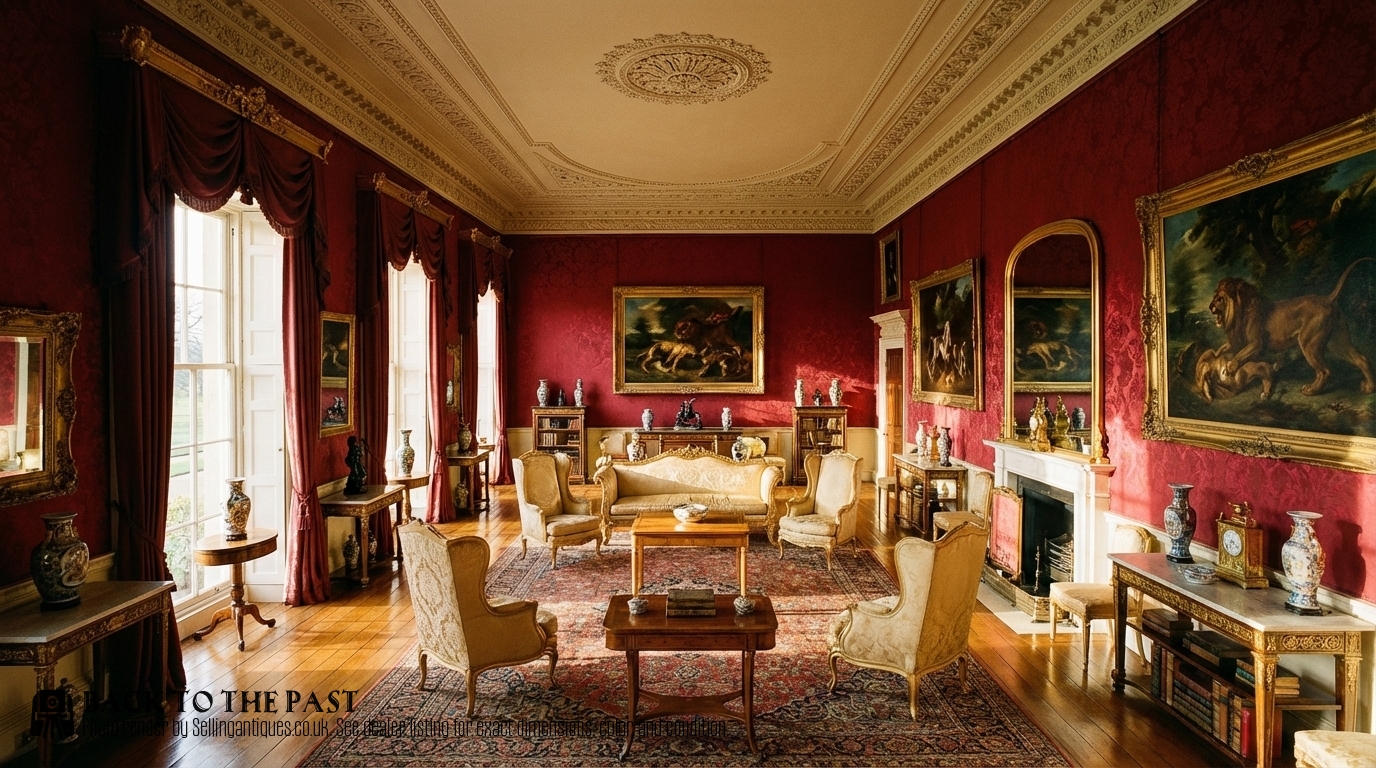
What an arch top wall mirror is
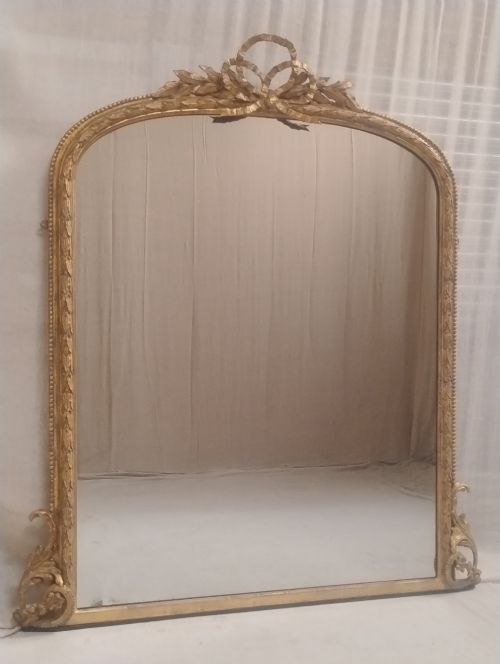
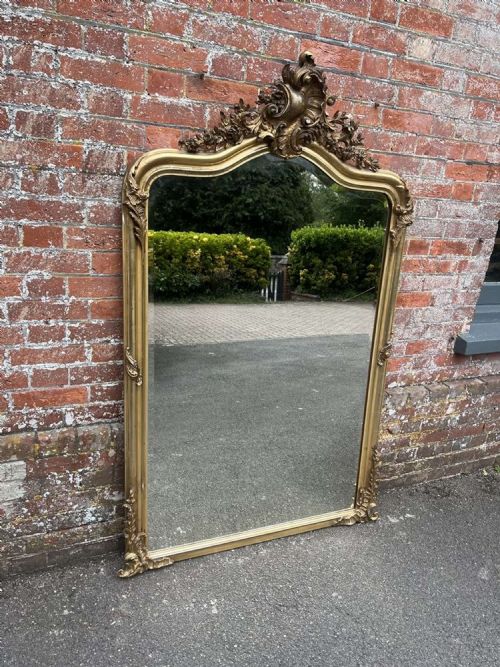
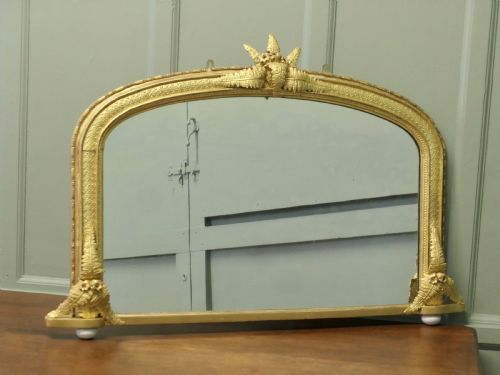
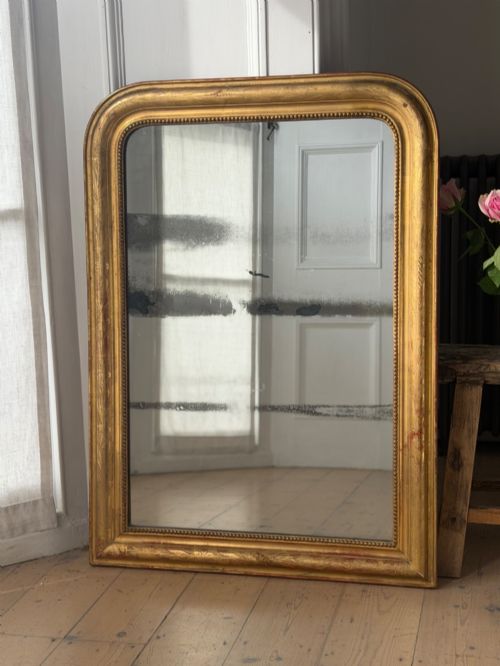
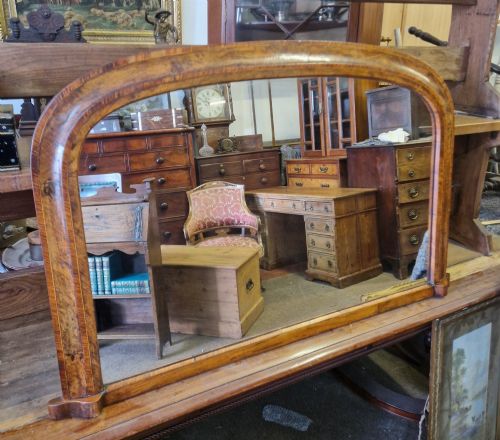
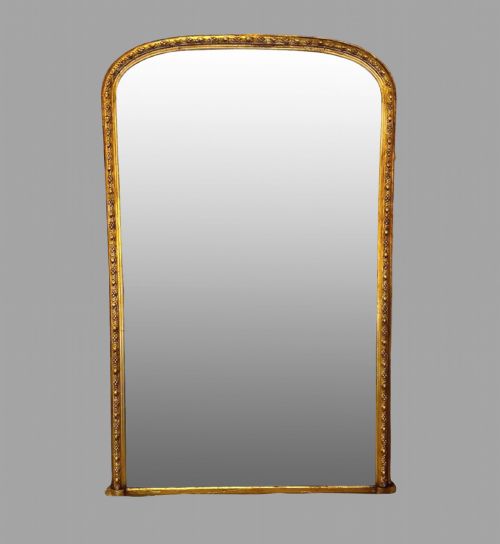
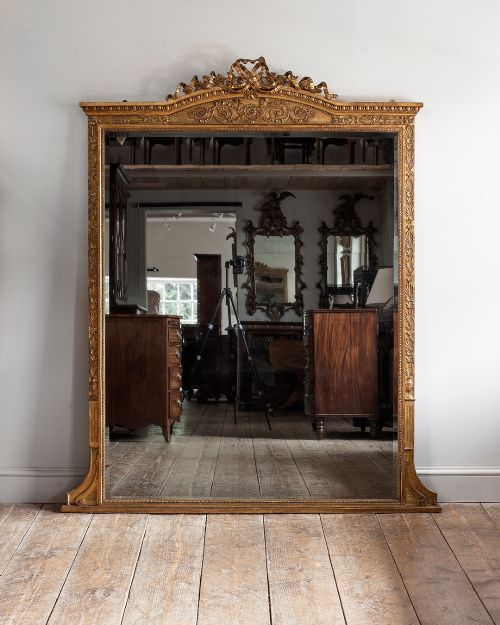
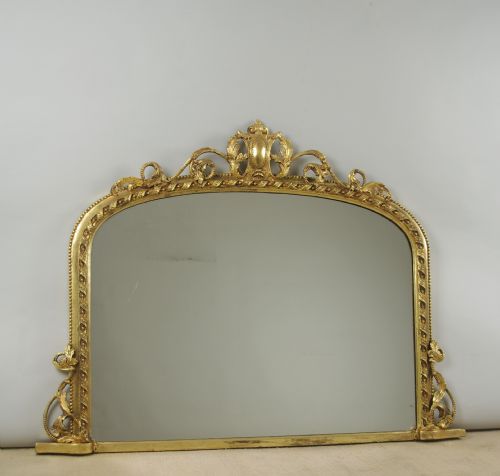
An arch top wall mirror is a reflective glass panel housed within a curved frame designed to hang upon a wall or rest above a fireplace as an overmantle mirror. These pieces take various forms, including grand overmantle mirrors intended for reception rooms and tall wall mirrors suited to domestic interiors.
The pieces seen here span the Victorian era and the nineteenth century, encompassing English and French examples created from eighteen-seventy back through earlier decades. They appear in styles ranging from plain wooden borders to highly decorative frames adorned with painted surfaces, cream and red gesso, or carved gilt laurel leaves.
Buyers seeking this form will find examples utilising original mirror plates, oak, walnut, mahogany, and composition materials. The selection includes landscape shapes, tall proportions, and large formats with ornate crests and flower mouldings.
How they were made
Frames are constructed from woods such as oak, walnut, mahogany, and carved timber, which provide a stable structural foundation for the glass. Artisans applied gesso and composition layers over wooden carcases to build up decorative relief details including laurel leaves and flower mouldings.
Gilding techniques involved applying gold leaf or parcel-gilt finishes to the gesso surface, while other frames received coats of paint in black, cream, red, or silvered tones. Mirror plates were set within these surrounds, sometimes featuring bevel cuts or surviving as original glass plates from the nineteenth century.
Retail Price Guide 2026
Typical UK retail prices for arch top wall mirror, calculated from the Sellingantiques database of over a million retail prices indexed since 2003. This retail price guide relies exclusively on Sellingantiques data; no external sources or auction records are used, so the figures do not describe the wider market.
Listings feature periods spanning eighteen-sixty through the Victorian era, alongside nineteenth-century English and French examples.
What varies in quality
The standard of an arch top wall mirror rests upon the depth and definition of its carved wood, gesso, and composition ornamentation. Finer examples display crisper moulding on their arched crests and more complex multi-layered finishes such as combined gilt and painted surfaces.
The integrity of the materials also dictates the calibre of the piece, particularly whether the frame retains its original gilding, paint, and glass plate. Greater age combined with sophisticated decorative flourishes, such as silvered borders or intricate flower mouldings, separates standard production from superior craftsmanship.
The Arch Top Wall Mirror Glossary
- Overmantle
- An overmantle mirror is designed specifically to sit on the mantelpiece above a fireplace. These large landscape mirrors reflect light and anchor the hearth within the room.
- Gesso
- Gesso is a plaster-like mixture applied to wooden frame foundations and carved or moulded into decorative reliefs before gilding or painting. It allows for intricate surface ornamentation.
- Parcel Gilt
- Parcel gilt describes an object or frame that is partially gilded with gold leaf, leaving portions of the underlying wood or painted surface exposed to create contrast.
- Composition
- Composition is a mouldable paste made from whiting, linseed oil, resin, and glue that artisans pressed into decorative ornaments for picture and mirror frames.
- Mirror Plate
- A mirror plate is the flat glass pane coated with a reflective metallic backing. Original plates often exhibit signs of age and oxidation.
Frequently Asked Questions
How do I hang a heavy overmantle mirror?
Large overmantle mirrors require secure wall fixings anchored directly into structural studs or masonry to support their considerable weight safely. Professional installation is recommended given the heavy timber and gesso construction of nineteenth-century frames.
Position the mirror at a height that reflects eye-level details or architectural elements in the room to maximise its visual impact.
Can these mirrors be hung in bathrooms?
Historic mirrors with nineteenth-century wooden frames, original gesso, and antique glass plates are sensitive to high humidity and moisture. Placing them in steam-filled environments risks damaging the antique silvering and softening the gesso.
Instead, keep these pieces in dry reception rooms, hallways, or bedrooms where the atmosphere preserves the materials.
How do I clean an antique mirror plate?
Clean antique mirror plates gently using a soft microfibre cloth and a mild, ammonia-free glass cleaner sprayed onto the cloth rather than directly onto the glass. Avoid getting moisture behind the glass plate where the original backing may be fragile.
Take care around the edges of the frame to prevent cleaning products from touching old giltwood, paint, or gesso.
What is the difference between an overmantle and a wall mirror?
Overmantle mirrors are traditionally proportioned to rest on a fireplace mantelpiece, often featuring a wide landscape orientation designed to fill the space beneath a ceiling. Standard wall mirrors are hung independently on vertical wall surfaces for general reflection and decoration.
Both types incorporate arched tops, though overmantles generally display heavier frames and more elaborate crestings.
How do I identify a Victorian arch top mirror?
Victorian arch top mirrors typically feature nineteenth-century construction methods, utilising pine or hardwood carcases covered in gesso and giltwood or painted finishes. Stylistic markers include carved laurel leaves, ornate flower mouldings, and oak or mahogany frames.
Examining the reverse reveals period fixings, older timber boards, and hand-cut construction details characteristic of the era.