

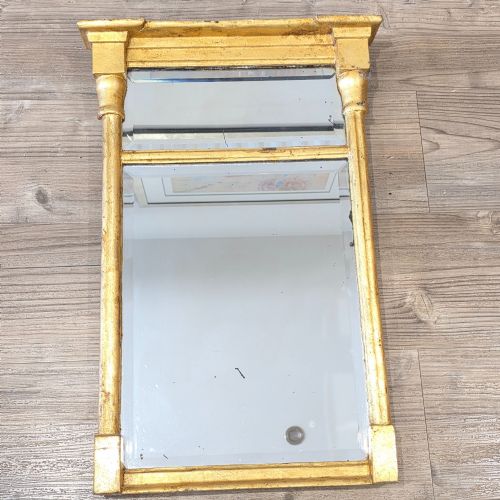
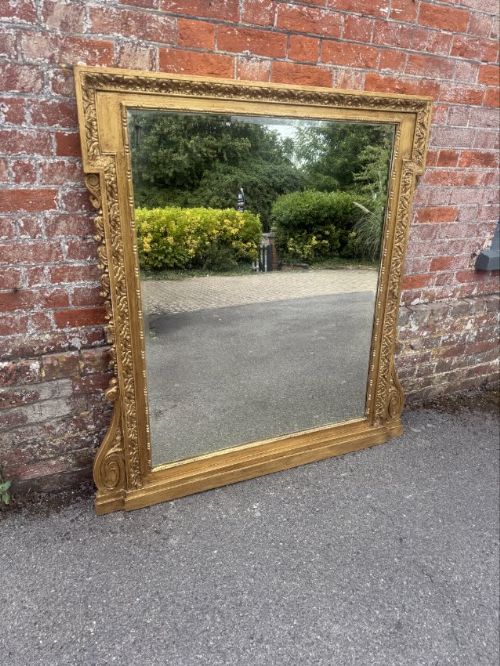
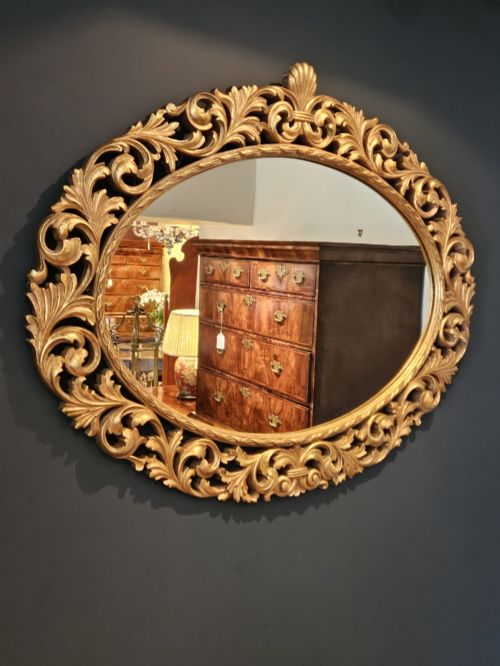
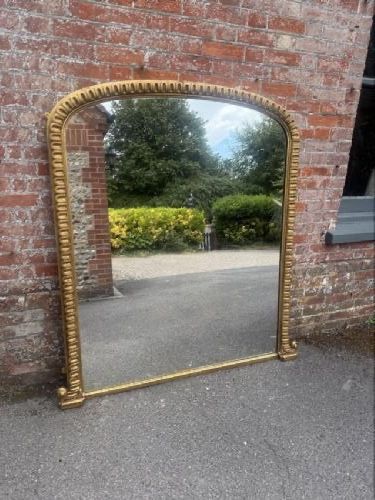

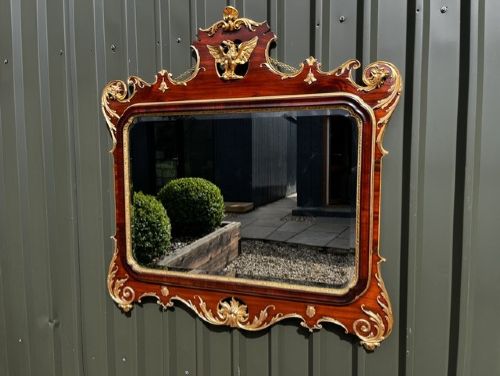
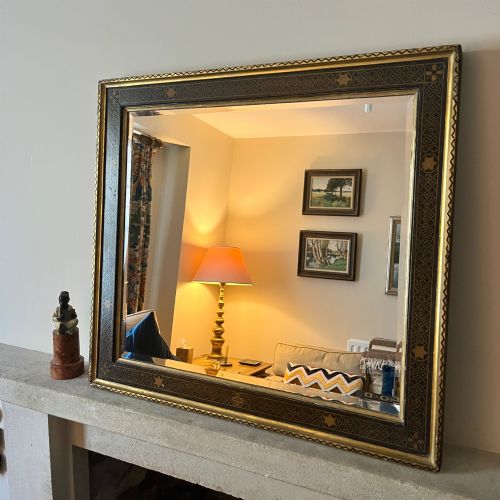
Traditional Gilt Mirror
A traditional gilt mirror brings warmth and reflective depth to a room through its polished surface and gilded frame.
Traditional Gilt Mirror
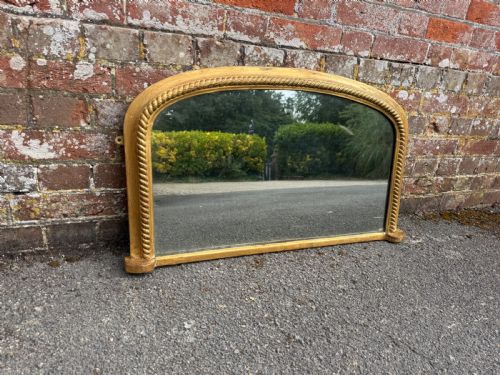
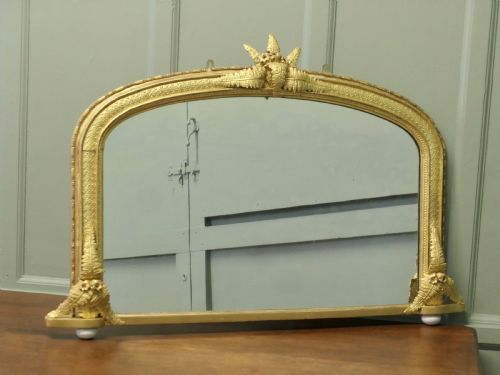
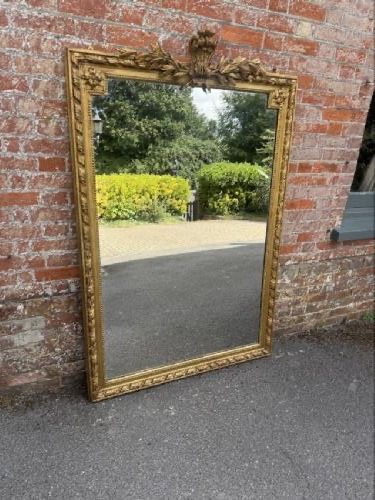
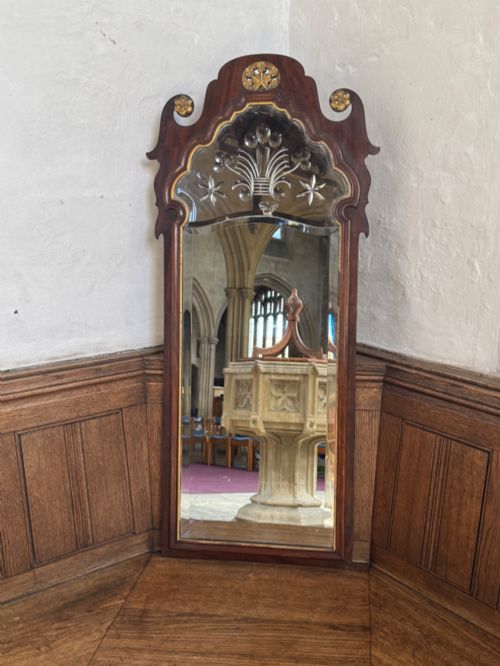
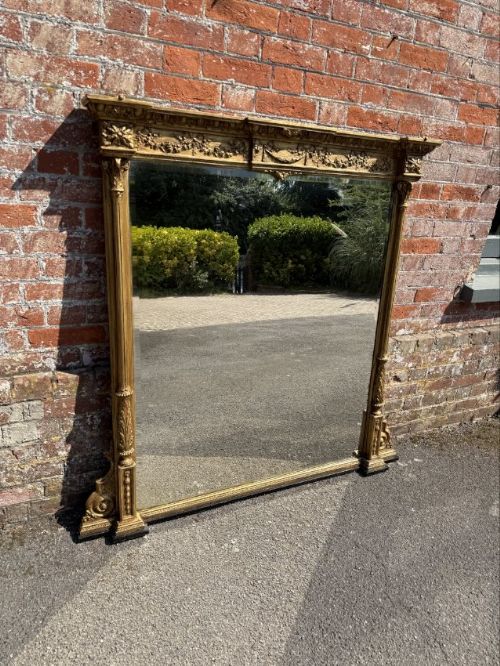
A traditional gilt mirror is a reflective glass panel held within a decorative frame finished in gold leaf or gold paint, designed to hang upon a wall or rest above a fireplace mantel. These pieces primarily date from the nineteenth century, encompassing Victorian and Regency periods alongside Edwardian revivals.
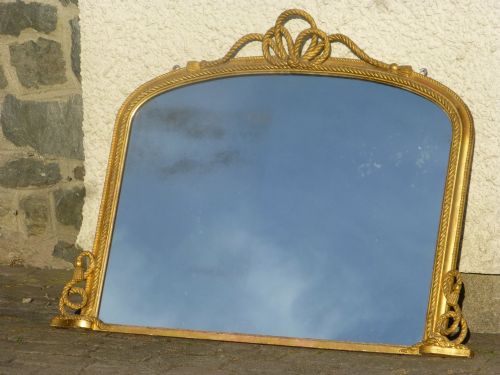
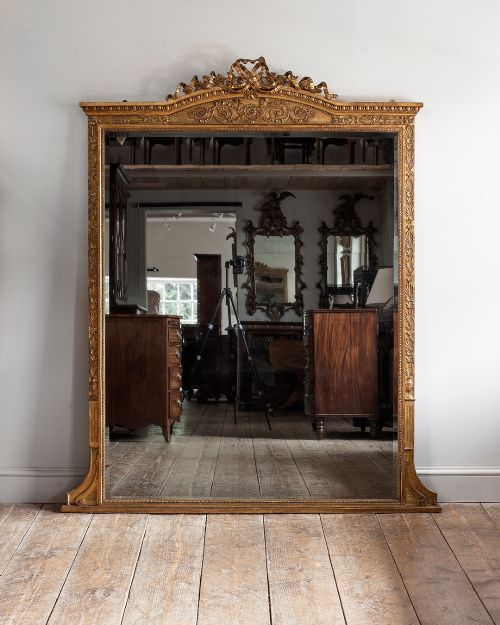
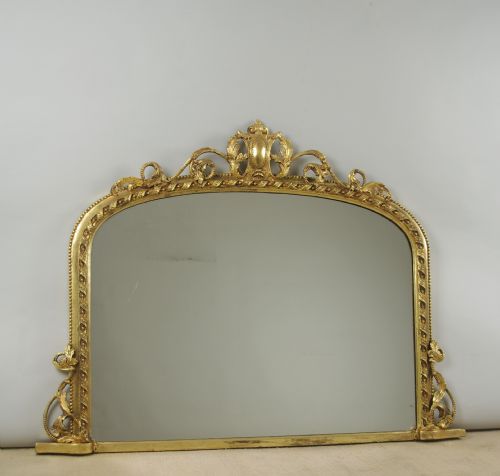
The dominant forms on this page are large overmantel mirrors featuring arched, shaped, or ribbed tops, alongside rectangular pier mirrors and wall mirrors. Many items originate from English workshops or French sources, utilising wood and gesso foundations.
Buyers seek these objects to anchor a room's interior scheme, utilising their scale and luminosity to amplify natural light and provide a distinct historical focal point.
How they were made
Traditional makers built these frames using timber bases such as mahogany, walnut, or softwood, upon which they applied layers of gesso to create smooth surfaces for carving and moulding. Artisans then laid thin sheets of gold leaf over size or applied composition ornaments to achieve the metallic lustre characteristic of the style.
Glass plates were silvered and fitted into the rebated frames, frequently exhibiting natural ageing such as foxing. Carved details like rope twists, columns, flowers, and scrollwork were shaped by hand or cast in composition material before gilding.
Traditional Gilt Mirror Retail Price Guide 2026
Typical asking prices for traditional gilt mirror among the pieces listed under this phrase on Sellingantiques today, from the lower quarter to the upper quarter. They describe what is for sale here now, not the wider market.
Listings feature nineteenth century Victorian and Regency pieces alongside Edwardian revivals, constructed from gesso, giltwood, and wood.
What varies in quality
The distinction between tiers of quality rests upon the crispness of the hand-carved detail and the depth of the underlying gesso moulding. Superior examples display sharply defined ornamentation and skilful application of gold leaf that catches the light evenly across the frame.
The integrity of the construction and the preservation of the original glass plate also dictate distinction, where undisturbed historic surfaces hold greater visual harmony than later replacements.
The Traditional Gilt Mirror Glossary
- Gesso
- A plaster-like mixture applied to wooden frame bases to provide a smooth surface for carving and gilding. This material allows for intricate relief decoration.
- Giltwood
- Timber that has been coated in gold leaf or gold-coloured finish. It forms the primary structural and decorative medium for these mirrors.
- Overmantel mirror
- A wide mirror specifically proportioned to hang on the wall directly above a fireplace mantel. These often feature arched tops to fit architectural spaces.
- Pier mirror
- A tall, narrow mirror designed to hang on the wall space between two windows. They frequently incorporate candle sconces or console tables beneath.
- Foxed glass
- Mirror glass that exhibits dark spots and speckles caused by the degradation of the backing over time. This process occurs naturally as moisture affects the silvering.
- Parcel gilt
- A decoration technique where only specific portions of an object are highlighted with gold leaf while other areas show exposed wood or paint.
Traditional Gilt Mirror: Frequently Asked Questions
How do I hang a heavy overmantel mirror?
Heavy overmantel mirrors require secure wall fixings anchored directly into structural studs or masonry using heavy-duty brackets. Professional installation ensures the substantial weight of the timber and glass frame is safely supported.
Positioning the mirror at the correct height above the fireplace mantel balances the proportions of the chimney breast and protects the frame from excessive direct heat.
What is foxed glass on an antique mirror?
Foxed glass refers to the speckled, mottled dark spots that appear across the reflective surface as the silver backing ages and oxidises. This natural patina develops over decades through exposure to atmospheric humidity.
Many collectors value original foxed glass because it confirms the age of the piece and provides a softer reflection than modern manufacturing methods.
How do I clean a giltwood frame?
Giltwood frames require gentle dusting with a soft, dry brush to remove surface debris without disturbing the delicate gold leaf layer. Moisture and chemical cleaning agents can strip the historic gilding and damage the gesso beneath.
Careful maintenance preserves the fragile metallic surface and prevents the underlying composition ornaments from softening or detaching.
How can I tell a Victorian mirror from a Regency one?
Regency mirrors frequently exhibit classical architectural motifs like columns, boll ornaments, and convex or pier glass formats dating from the early nineteenth century. Victorian examples often present heavier proportions, elaborate arched tops, and robust gesso relief work characteristic of later decades.
Examining the construction joints, timber types, and the composition of the frame backing helps clarify the specific period of manufacture.