

Ornate Gilt Wall Mirror
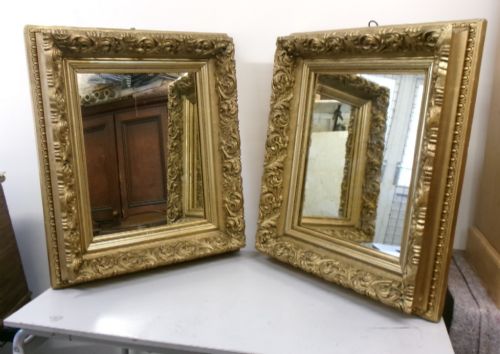
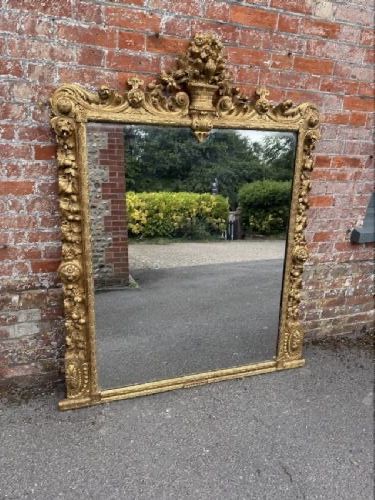
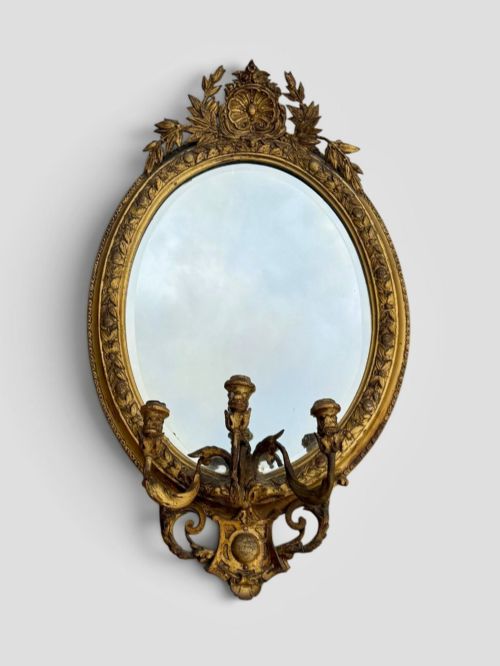
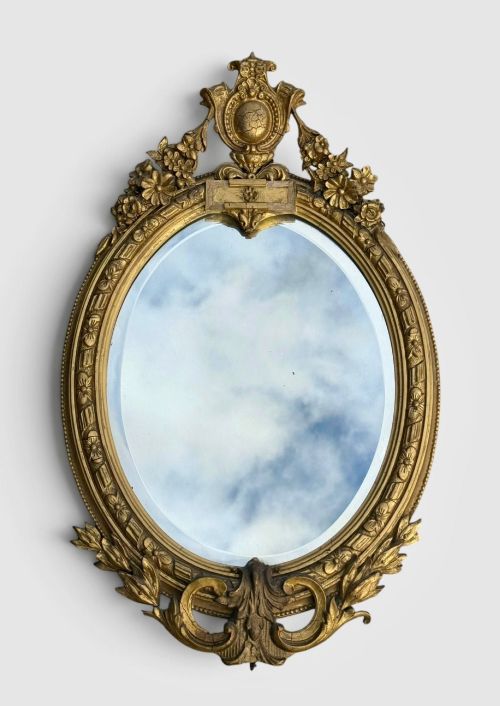
An ornate gilt wall mirror brings warmth and reflective depth to a room through intricately carved surfaces and glowing metallic finishes.
Ornate gilt wall mirror styles and forms
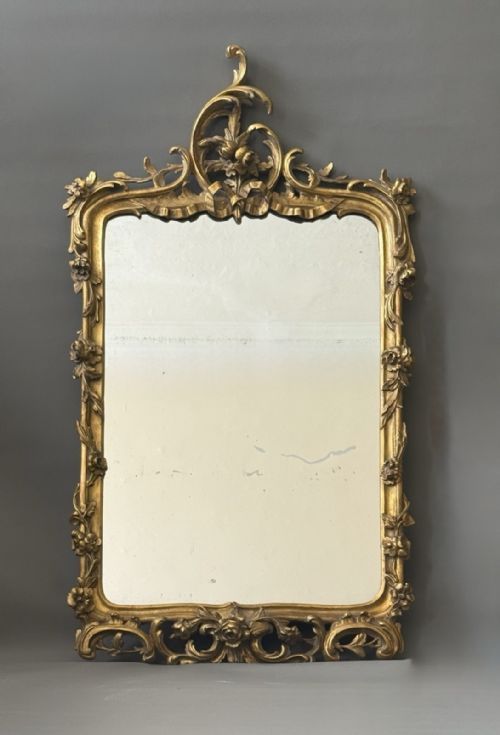
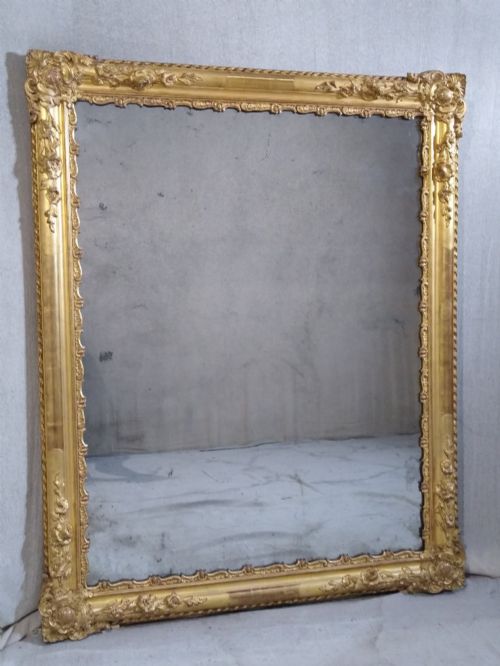
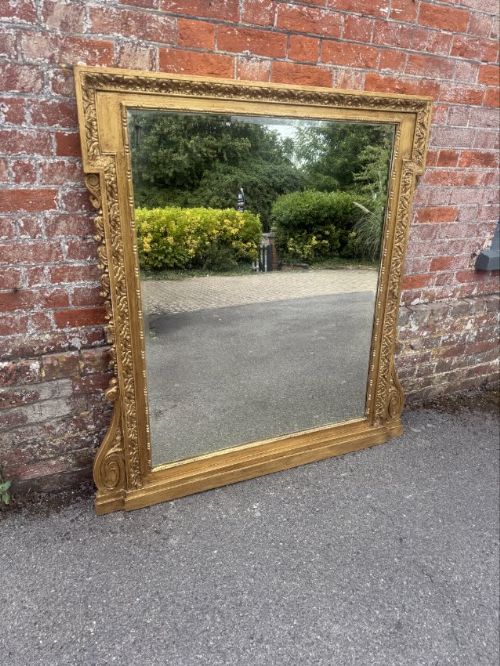
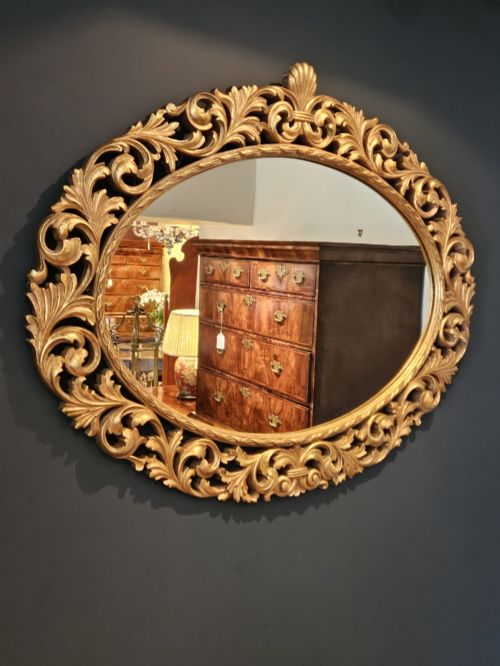
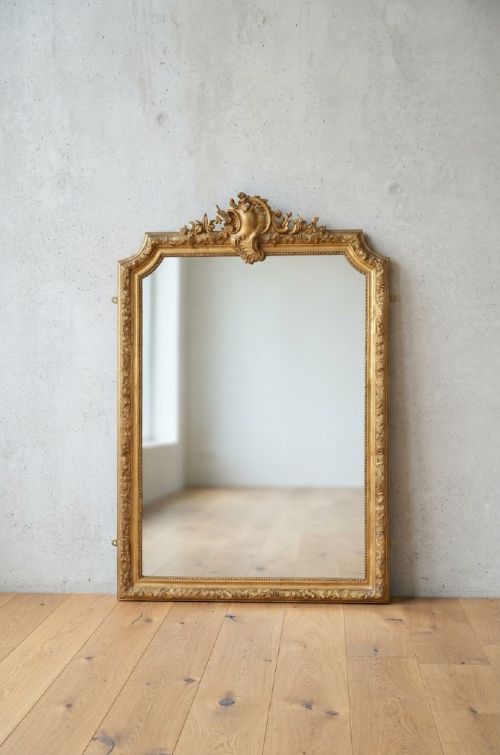
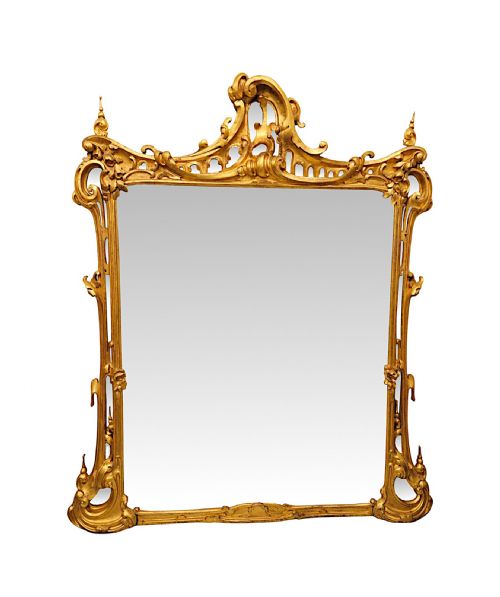
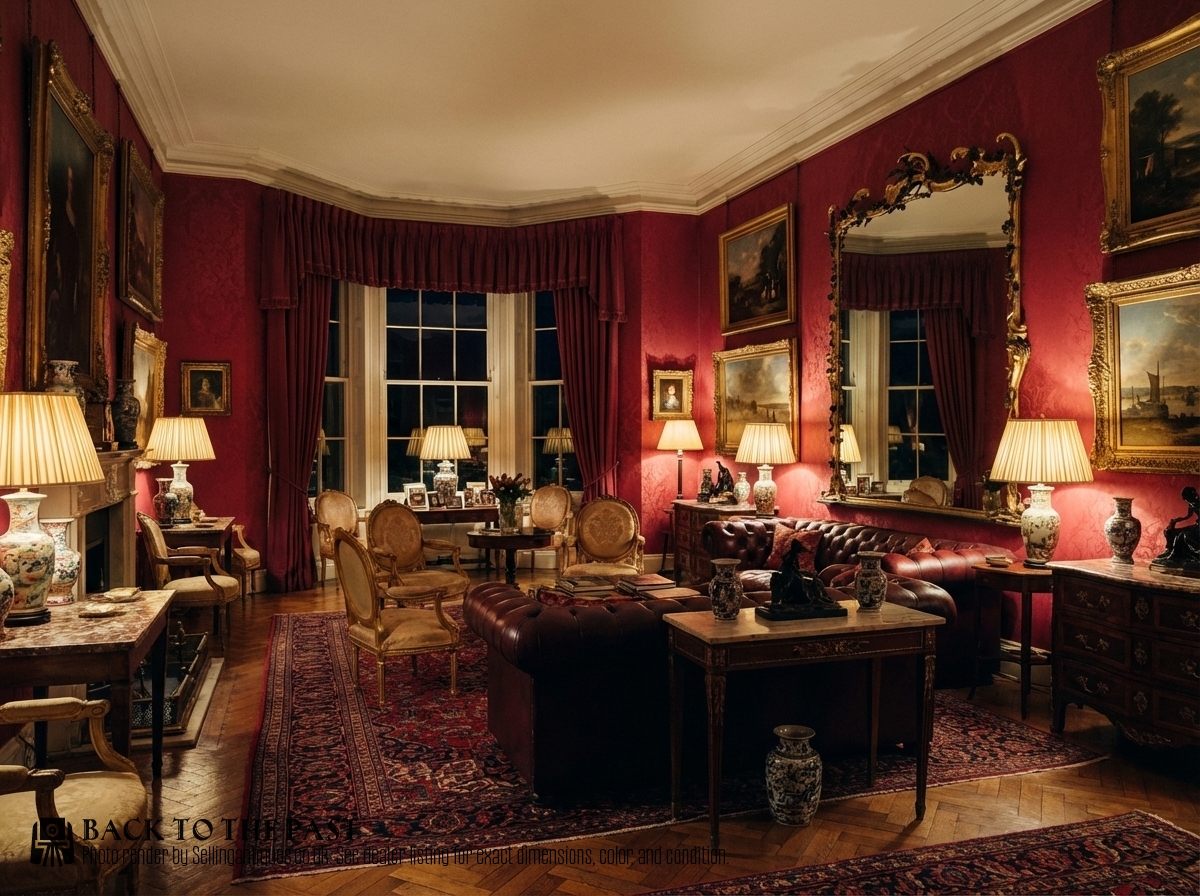
When you search for an ornate gilt wall mirror, you encounter pieces designed to anchor a room, frequently hung above fireplaces or along principal walls. The selection spans distinct historical periods, featuring 18th Century Chippendale designs alongside robust 19th Century Victorian and French pieces.
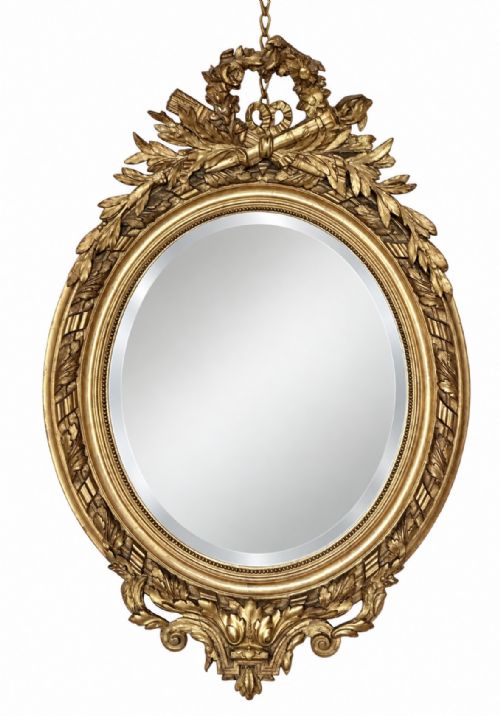
Overmantel mirrors dominate the available forms, constructed specifically to sit wide above a mantelpiece with arched, shaped, or rectangular tops. Oval formats and cushion mirrors with ornament shelves also appear, providing variation in shape while retaining rich decorative frames.
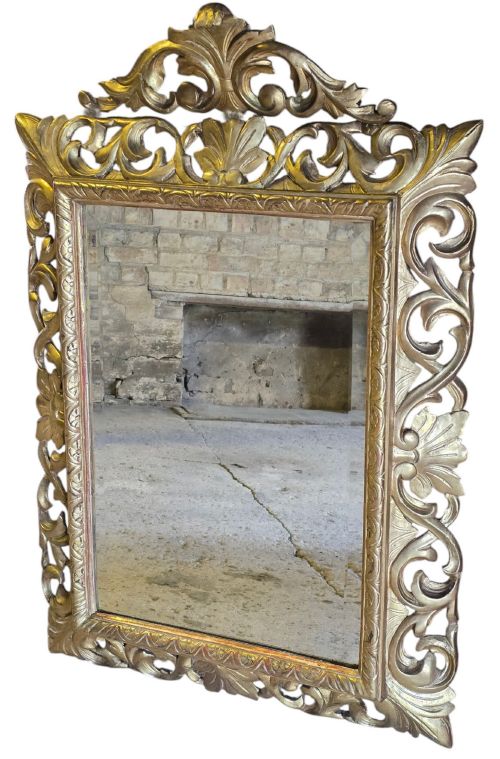
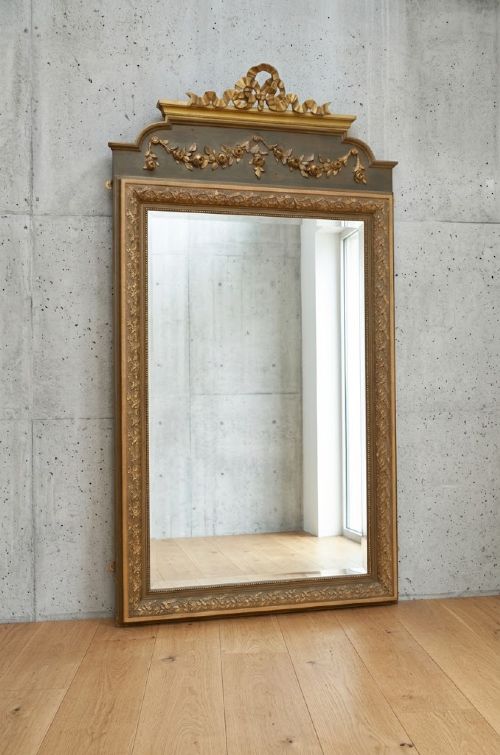
Origins stretch across English, French, and Italian workshops, bringing regional variations in moulding styles from floral carvings to dramatic crests and dragons. These objects function as statement pieces, combining functional glass with heavy decorative frames.
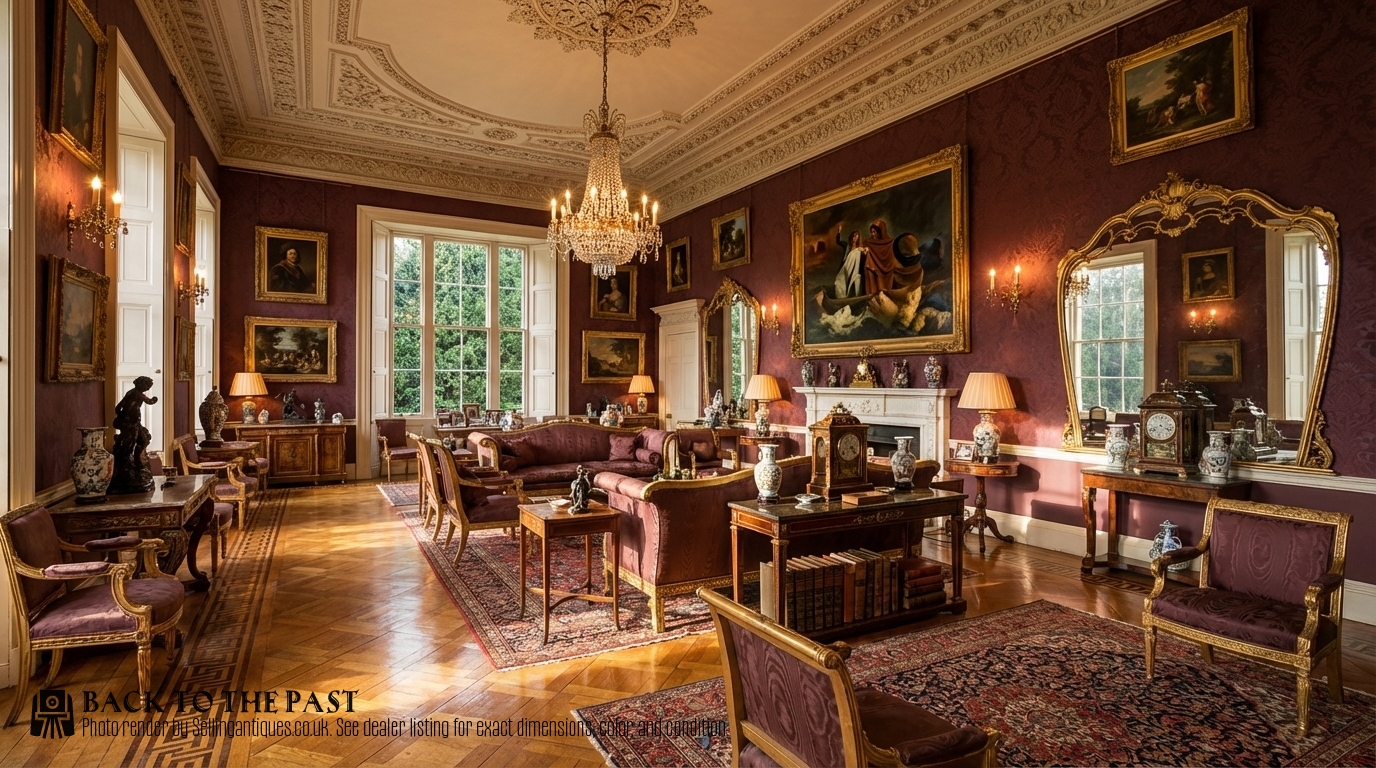
Construction and materials
Frames rely on carved wood or moulded gesso applied over a wooden base, providing the heavy relief required for elaborate scrolls, flowers, and crests. Artisans then applied gold leaf to the prepared surfaces, creating a luminous finish that catches natural and artificial light.
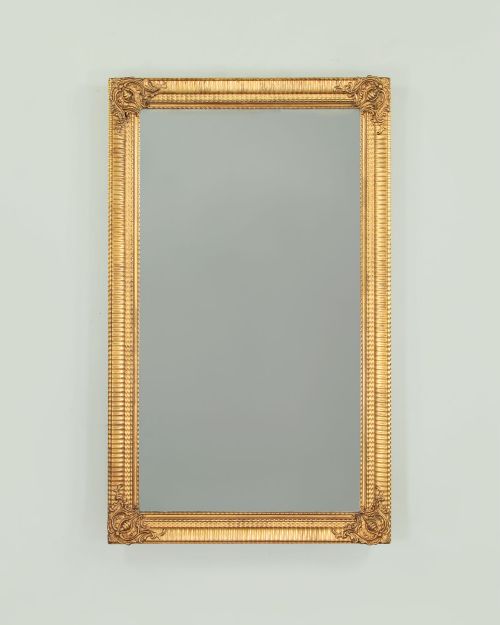
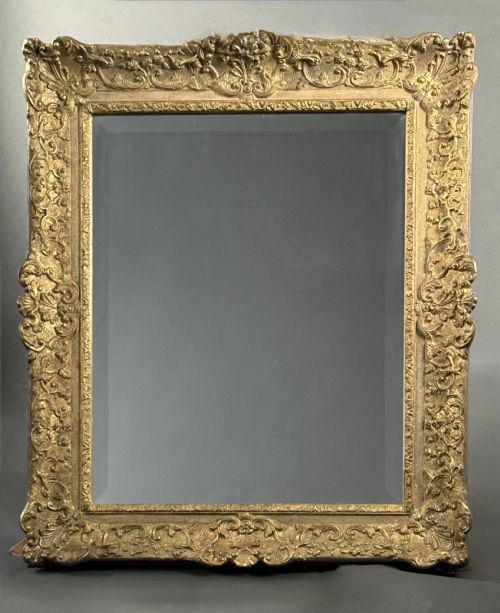
Mirror glass varies from flat plates to bevel-cut examples, sometimes accompanied by silvered borders or integrated ornament shelves. Joinery and carving techniques reflect the period of origin, from hand-carved Chippendale woodwork to moulded Victorian gesso decorations.
Retail Price Guide 2026
Typical UK retail prices for ornate gilt wall mirror, calculated from the Sellingantiques database of over a million retail prices indexed since 2003. This retail price guide relies exclusively on Sellingantiques data; no external sources or auction records are used, so the figures do not describe the wider market.
Some frames conceal hidden wooden pins and aged backing boards that have held French and English glass in place for over a century.
Assessing quality in gilt mirrors
Quality rests in the crispness and depth of the carving or gesso moulding, where superior examples exhibit sharp relief and hand-finished detail rather than soft, uniform contours. The skill of the artisan dictates how convincingly floral motifs, scrolls, and crests are rendered across the frame.
The application of gold leaf and the preservation of the original gilt surface dictate the visual impact of the piece. Superior mirrors maintain harmonious ageing across the metallic leaf and the underlying wood or gesso, while glass quality is demonstrated by clear, heavy plates with precise bevelling.
The Ornate Gilt Wall Mirror Glossary
- Giltwood
- Wood that has been coated with thin sheets of gold leaf. This material forms the primary structure of many high-status frames.
- Gesso
- A plaster-like mixture applied to wood frames and carved or moulded into intricate shapes before gilding. It allows for deeply reliefed decorative ornamentation.
- Overmantel mirror
- A large mirror specifically proportioned to hang on the wall directly above a fireplace mantel. These pieces often feature wide rectangular or arched formats.
- Bevelled glass
- Glass with edges cut and polished to an angle less than ninety degrees. This creates a framed prismatic effect around the periphery of the reflective plate.
- Rococo Revival
- A 19th-century design style emulating the 18th-century Rococo movement with asymmetrical scrolls, shell motifs, and naturalistic curves.
Frequently Asked Questions
Where should an overmantel mirror be hung?
An overmantel mirror traditionally hangs centrally above a fireplace mantelpiece, anchored securely to the wall to support its substantial weight. The wide proportions of these frames allow them to balance the horizontal span of the hearth below.
Positioning the glass to reflect natural light from windows helps brighten the room. Ensuring proper wall fixings is essential given the heavy timber and gesso construction of these pieces.
How do I identify a Victorian gilt mirror?
Victorian gilt mirrors often feature robust gesso moulding, floral carvings, and arched or rectangular frames associated with 19th-century British aesthetics. Stylistic markers include Rococo Revival scrolls and heavy crests.
Examining the backboards, fixings, and the composition of the gesso helps confirm the 19th-century origin. English and French pieces from this era frequently employ heavy wooden carcasses beneath the gilded surface.
What is the difference between giltwood and gesso?
Giltwood consists of solid wood carved directly and then gilded with gold leaf, while gesso involves applying a plaster mixture over a wooden base to take detailed moulds. Both receive gold leaf finishes but differ in their underlying structure.
Carved wooden frames generally indicate higher production costs and greater depth in the ornamentation. Gesso allows for intricate, repetitive floral and scroll motifs typical of 19th-century frames.
How do I care for antique gilt frames?
Antique gilt frames require gentle dusting with a soft, dry brush to protect the delicate gold leaf and underlying gesso or wood. Moisture and harsh cleaning chemicals must be avoided entirely to prevent lifting the metallic leaf.
Positioning the mirror away from direct sunlight and damp environments preserves the stability of the wood and the brilliance of the gilding over time.