
Rectangular Gold Mirror
A rectangular gold mirror anchors a room through its metallic warmth and vertical or horizontal geometry.
Rectangular Gold Mirror
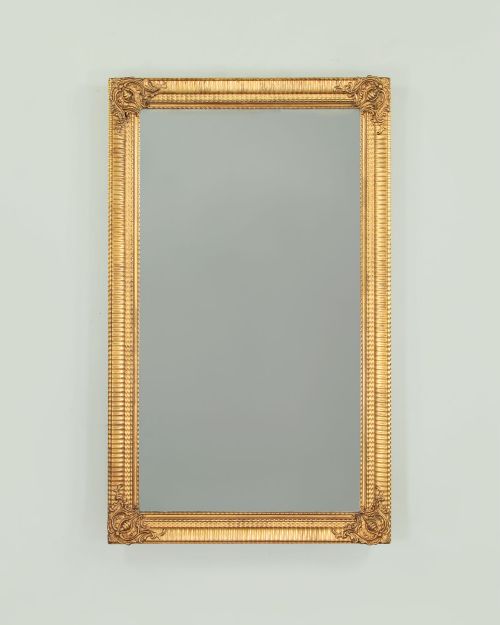
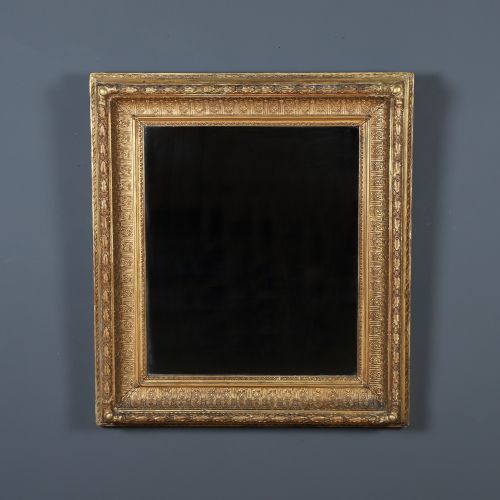
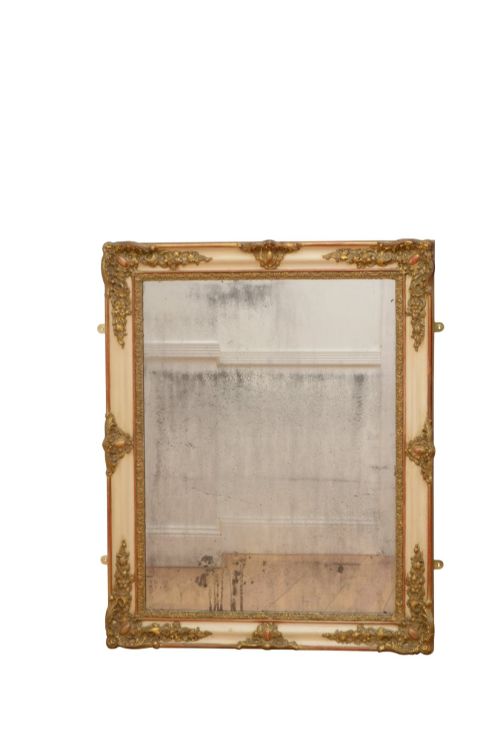
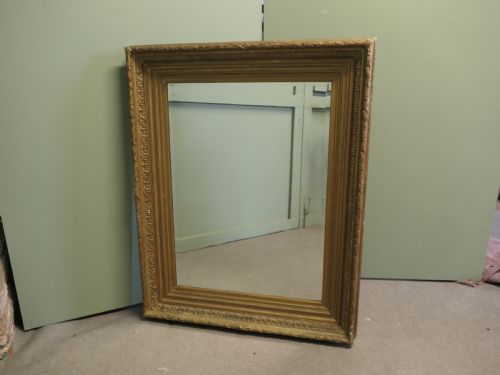
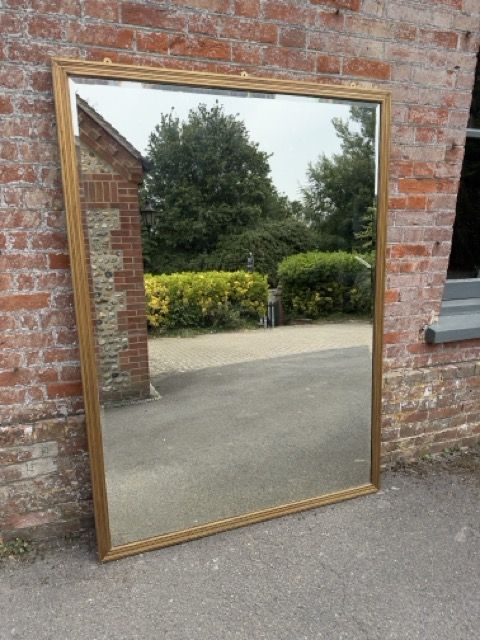
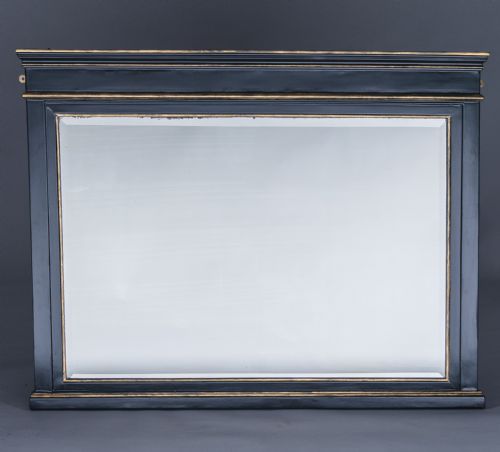
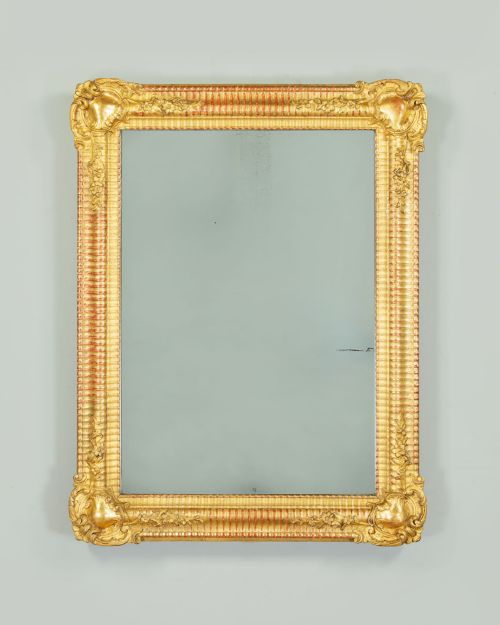
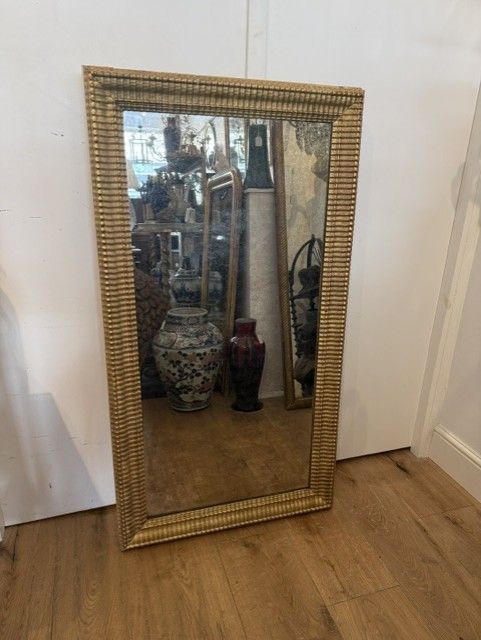
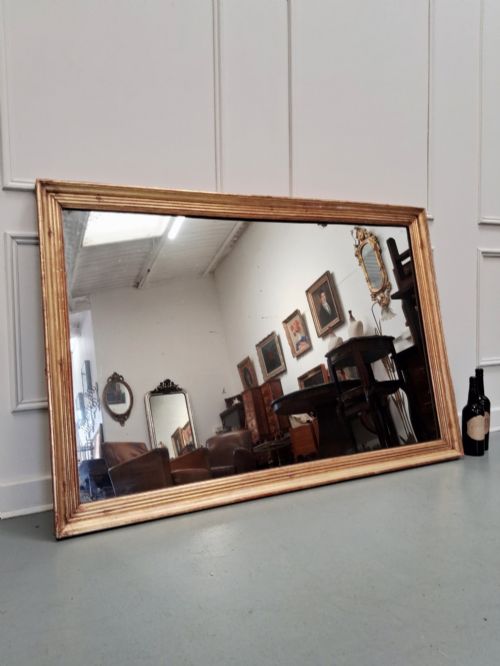
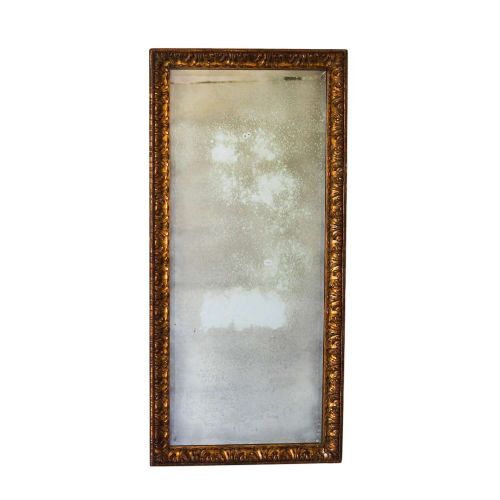
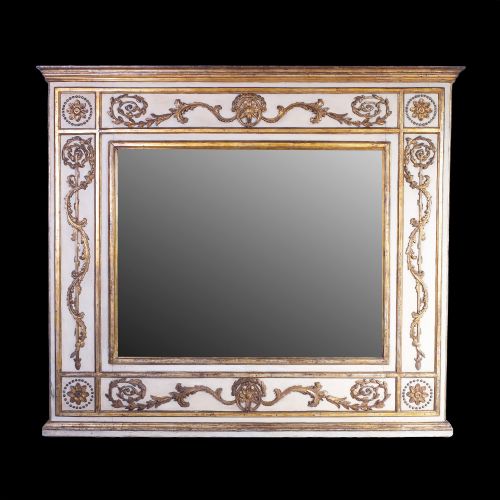
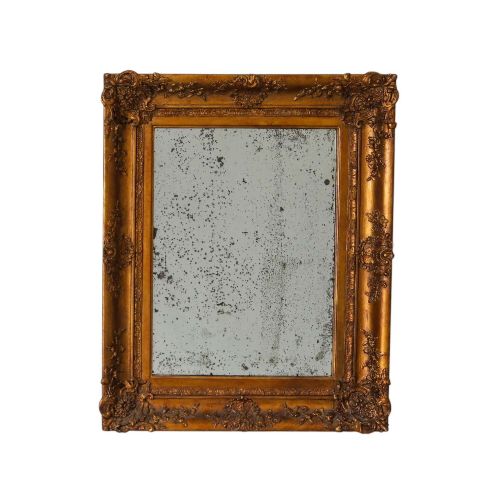
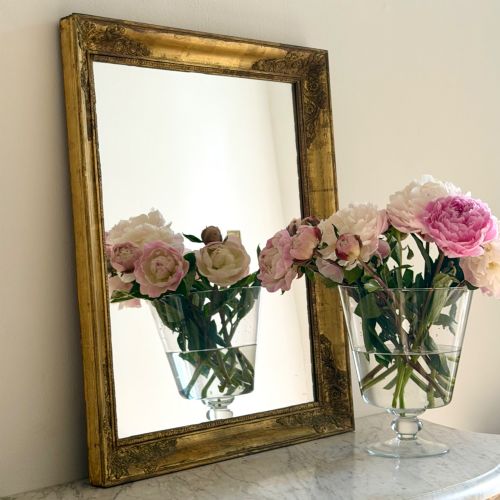
A rectangular gold mirror is a functional furnishing designed to reflect light and space while adding a metallic finish to an interior. The pieces gathered under this search phrase span the nineteenth century and early twentieth century, taking the form of wall mirrors, overmantels, pier mirrors, and leaner mirrors.
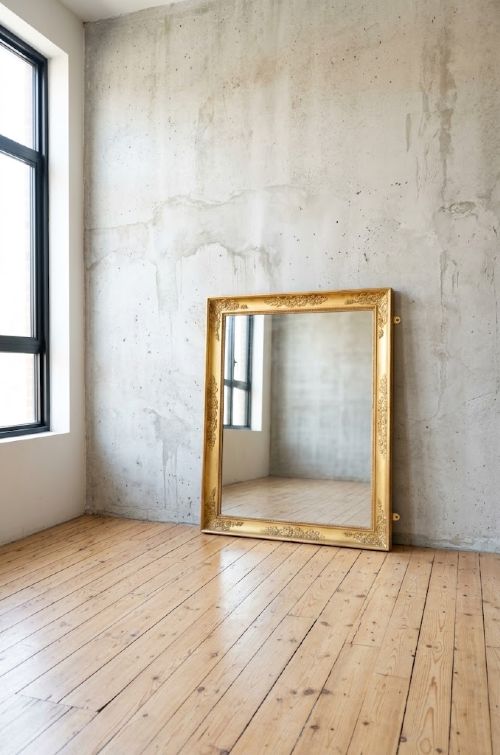
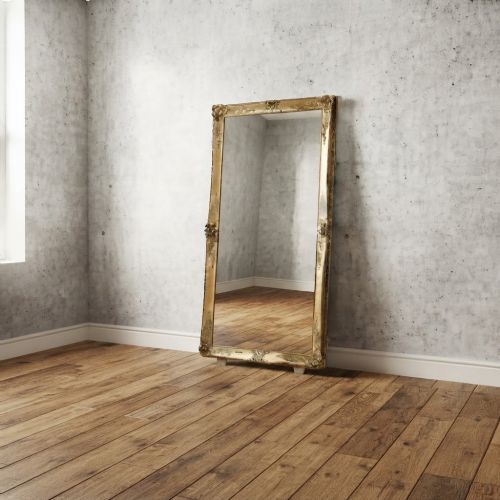
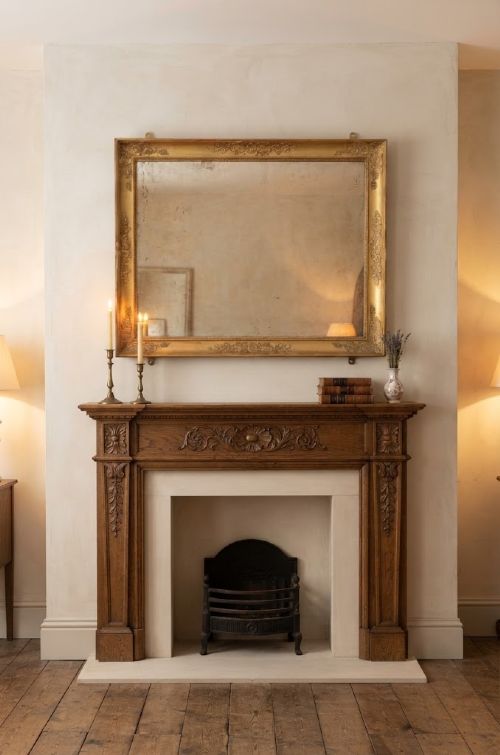
The version you are most likely to meet on this page is a nineteenth-century French or English piece, often bearing a giltwood or gesso frame. These include grand overmantel mirrors meant for hanging above a fireplace and tall leaner mirrors designed to stand against a wall.
Origins represented in these listings include French chateau and bistro styles alongside English Victorian and Regency examples. Makers and artisans of these periods employed classical, neoclassical, rococo, and Napoleon III design vocabularies.
How they were made
Frames were constructed primarily from wood, such as timber or ebonised wood, then coated with gesso to create a smooth, pliable surface for carving. Artisans applied intricate mythological and floral carvings directly into the wooden or gesso layers before finishing.
Gilding techniques involved the application of gold leaf or oil gilt to achieve the characteristic metallic sheen seen across the frames. Mirror glass plates were set within these rebated frames, with surviving examples sometimes retaining foxed plates or incorporating new glass.
Listings feature periods spanning from the early nineteenth century through to the early twentieth century, utilising giltwood, gesso, ebonised wood, and brass.
What varies in quality
Quality rests in the depth and crispness of the hand-carved ornamentation upon the gesso and wood frame. Skilled carving produces sharp relief in floral and mythological motifs, whereas lesser examples show softer, shallower detailing.
The integrity of the gilding and the preservation of the original mirror glass plate dictate the upper tier of the range. Uniform application of gold leaf and genuine age in the reflective plate distinguish finer production from heavier, more utilitarian frames.
The Rectangular Gold Mirror Glossary
- Giltwood
- Wood that has been coated with a thin layer of gold leaf or gold paint. This technique provides the bright, metallic finish characteristic of period frames.
- Gesso
- A plaster-like mixture applied to wood frames to create a smooth surface for carving and gilding. It allows for intricate moulded details and relief work.
- Overmantel Mirror
- A large mirror specifically proportioned to hang on the wall above a fireplace mantelpiece. These pieces often feature horizontal formats designed to span the width of the hearth.
- Pier Mirror
- A tall, narrow mirror designed to hang on the wall space between two windows, known as a pier. They frequently match the vertical proportions of the architectural gap they occupy.
- Foxed Plate
- Mirror glass showing spots of oxidation and discoloration due to age and moisture penetration behind the glass. Collectors value this patination as a sign of authenticity.
Rectangular Gold Mirror: Frequently Asked Questions
Where should I hang a rectangular gold mirror?
These mirrors suit placement above a fireplace mantel, in a hallway, or leaned against a bedroom wall.
Horizontal formats work well above sideboards or seating, while tall vertical versions expand the perceived dimensions of smaller rooms.
How do I date a nineteenth-century gold mirror?
Dating relies on examining the construction of the wooden frame, the composition of the gesso, and the style of the carving.
French Napoleon III and English Victorian examples often incorporate specific decorative motifs and assembly techniques typical of their respective decades.
What is the difference between an overmantel and a wall mirror?
An overmantel mirror is specifically scaled to sit above a fireplace mantel, generally featuring a wider horizontal format.
Standard wall mirrors are built in various proportions for general placement across any room.
Can I replace the original glass in an antique mirror?
Glass can be replaced if the original plate is broken or too degraded for reflection, though many buyers prefer retaining aged glass.
New glass provides a clear reflection while historic foxed plates offer period character.