
Vintage Mantle Mirror
A vintage mantle mirror brings architectural scale to a room, offering grand frames and aged glass that reflect light across period interiors.
What They Are
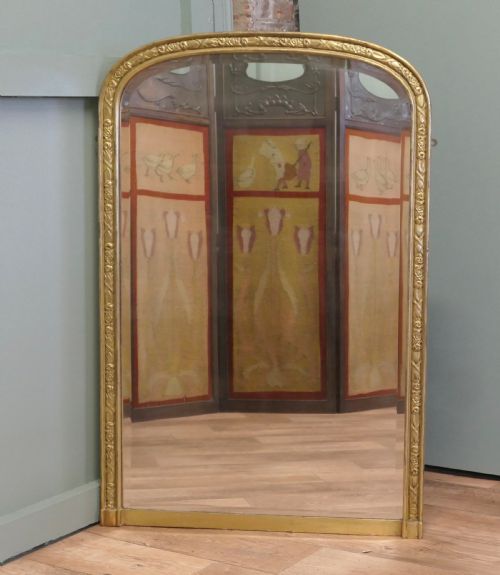
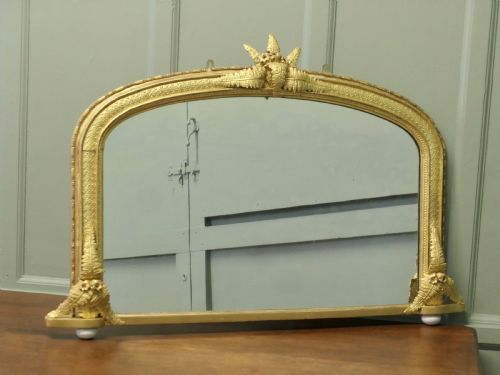
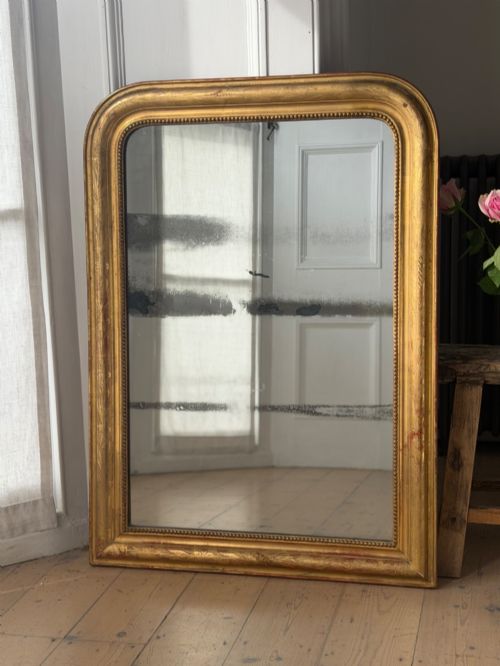
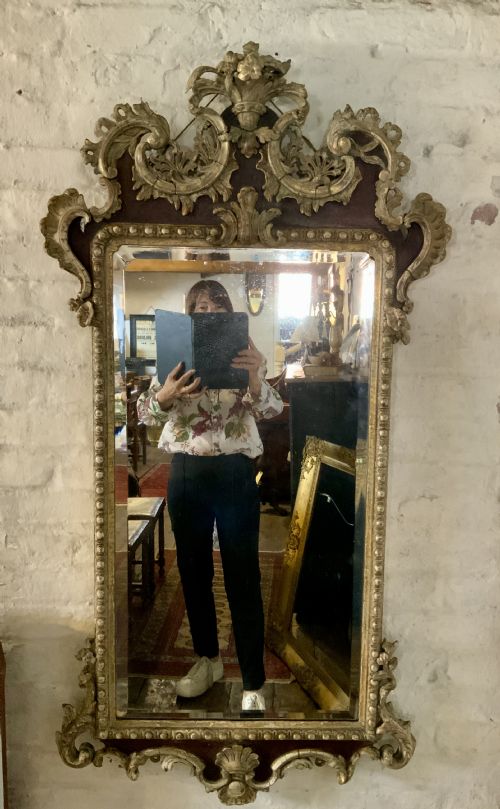
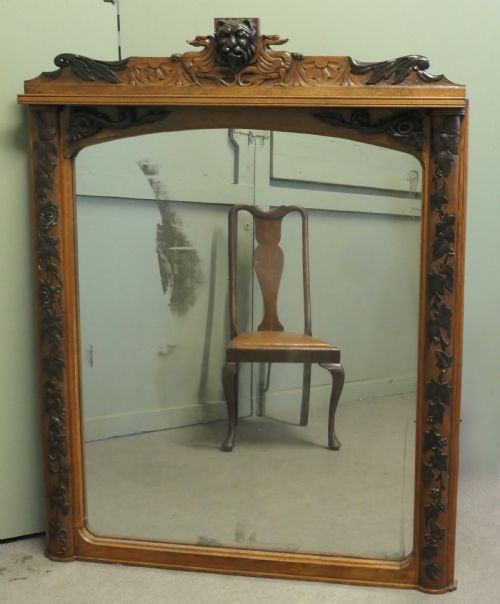
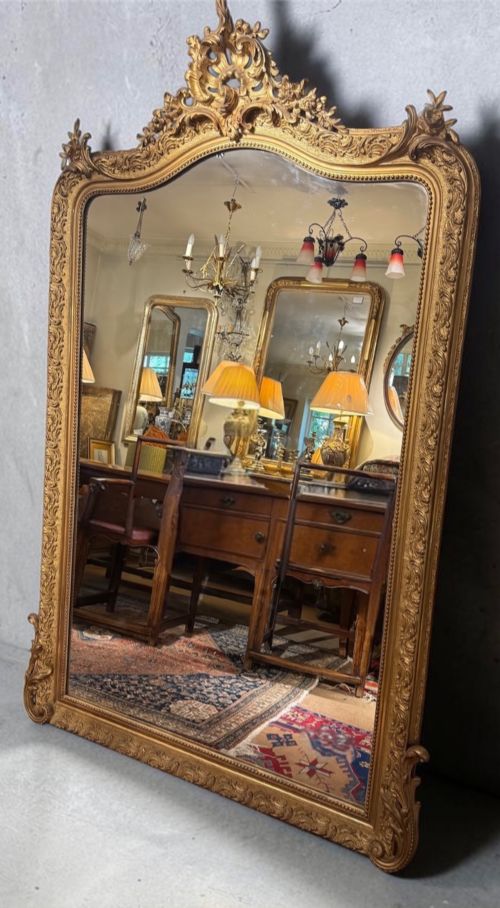
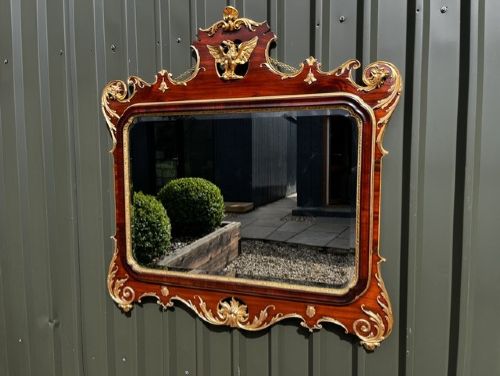
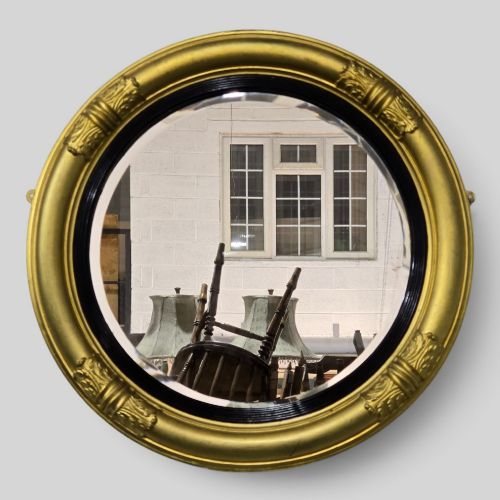
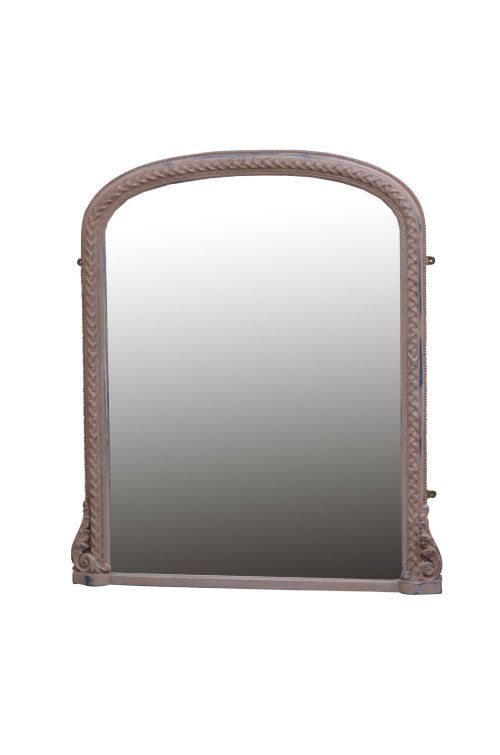
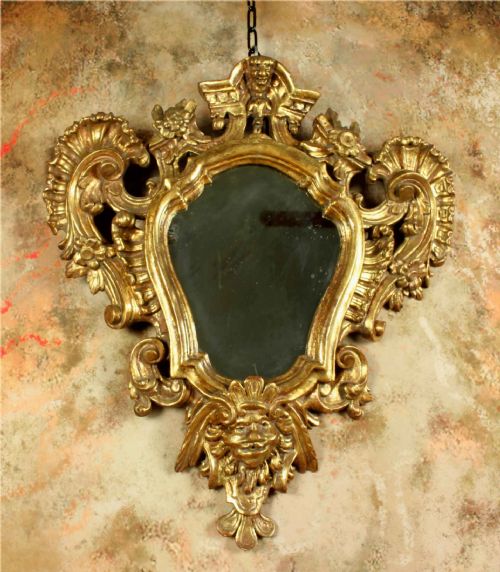
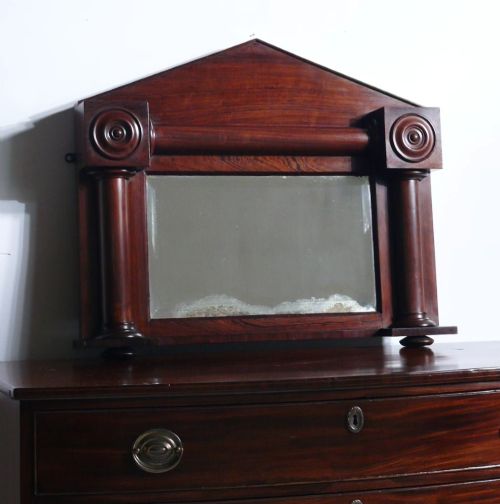
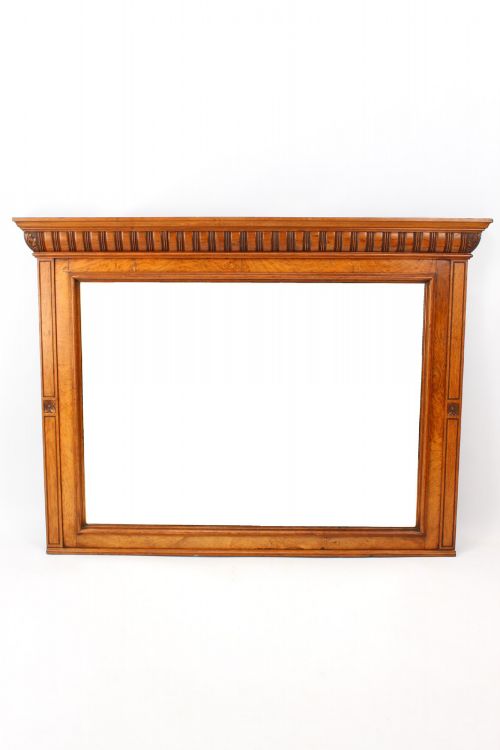
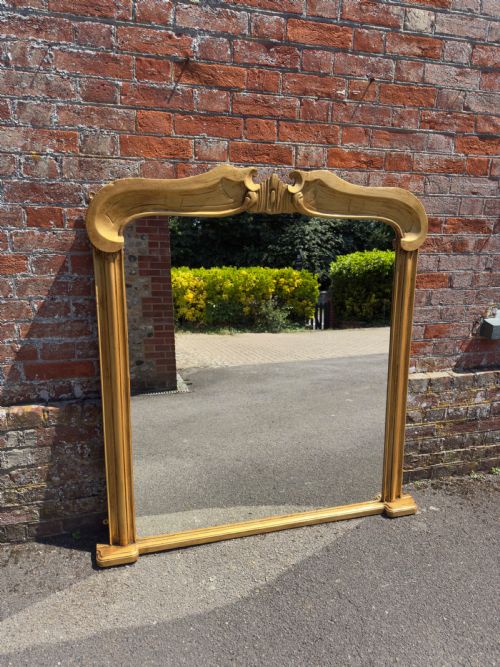
When you search for a vintage mantle mirror, you are looking at large architectural looking-glasses designed to sit above a fireplace, though many find a second life hung directly on a wall. The examples seen here predominantly take the form of overmantel mirrors alongside occasional wall mirrors.
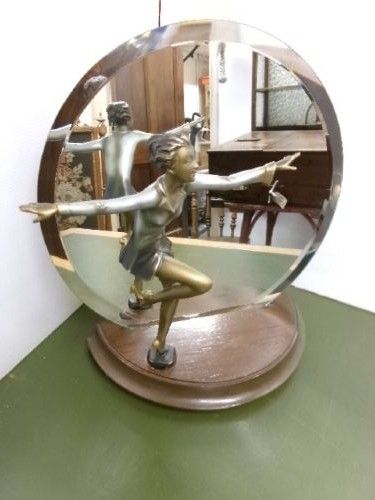
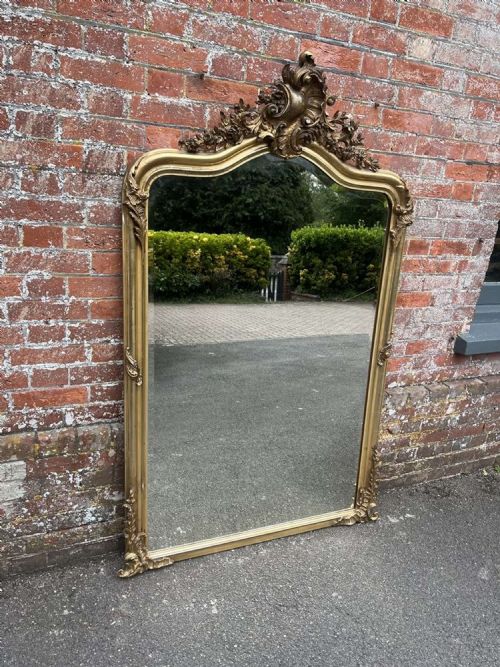
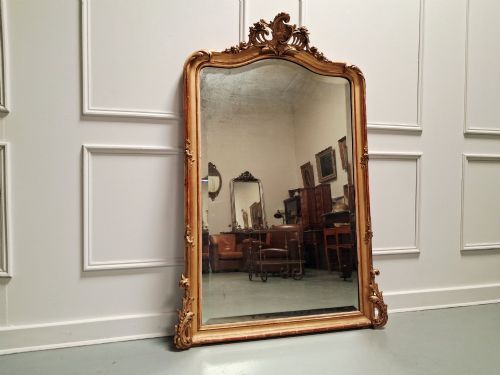
The pieces on this page span the nineteenth century up to 1930, capturing Victorian, Louis Philippe, French Chateau, Art Deco, Grand Regency, and Regency styles. These objects originate from diverse periods including 1860, 1870, and 1930, showing how makers adapted proportions for period reception rooms.
You are most likely to meet substantial overmantel formats built to command the horizontal space above a chimney breast. Their considerable glass area and heavy frames distinguish them from standard domestic wall looking-glasses.
How They Were Made
Makers constructed these frames from solid timbers including mahogany, rosewood, and ebonised wood, often building up complex mouldings and carved details. Woodwork formed the structural skeleton capable of supporting heavy plates of glass.
Surfaces received elaborate decorative treatments such as gesso applied beneath layers of silver leaf, gold leaf, and giltwood. Painters also applied pigment directly to surfaces, combining painted elements with silvered or gilt finishes.
Retail Price Guide 2026
Typical UK retail prices for vintage mantle mirror, calculated from the Sellingantiques database of over a million retail prices indexed since 2003. This retail price guide relies exclusively on Sellingantiques data; no external sources or auction records are used, so the figures do not describe the wider market.
Materials recorded across the archive include ebonised wood, mahogany, rosewood, and reflective silver leaf.
What Varies in Quality
The distinction between ordinary and exceptional pieces lies in the ambition of the frame construction and the depth of the carving. Hand-carved wooden ornament and crisp gesso work demonstrate superior craftsmanship compared to simpler moulded decoration.
The treatment of the finish plays a major role in visual impact, with genuine gold leaf and layered silver leaf ageing with a softer lustre than basic metallic paints. The integration of the mirror plate within its rebated frame also indicates the maker's care.
The Vintage Mantle Mirror Glossary
- Overmantel mirror
- A large looking-glass specifically proportioned to hang on the wall directly above a fireplace mantelpiece. These pieces often feature horizontal expanses designed to balance the width of a hearth.
- Giltwood
- Timber carved and coated with gold leaf or metallic powder over a prepared gesso ground. This technique creates a luminous surface that catches low room light.
- Ebonised wood
- Timber treated with chemical stains or dark finishes to imitate costly ebony. It provides a stark, dark contrast against gilded details.
- Gesso
- A plaster-like mixture applied to wood frames to create a smooth base for carving or gilding. It allows for crisp, intricate relief ornament.
- Louis Philippe
- A French style spanning the mid-nineteenth century characterised by restrained curves and softer classical ornamentation. These frames often feature rounded top corners.
Frequently Asked Questions
How do I hang a heavy overmantel mirror?
These pieces require robust wall fixings secured directly into masonry or substantial timber studs behind the plaster. Because of their considerable weight, professional installation using split battens or heavy-duty brackets is standard practice.
Ensure the hanging wire or integrated D-rings are rated for the total weight of the frame and glass plate. Distributing the load evenly prevents structural twisting over time.
How do I clean antique mirror glass?
Use a soft, dry microfiber cloth to gently remove dust from the glass surface without applying excessive pressure. Avoid spraying liquid cleaner directly onto the glass, as moisture can seep behind the silvering and cause dark spots.
If cleaning fluid is necessary, apply a small amount to the cloth rather than the mirror itself. Take care around the edges where the original backing may be fragile.
What defines an Art Deco mantle mirror?
Art Deco pieces from the 1930s favour clean geometric lines, stepped frames, and elongated horizontal proportions over ornate nineteenth-century carving. They often dispense with heavy foliage in favour of sleek, streamlined forms.
The glass itself may feature cut or bevelled sections arranged in symmetrical patterns. These mirrors reflect the modernist design shifts of the interwar period.