

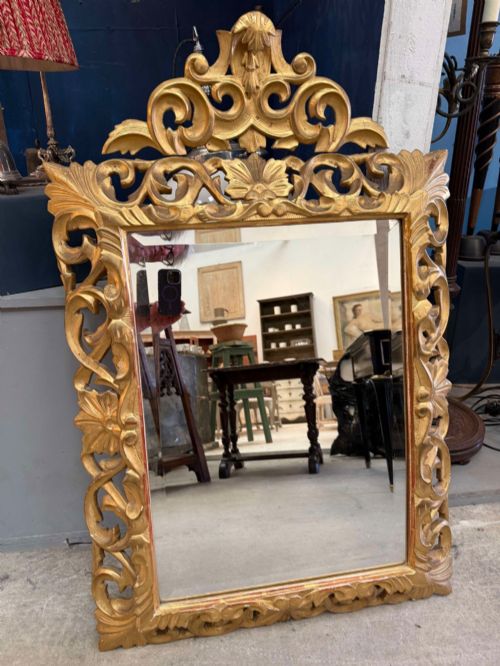
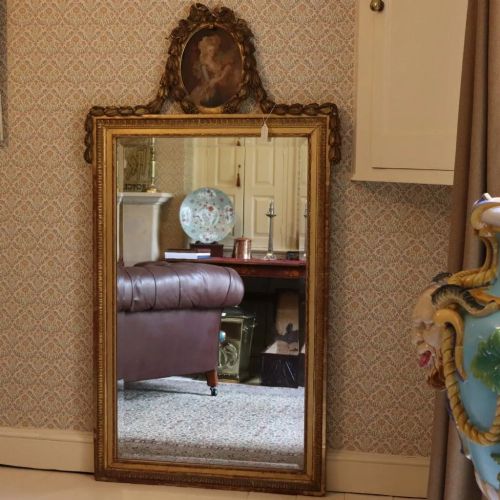
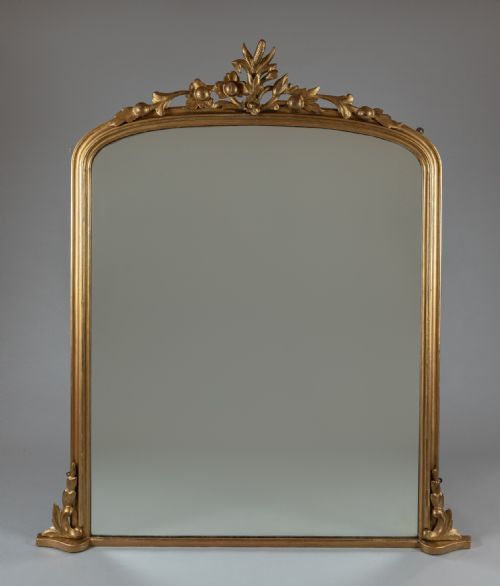
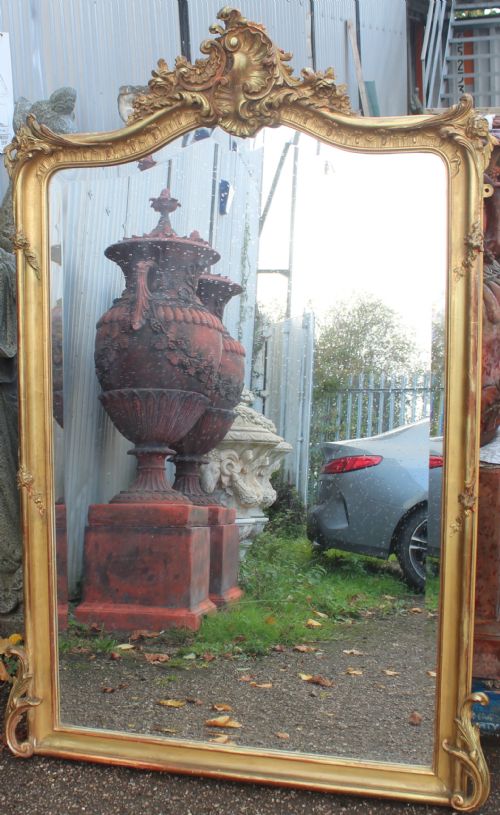


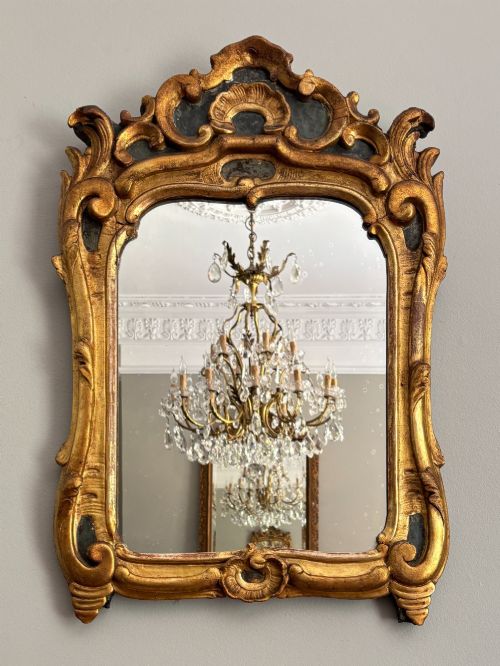
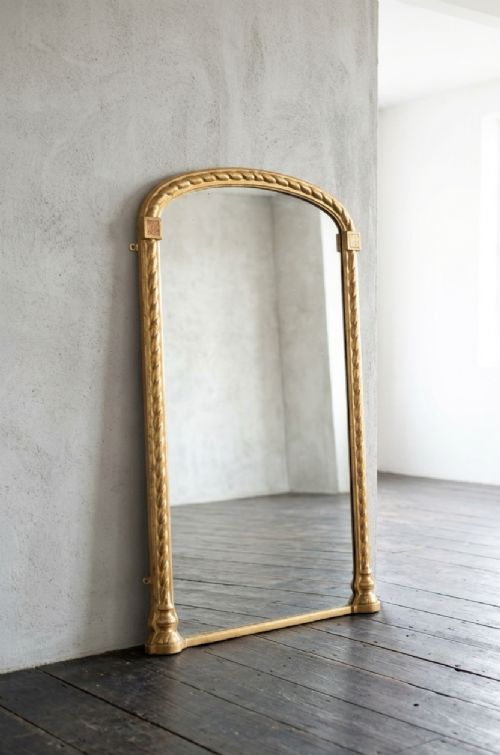
Carved Gold Leaf Mirror
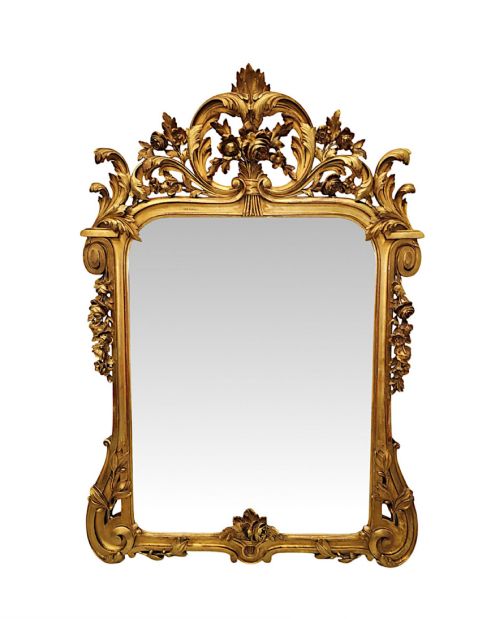
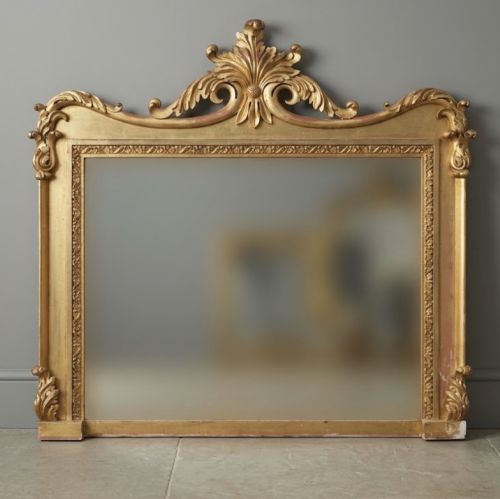
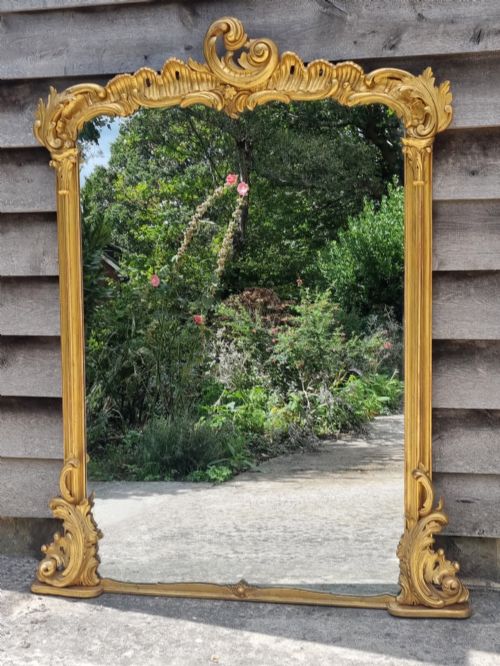
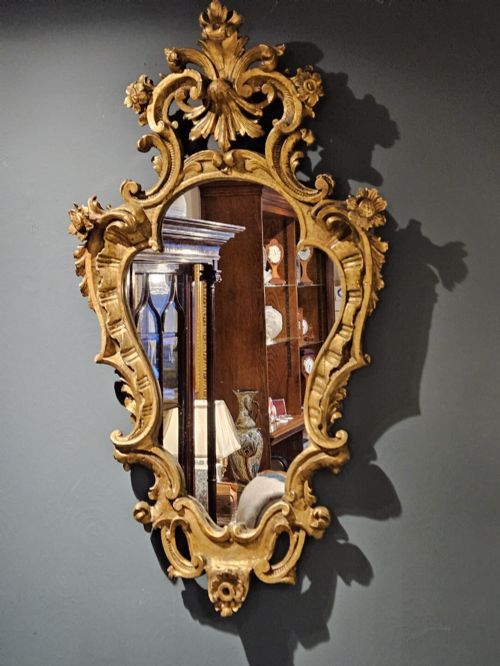
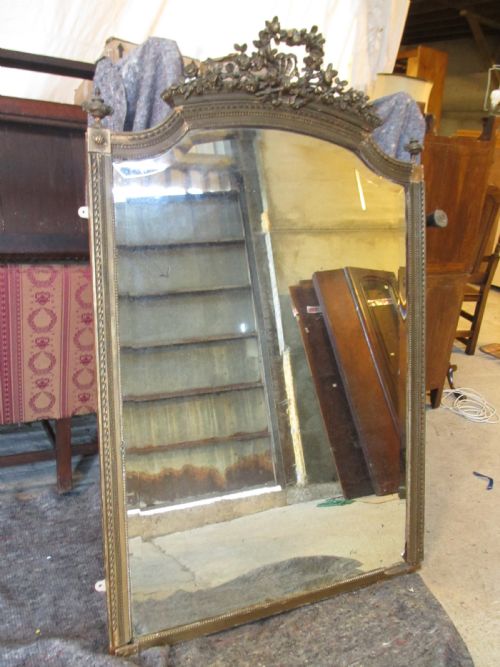
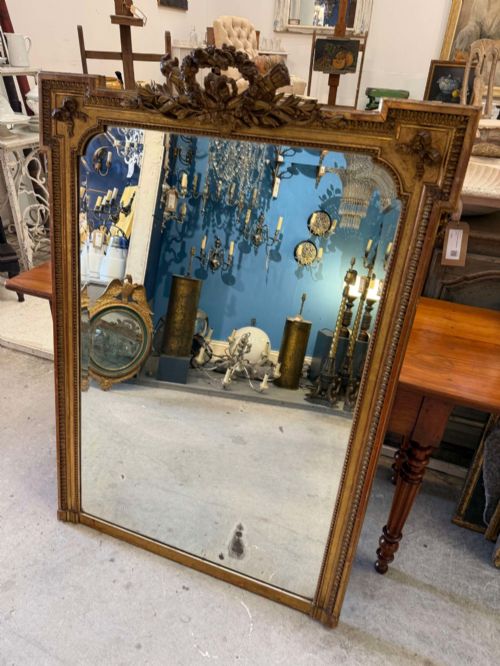
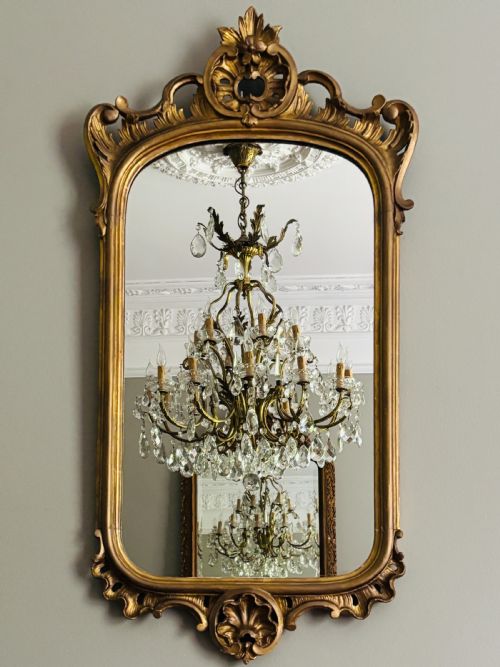
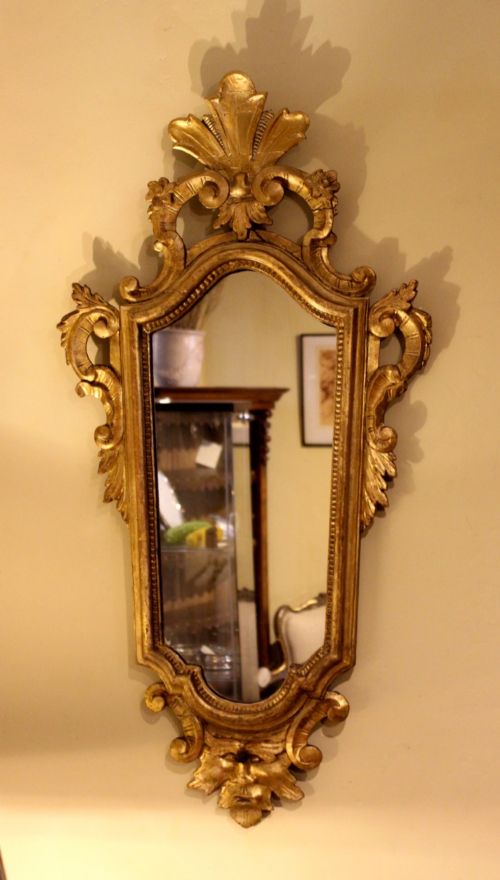
These pieces of carved gold leaf mirror catch the light and the room, bringing depth and period presence to a wall.
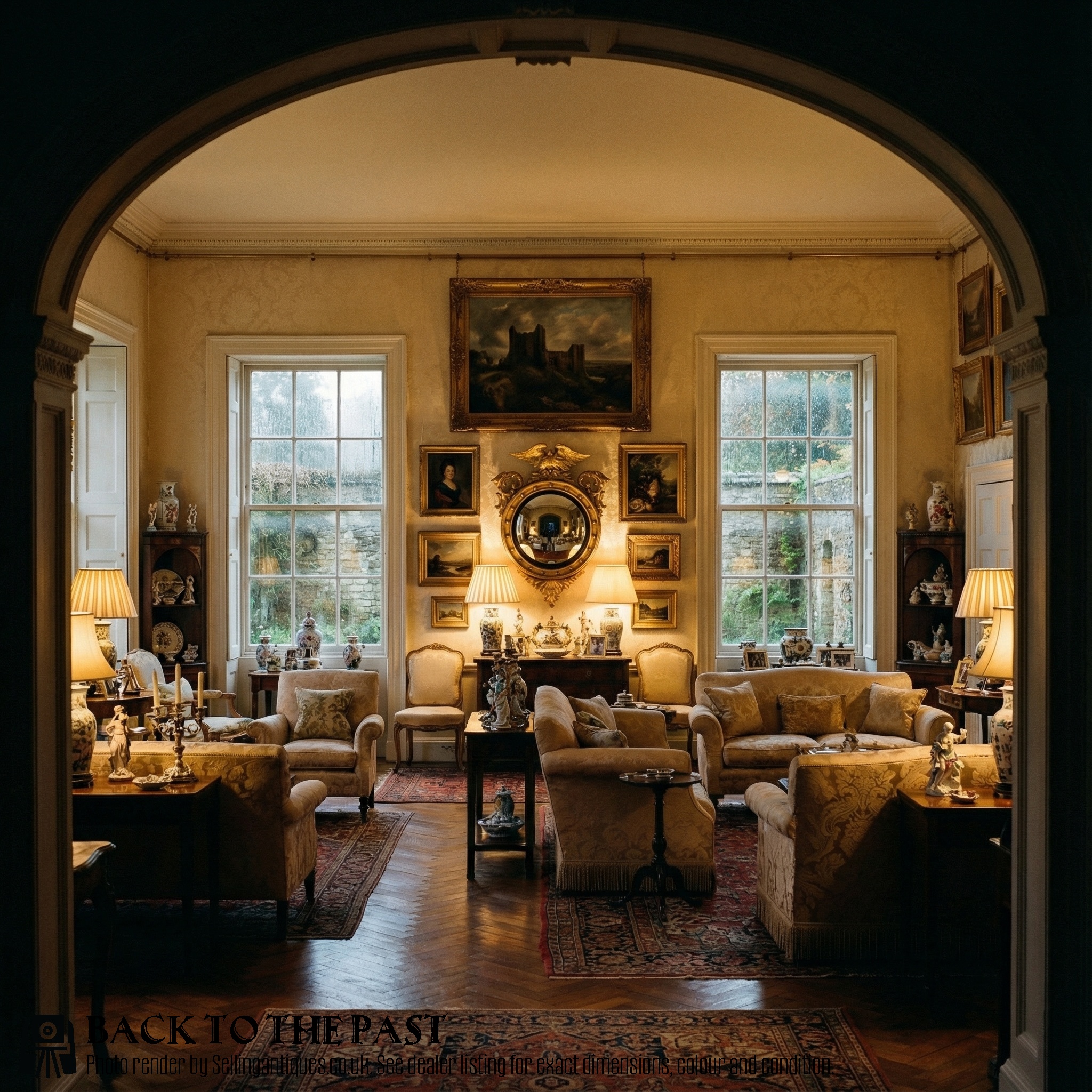
Carved Gold Leaf Mirror
A carved gold leaf mirror spans centuries of craftsmanship, appearing as grand overmantels, tall pier glasses, and smaller wall pieces. Buyers searching for a carved gold leaf mirror frequently encounter examples from the nineteenth century alongside eighteenth-century Georgian and French designs.
The forms range from arched tops and rope-twist frames to oval shapes and classical rectangles. Many originate from English and French workshops, taking influences from Regency, Victorian, and Rococo Revival styles.
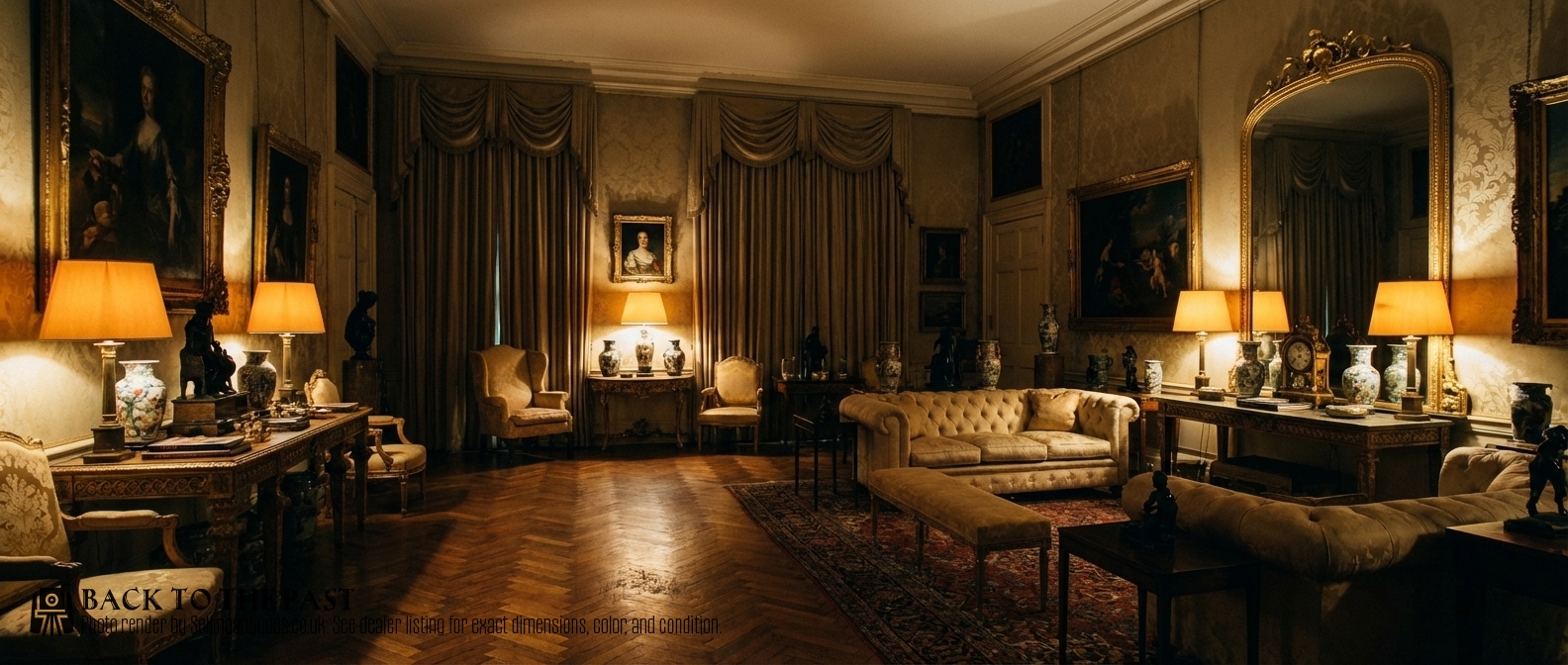
Overmantel mirrors dominate the larger formats, while pier mirrors and convex wall glasses offer narrower profiles suited for specific architectural spaces.
Materials and construction
Makers carved wooden foundations from timber such as pine, walnut, or mahogany, applying layers of gesso to build up high-relief ornamentation like acanthus leaves and ribbon crests. Gold leaf was then laid over a base size, creating the luminous metallic surface characteristic of these plates.
Composition ornament moulded from paste frequently reinforced intricate details on nineteenth-century frames, while glass plates ranged from early mercury silvering to later bevelled mirror glass.
Carved Gold Leaf Mirror Retail Price Guide 2026
Typical asking prices for carved gold leaf mirror among the pieces listed under this phrase on Sellingantiques today, from the lower quarter to the upper quarter. They describe what is for sale here now, not the wider market.
Listings feature eighteenth-century Georgian and Regency pieces alongside nineteenth-century Victorian and Napoleon III overmantel mirrors.
Evaluating the standard of a mirror
The depth and crispness of the hand-carved woodwork distinguish finer frames from simpler moulded versions. Superior pieces exhibit precise gesso work where floral motifs and scrollwork retain sharp definition beneath the gold leaf.
The integrity of the original gilding and the presence of antique mirror plates with natural foxing or original mercury silvering add to the historical weight of the object.
The Carved Gold Leaf Mirror Glossary
- Giltwood
- Wood that has been coated with gold leaf. This material forms the primary structure of most classical wall frames.
- Gesso
- A plaster-like mixture applied to wood frames to create a smooth surface for gilding. It holds deep sculptural carvings before gold leaf is applied.
- Overmantel mirror
- A large horizontal mirror designed to hang above a fireplace mantelpiece. These often feature architectural proportions and arched tops.
- Pier mirror
- A tall, narrow mirror made to hang on the wall space between windows. They frequently incorporate lower consoles or shelves.
- Foxing
- Age-related spots and discoloration appearing within the mirror glass plate. This chemical breakdown signifies genuine antique silvering.
- Parcel gilt
- A finishing technique where portions of the wooden frame are painted or left exposed while other sections are gilded.
Carved Gold Leaf Mirror: Frequently Asked Questions
Where should I hang an overmantel mirror?
These large horizontal glasses belong directly above a fireplace mantelpiece to reflect light and anchor the room's proportions.
Ensure the wall fixings match the substantial weight of the timber and gesso frame.
How do I clean a gold leaf frame?
Dust the carved surface gently with a soft, dry brush to protect the delicate metallic leaf.
Avoid liquid cleaners and moisture, which can lift the gesso and flake the gold leaf.
Are antique mirror plates original?
Many eighteenth and nineteenth-century pieces retain their original glass plates, which often show subtle foxing and irregularities.
Later replacements usually present a clearer, uniform reflection without historical ageing.