

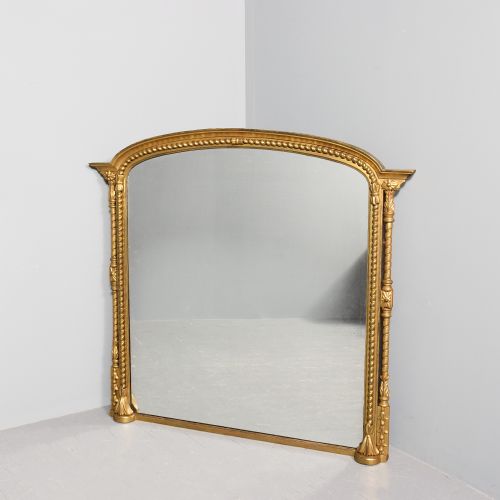


Period Overmantel Mirror
A period overmantel mirror brings architectural presence to a room, offering grand proportions and reflected light above a fireplace.
What They Are
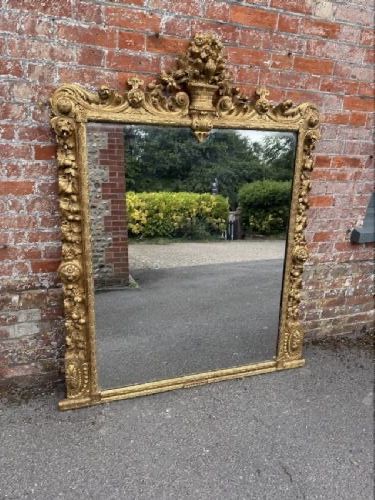
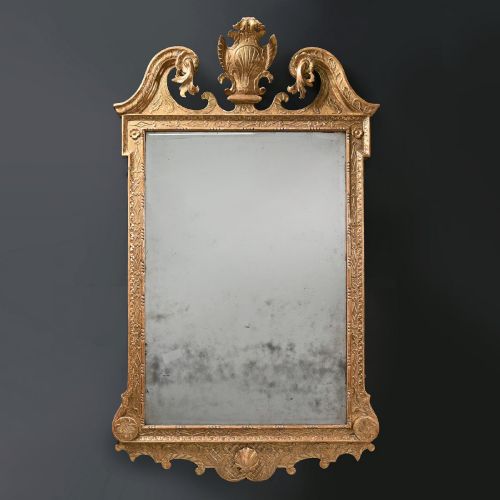
A period overmantel mirror is a large wall glass designed specifically to hang above a fireplace mantelpiece. The pieces gathered here span several distinct eras, notably the nineteenth century, the Regency period, and the mid-eighteenth century.
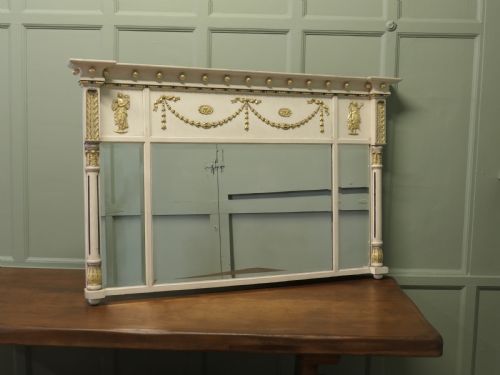
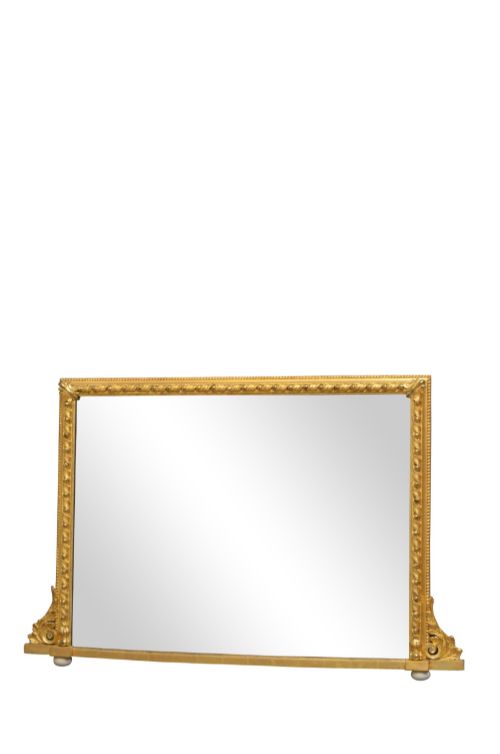
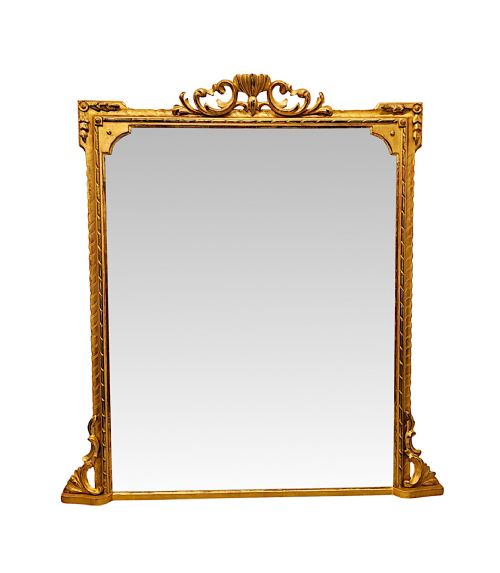
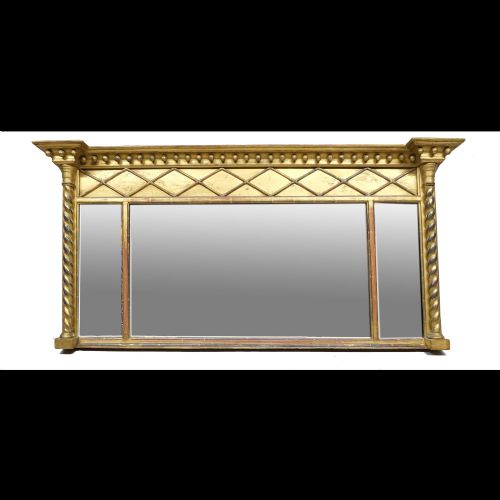
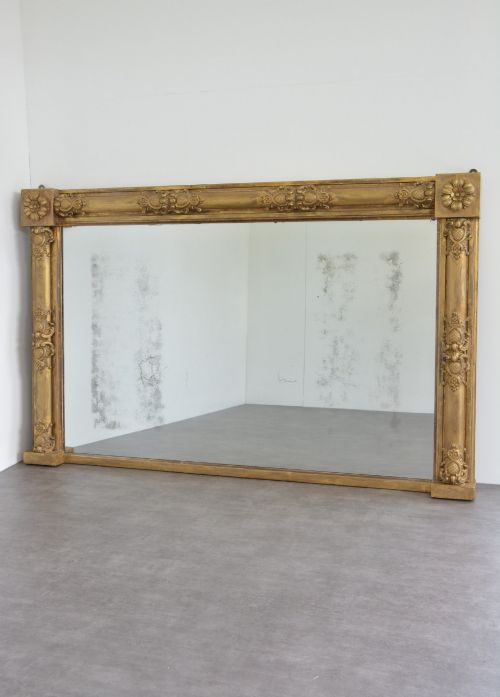
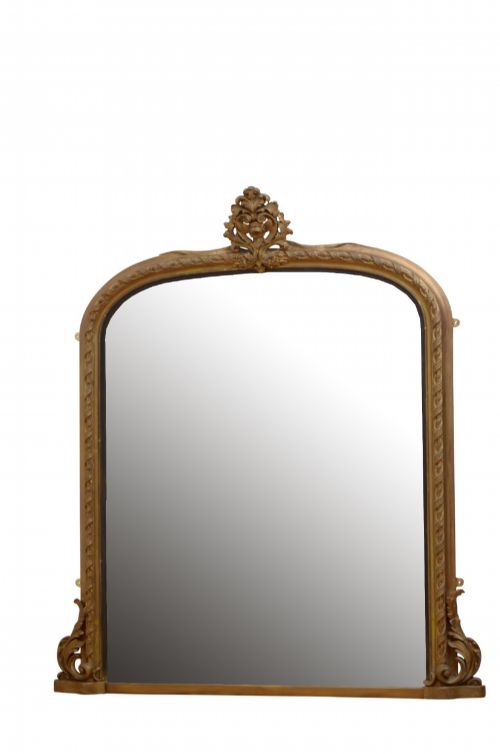
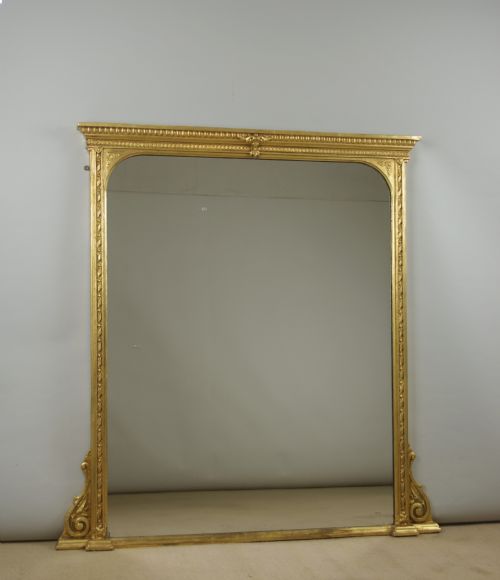
The forms range from impressive three-plate landscape mirrors to tall arched designs and pieces featuring decorative lattice friezes or dome top crests. Wall mirrors and overmantel mirrors dominate the selection, showing both English and French influences.
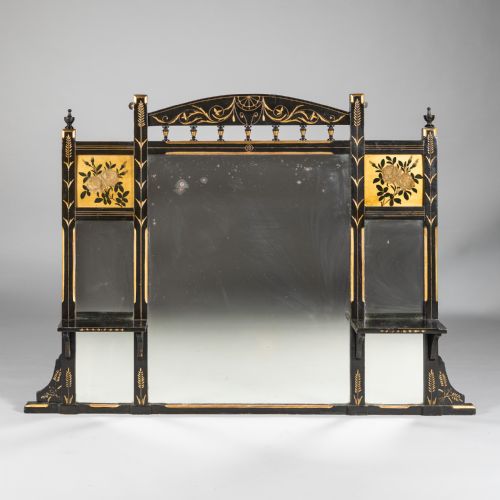
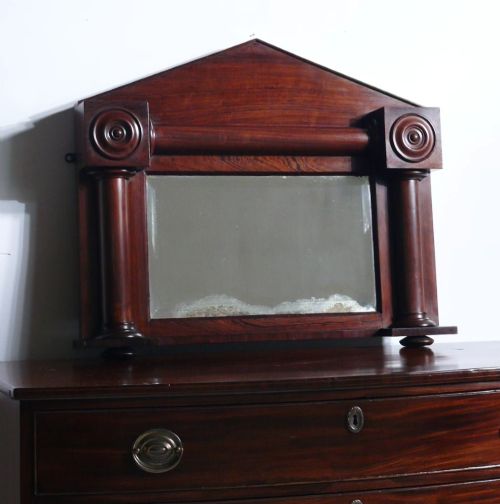
Victorian and Regency examples appear frequently, alongside occasional French Rococo and Victorian and Gothic items. Buyers often find frames finished in giltwood, ebonised wood, mahogany, or rosewood.
How They Were Made
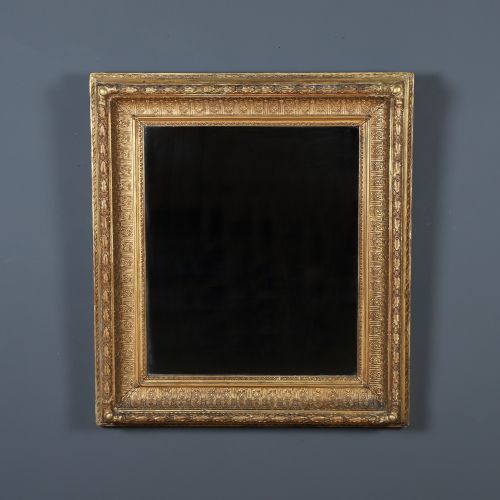
Frames rely on traditional cabinet-making timbers such as mahogany, rosewood, and ebonised wood, often shaped to hold the weight of large glass plates. Giltwood and gesso provide the ornate, reflective surfaces characteristic of many nineteenth-century and Regency frames.
Mirror plates include original foxed glass and multi-plate landscape configurations, set within frames that sometimes incorporate carved details or applied composition ornament. Construction techniques reflect the demands of supporting wide or tall glass securely above a hearth.
Retail Price Guide 2026
Typical UK retail prices for period overmantel mirror, calculated from the Sellingantiques database of over a million retail prices indexed since 2003. This retail price guide relies exclusively on Sellingantiques data; no external sources or auction records are used, so the figures do not describe the wider market.
Listings feature pieces from the 18th, 19th, and early 20th centuries, utilising materials such as giltwood, gesso, rosewood, and ebonised wood.
What Varies in Quality
The distinction between ordinary and exceptional frames lies in the depth and crispness of the carved ornament and the integrity of the original gilding or timber finish. Finer examples display harmonious proportions, whether handling a triple-plate landscape format or a dome top crest.
The condition and character of the glass itself contribute significantly to the appeal, with original foxed mirror plates retaining a depth of reflection that machine-made replacements lack. Structural cohesion in the frame joinery ensures the heavy glass remains secure over time.
The Period Overmantel Mirror Glossary
- Overmantel mirror
- A large mirror specifically proportioned to be hung on the wall immediately above a fireplace mantelpiece. These pieces often feature wide landscape formats to balance the width of the hearth below.
- Giltwood
- Timber, such as softwood or gesso-coated wood, covered with a thin layer of gold leaf. This finish catches the light and defines ornate frame mouldings.
- Gesso
- A plaster-like mixture applied to wood frames to create a smooth surface for gilding or to be moulded into intricate decorative reliefs. It provides the base for much of the ornate detailing on nineteenth-century frames.
- Foxed glass
- Mirror glass showing age-related spots, discoloration, or softening of the reflective silvering beneath the surface. Collectors prize this characteristic for the authentic period atmosphere it provides.
- Landscape mirror
- A mirror wider than it is tall, often featuring multiple glass plates divided by internal vertical slips. This format mirrors the horizontal sweep of a fireplace mantel.
Frequently Asked Questions
Where should an overmantel mirror be hung?
These mirrors traditionally hang on the chimney breast directly above a fireplace mantelpiece, where their proportions reflect the hearth below. They can also serve as substantial wall mirrors in other large reception rooms.
Positioning the piece at the correct height ensures it anchors the room visually and captures light from windows opposite.
How do I care for original foxed glass?
Original foxed glass requires gentle dusting with a soft, dry cloth and should be protected from excess moisture. Harsh commercial cleaning agents can damage the vulnerable silvering and the aged surface behind the glass.
Allowing the glass to retain its natural patina preserves both its historical integrity and its visual depth.
How can I tell a Regency mirror from a Victorian one?
Regency mirrors frequently exhibit classical architectural restraint, triple-plate landscape formats, and crisp gesso or giltwood details from the early nineteenth century. Victorian examples often introduce heavier proportions, diverse styles like Gothic, or ebonised and rosewood finishes.
Examining the construction methods and frame materials helps clarify the specific period of manufacture.