

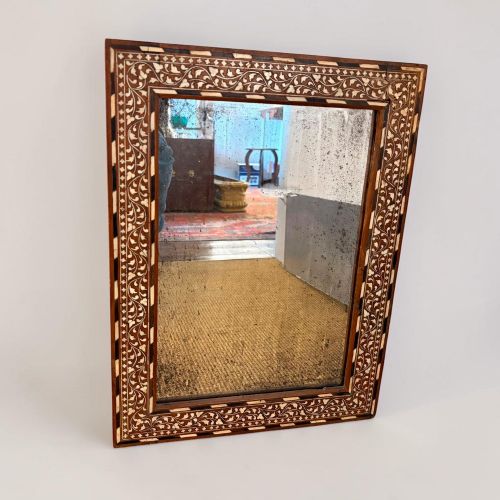
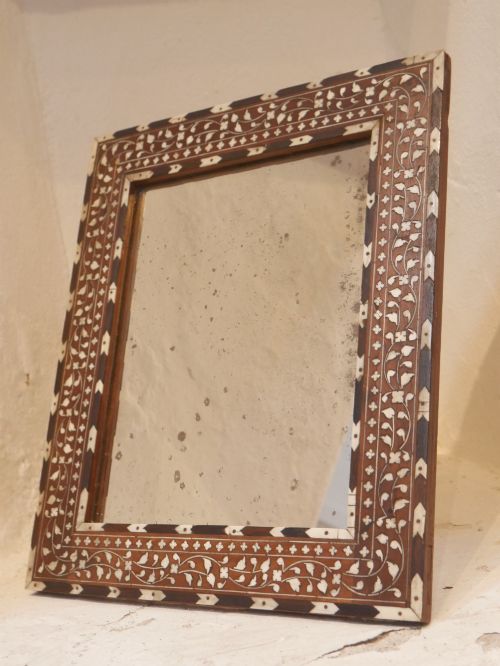
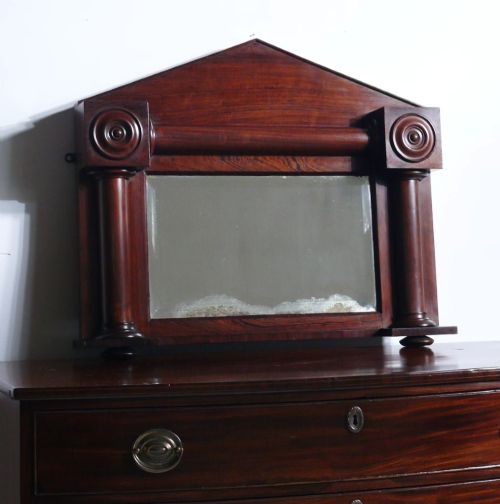
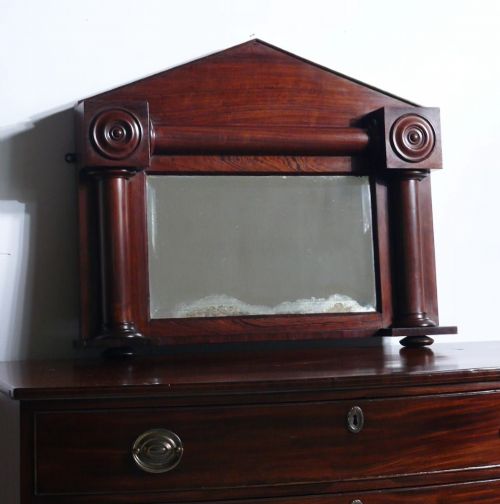


Rosewood Wall Mirror
A rosewood wall mirror brings rich, dark grain and classic proportion to a room, drawing the eye with its deep natural warmth.
Rosewood Wall Mirror
A rosewood wall mirror brings together the dense, figured grain of exotic timber and functional reflective glass. When searching for a rosewood wall mirror, buyers encounter a range of forms spanning the Regency, Victorian, and Edwardian periods.
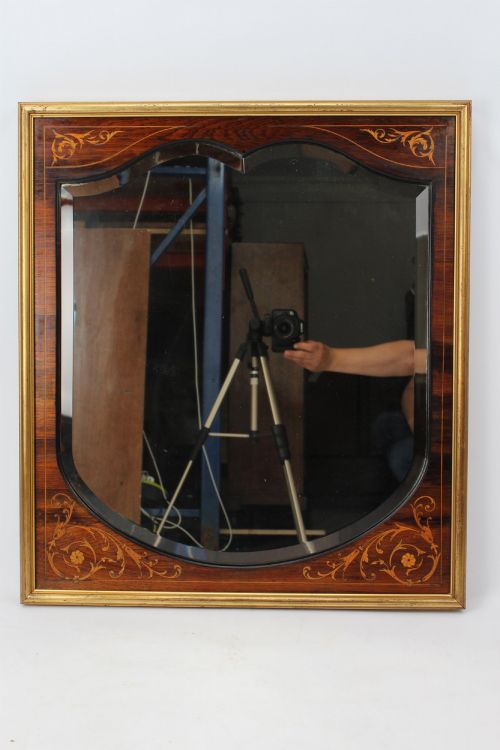
The selection here encompasses large overmantel mirrors designed to sit above a fireplace, alongside smaller hall mirrors, pier mirrors, and hanging wall mirrors. Many examples incorporate intricate marquetry, boxwood inlay, or parcel-gilt accents that reflect the stylistic shifts of the nineteenth and early twentieth centuries.
How they were made
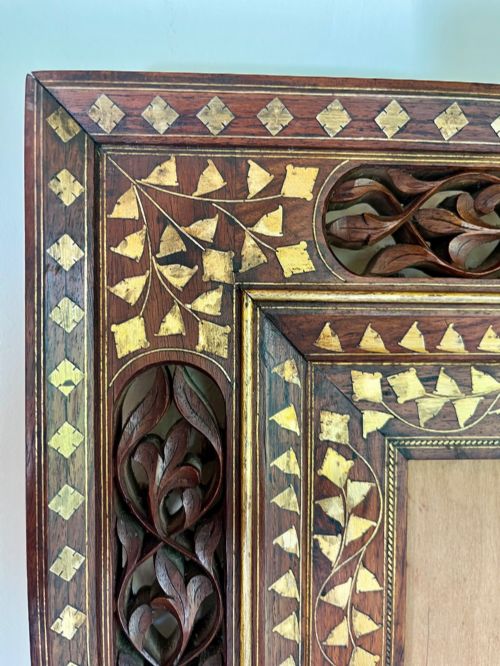
Cabinet makers utilised solid rosewood or applied fine rosewood veneers over secondary timbers like mahogany and oak to construct the frames. Artisans then integrated decorative elements such as boxwood inlay, marquetry, and carved giltwood details.
Reflective plates in these pieces often consist of early mirror glass or mercury glass, secured within rebated frames and sometimes finished with bevelled edges.
Rosewood Wall Mirror Retail Price Guide 2026
Typical asking prices for rosewood wall mirror among the pieces listed under this phrase on Sellingantiques today, from the lower quarter to the upper quarter. They describe what is for sale here now, not the wider market.
What varies in quality
The standard of a rosewood wall mirror rests on the depth and figuring of the timber veneer and the precision of any inlay work. Finer examples display harmonious grain matching and crisp, intact marquetry rather than mechanical repetition.
Construction methods also dictate grade, with superior pieces showing traditional joinery in the frame corners and well-preserved original mercury glass or bevelled mirror plates.
The Rosewood Wall Mirror Glossary
- Overmantel mirror
- A large mirror specifically proportioned to hang on the wall directly above a fireplace mantelpiece. These pieces often feature landscape orientations and architectural framing.
- Marquetry
- Decorative patterns formed by fitting together thin veneers of various woods such as boxwood and sycamore into a rosewood ground. This technique creates pictorial or geometric surface ornamentation.
- Pier mirror
- A tall, narrow mirror designed to hang on the wall between two windows, frequently positioned above a matching console table or pier table.
- Mercury glass
- A double-walled glass blown with a silvering solution inserted through a pontil hole, commonly found in nineteenth-century mirrors and barometers before chemical silvering replaced it.
Rosewood Wall Mirror: Frequently Asked Questions
How do I date a rosewood wall mirror?
Dating relies on observing stylistic markers such as Regency architectural lines, Victorian cushion frames, or Edwardian marquetry. Examining the construction methods and the backing boards also helps determine the period.
Changes in mirror glass manufacturing, such as the transition from mercury silvering to modern chemical processes, provide further clues to age.
Where should I hang an overmantel mirror?
An overmantel mirror is traditionally placed directly above a fireplace mantel to reflect light and anchor the hearth visually. They also work effectively above large sideboards or low console tables in a dining room.
Ensure the wall fixings are robust enough to support the substantial weight of these timber and glass pieces.
How do I care for antique rosewood?
Maintain antique rosewood by dusting with a soft, dry cloth and avoiding direct sunlight that can fade the rich grain. Occasional applications of appropriate wax help nourish the timber surface.
Keep the mirrors away from excessive moisture and sudden temperature changes to protect both the wood and the silvering on the glass.
What is the difference between a pier mirror and a wall mirror?
A pier mirror is specifically proportioned to fit the narrow wall space between architectural openings like windows or doors. General wall mirrors come in a wider variety of shapes and are not constrained by narrow wall dimensions.
Pier mirrors were historically paired with console tables to create a unified furniture arrangement in formal reception rooms.