

Antique Rosewood Mirror
An antique rosewood mirror brings rich grain and deep colour to a room, offering both practical reflection and period presence.
Antique Rosewood Mirror
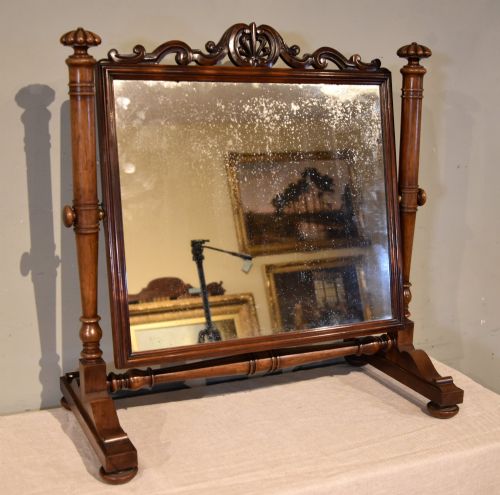
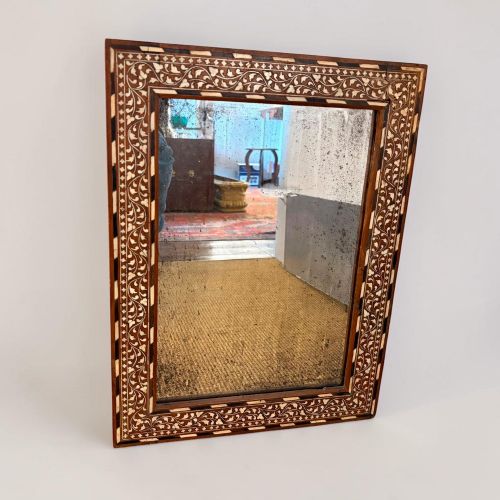
When you search for an antique rosewood mirror, you encounter several distinct forms spanning the nineteenth century, Regency, and Victorian periods. Wall mirrors and substantial overmantel mirrors dominate the selection, designed to hang above mantelpieces or anchor large wall spaces. You also find specialised pieces such as pier mirrors, cheval mirrors, and smaller travelling mirrors.
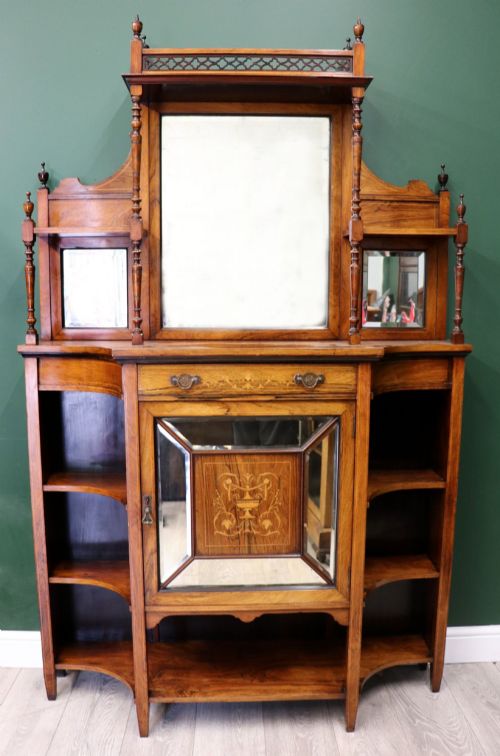
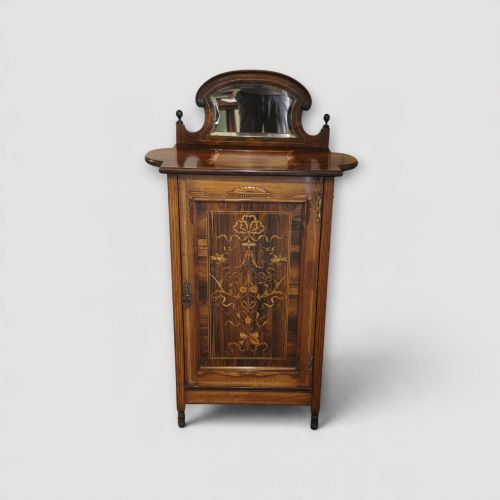
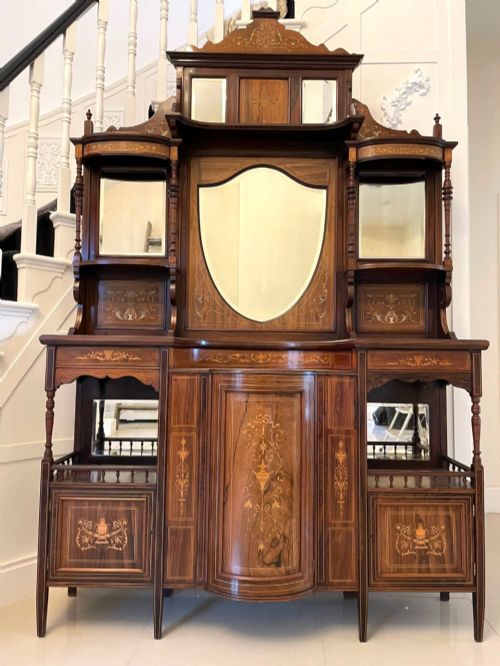
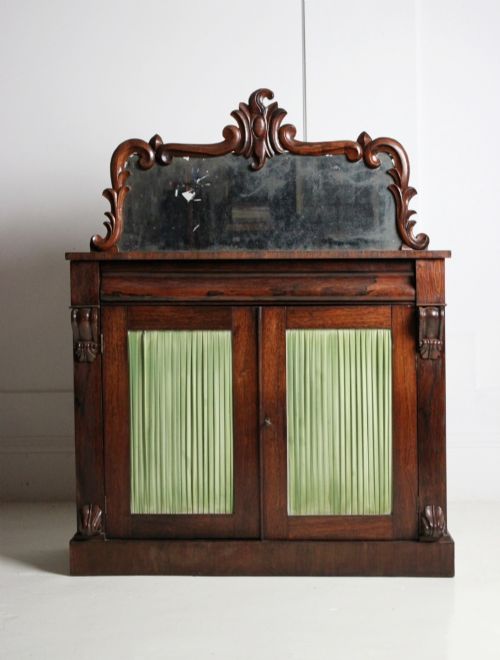
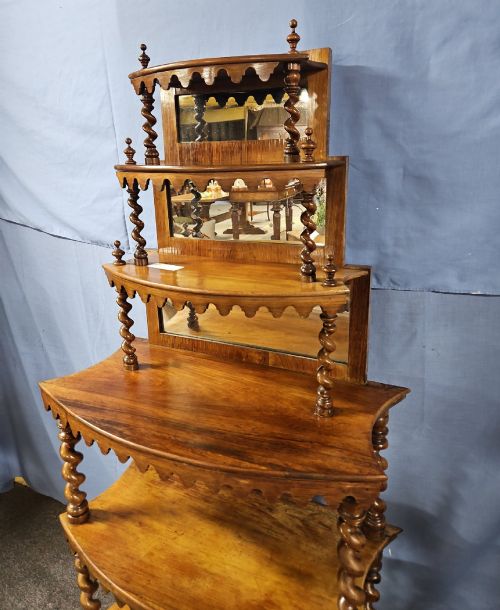
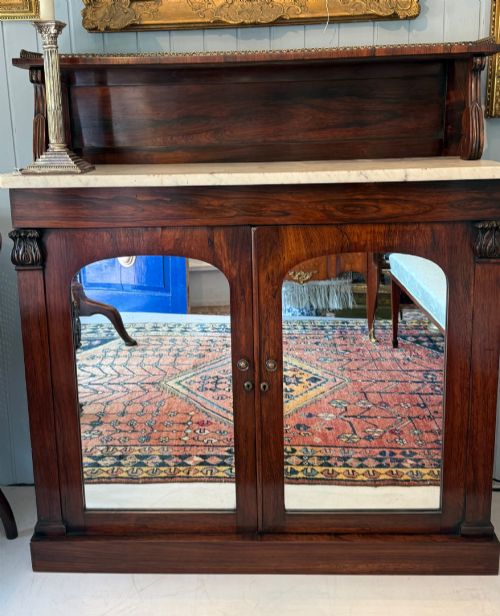
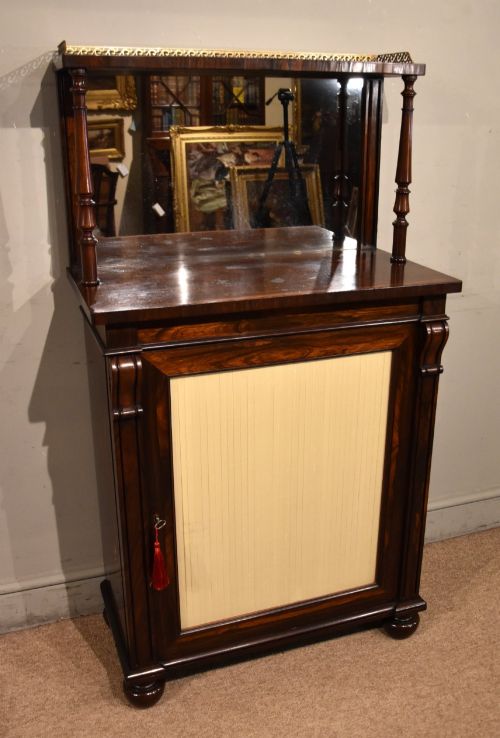
The Regency period provides many of the finest examples, alongside William IV and later Victorian interpretations. These pieces often incorporate architectural elements, gilt details, or matching side cabinets and chiffoniers featuring mirrored backs. The grain of the wood ranges from straight and subtle to heavily figured patterns.
Materials and Construction
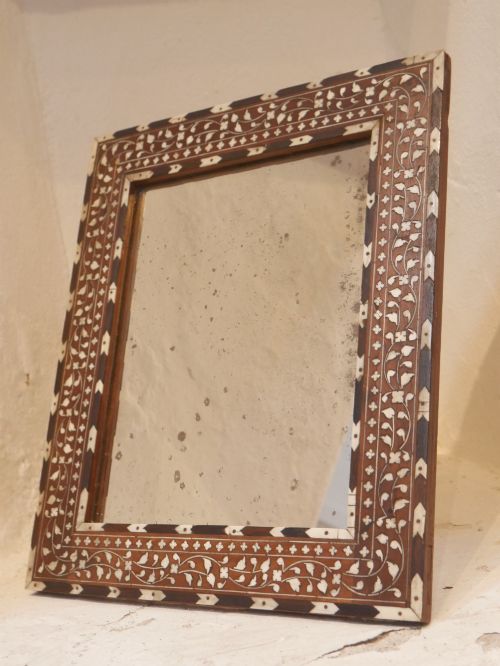
Cabinetmakers constructed these frames using solid rosewood or applied wood veneer over secondary timbers, occasionally combining kingwood, oak, or giltwood elements. Frames frequently incorporate brass accents, ivory inlay, or gilded slips surrounding the mirror glass. The glass itself is heavy plate mirror, held within rebated frames at the rear.
Joinery techniques reflect the period of manufacture, utilising traditional pegged joints and hand-cut mitres for the heavy rectangular, dome top, or architectural frames. Surfaces received hand-rubbed French polish to accentuate the natural warmth and dense grain of the rosewood.
Antique Rosewood Mirror Retail Price Guide 2026
Typical asking prices for rosewood mirror among the pieces listed under this phrase on Sellingantiques today, from the lower quarter to the upper quarter. They describe what is for sale here now, not the wider market.
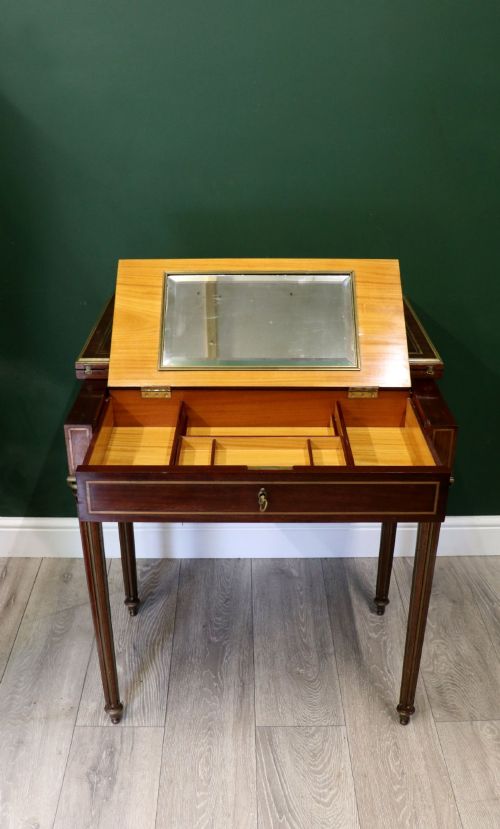
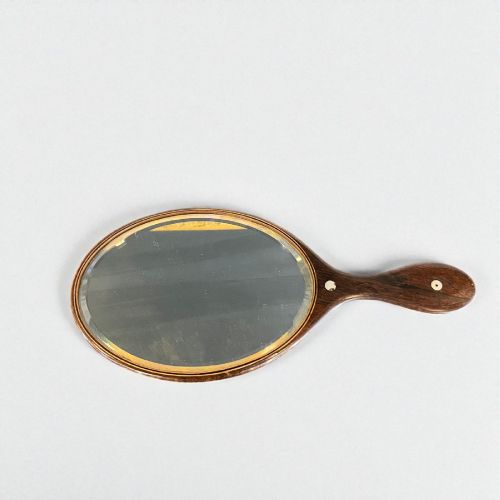
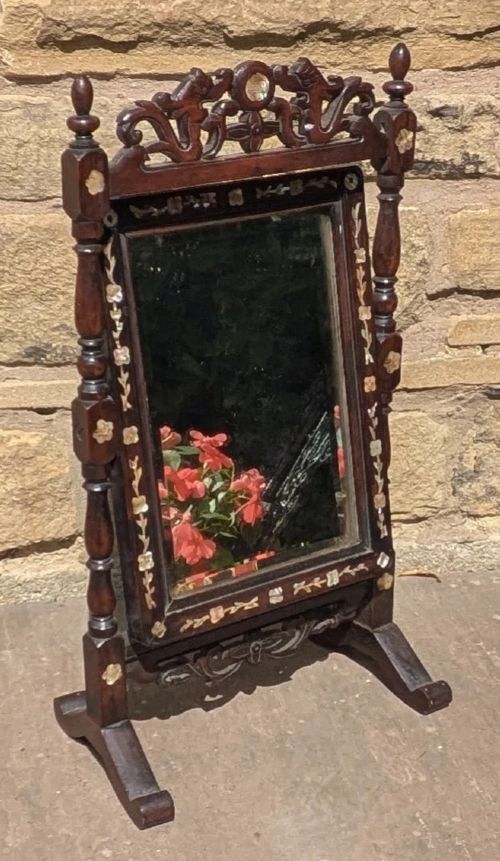
Some nineteenth-century travellers carried their reflections with them via compact rosewood travelling mirrors.
Distinctions in Quality
The distinction between standard pieces and the finest examples lies in the selection of the timber veneer and the crispness of the carved or gilded details. Highly figured rosewood displays complex, contrasting grain patterns that require expert matching across the frame.
Integration of secondary materials such as giltwood, brass mounts, or delicate inlay separates simpler wall hanging frames from grander overmantel and pier mirrors. The depth of the polish and the preservation of the original mirror glass further define the caliber of the piece.
The Antique Rosewood Mirror Glossary
- Rosewood
- A dense, heavy tropical hardwood prized for its dark, richly figured grain and deep reddish-brown colour. It takes a high polish and forms the primary material for these frames.
- Overmantel Mirror
- A large horizontal mirror designed specifically to hang on the wall directly above a fireplace mantelpiece. They often feature architectural mouldings or gilt decoration.
- Pier Mirror
- A tall vertical mirror designed to hang on the narrow section of wall between two windows, frequently placed above a pier table or sideboard.
- Cheval Mirror
- A freestanding full-length mirror suspended on a frame with pivoting pivots, allowing the glass to tilt.
- Giltwood
- Timber that has been coated with a thin layer of gold leaf or gilt paint, frequently used to highlight mouldings on Regency and Victorian frames.
Antique Rosewood Mirror: Frequently Asked Questions
How do I date an antique rosewood mirror?
Dating relies on stylistic clues, construction methods, and materials recorded in the frame. Regency pieces often exhibit classical restraint and gilt slips, whereas Victorian examples tend to be heavier with elaborate mouldings.
Secondary woods at the back of the frame and the method of securing the mirror glass provide further indication of the period of manufacture.
Where should I hang an overmantel mirror?
An overmantel mirror is traditionally hung directly above a fireplace mantelpiece to reflect light and anchor the room's proportions. These substantial horizontal pieces work well as a focal point in a principal reception room.
Ensure the wall construction and fixings can support the considerable weight of the rosewood and heavy glass.
What is the difference between a pier mirror and a wall mirror?
A pier mirror is specifically proportioned to fit the narrow wall space between two windows, often paired with a matching console table or cabinet below. Standard wall mirrors are not restricted by architectural wall piers and come in various shapes.
Both types utilise rosewood frames, but pier mirrors often feature taller, narrower dimensions.
How should I care for a rosewood frame?
Maintain the polished rosewood surface by dusting gently with a soft, dry cloth. Avoid placing the mirror in direct sunlight or near heat sources to prevent the wood or veneer from drying out.
Keep moisture away from the timber and the edges of the mirror glass to protect the original backing and silvering.