

Dark Brown Wall Mirror
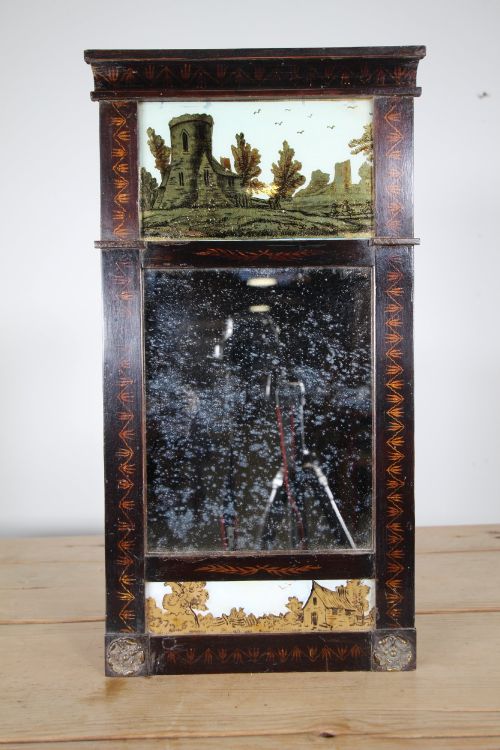
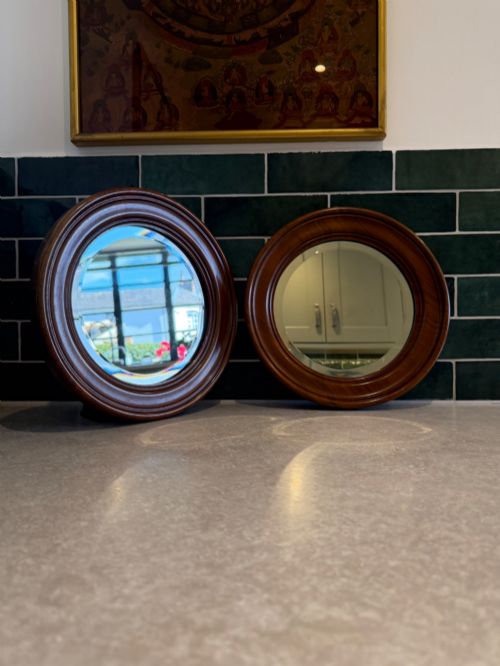
A dark brown wall mirror anchors a room with rich timber tones, shifting from Georgian mahogany to robust oak.
Dark Brown Wall Mirror
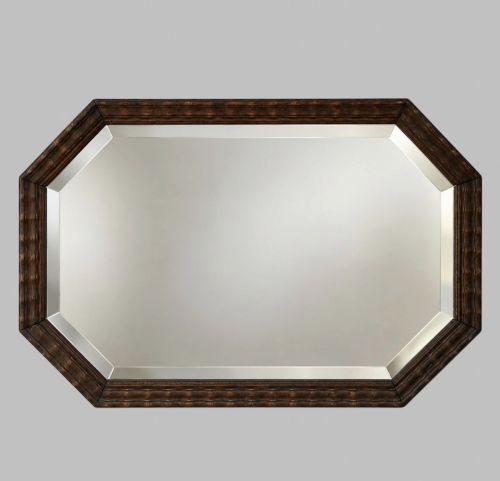
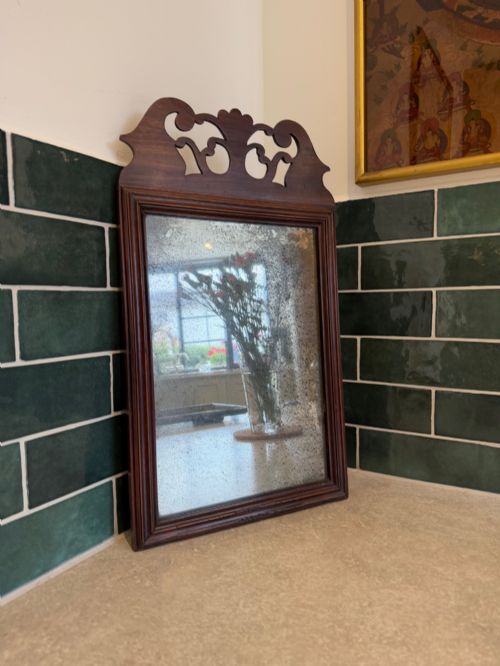
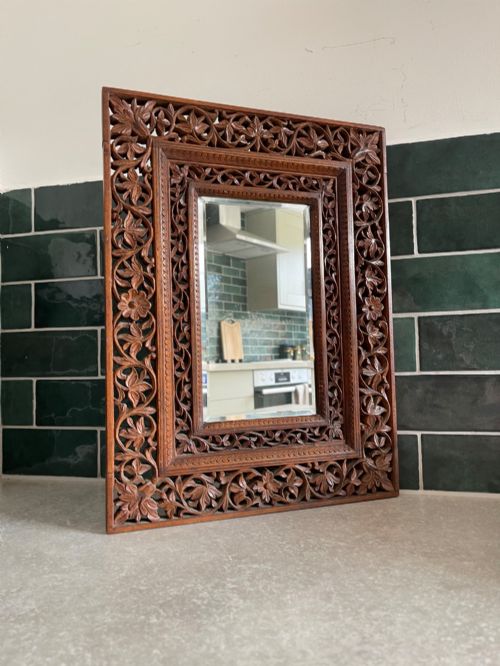
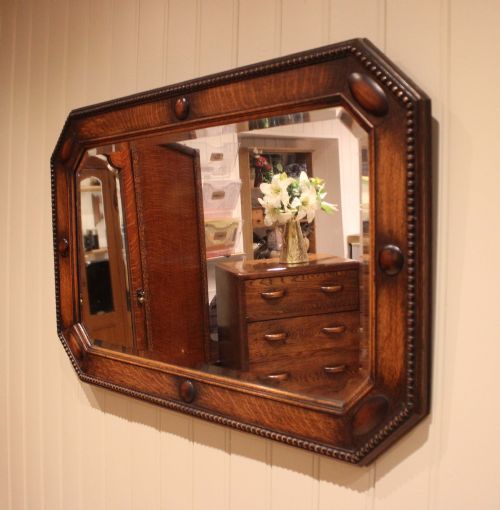
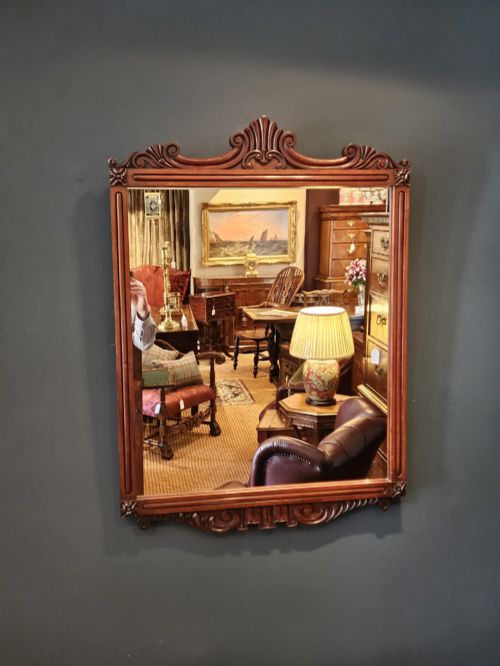
A dark brown wall mirror spans several centuries of design, appearing most frequently in warm oak, rich mahogany, and dark walnut frames. These pieces range from simple domestic hallway glass to grand overmantels and intricately carved examples.
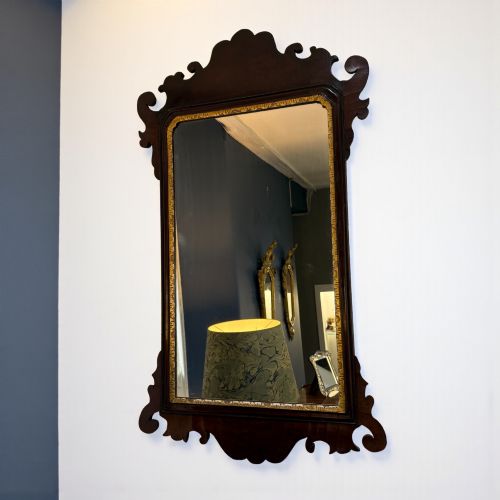
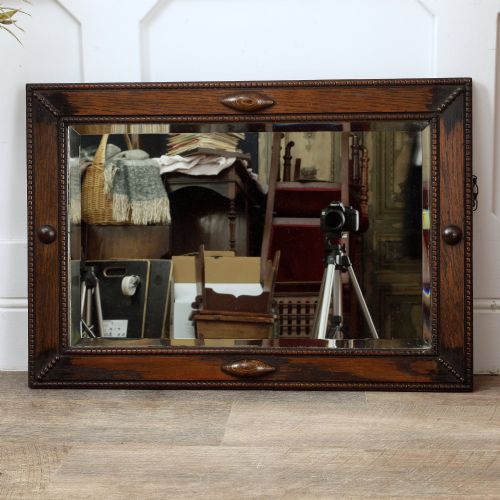
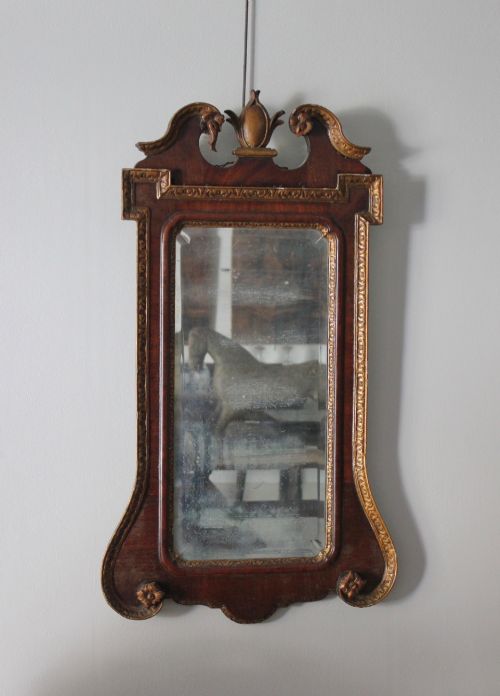
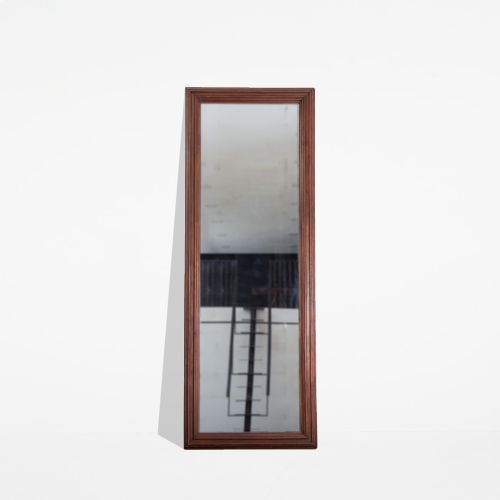
The selection here encompasses Georgian fretwork designs alongside solid Edwardian and early twentieth-century oak frames. Buyers encounter everything from compact cloakroom mirrors with built-in hooks to large architectural overmantels.
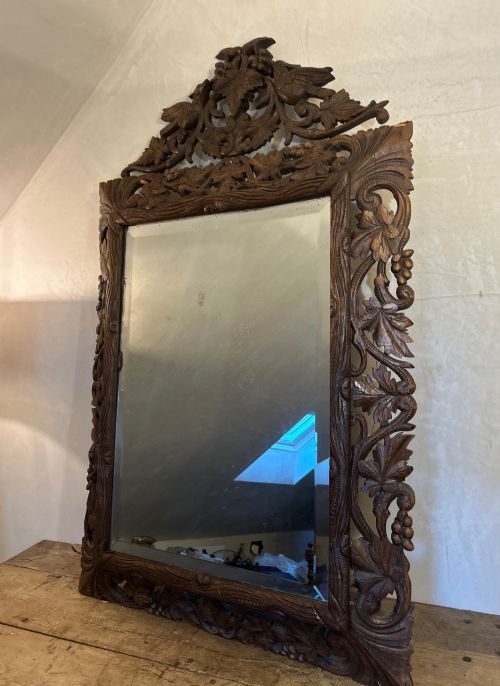
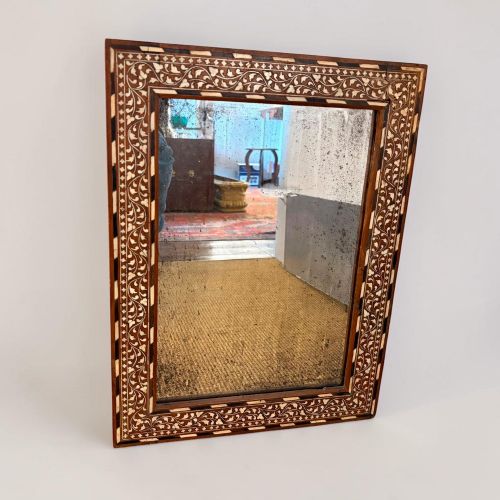
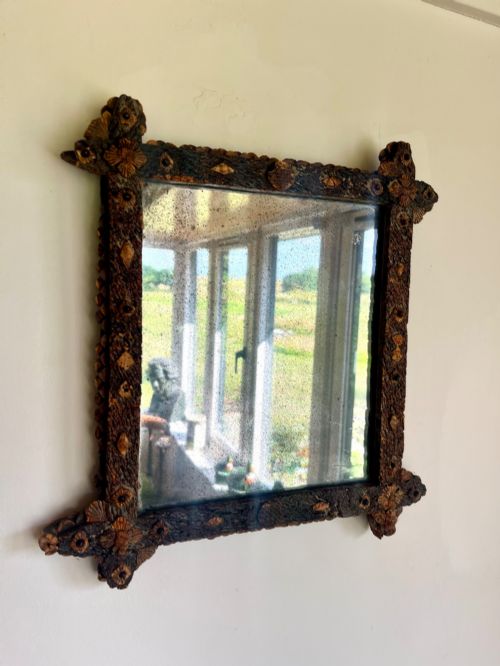
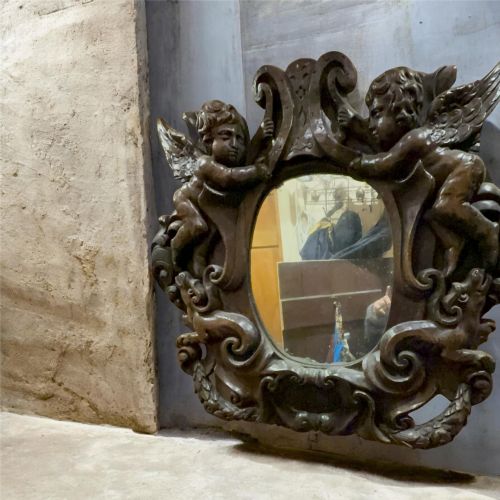
Regional and international varieties also surface, including Black Forest carved wood, French Gothic and Renaissance revival styles, and bone-inlaid pieces from Damascus and North India. Each variation offers a distinct interpretation of dark wood framing.
Materials and construction methods
Makers utilised solid native timbers such as oak, mahogany, and walnut, frequently constructing frames with sturdy mitred joints or layered fretwork. Carved details rely on seasoned hardwoods that could hold crisp relief work over decades.
Reflective surfaces consist of traditional mirror glass, often bevelled at the edges to catch the light. In specialised regional pieces, frames incorporate bone, mother of pearl, or ivory inlay set directly into the wood.
Surface treatments include ebonisation, polishing to a warm natural sheen, and faux tortoiseshell finishes. These applications protect the timber while deepening the dark brown palette that defines the group.
Dark Brown Wall Mirror Retail Price Guide 2026
Typical asking prices for dark brown wall mirror among the pieces listed under this phrase on Sellingantiques today, from the lower quarter to the upper quarter. They describe what is for sale here now, not the wider market.
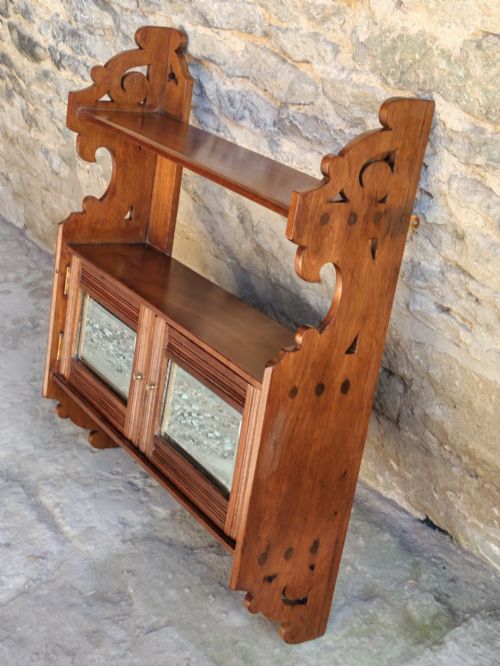
Several Victorian pieces double as umbrella stands or horse-shoe shaped hat racks, proving the Victorians turned every surface into storage.
Distinguishing quality in dark wood mirrors
The depth and precision of the wood carving separates standard domestic frames from exceptional studio work. Skilled carvers achieved sharp undercut foliage, crisp bird motifs, and balanced proportions that elevate the entire object.
The integrity of the timber and the preservation of original surfaces dictate value. Untouched patination on eighteenth-century mahogany or nineteenth-century walnut shows authentic age without aggressive modern intervention.
Complexity of construction adds distinction, particularly in multi-component frames, fretwork panels, or inlaid pieces featuring bone and mother of pearl. Superior assembly ensures the heavy glass remains secure within the timber structure.
Waring and Gillow
The Dark Brown Wall Mirror Glossary
- Fretwork
- Openwork patterns carved in low relief or pierced through thin timber boards. This technique creates delicate geometric or scrolling borders on eighteenth-century and revival frames.
- Overmantel mirror
- A large horizontal looking glass designed specifically to hang above a fireplace mantelpiece. These pieces often feature architectural framing or extended wooden shelves.
- Ebonisation
- The chemical or pigment process of staining light wood to imitate true ebony. It yields a deep, dark finish popular in nineteenth-century decorative items.
- Tramp art
- Folk sculpture created by carving chip-carved geometric patterns into cheap scrap wood, often utilising old cigar boxes. Examples possess a heavily textured, layered appearance.
- Pier mirror
- A tall, narrow looking glass designed to hang on the wall space between two windows. They reflect additional light into darker Victorian reception rooms.
Dark Brown Wall Mirror: Frequently Asked Questions
Where should I hang a dark brown wall mirror?
These pieces suit entrance halls, living rooms, and dining spaces where rich timber tones complement existing wooden furniture. Overmantel versions work naturally above fireplaces to bounce natural light across the room.
Smaller variants featuring coat hooks or shelves function well in narrow hallways or cloakrooms for daily use. Ensure the wall structure can support the combined weight of the heavy wooden frame and glass.
How do I date an antique wooden mirror?
Dating relies on examining the timber species, joinery techniques, and the characteristics of the mirror glass itself. Georgian pieces frequently display mahogany fretwork, whilst later Victorian and Edwardian examples lean toward heavy carved oak or walnut.
Secondary woods at the back of the frame and the type of fixings also offer clues to the period of manufacture. Original mirror glass often exhibits subtle foxing or imperfections rather than modern mirror perfection.
What is an overmantel mirror?
An overmantel mirror is a wide, substantial looking glass created to sit directly above a fireplace surround. They played a central role in period interior design by anchoring the main reception room.
Many incorporate decorative crests, carved brackets, or small side columns to match the architecture of the room. Their generous proportions help illuminate darker corners.
How do I care for antique wood frames?
Maintain the timber by keeping the mirror away from direct sunlight and damp environments that could warp the wood. Gentle dusting with a dry microfibre cloth prevents particle buildup without harming the polished surface.
Avoid commercial liquid polishes containing harsh silicones or solvents, which can degrade antique finishes over time. A light application of appropriate wax by a professional can nourish dry timber if necessary.