

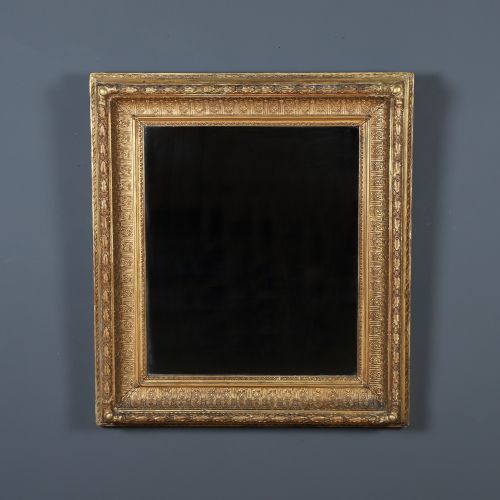
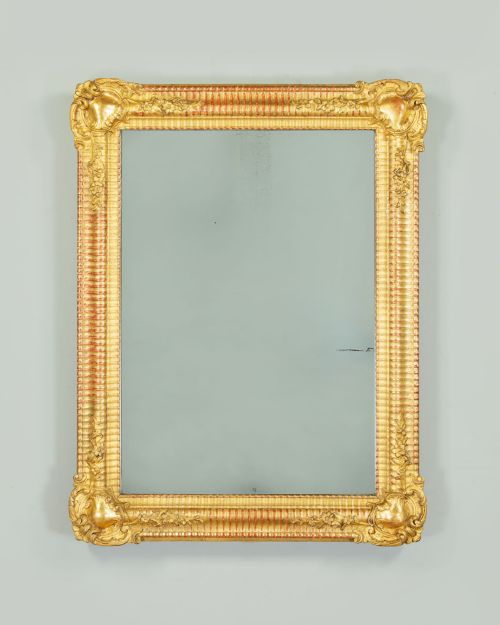
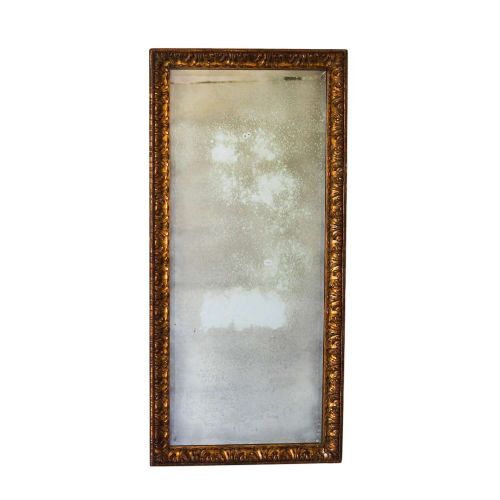
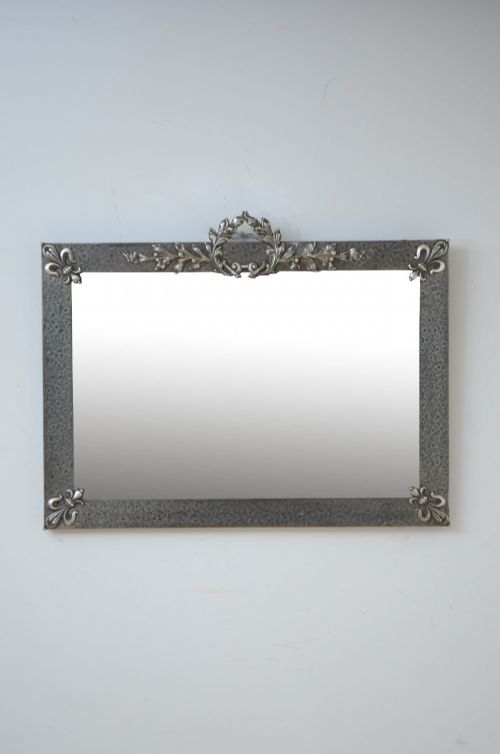

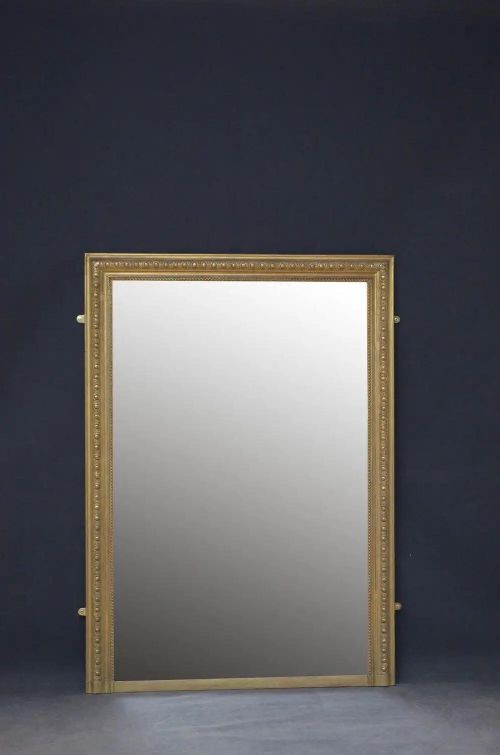
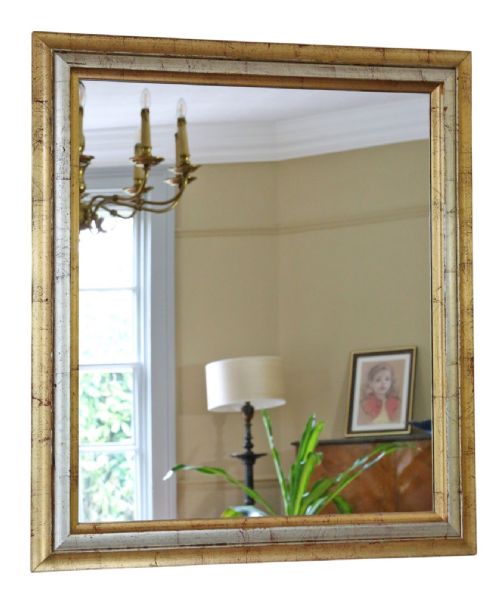

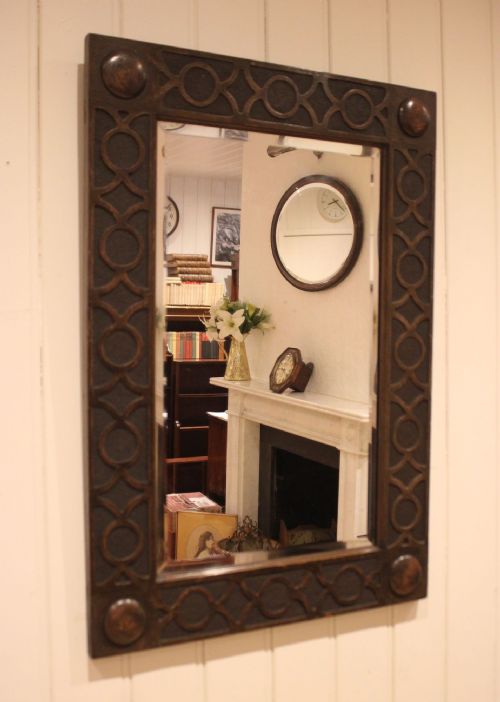


Rectangular Hanging Mirror
A rectangular hanging mirror brings depth and proportion to a room, offering centuries of diverse craftsmanship from carved giltwood to simple oak frames.
Rectangular Hanging Mirror
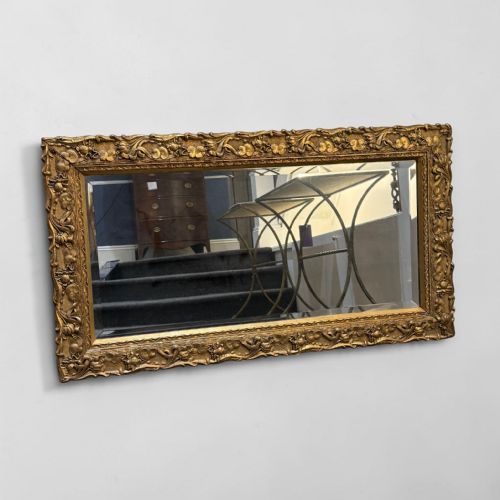
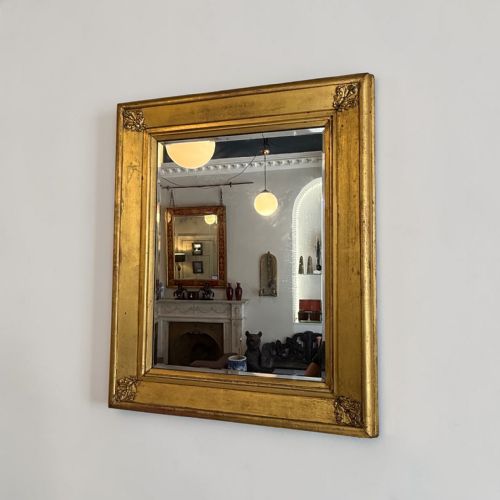
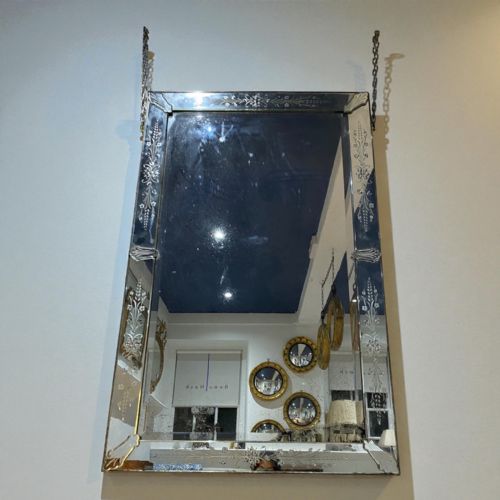
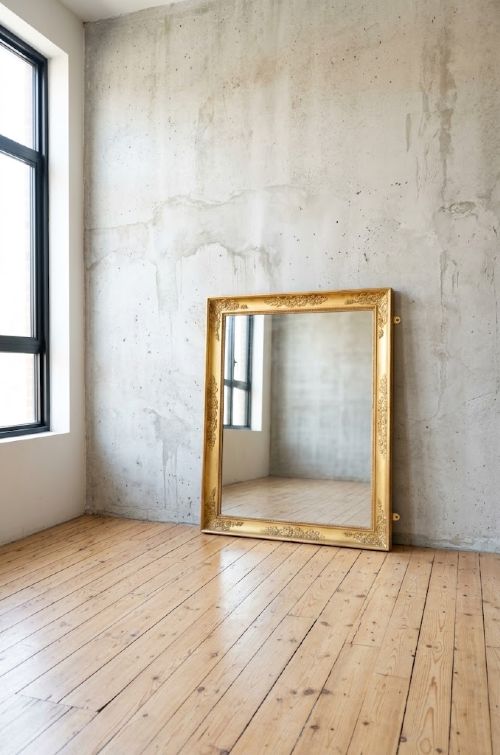
A rectangular hanging mirror serves both functional and decorative purposes across domestic spaces, frequently appearing as wall mirrors, overmantel pieces or hallway dressing mirrors. The pieces gathered here span domestic furnishings from the Georgian, Victorian and Edwardian eras alongside continental examples, showcasing vertical and horizontal formats designed to hang securely.
You are most likely to meet Victorian mahogany and walnut iterations alongside French giltwood designs, each offering distinct proportions and framing. Simpler oak and maple frames sit alongside heavily carved overmantels and cushion frames, reflecting a wide range of historical interior tastes.
How They Were Made
Frames rely heavily on traditional timbers such as oak, mahogany, walnut and maple, joined with skill to support substantial glass plates. Giltwood and gesso applications provide ornate decorative surfaces, often featuring floral or classical carvings built up over a wooden base.
Alternative constructions utilise hammered metal, brass inlay and faux bamboo, demonstrating varied manufacturing techniques from British workshops and continental makers alike.
Periods represented span from the 18th century through the Regency, Victorian and Edwardian eras into the Art Deco period.
What Varies in Quality
The choice of primary timber - such as burr maple, kingwood or figured mahogany - and the integrity of the original mirror glass further distinguish exceptional examples from standard utilitarian wall furnishings.
The Rectangular Hanging Mirror Glossary
- Giltwood
- Wood that has been coated with gold leaf or a gilt finish. This technique creates a luminous surface common on formal French and Victorian wall mirrors.
- Gesso
- A plaster-like material applied to wooden frames before gilding or painting. It allows craftsmen to carve intricate relief details and floral motifs.
- Overmantel
- A large mirror designed to hang specifically above a fireplace mantelpiece. These pieces often feature extended horizontal proportions to match the width of the hearth.
- Cushion frame
- A frame profile that curves outward like a pillow towards the outer edge. This style adds visual weight and depth to the hanging mirror.
- Pier mirror
- A tall mirror designed to hang on the narrow section of wall between two windows. They make efficient use of vertical space in period rooms.
Rectangular Hanging Mirror: Frequently Asked Questions
Are these mirrors suitable for bathrooms?
Most antique pieces utilise traditional glues and silvering methods that react poorly to sustained moisture and steam. Placing them in damp environments risks damaging the wooden frames and the reflective glass.
Dry hallways, living rooms and bedrooms remain the best locations to preserve the original materials of these historical pieces.
How do I identify a Victorian mirror?
Victorian examples frequently employ dense timbers like mahogany and walnut, or feature heavy gesso and giltwood frames with deep ornamentation. Construction methods often include older hand-cut screws and traditional joinery on the reverse.
Comparing the framing style and wood patina helps distinguish these mid to late nineteenth-century pieces from later twentieth-century reproductions.
Can I replace the mirror glass?
Original glass often displays characteristic foxing, distortion or age spots that collectors value as proof of authenticity. Replacing the plate removes this historical evidence of age.
Some pieces do feature new glass where historical damage made replacement necessary for daily use.