
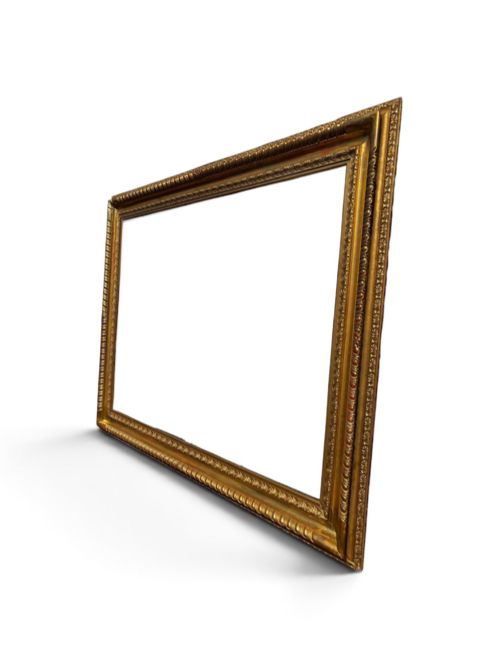
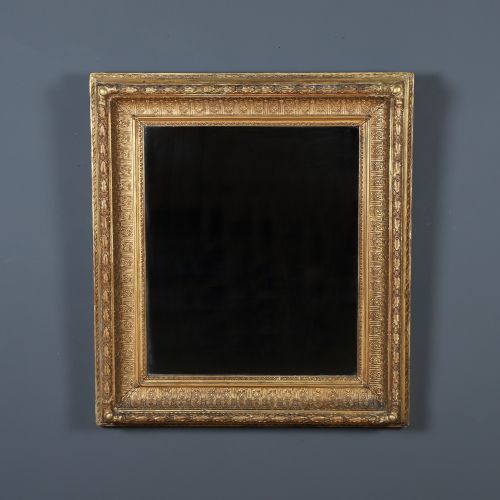
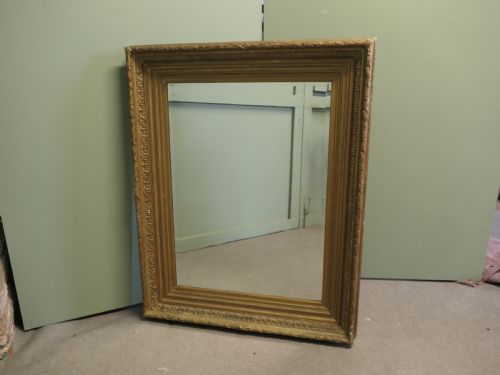
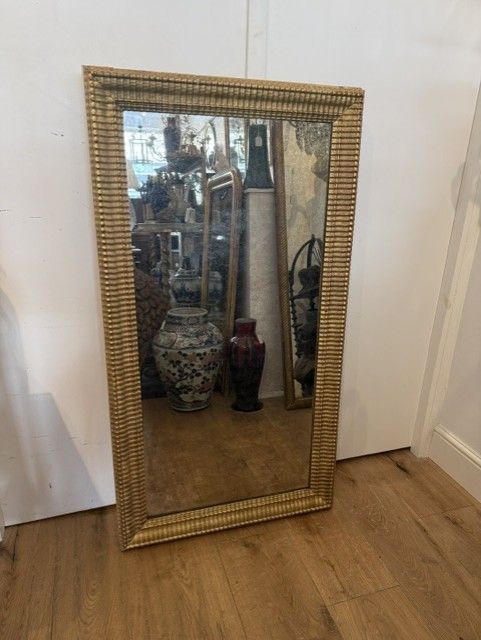


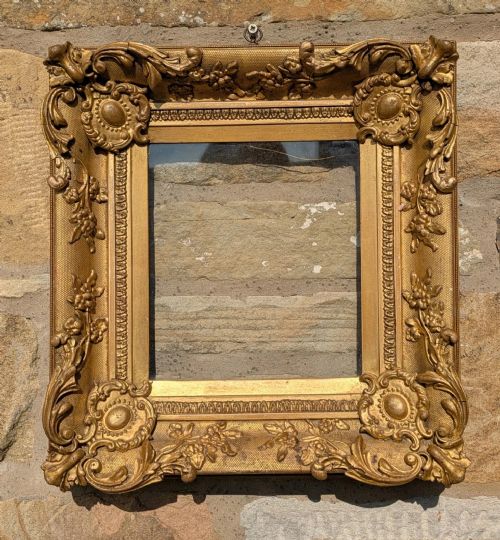

Moulded Gilded Mirror Frame
These moulded gilded mirror frame pieces bring nineteenth-century and later reflection into a room with rich surface detail.
Moulded Gilded Mirror Frame
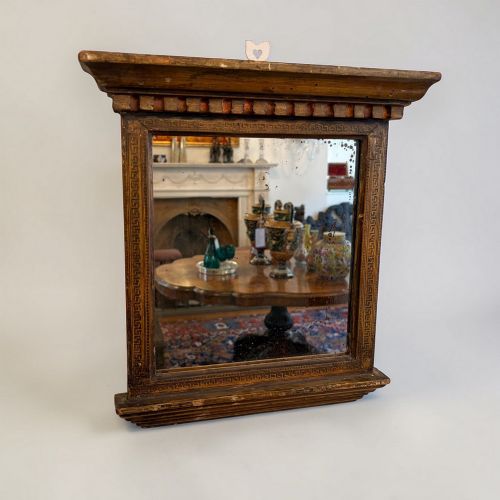
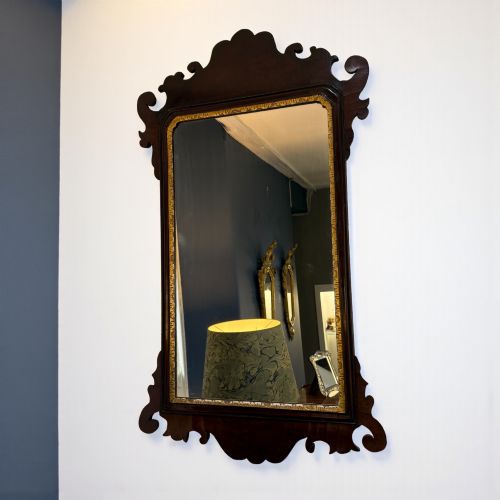
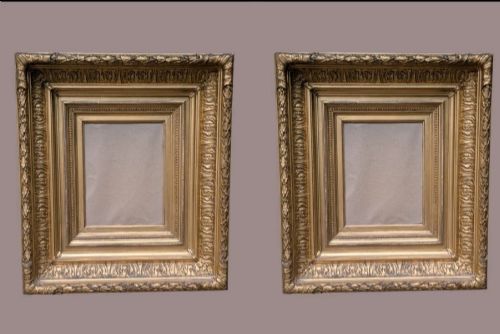
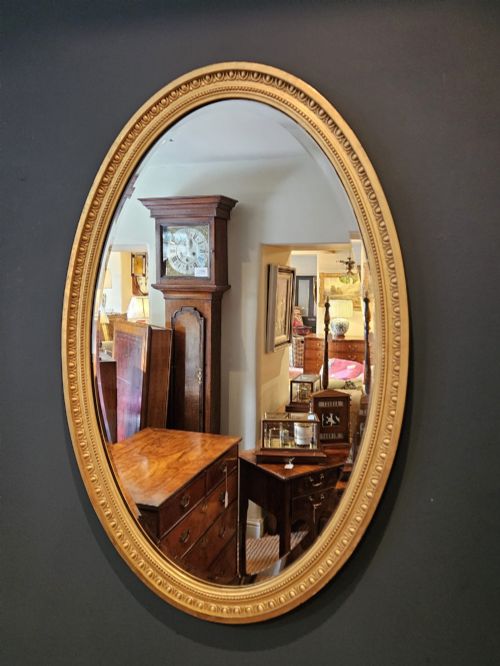
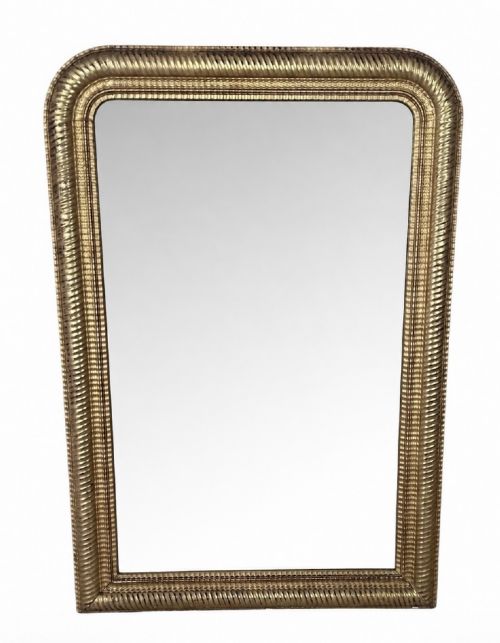
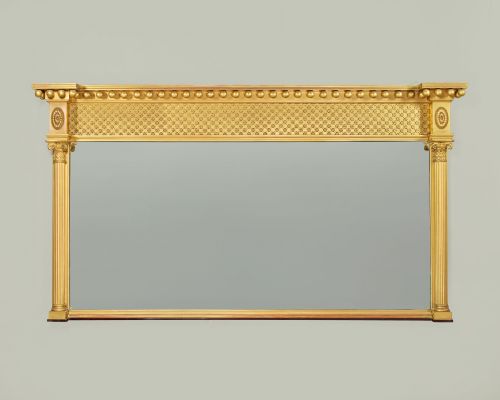
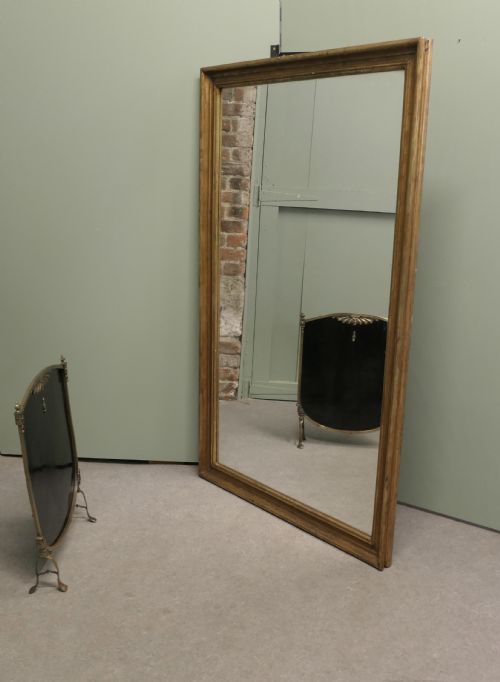
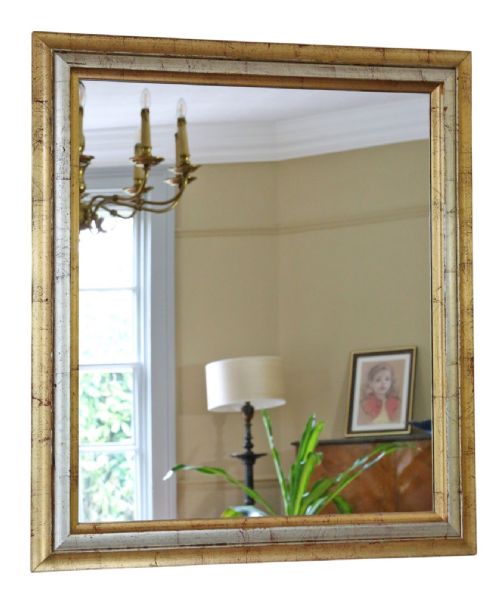
A moulded gilded mirror frame is a decorative border enclosing glass, designed to hang on walls or sit above mantelpieces. When you search for moulded gilded mirror frame, you encounter wall mirrors, overmantel mirrors, picture frames, and circular convex mirrors spanning the seventeenth century through to the twentieth century.
The selections on this page lean heavily towards the Victorian and nineteenth-century periods, alongside Regency, Edwardian, and mid-twentieth-century examples. Forms range from tall French rectangular shapes and oval plaster pieces to deep picture frames and grand scale circular giltwood designs.
Origins represented in the evidence include English, French, and Italian workshops, with styles extending from Neoclassical and Louis Philippe to Art Nouveau. Buyers select these items to anchor a room with period character and reflective depth.
How they were made
These items rely on wooden structures, frequently pine or general wood, serving as the core base for elaborate surface decoration. Artisans applied gesso and composition material over the wood to build up raised mouldings, leaves, and ripple patterns.
Giltwood and gold leaf provide the shimmering metallic finish, sometimes complemented by painted layers or verre eglomise panels. Plaster also appears on specific oval and wall mirror formats to hold crisp ornamental relief.
Listings span materials from simple pine and composition to rich giltwood, gold leaf, and gesso.
What varies in quality
Quality rests in the crispness of the moulded relief and the depth of the carved or built-up ornament, such as acanthus leaves or ripple mouldings. Finer pieces demonstrate precision in the application of gold leaf and gesso over the wooden foundation.
The scale and proportion of the frame relative to the glass plate dictate presence, with grander dimensions and deeper profiles commanding stronger visual weight. Evidence of age in the gilding and the integrity of the original wood core further distinguish exceptional examples from standard production.
The Moulded Gilded Mirror Frame Glossary
- Gesso
- A plaster-like mixture applied to wood frames to create a smooth surface for gilding. It allows makers to carve or mould intricate decorative details before applying gold leaf.
- Giltwood
- Timber that has been covered with thin sheets of gold leaf or gold powder. This technique protects the wood while giving the appearance of solid gold.
- Verre eglomise
- A process of cold painting and gilding on the rear face of glass. It frequently appears in borders above or beside the main mirror plate on Regency pieces.
- Overmantel mirror
- A large horizontal mirror designed specifically to hang above a fireplace mantel. These pieces often feature substantial moulded frames suited to grand room proportions.
- Ripple frame
- A frame featuring concentric undulating wave patterns machined or carved into the wood. This style creates rhythmic shadow lines around the central glass.
Moulded Gilded Mirror Frame: Frequently Asked Questions
How do I hang a heavy overmantel mirror safely?
These large frames require secure fixing directly into wall studs or masonry using heavy-duty brackets suited to the weight of the wood and glass.
Consult a professional installer to assess the wall structure and ensure the hanging wire or mirror D-rings bear the load evenly.
What is the difference between an overmantel and a wall mirror?
Overmantel mirrors are traditionally wider than they are tall, proportioned specifically to sit above a fireplace opening within the chimney breast.
Standard wall mirrors take vertical, square, circular, or oval formats designed for general room placement across hallways and living spaces.
How should I clean a gilded frame?
Dust the moulded surface gently with a soft, dry brush to prevent accumulation in the recesses of the gesso work.
Avoid liquid cleaners, moisture, and chemical polishes, as these substances can strip the delicate gold leaf and historical finish.
How do I identify a Regency period frame?
Regency pieces often display classical motifs, bold circular proportions, or verre eglomise glass panels reflecting early nineteenth-century design tastes.
Look for refined giltwood construction and architectural symmetry characteristic of the era spanning the early eighteen hundreds.