



Hallway Hanging Mirror
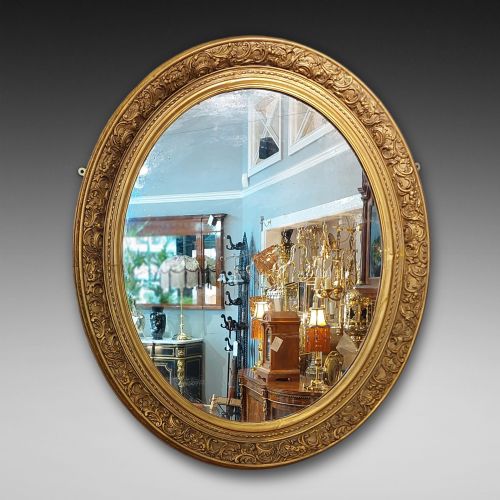
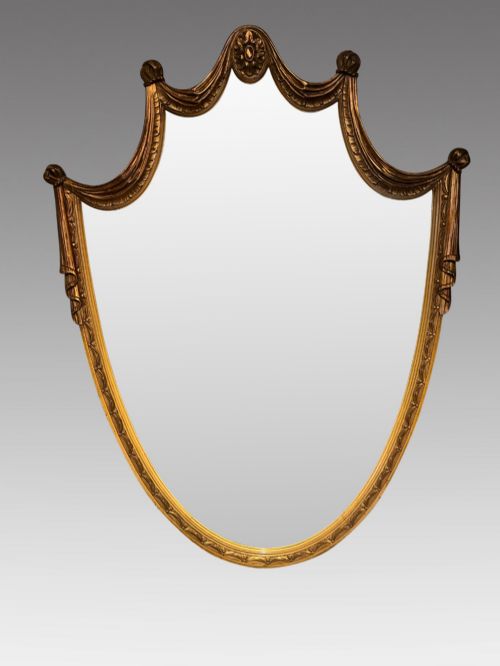
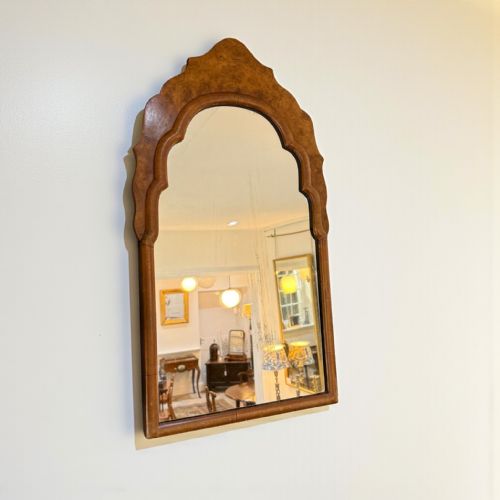
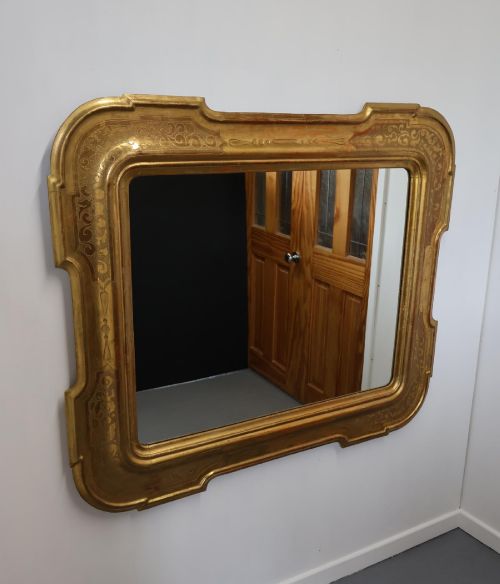
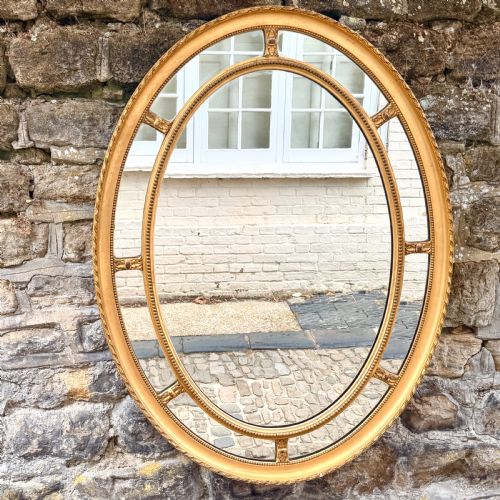
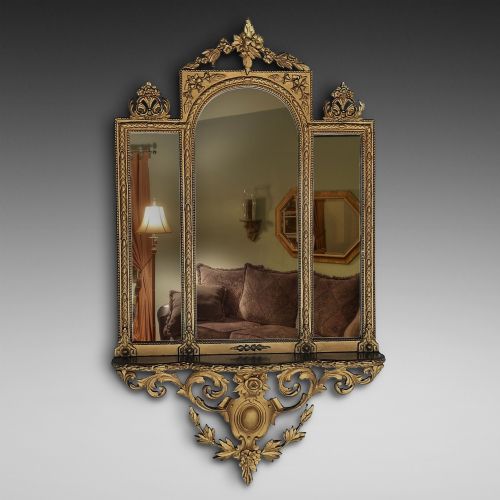
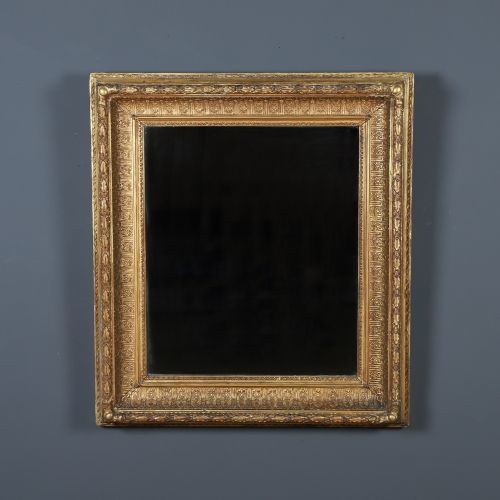
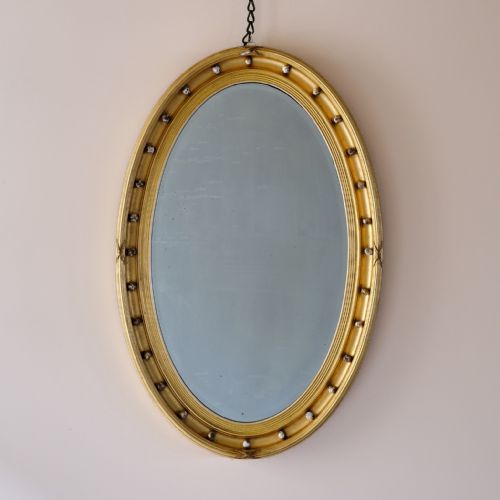
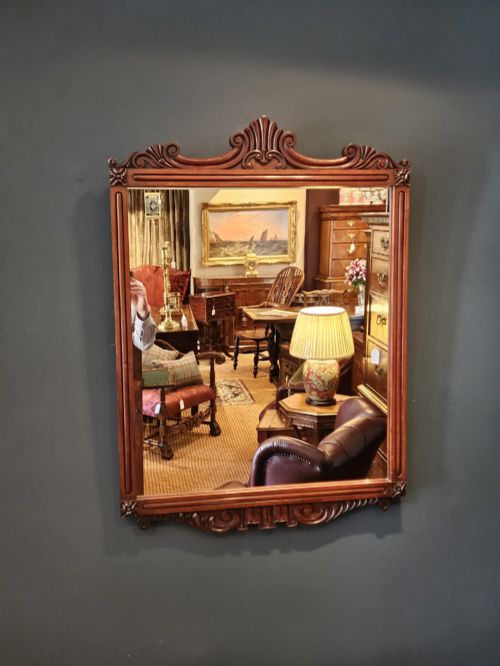
A hallway hanging mirror brings light and presence to an entrance, spanning sturdy oak frames and ornate gilt plaster designs.
Hallway Hanging Mirror
A hallway hanging mirror is an essential threshold piece designed to bounce light into narrow spaces and catch a final glance before leaving the house. The selection ranges from robust oak and mahogany frames of the Victorian and Edwardian eras to lighter maple and walnut constructions.
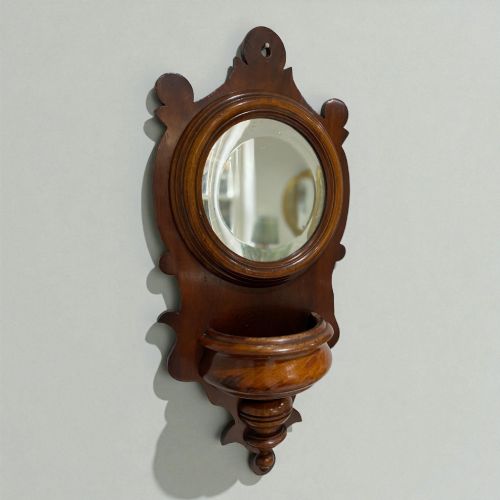
Most examples found here date from the nineteenth and early twentieth centuries, encompassing Victorian rococo revival, Edwardian utility pieces, and simple Georgian walnut styles. Many include practical additions such as built-in shelves, coat hooks, or key cabinets for everyday hallway use.
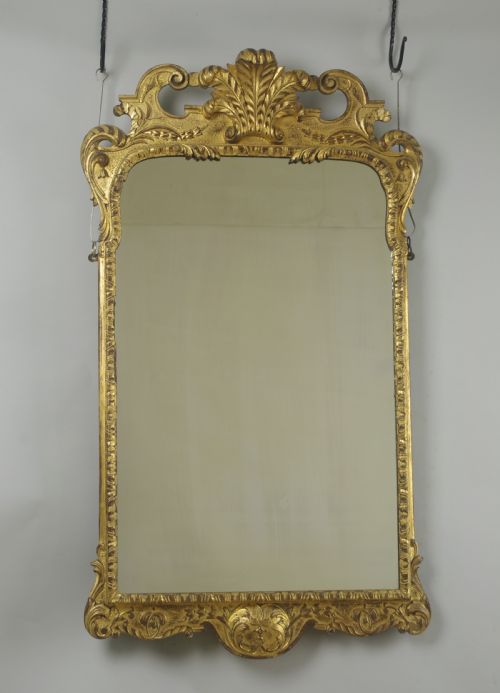
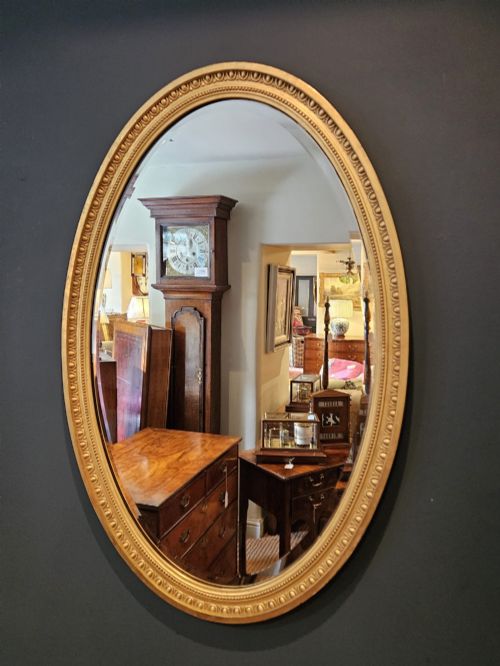
Buyers will encounter various shapes including grand ovals, arched tops, and rectangular formats suited to narrow wall spaces. These utilitarian yet decorative objects bridge the gap between functional hallway storage and period interior design.
Materials and construction
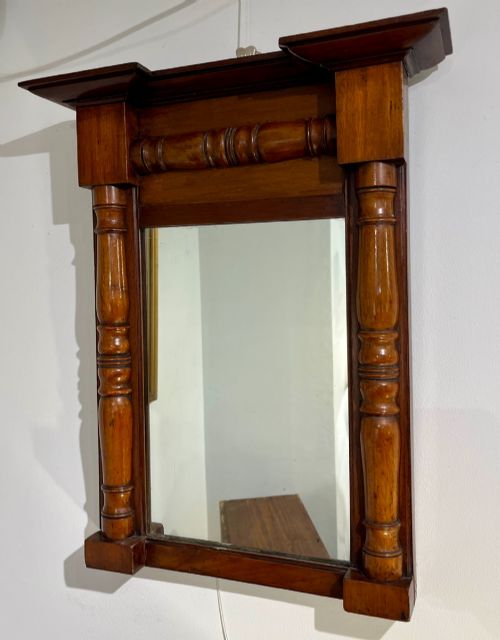
Frames are constructed from dense timbers such as oak, mahogany, walnut, and maple, often joined with traditional corner methods to support the weight of the glass. Carved wooden details and applied mouldings define the structural character of many Victorian and Georgian pieces.
Giltwood and gesso techniques provide the ornate metallic surfaces seen on revival styles, where liquid plaster is moulded over a wooden base before gilding. Mirror glass is set securely within these heavy frames, sometimes featuring bevelled edges or subtle foxing appropriate to their age.
Hallway Hanging Mirror Retail Price Guide 2026
Typical asking prices for hallway hanging mirror among the pieces listed under this phrase on Sellingantiques today, from the lower quarter to the upper quarter. They describe what is for sale here now, not the wider market.
Listings feature wood frames in oak, mahogany, walnut, and maple alongside ornate giltwood and gesso wall mirrors.
Distinctions in craftsmanship
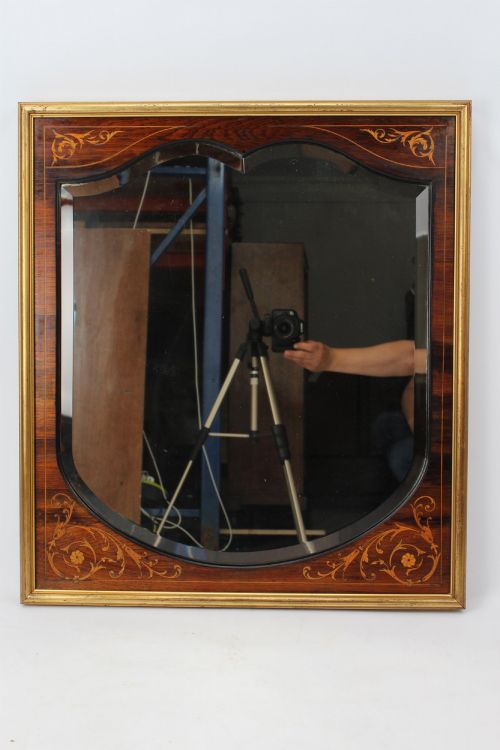
Quality reveals itself in the depth of timber grain, the crispness of carved wooden or gesso enrichment, and the structural integrity of the frame joints. Superior pieces utilise finely figured woods like rosewood or burr walnut alongside deep, multi-layered gilding.
The integration of functional elements such as storage shelves, hanging pegs, or key cabinets distinguishes more elaborate domestic pieces from standard wall mirrors. Heavier framing indicates substantial construction designed to withstand the daily traffic of an entrance hall.
The Hallway Hanging Mirror Glossary
- Gesso
- A plaster-like mixture applied to wood frames as a smooth base for gilding or painting. This material allows for intricate relief moulding in revival styles.
- Pier mirror
- A tall mirror traditionally hung on the narrow pier of wall between two windows. These pieces reflect ambient light back into dark interior spaces.
- Overmantle mirror
- A wide mirror designed specifically to be hung above a fireplace mantelpiece. They often share stylistic traits with large hallway hanging mirrors.
- Inlay
- A decorative technique where contrasting pieces of wood are fitted into the primary timber surface. This creates geometric or floral patterns on the frame.
- Rococo revival
- A nineteenth-century design movement mimicking the ornate, asymmetrical scrollwork of the eighteenth century. It appears frequently on gilt plaster frames.
Hallway Hanging Mirror: Frequently Asked Questions
Where should I hang a hallway mirror?
Hang the mirror at eye level opposite a light source to maximise natural illumination in a dim entrance space.
Ensure the wall fixings are robust enough to support the substantial weight of period wooden frames and mirror glass.
How do I identify a Victorian mirror?
Victorian pieces often feature dense mahogany or oak framing, heavy plaster gesso ornamentation, or rich giltwood finishes.
Look for period construction methods in the backboards and timber patination consistent with nineteenth-century manufacture.
What is a last look mirror?
A last look mirror is a compact hallway hanging mirror typically equipped with a small shelf for final adjustments before departure.
These functional domestic objects date predominantly from the Edwardian era and serve busy cloakrooms or narrow corridors.
Can I use a bathroom shaving mirror in a hallway?
Edwardian shaving mirrors with adjustable glass angles and small key shelves adapt easily to narrow hallway spaces.
Their compact dimensions make them suitable for compact entrance areas requiring minimal projection from the wall.
How do I care for antique gilt frames?
Dust giltwood and gesso surfaces gently with a soft dry brush to preserve the fragile metallic leaf finish.
Avoid liquid cleaners entirely, as moisture penetrates old plaster and causes flaking or lifting of the gilding.